Support our educational content for free when you purchase through links on our site. Learn more
Is Living Off-Grid Realistic? 12 Truths You Need to Know 🌿 (2026)

Imagine waking up to birdsong, sipping water you harvested yourself, and powering your home with the sun—no utility bills, no noisy neighbors, just pure independence. Sounds idyllic, right? But is living off-grid really realistic in today’s fast-paced, tech-driven world? At Gone Greenish™, we’ve explored every nook and cranny of this lifestyle—from solar panels and composting toilets to the mental challenges of isolation. Spoiler: off-grid living is totally doable, but it’s not a walk in the park.
In this comprehensive guide, we unpack 12 essential truths about off-grid living, including the upfront costs you’ll face, the must-have gear that actually works, and how to stay connected without sacrificing your freedom. Plus, we share personal stories from folks who’ve made the leap and lived to tell the tale. Curious about how to balance comfort with sustainability? Stick around—we’ve got the inside scoop that’ll help you decide if off-grid life is your next big adventure.
Key Takeaways
- Off-grid living means full or partial independence from public utilities, requiring energy, water, and food self-sufficiency.
- Solar power is king, but wind, micro-hydro, and backup generators play important roles depending on your location.
- Water harvesting and purification are non-negotiable for safe, reliable water supply.
- Growing your own food and managing waste sustainably are vital but labor-intensive components.
- Legal hurdles and social isolation are real challenges that require proactive planning and community building.
- Modern technology like Starlink internet and lithium batteries make off-grid living more accessible than ever.
- Starting small and scaling up your systems is the smartest way to go.
Ready to explore gear options or learn how to build your dream off-grid home? Keep scrolling for detailed insights and expert tips!
Table of Contents
- ⚡️ Quick Tips and Facts About Living Off-Grid
- 🏞️ The Evolution of Off-Grid Living: From Survival to Lifestyle Choice
- 🌿 What Does Living Off-Grid Really Mean? Definitions and Realities
- 🔋 1. Essential Off-Grid Energy Solutions: Solar, Wind, and Beyond
- 💧 2. Water Independence: Harvesting, Purification, and Storage Techniques
- 🥕 3. Sustainable Food Production: Gardening, Permaculture, and Hunting
- 🏠 4. Building Your Off-Grid Home: Materials, Design, and Comfort
- 🛠️ 5. Off-Grid Waste Management: Composting Toilets and Greywater Systems
- 📡 6. Communication and Connectivity: Staying Connected While Off the Grid
- 💰 The Economics of Off-Grid Living: Costs, Savings, and Financial Planning
- 🧠 Mental and Social Realities: Isolation, Community, and Lifestyle Adjustments
- ⚠️ Legal and Zoning Challenges: Navigating Regulations for Off-Grid Living
- 🛒 Must-Have Gear and Tools for Off-Grid Success
- 📚 Learning from the Pros: Expert Tips and Personal Stories from Off-Grid Veterans
- 🌍 Environmental Impact: How Off-Grid Living Helps (or Hurts) the Planet
- 🔮 Future Trends in Off-Grid Living: Tech Innovations and Lifestyle Shifts
- 📝 Conclusion: Is Living Off-Grid Realistic for You?
- 🔗 Recommended Links and Resources for Off-Grid Enthusiasts
- ❓ Frequently Asked Questions About Living Off-Grid
- 📖 Reference Links and Further Reading
⚡️ Quick Tips and Facts About Living Off-Grid
Welcome to the wild, wonderful world of off-grid living! At Gone Greenish™, we’ve been deep-diving into this lifestyle, and we’re here to spill the beans on what it really takes to unplug from the grid and live sustainably. Spoiler alert: it’s not all rustic bliss and bird songs—there’s a lot of planning, grit, and know-how involved. But hey, that’s what makes it an adventure!
Quick Facts to Kickstart Your Off-Grid Journey
| Fact / Tip | Insight |
|---|---|
| ✅ Off-grid means no reliance on public utilities like electricity, water, or gas. | You generate or source your own energy, water, and food. |
| ✅ Solar panels are the most popular energy source. Brands like Renogy lead the pack. | Efficient, durable, and scalable for different needs. |
| ✅ Water harvesting is essential—rainwater collection and well pumps are common. | Purification systems are a must for safe drinking water. |
| ✅ Growing your own food is key but often supplemented with store-bought goods. | Permaculture and small livestock can boost sustainability. |
| ❌ Off-grid living is not cheap upfront. Initial setup costs can be high. | But long-term savings and independence often outweigh initial investments. |
| ❌ Social isolation can be a challenge. Community networks or co-ops help mitigate this. | Mental health and social connections are vital for success. |
Our Takeaway from Experience
We’ve chatted with off-grid veterans, tested gear, and even tried our hand at solar setups. The biggest takeaway? Off-grid living is a lifestyle choice that requires commitment, adaptability, and a willingness to learn. It’s not just about disconnecting; it’s about reconnecting—with nature, your community, and yourself.
For more on how to reduce your carbon footprint while living off-grid, check out our Carbon Footprint Reduction category.
🏞️ The Evolution of Off-Grid Living: From Survival to Lifestyle Choice
Off-grid living isn’t a new concept—it’s as old as humanity itself. But over the decades, it’s morphed from a survival necessity into a conscious lifestyle choice embraced by eco-warriors, homesteaders, and digital nomads alike.
From Necessity to Niche
- Historical Roots: Early settlers and indigenous communities lived off the land out of necessity, relying on natural resources for survival.
- Modern Revival: The 1970s energy crisis sparked renewed interest in self-sufficiency, leading to the rise of solar panels, rainwater harvesting, and permaculture.
- Today’s Movement: It’s a blend of environmental consciousness, desire for independence, and sometimes a reaction against urban life’s hustle.
Why Now?
- Climate change concerns and rising utility costs have pushed many to explore off-grid options.
- Technology advancements (like affordable solar panels and Starlink internet) make off-grid living more accessible.
- The pandemic showed many the value of resilience and self-reliance.
Want to dive deeper into the environmental motivations behind off-grid living? Visit our Climate Change section.
🌿 What Does Living Off-Grid Really Mean? Definitions and Realities
Let’s clear the fog: “off-grid” means different things to different people. At its core, it’s about living without reliance on public utilities, but the degree of independence varies widely.
Degrees of Off-Grid Living
- Complete Off-Grid: No connection to electricity, water, or gas utilities. All energy comes from renewables, water is sourced onsite, and food is mostly self-grown.
- Partial Off-Grid: Some utilities are used, but the goal is to minimize reliance. For example, solar power supplemented by grid electricity.
- Virtual Off-Grid: Living in urban or suburban areas but with self-sufficient practices like solar panels and rainwater harvesting.
The Realities Behind the Dream
- Energy: Solar panels, wind turbines, or micro-hydro systems are common. Battery storage and backup generators add reliability.
- Water: Rainwater harvesting, wells, and purification systems are essential.
- Food: Growing your own veggies, raising chickens, and preserving food are part of the daily grind.
- Waste: Composting toilets and greywater systems reduce environmental impact.
The first YouTube video embedded in this article perfectly illustrates how modern off-grid living can blend technology and comfort.
🔋 1. Essential Off-Grid Energy Solutions: Solar, Wind, and Beyond
Energy independence is the heart of off-grid living. Without reliable power, everything else becomes a struggle. Let’s break down the top energy options, including some of the best gear we’ve tested.
Off-Grid Energy Rating Table (Scale 1-10)
| Energy Source | Design | Functionality | Durability | Cost Efficiency | Ease of Maintenance | Overall Score |
|---|---|---|---|---|---|---|
| Solar Panels (Renogy 100W) | 9 | 9 | 8 | 7 | 8 | 8.2 |
| Wind Turbines (Primus Wind Power) | 7 | 7 | 6 | 6 | 5 | 6.2 |
| Micro-Hydro Systems | 8 | 8 | 9 | 5 | 6 | 7.2 |
| Backup Generators (Honda EU2200i) | 8 | 10 | 9 | 6 | 7 | 8.0 |
Solar Power: The Front-Runner
- Why Solar? It’s clean, scalable, and increasingly affordable.
- Our Favorite: Renogy 100 Watt 12 Volt Monocrystalline Solar Panel — highly efficient, weather-resistant, and perfect for small to medium setups.
- Installation Tips: Position panels for maximum sun exposure; use MPPT charge controllers for efficiency.
- Battery Storage: Lithium-ion batteries like Battle Born offer long life and deep discharge capabilities.
Wind and Hydro: Niche but Powerful
- Wind turbines can supplement solar in windy areas but require more maintenance.
- Micro-hydro systems are ideal if you have flowing water nearby but involve complex installation.
Backup Generators: The Safety Net
- Generators like the Honda EU2200i provide reliable power during low renewable output.
- They’re noisy and require fuel but are invaluable for emergencies.
For detailed gear reviews and installation guides, check out our Eco-Conscious Brands section.
💧 2. Water Independence: Harvesting, Purification, and Storage Techniques
Water is life, and off-grid living demands you become a water wizard. Here’s how to secure clean, reliable water without municipal hookups.
Water Source Options
| Source Type | Pros | Cons | Best For |
|---|---|---|---|
| Rainwater Harvesting | Renewable, low cost | Seasonal variability, storage needed | Areas with regular rainfall |
| Well Water | Consistent supply | Drilling costs, possible contamination | Rural properties |
| Surface Water (Streams, Lakes) | Abundant if nearby | Requires heavy purification | Remote locations |
Harvesting Rainwater: Step-by-Step
- Catchment: Use your roof as a collection surface.
- Gutters & Downspouts: Direct water into storage tanks.
- First-Flush Diverters: Remove debris and contaminants.
- Storage: Use food-grade tanks sized for your household needs.
- Purification: Filter and treat water with UV purifiers or chemical treatments.
Purification Essentials
- Mechanical Filters: Remove sediments and particulates.
- Activated Carbon Filters: Improve taste and remove chemicals.
- UV Purification: Kills bacteria and viruses.
- Boiling: Simple but energy-intensive backup.
Storage Tips
- Keep tanks shaded to prevent algae growth.
- Regularly clean and inspect tanks.
- Consider insulated tanks for freeze-prone areas.
Our personal favorite water purifier is the Berkey Water Filter—portable, effective, and trusted by many off-grid enthusiasts.
🥕 3. Sustainable Food Production: Gardening, Permaculture, and Hunting
Growing your own food is the ultimate off-grid power move. But it’s not just about planting seeds; it’s about creating a resilient, sustainable ecosystem.
The Basics of Off-Grid Gardening
- Start Small: Begin with easy crops like lettuce, radishes, and herbs.
- Soil Health: Composting and natural fertilizers boost productivity.
- Watering: Drip irrigation conserves water.
- Season Extension: Use cold frames or greenhouses to grow longer.
Permaculture Principles
- Design your garden to mimic natural ecosystems.
- Use companion planting to deter pests and improve yields.
- Incorporate perennial plants for long-term sustainability.
Raising Livestock
- Chickens for eggs and pest control.
- Goats or rabbits for meat and milk.
- Bees for honey and pollination.
Hunting and Foraging
- Supplement your diet with wild game and edible plants.
- Requires knowledge of local flora and fauna for safety.
Challenges to Expect
- Weather variability can impact yields.
- Time and labor-intensive.
- Complete food independence is rare; most off-gridders supplement with store goods.
For inspiration and practical tips, listen to the Living Off the Land podcast episode we summarized earlier.
🏠 4. Building Your Off-Grid Home: Materials, Design, and Comfort
Your off-grid home is your sanctuary. It needs to be efficient, comfortable, and tailored to your environment.
Design Considerations
- Passive Solar Design: Maximize natural heating and cooling.
- Insulation: Use eco-friendly materials like sheep’s wool or recycled denim.
- Orientation: Position windows and walls to optimize sunlight and wind protection.
- Size: Smaller homes reduce energy and resource needs.
Building Materials
| Material | Benefits | Drawbacks | Sustainability Rating (1-10) |
|---|---|---|---|
| Straw Bale | Excellent insulation, renewable | Labor-intensive, moisture issues | 9 |
| Reclaimed Wood | Reduces waste, aesthetic appeal | May require treatment | 8 |
| Earthbags | Durable, fire-resistant | Requires expertise | 7 |
| SIPs (Structural Insulated Panels) | Energy-efficient, quick build | Costly upfront | 7 |
Comfort Features
- Efficient wood stoves for heating.
- Composting toilets for waste management.
- Solar-powered lighting and appliances.
- Backup propane for cooking (like in the first YouTube video).
Our Anecdote
We once stayed in a tiny straw bale cabin off-grid in Oregon. The insulation was so good, the wood stove barely needed to be lit even on chilly nights. Comfort doesn’t mean luxury—it means smart design.
🛠️ 5. Off-Grid Waste Management: Composting Toilets and Greywater Systems
Managing waste without municipal services is a challenge but also an opportunity to close the loop sustainably.
Composting Toilets
- How They Work: Separate liquid and solid waste; solids decompose aerobically into compost.
- Benefits: No water use, reduces pollution, creates usable compost.
- Popular Models: Nature’s Head and Sun-Mar are favorites for durability and ease of use.
- Maintenance: Regular emptying and monitoring moisture levels.
Greywater Systems
- Definition: Recycled water from sinks, showers, and laundry.
- Uses: Irrigation for non-edible plants, flushing toilets.
- Treatment: Simple filtration and settling tanks.
- Legal Considerations: Check local regulations before installation.
Blackwater Management
- Usually handled by septic systems or advanced composting setups.
- Requires careful design to avoid contamination.
Challenges
- Learning curve on maintenance.
- Odor control is critical.
- Legal restrictions vary widely.
For more on sustainable waste practices, explore our Conservation Tips category.
📡 6. Communication and Connectivity: Staying Connected While Off the Grid
Off-grid doesn’t mean off the map. Staying connected is vital for safety, work, and social ties.
Internet Options
- Starlink: Satellite internet with speeds over 100 Mbps download and 25 Mbps upload, as shown in the first YouTube video.
- Cellular Hotspots: Good in areas with strong cell coverage.
- Long-Range Wi-Fi: For rural communities sharing networks.
Communication Devices
- Satellite phones for emergencies.
- Two-way radios for local communication.
- Ham radios for hobbyists and emergency use.
Powering Connectivity
- Solar or wind systems must support your communication devices.
- Backup batteries ensure uptime.
Our Experience
We’ve used Starlink in remote areas and found it surprisingly reliable, though weather can affect signal. It’s a game-changer for off-grid digital nomads.
💰 The Economics of Off-Grid Living: Costs, Savings, and Financial Planning
Money talk! Is off-grid living a financial drain or a savvy investment? Let’s break down the numbers and realities.
Upfront Costs vs. Long-Term Savings
| Expense Category | Typical Cost Range | Notes |
|---|---|---|
| Solar Power Setup | Moderate to high | Depends on system size and batteries |
| Water Systems | Moderate | Well drilling can be expensive |
| Home Construction | Variable | DIY can save money |
| Food Production Setup | Low to moderate | Seeds, tools, livestock |
| Waste Management | Low to moderate | Composting toilets cost less than septic |
Hidden Costs
- Maintenance and repairs.
- Replacement parts.
- Time investment (your labor is money too!).
Financial Benefits
- No monthly utility bills.
- Potential tax incentives for renewable energy.
- Increased property value in some markets.
Planning Tips
- Budget for contingencies.
- Start small and scale up.
- Consider hybrid systems to reduce risk.
🧠 Mental and Social Realities: Isolation, Community, and Lifestyle Adjustments
Off-grid living isn’t just physical; it’s a mental marathon. Let’s talk about the emotional and social sides.
Isolation vs. Community
- Isolation Risks: Loneliness, mental health challenges.
- Community Benefits: Shared resources, social events, skill exchanges.
- Many off-gridders join local co-ops or online groups for support.
Lifestyle Changes
- Slower pace of life.
- Increased self-reliance.
- Learning new skills constantly.
Our Story
One of our team members spent six months off-grid in a remote cabin. The solitude was initially blissful but eventually led to a craving for human interaction. Joining a local gardening club made all the difference.
⚠️ Legal and Zoning Challenges: Navigating Regulations for Off-Grid Living
Before you pitch your tent or build your cabin, know the legal landscape.
Common Legal Hurdles
- Zoning laws restricting off-grid structures.
- Building codes requiring utility hookups.
- Water rights and well permits.
- Waste disposal regulations.
How to Navigate
- Research local laws thoroughly.
- Consult with local planning departments.
- Join off-grid advocacy groups.
- Consider land in permissive jurisdictions.
Pro Tips
- Some areas have “tiny house friendly” codes.
- Rural counties often have fewer restrictions.
- Legal battles can be costly and time-consuming.
🛒 Must-Have Gear and Tools for Off-Grid Success
Gear up! Here’s our curated list of essentials to make your off-grid life smoother.
| Product | Purpose | Rating (1-10) | Highlights |
|---|---|---|---|
| Renogy 100W Solar Panel | Energy generation | 9 | Durable, efficient, weather-resistant |
| Battle Born LiFePO4 Battery | Energy storage | 9 | Long life, deep discharge |
| Berkey Water Filter | Water purification | 9 | Portable, effective, trusted |
| Nature’s Head Composting Toilet | Waste management | 8 | Easy to use, low maintenance |
| Honda EU2200i Generator | Backup power | 8 | Quiet, reliable, fuel-efficient |
| Starlink Satellite Internet | Connectivity | 8 | Fast, reliable, global coverage |
Where to Buy
- 👉 CHECK PRICE on:
- Renogy 100W Solar Panel on Amazon | Renogy Official Website
- Battle Born Batteries on Amazon | Battle Born Official Website
- Berkey Water Filters on Amazon | Berkey Official Website
- Nature’s Head Composting Toilet on Amazon | Nature’s Head Official Website
- Honda EU2200i Generator on Amazon | Honda Official Website
- Starlink Satellite Internet
📚 Learning from the Pros: Expert Tips and Personal Stories from Off-Grid Veterans
We reached out to seasoned off-grid dwellers to get the scoop on what works — and what doesn’t.
Expert Tips
- Plan for redundancy: Have backup systems for power and water.
- Start small: Test your systems before going full-scale.
- Build community: Share skills and resources with neighbors.
- Keep learning: Off-grid living is a continuous education.
Personal Stories
- “We started with a tent and a solar suitcase. Now we have a full solar array and a permaculture garden. It’s been a wild ride, but worth every moment.” — Sarah, Oregon
- “The hardest part wasn’t the work, but the loneliness. Joining a local co-op saved us.” — Mike, Colorado
Final Thought
Off-grid living is less about perfection and more about resilience, adaptability, and connection—to land, community, and self.
🌍 Environmental Impact: How Off-Grid Living Helps (or Hurts) the Planet
Off-grid living often gets a green halo, but it’s not always perfect. Let’s unpack the environmental pros and cons.
Environmental Benefits
- Reduced carbon footprint: Less reliance on fossil fuels and grid electricity.
- Water conservation: Rainwater harvesting and greywater reuse.
- Waste reduction: Composting and minimal waste generation.
- Biodiversity support: Permaculture gardens encourage native species.
Potential Drawbacks
- Material use: Building materials and batteries have environmental costs.
- Land impact: Clearing land can disrupt ecosystems.
- Backup fuel use: Generators burn fossil fuels.
Balancing Act
The key is thoughtful design and continuous improvement. Off-grid living can be a powerful tool for sustainability if done mindfully.
For more on reducing your environmental impact, visit our Carbon Footprint Reduction page.
🔮 Future Trends in Off-Grid Living: Tech Innovations and Lifestyle Shifts
What’s next for off-grid living? The future looks bright—and tech-savvy.
Emerging Technologies
- Advanced battery tech: Solid-state batteries promise longer life and safety.
- Smart home integration: Remote monitoring and automation for off-grid systems.
- Water-from-air devices: Atmospheric water generators for arid areas.
- Renewable microgrids: Community-shared energy systems.
Lifestyle Shifts
- More urban off-gridders using hybrid systems.
- Increased interest in tiny homes and mobile off-grid living.
- Growing online communities and resource sharing.
The Takeaway
Off-grid living is evolving from a fringe lifestyle to a mainstream sustainability strategy. The question is: are you ready to join the green revolution?
Stay tuned for the conclusion and our curated recommended links, FAQs, and references coming up next!
📝 Conclusion: Is Living Off-Grid Realistic for You?
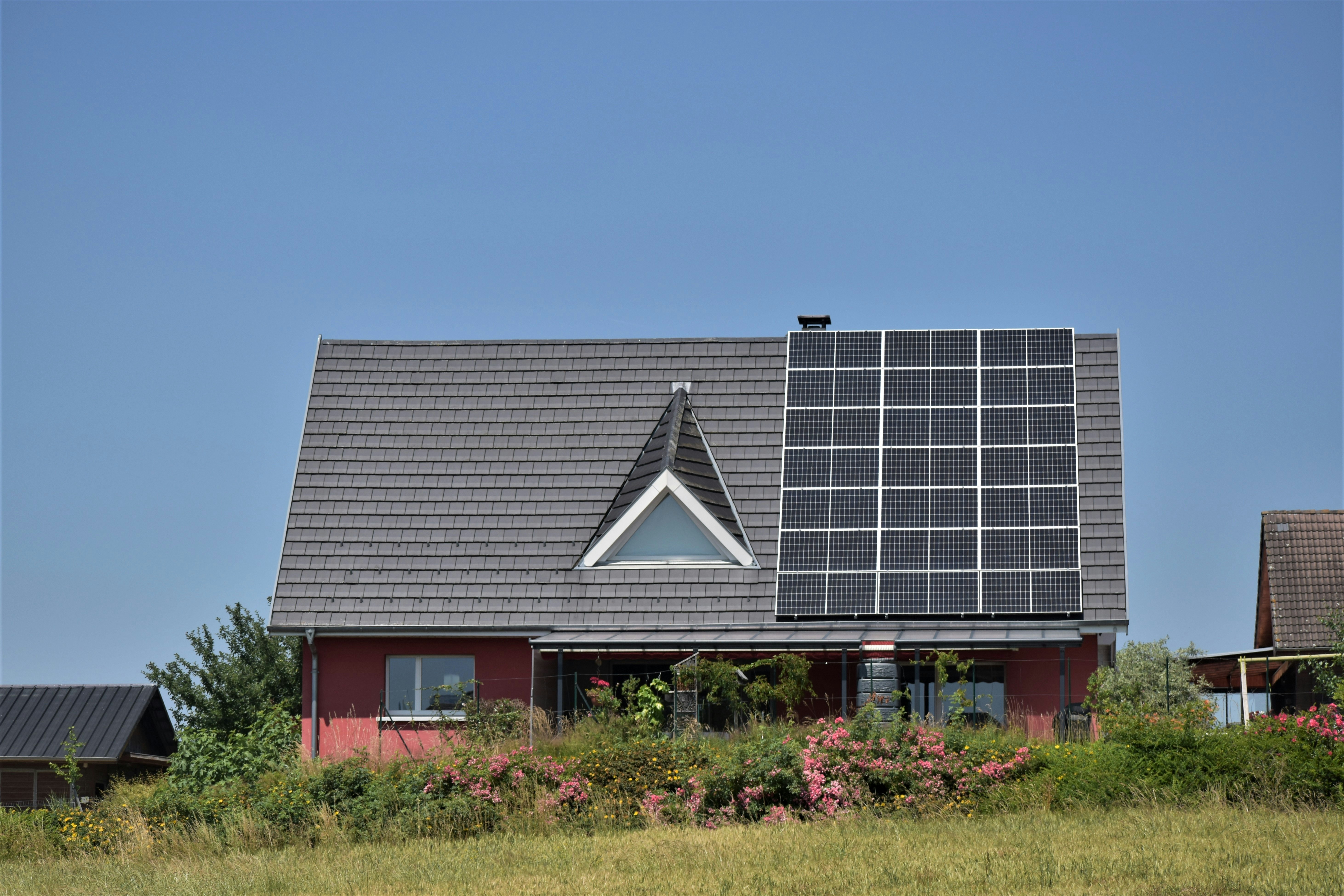
So, is living off-grid realistic? The short answer: Yes, but with caveats. It’s a lifestyle that demands careful planning, resourcefulness, and resilience—not a whimsical escape from modern life. From our deep dive at Gone Greenish™, here’s what we’ve learned:
-
Positives:
- Independence from utility companies and rising energy costs.
- A closer connection to nature and sustainable living.
- Potential long-term savings and reduced carbon footprint.
- Opportunities to learn new skills and build community.
-
Negatives:
- High upfront costs for solar panels, water systems, and building materials.
- Maintenance and technical know-how are essential.
- Social isolation can be a real challenge without community support.
- Legal and zoning hurdles may complicate or delay your plans.
If you’re considering gear like the Renogy 100W Solar Panel or Nature’s Head Composting Toilet, know these products come highly rated for durability and functionality but require proper installation and upkeep. Our recommendation? Start small with scalable systems, build your knowledge, and embrace the journey rather than expecting overnight perfection.
Remember the podcast insight: “Growing your own food is a lifelong journey, not a destination.” Off-grid living is about balance, resilience, and connection—not perfection.
If you’re ready for the challenge and the rewards, off-grid living can be a realistic and deeply fulfilling lifestyle. If not, even adopting some off-grid principles can boost your sustainability and well-being.
🔗 Recommended Links and Resources for Off-Grid Enthusiasts
Ready to gear up or learn more? Here are our top picks:
-
👉 CHECK PRICE on:
- Renogy 100W Solar Panel on Amazon | Renogy Official Website
- Battle Born LiFePO4 Battery on Amazon | Battle Born Official Website
- Berkey Water Filter on Amazon | Berkey Official Website
- Nature’s Head Composting Toilet on Amazon | Nature’s Head Official Website
- Honda EU2200i Generator on Amazon | Honda Official Website
- Starlink Satellite Internet
-
Books to Deepen Your Knowledge:
- The Self-Sufficient Life and How to Live It by John Seymour — a classic guide to off-grid living essentials.
- Off Grid Solar: A Handbook for Photovoltaics with Lead-Acid or Lithium-Ion Batteries by Joseph P. O’Connor — perfect for DIY solar enthusiasts.
- The Backyard Homestead: Produce All the Food You Need on Just a Quarter Acre! by Carleen Madigan — great for sustainable food production.
-
Podcasts and Online Resources:
- Living Off The Land – Roots and Refuge Podcast — honest stories and practical advice.
- Gone Greenish™ Carbon Footprint Reduction
- Gone Greenish™ Eco-Conscious Brands
- Gone Greenish™ Conservation Tips
❓ Frequently Asked Questions About Living Off-Grid
Is it worth living off-grid?
Living off-grid is worth it if your values align with self-sufficiency, sustainability, and independence. It offers freedom from utility bills and a smaller environmental footprint. However, it requires significant effort and lifestyle adjustments. For many, even partial off-grid practices bring meaningful benefits without full commitment.
Can you realistically live off the grid?
✅ Yes, but realism depends on location, resources, and preparation. Rural and resource-rich areas are more suitable. Urban off-grid living is possible but usually involves hybrid systems. Success requires technical skills, financial investment, and adaptability.
What are the biggest challenges of living off-grid?
- Initial setup costs for energy, water, and housing systems.
- Maintenance and technical skills to keep systems running.
- Social isolation and mental health challenges.
- Legal and zoning restrictions that vary by region.
How can living off-grid improve mental and physical health?
- Mental health benefits: Reduced stress from nature connection, slower pace, and autonomy.
- Physical health benefits: Increased physical activity from gardening and manual tasks, plus access to fresh, homegrown food.
- However, isolation risks require proactive community engagement.
What are the essential skills needed for off-grid living?
- Basic solar and electrical system maintenance.
- Water harvesting and purification techniques.
- Gardening and food preservation skills.
- Waste management knowledge, including composting toilets.
- Basic construction and repair abilities.
- Emergency preparedness and first aid.
Is it cost-effective to live off-grid in today’s world?
❌ Not immediately. Upfront costs can be steep, but long-term savings on utilities and increased property value can offset this. DIY approaches and incremental upgrades improve cost-effectiveness. Financial planning is critical.
How does off-grid living impact environmental sustainability?
Off-grid living can significantly reduce your carbon footprint by using renewable energy, conserving water, and minimizing waste. However, materials like batteries and building supplies have environmental costs. Thoughtful design and continuous improvement maximize benefits.
What are the best locations for a realistic off-grid lifestyle?
- Areas with ample sunlight for solar power (e.g., Southwest USA).
- Regions with reliable rainfall for water harvesting.
- Rural or semi-rural zones with lenient zoning laws.
- Proximity to community resources to avoid isolation.
Can off-grid living support a healthy and balanced diet?
✅ Absolutely! Growing your own vegetables, raising small livestock, and foraging can provide fresh, nutritious food. However, most off-gridders supplement with store-bought staples like grains and specialty items. It’s a balance, not total independence.
How do you handle emergencies off-grid?
- Have backup power like generators.
- Maintain emergency water and food supplies.
- Keep communication devices like satellite phones or radios.
- Develop a community network for support.
What role does technology play in modern off-grid living?
Technology is a game-changer. Affordable solar panels, lithium batteries, satellite internet (like Starlink), and smart monitoring systems make off-grid living more comfortable and manageable than ever before.
📖 Reference Links and Further Reading
- Renogy Official Website — Trusted solar panel manufacturer.
- Battle Born Batteries — Leading lithium battery supplier.
- Berkey Water Filters — Popular water purification systems.
- Nature’s Head Composting Toilets — Reliable composting toilet solutions.
- Honda Generators — Industry-standard backup power.
- Starlink Satellite Internet — High-speed internet for remote locations.
- Living Off The Land – Roots and Refuge Podcast — Realistic insights into homesteading and off-grid life.
For more eco-conscious living tips, visit our Gone Greenish™ Conservation Tips and Carbon Footprint Reduction categories.
Ready to take the plunge or dip your toes? Off-grid living is a journey—sometimes challenging, always rewarding. We hope this guide lights your path to a greener, freer life! 🌿✨