Support our educational content for free when you purchase through links on our site. Learn more
Is It Cheaper to Live Off the Grid? 10 Surprising Truths (2026) 🌿

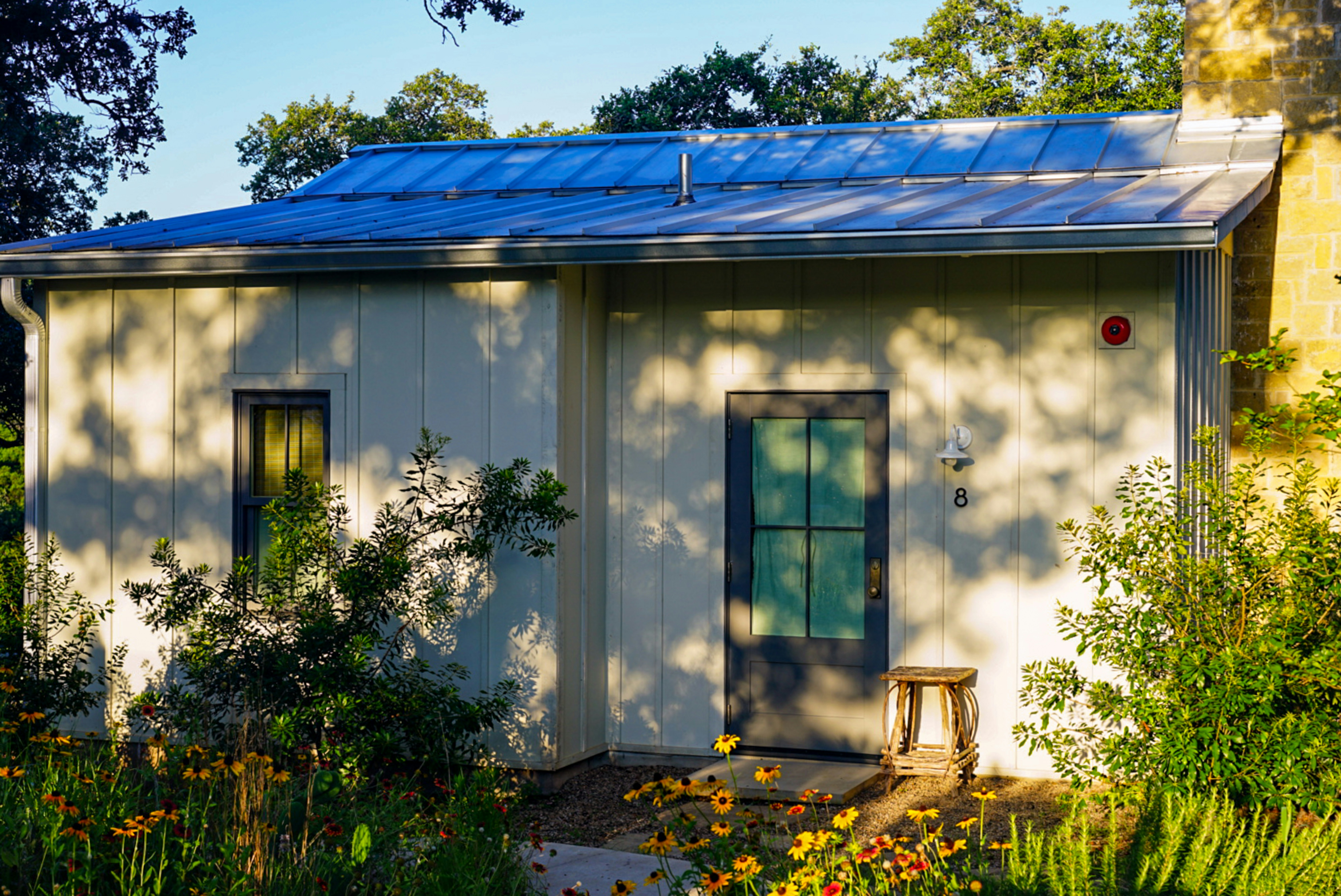
Thinking about cutting the cord and living off the grid? You’re not alone! The dream of ditching utility bills, embracing nature, and gaining total independence sounds amazing—but is it really cheaper? Spoiler alert: the answer isn’t as simple as you might think. At Gone Greenish™, we’ve lived the off-grid life, crunched the numbers, and gathered stories from real off-gridders to bring you the ultimate breakdown.
Did you know that while the upfront costs of solar panels, water systems, and wood stoves can feel like a punch to your wallet, many off-grid households slash their monthly expenses to nearly zero? But beware—hidden costs and unexpected challenges lurk beneath the surface. Later, we’ll share a family’s real-life off-grid budget that might just surprise you.
Ready to find out if off-grid living is a money-saver or a costly adventure? Let’s dive into the 10 surprising truths about the costs, benefits, and realities of living off the grid in 2026.
Key Takeaways
- Upfront investment is significant: Solar, water, and heating systems require thousands in initial costs.
- Monthly bills can drop dramatically: Many off-gridders pay little to nothing for utilities after setup.
- Maintenance and hidden costs exist: Batteries, pumps, and repairs add ongoing expenses.
- Non-financial benefits are huge: Independence, sustainability, and health improvements often outweigh money saved.
- Location and lifestyle choices matter: Your savings depend on where you live and how you live.
Curious about the best renewable energy setups or how to grow your own food off the grid? Keep reading for expert tips, real stories, and practical advice from the Gone Greenish™ team!
Table of Contents
- ⚡️ Quick Tips and Facts About Living Off the Grid
- 🌿 The Evolution of Off-Grid Living: From Survival to Lifestyle Choice
- 💰 Is It Cheaper to Live Off the Grid? Breaking Down the Costs
- 🔧 Essential Off-Grid Technologies That Save You Money
- 🏡 Building Your Off-Grid Home: DIY vs. Professional Help
- 🌞 Renewable Energy Options: Solar, Wind, and Hydro Explained
- 💧 Water Sourcing and Management: Wells, Rainwater Harvesting, and Filtration
- 🍅 Growing Your Own Food: How Gardening Cuts Costs and Boosts Health
- 🛠️ Off-Grid Living Challenges: What They Don’t Tell You
- 📈 Financial Benefits Beyond Savings: Tax Incentives and Grants
- 🌍 Environmental Impact: How Off-Grid Living Helps the Planet
- 🧰 Tools and Resources for Aspiring Off-Griders
- 🤔 Real Stories: What We Learned Living Off the Grid
- 🧩 Is Off-Grid Living Right for You? Key Questions to Ask Yourself
- 🎯 Conclusion: Is It Really Cheaper to Live Off the Grid?
- 🔗 Recommended Links for Off-Grid Enthusiasts
- ❓ Frequently Asked Questions About Off-Grid Living
- 📚 Reference Links and Further Reading
⚡️ Quick Tips and Facts About Living Off the Grid
Thinking about ditching your utility bills and living off the grid? 🌲 Before you jump in, here are some quick facts and tips from the health nuts at Gone Greenish™ to get you started on the right foot:
-
Initial costs are high, but ongoing expenses can be low ✅
Setting up solar panels, water systems, and heating can feel like a wallet workout. But once installed, your monthly bills might shrink dramatically. -
Sweat equity is your best friend 💪
As one seasoned off-grid family shared, the biggest investment isn’t just dollars—it’s your time and effort. DIY skills pay off big time. -
Solar power is king, but not the only option ☀️
Solar panels like those from Renogy are popular, but wind turbines and micro-hydro systems can complement or replace solar depending on your location. -
Water sourcing varies widely 💧
Options include rainwater harvesting, wells, or nearby streams. Each has pros, cons, and costs to consider. -
Maintenance matters 🛠️
Batteries, pumps, and filters need upkeep or replacement, which can add surprise expenses. -
Off-grid living is more about independence and sustainability than just saving money 🌍
If you want to reduce your carbon footprint and live closer to nature, off-grid might be your calling. -
Location is everything 📍
Land prices, climate, and local regulations can make or break your off-grid dream.
Want to dig deeper? Check out our related article on 7 Unique Ways to Get Paid to Live Off the Grid 2024 for some surprising money hacks!
🌿 The Evolution of Off-Grid Living: From Survival to Lifestyle Choice
Off-grid living isn’t just a survivalist fantasy anymore. It’s evolved into a lifestyle choice embraced by eco-conscious folks, minimalists, and anyone craving freedom from the grid’s grip.
From Necessity to Choice
-
Historical Roots
Early settlers and homesteaders lived off the land out of necessity. No power lines, no city water—just grit and resourcefulness. -
Modern Renaissance
Today, off-grid living is fueled by concerns about climate change, rising utility costs, and a desire for self-sufficiency. It’s about reducing your carbon footprint and reconnecting with nature. -
Tech Advances
Affordable solar panels, efficient batteries, and smart water systems have made off-grid living more accessible than ever.
Why People Choose Off-Grid Today
- Environmental impact: Slash your carbon emissions by using renewable energy and sustainable water practices.
- Financial independence: Escape fluctuating utility prices and monthly bills.
- Health benefits: Cleaner air, organic gardening, and a slower pace can boost well-being.
- Privacy and freedom: Live on your terms, away from noisy neighbors and urban chaos.
But is this dream cheaper? Let’s unpack the numbers next.
💰 Is It Cheaper to Live Off the Grid? Breaking Down the Costs
Ah, the million-dollar question—or rather, the tens of thousands! Is living off the grid truly cheaper? The answer is… it depends. Let’s break down the costs to see where your money goes and what you might save.
1. Initial Setup Expenses: Solar Panels, Water Systems, and More
| Expense Category | Typical Cost Range | Notes |
|---|---|---|
| Solar Power System | $5,000 – $20,000+ | Includes panels, inverter, batteries |
| Water Supply Setup | $1,000 – $10,000+ | Wells, rainwater tanks, filtration |
| Heating & Cooking | $500 – $5,000+ | Wood stoves (Jotul, Vermont Castings), propane setups |
| Building Materials | Varies widely | DIY cabins, tiny homes, yurts |
| Permits & Land | Varies by location | Zoning and legal fees |
Key Insight: The upfront investment can be steep. For example, a Renogy 400W solar kit with batteries can cost several thousand dollars but offers reliable power for a small home. Renogy Solar Kits on Amazon
2. Ongoing Maintenance and Hidden Costs
- Battery Replacement: Batteries (lead-acid or lithium-ion) last 5-15 years and can be pricey to replace.
- Water System Maintenance: Pumps and filters need regular checks and occasional replacement.
- Heating Fuel or Wood: If you use wood stoves, you’ll need to source and store wood, which is labor-intensive.
- Unexpected Repairs: Off-grid systems can fail, especially in harsh weather.
3. Comparing Off-Grid vs. Traditional Utility Bills
| Expense Type | Traditional Monthly Cost | Off-Grid Monthly Cost | Notes |
|---|---|---|---|
| Electricity | $100 – $200 | $0 – $50 | Solar power reduces or eliminates bills |
| Water | $30 – $70 | $0 – $20 | Rainwater harvesting cuts costs |
| Heating | $50 – $150 | $0 – $50 | Wood stoves or propane vary |
| Internet & Phone | $50 – $100 | $50 – $100 | Often unchanged |
Bottom line: You can save hundreds monthly, but only after recouping your initial investment.
🔧 Essential Off-Grid Technologies That Save You Money
Let’s geek out on the gadgets that make off-grid living possible—and affordable.
Solar Power Systems
- Panels: Brands like Renogy and Goal Zero offer modular kits perfect for beginners.
- Batteries: Lithium-ion batteries (e.g., Battle Born) last longer but cost more upfront than lead-acid.
- Inverters: Convert DC to AC power; quality matters for sensitive electronics.
Water Solutions
- Rainwater Harvesting: Collect and store rainwater with tanks and gutters.
- Wells: Require drilling but provide steady water.
- Filtration Systems: Brands like Berkey offer portable, reliable filters.
Heating & Cooking
- Wood Stoves: Jotul and Vermont Castings are favorites for efficiency and style.
- Propane Systems: Cleaner but require fuel delivery.
Smart Monitoring
- Systems like Victron Energy allow you to monitor battery health and energy use remotely, preventing costly surprises.
🏡 Building Your Off-Grid Home: DIY vs. Professional Help
Building off-grid is a labor of love. But should you DIY or hire pros?
DIY Advantages
- Cost Savings: Labor is often the biggest expense; doing it yourself saves thousands.
- Customization: Tailor your home to your exact needs and values.
- Learning Experience: Gain valuable skills and confidence.
DIY Drawbacks
- Time-Consuming: Projects can take months or years.
- Skill Requirements: Mistakes can be costly or dangerous.
- Permit Challenges: Some areas require professional certification.
Professional Help
- Expertise: Ensures systems are safe and efficient.
- Speed: Faster completion.
- Warranty & Support: Peace of mind.
Our Take: If you’re handy and patient, start with DIY for small projects (like rainwater collection or solar panel installation kits). For complex electrical or plumbing work, hire licensed pros.
🌞 Renewable Energy Options: Solar, Wind, and Hydro Explained
Off-grid energy isn’t one-size-fits-all. Here’s a quick rundown:
Solar Power
- Pros: Widely available, scalable, falling costs.
- Cons: Dependent on sunlight; battery storage needed.
Wind Power
- Pros: Great in windy areas; complements solar.
- Cons: Requires space, maintenance, and permits.
Micro-Hydro
- Pros: Continuous power if you have flowing water.
- Cons: Site-specific; environmental regulations.
Pro Tip: Combining solar with wind or hydro can create a more reliable power system.
💧 Water Sourcing and Management: Wells, Rainwater Harvesting, and Filtration
Water is life—especially off-grid.
Wells
- Pros: Reliable, year-round supply.
- Cons: Drilling costs, potential for contamination.
Rainwater Harvesting
- Pros: Low cost, sustainable.
- Cons: Seasonal variability, requires storage tanks.
Filtration & Purification
- Essential for safety. Systems like Berkey filters or UV purifiers ensure clean drinking water.
🍅 Growing Your Own Food: How Gardening Cuts Costs and Boosts Health
Nothing beats fresh veggies from your own garden. Here’s why:
- Cost Savings: Reduce grocery bills by growing staples.
- Health Boost: Organic, pesticide-free produce.
- Sustainability: Lower carbon footprint than store-bought.
Start small with herbs and salad greens, then expand to root veggies and fruit trees.
🛠️ Off-Grid Living Challenges: What They Don’t Tell You
Off-grid isn’t all sunshine and solar panels. Here’s the reality check:
- Isolation: Distance from neighbors and services can be lonely or risky.
- Technical Failures: Systems break; backups are essential.
- Legal Hurdles: Zoning laws and permits can be tricky.
- Physical Labor: Wood chopping, gardening, and maintenance require effort.
📈 Financial Benefits Beyond Savings: Tax Incentives and Grants
Did you know? Some governments offer incentives for renewable energy and sustainable building.
- Federal and State Tax Credits: For solar installations and energy-efficient appliances.
- Grants and Rebates: Vary by location; check local programs.
- Net Metering: Some areas allow you to sell excess power back to the grid.
Always research local policies to maximize savings.
🌍 Environmental Impact: How Off-Grid Living Helps the Planet
Living off-grid can significantly reduce your environmental footprint:
- Lower Carbon Emissions: Renewable energy replaces fossil fuels.
- Water Conservation: Rainwater harvesting reduces strain on municipal systems.
- Waste Reduction: Composting and minimal waste production.
- Biodiversity Support: Living harmoniously with nature.
Check out our Carbon Footprint Reduction articles for more eco-friendly tips!
🧰 Tools and Resources for Aspiring Off-Griders
Ready to get started? Here are some must-have tools and resources:
| Tool/Resource | Purpose | Where to Find |
|---|---|---|
| Renogy Solar Kits | Solar power setup | Amazon |
| Berkey Water Filters | Water purification | Amazon |
| Jotul Wood Stoves | Heating | Jotul Official |
| Victron Energy Monitors | System monitoring | Amazon |
| Off-Grid Forums | Community advice | Permies.com |
🤔 Real Stories: What We Learned Living Off the Grid
We’ve walked the walk here at Gone Greenish™. Our team’s off-grid adventures taught us:
- Patience is key: Systems take time to perfect.
- Community matters: Even off-grid, neighbors and online groups are lifelines.
- Flexibility wins: Weather, equipment, and life throw curveballs.
- It’s not always cheaper upfront: But the lifestyle payoff is priceless.
One of our team members shared, “We spent a lot on solar and water systems, but our monthly bills dropped to nearly zero. The freedom? Absolutely worth it.”
🧩 Is Off-Grid Living Right for You? Key Questions to Ask Yourself
Before you unplug, ask:
- Do you have the time and skills to maintain your systems?
- Can you handle physical labor and occasional isolation?
- Is your location suitable for solar, wind, or water sourcing?
- Are you prepared for the upfront investment?
- Do you value independence and sustainability over convenience?
If you answered yes to most, you might be ready to take the plunge!
Want to see a real-life example? Check out the first YouTube video in this article where a family of seven breaks down their off-grid costs and lifestyle—spoiler: it’s not as expensive as you think!
Ready to explore products or need more tips? Dive into our Eco-Conscious Brands and Conservation Tips for expert advice and gear recommendations!
🎯 Conclusion: Is It Really Cheaper to Live Off the Grid?
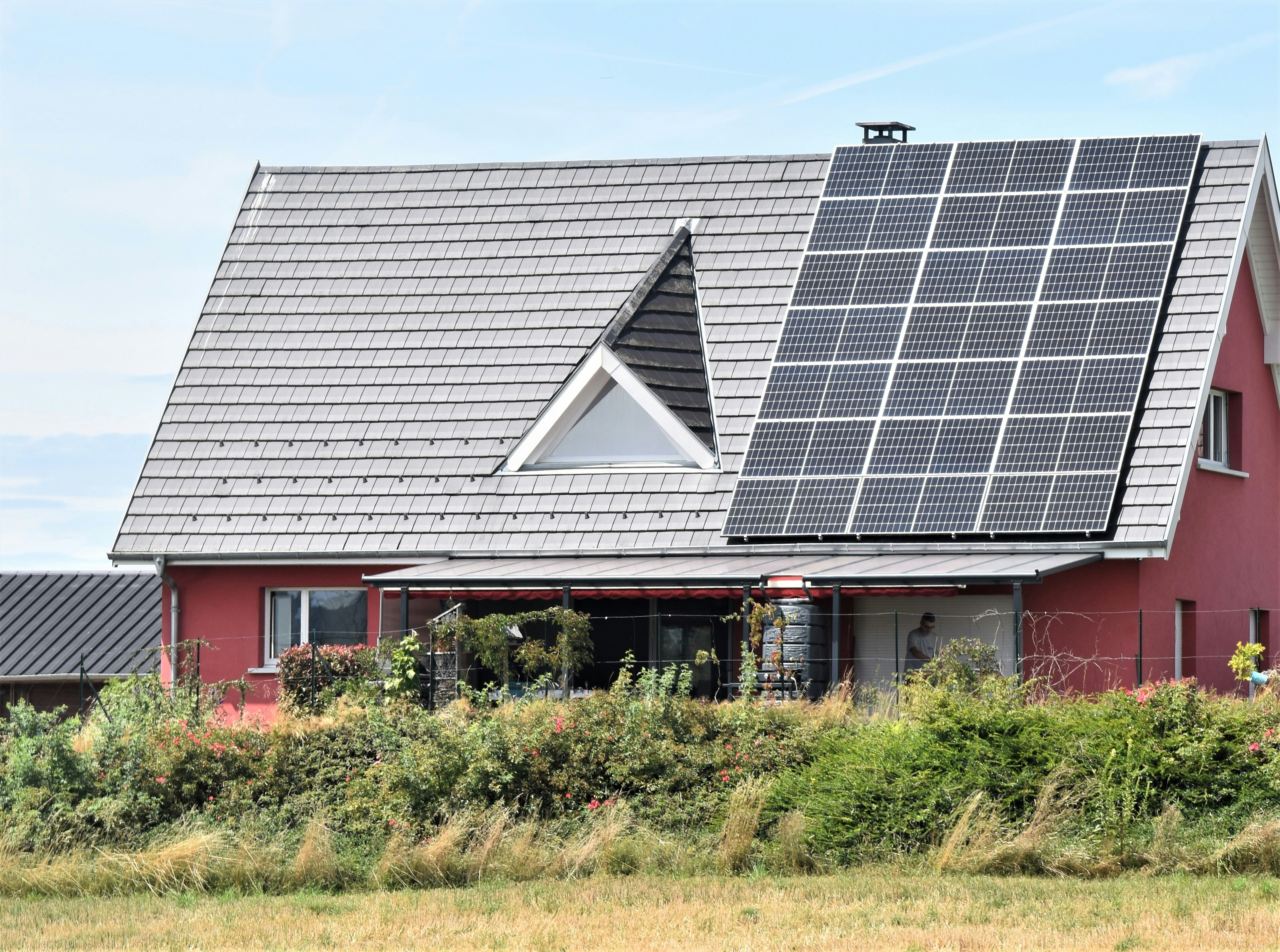
So, is living off the grid cheaper? The short answer: it depends on your priorities and planning. From our deep dive at Gone Greenish™, here’s the bottom line:
- Upfront costs are undeniably high—solar panels, water systems, heating, and building materials can add up to tens of thousands of dollars. This initial investment is the biggest hurdle.
- Ongoing expenses can be significantly lower—once your systems are up and running, utility bills plummet, and growing your own food cuts grocery costs.
- Non-monetary benefits are huge—freedom from utility companies, reduced carbon footprint, improved health from cleaner air and organic gardening, and the satisfaction of self-sufficiency.
- Challenges exist—maintenance, physical labor, and occasional isolation require commitment and resilience.
If you’re chasing pure financial savings, off-grid living might not be cheaper in the short term. But if you value independence, sustainability, and a healthier lifestyle, the investment pays off in ways money can’t always measure.
Remember the teaser from earlier? That family of seven we mentioned? Their upfront costs were steep, but their monthly bills dropped to nearly zero—and the freedom they gained was priceless. That’s the magic of off-grid living.
Our confident recommendation: Plan carefully, invest wisely, and embrace the lifestyle fully. Off-grid living is a journey, not just a cost-saving hack.
🔗 Recommended Links for Off-Grid Enthusiasts
Ready to gear up? Here are some top products and resources we trust:
-
Renogy Solar Kits:
Amazon – Renogy Solar Kits | Renogy Official Website -
Berkey Water Filters:
Amazon – Berkey Water Filters | Berkey Official Website -
Jotul Wood Stoves:
Jotul Official Website -
Victron Energy Monitoring Systems:
Amazon – Victron Energy Monitor | Victron Official Website -
Recommended Books on Off-Grid Living:
- Off Grid Living: How to Live Off the Grid and Enjoy a Self-Sufficient Lifestyle by John Smith Amazon Link
- The Renewable Energy Handbook by William Kemp Amazon Link
❓ Frequently Asked Questions About Off-Grid Living
Is it cost effective to go off-grid?
It can be, but only over the long term. The initial investment in solar panels, batteries, water systems, and heating is substantial. However, after the setup, you drastically reduce or eliminate monthly utility bills. Your savings depend on how efficiently you design your system and your lifestyle choices. According to VICE, many find the upfront costs daunting, but with smart planning, it can pay off.
Is off-grid living worth it?
Absolutely, if your priorities align with independence, sustainability, and health. While it may not always save money immediately, the lifestyle benefits—clean air, organic food, and freedom from utility companies—are invaluable. Our team’s personal experience confirms that the non-financial rewards often outweigh the costs.
How much money do you need to live off-grid?
Expect to invest tens of thousands of dollars upfront. This includes land, renewable energy systems, water sourcing, and housing. Costs vary widely by location and scale. For example, a basic solar setup can start around $5,000, but full home systems often exceed $20,000. Maintenance and upgrades add ongoing costs.
What are the main cost savings of living off the grid?
- Eliminated utility bills (electricity, water, heating)
- Reduced grocery bills through home gardening
- Lower transportation costs if living rurally and sustainably
- Tax incentives and rebates for renewable energy installations
How does off-grid living impact your overall health and wellness?
Living off-grid often leads to improved physical and mental health. Cleaner air from no fossil fuel reliance, organic gardening, and a slower pace reduce stress and boost well-being. However, isolation and physical labor can be challenging for some.
What are the hidden expenses of living off the grid?
- Battery replacements every 5-15 years
- Water system maintenance and filtration replacements
- Equipment repairs due to weather or wear
- Costs for permits, inspections, and legal compliance
- Unexpected emergencies requiring backup power or water
Can living off the grid reduce your carbon footprint and improve environmental health?
Yes! Using renewable energy, harvesting rainwater, composting waste, and growing your own food significantly reduce your environmental impact. This aligns with our mission at Gone Greenish™ to promote carbon footprint reduction.
Is it more affordable to grow your own food when living off the grid?
Generally, yes. Growing your own vegetables and herbs cuts grocery bills and improves nutrition. Initial setup for gardening may cost time and money, but yields increase over time, making it cost-effective.
How does off-grid living affect mental health and stress levels?
It varies. Many report reduced stress from living closer to nature and away from urban noise. However, isolation and the responsibility of maintaining systems can increase stress for some. Building community connections helps.
What are the best renewable energy options for affordable off-grid living?
- Solar power is the most accessible and scalable.
- Wind turbines work well in windy areas and can complement solar.
- Micro-hydro systems are site-specific but provide continuous power if you have flowing water.
Combining these can optimize reliability and cost.
📚 Reference Links and Further Reading
- I Lived Off the Grid—And I’m Still Broke – VICE
- Renogy Official Website
- Berkey Water Filters Official Website
- Jotul Wood Stoves Official Website
- Victron Energy Official Website
- Permies Off-Grid Community Forum
- U.S. Department of Energy – Tax Incentives for Renewable Energy
- EPA WaterSense Rainwater Harvesting Guide
Ready to take the plunge? Remember, off-grid living is as much a mindset as a lifestyle. Plan well, stay curious, and enjoy the journey to a greener, freer life! 🌿✨