Support our educational content for free when you purchase through links on our site. Learn more
How Much Does a Solar System Cost for a 2000 Sq Ft House? (2026) ☀️

Thinking about powering your 2000 sq ft home with solar energy but wondering, “How much is a solar system going to cost me?” — you’re not alone! The price tag can vary widely depending on your energy needs, roof setup, and the solar gear you choose. But here’s a little secret from the health nuts at Gone Greenish™: with the right system, you can slash your electric bills by up to 85% and shrink your carbon footprint dramatically — all while boosting your home’s value.
In this article, we’ll unravel the mystery behind solar costs for a typical 2000 sq ft house, break down how many panels you really need, and reveal which brands and financing options give you the best bang for your buck. Curious about how a solar system can pay for itself over time? Or which panel brands offer the highest efficiency? Stick around — we’ve got all the sunny details coming up!
Key Takeaways
- Average solar system size for a 2000 sq ft home ranges from 5 to 13 kW, typically requiring 12–16 panels.
- After federal tax credits, expect to invest around $20,000 on average, though this varies by location and incentives.
- Premium panels like SunPower offer top efficiency, but mid-range brands such as EcoFlow provide excellent value and portability.
- Roof orientation, shading, and local sun exposure significantly impact system size and cost.
- Professional installation is highly recommended for safety, warranties, and maximizing savings.
- Solar systems can reduce your carbon footprint by several tons of CO2 annually and increase your home’s resale value by 4-6%.
Ready to explore your solar options and find the perfect system for your home? Let’s dive in!
Table of Contents
- ⚡️ Quick Tips and Facts About Solar Systems for a 2000 Sq Ft House
- 🌞 Solar Power 101: Understanding Solar Systems for Medium-Sized Homes
- 💰 How Much Do Solar Panels Cost for a 2000 Sq Ft Home? A Deep Dive Into Pricing
- 🔋 How Many Solar Panels Are Needed for a 2000 Sq Ft House? The Ultimate Panel Count Guide
- ⚙️ Types of Solar Panels and Their Impact on Cost and Efficiency
- 🏡 Roof Considerations: Best Solar Panel Placement for Your 2000 Sq Ft Home
- 🔌 Solar System Components: Beyond Panels – What You Need to Know
- 🌍 Environmental and Financial Benefits of Installing Solar on a 2000 Sq Ft House
- 🛠️ Installation Process and Timeline: What to Expect When Going Solar
- 💡 Financing Your Solar System: Loans, Leases, and Incentives Explained
- 📈 How Solar Energy Affects Your Home’s Value and Resale Potential
- 🔍 Common Myths and Misconceptions About Solar Systems for Homes
- 🛒 Top Solar Panel Brands and Kits for 2000 Sq Ft Homes: Our Expert Picks
- 📊 Comparing DIY vs Professional Solar Installation: Pros and Cons
- ⚖️ The Bottom Line: Is a Solar System Worth It for Your 2000 Sq Ft House?
- 🔗 Recommended Links for Solar System Research and Purchase
- ❓ Frequently Asked Questions About Solar Systems for 2000 Sq Ft Homes
- 📚 Reference Links and Resources for Solar Power Insights
⚡️ Quick Tips and Facts About Solar Systems for a 2000 Sq Ft House
Welcome to the sunny side of home energy! If you’re wondering how much a solar system for a 2000 sq ft house costs, you’re in the right place. At Gone Greenish™, we’ve crunched the numbers, chatted with solar pros, and even tested panels ourselves to bring you the juiciest facts and tips. Ready to get energized? ⚡️
Quick Facts You Should Know
- Average system size: Around 5 to 13 kW depending on your energy use and location.
- Typical number of panels: 12 to 16 panels of 400W each for average consumption.
- Cost range: Roughly $20,000 after the 30% federal solar tax credit (varies by state and incentives).
- Cost per square foot: About $10.30 on average after incentives, but this can swing based on your electricity needs and roof conditions.
- Solar panel efficiency: Usually between 20% and 23%, with premium panels pushing the higher end.
- Installation time: Usually 1-3 days for a standard residential system.
Why These Tips Matter
Not all 2000 sq ft homes are created equal! Your energy consumption, roof orientation, local sun exposure, and even your appliances can change how many panels you need and what you’ll pay. We’ll break it all down so you can make a smart, green choice.
For a deeper dive into solar power basics, check out our Solar Power category.
🌞 Solar Power 101: Understanding Solar Systems for Medium-Sized Homes
Before we get into the dollars and panels, let’s get the basics straight. Solar energy systems convert sunlight into electricity using photovoltaic (PV) panels. But how does that translate to your 2000 sq ft home?
What Determines Your Solar System Size?
- Energy consumption: Measured in kilowatt-hours (kWh), this is the real driver. A 2000 sq ft home typically uses about 30-40 kWh per day, but this varies widely.
- Sunlight availability: More sun means fewer panels needed. For example, homes in Arizona or California get more peak sun hours than those in Seattle.
- Roof space and orientation: South-facing roofs with minimal shading are ideal.
- Local incentives and regulations: These can impact your system size and cost.
The Solar System Components
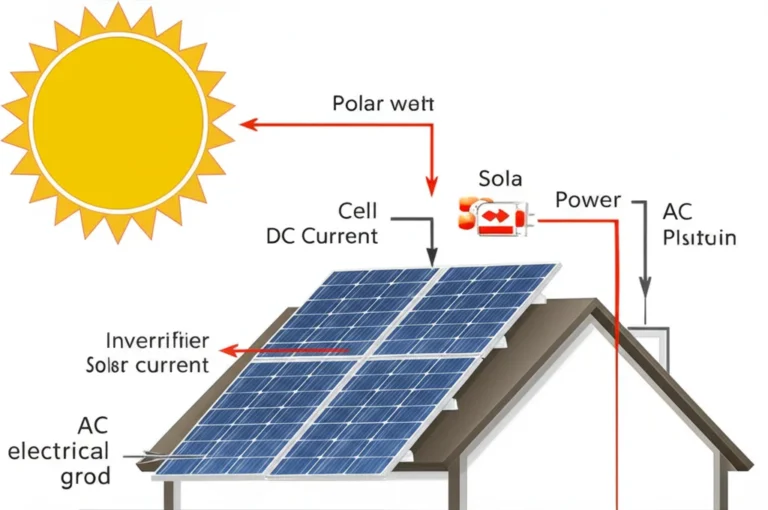
- Solar panels: Capture sunlight and convert it to DC electricity.
- Inverter: Converts DC to AC electricity for your home.
- Mounting hardware: Secures panels to your roof.
- Battery storage (optional): Stores excess energy for nighttime or outages.
- Monitoring system: Tracks your system’s performance.
Why Size Matters More Than Square Footage
It’s tempting to just multiply your home’s size by a cost per square foot, but solar is more about your actual electricity use than your house’s footprint. For example, a 2000 sq ft home with energy-efficient appliances and LED lighting might need a smaller system than a less efficient one.
💰 How Much Do Solar Panels Cost for a 2000 Sq Ft Home? A Deep Dive Into Pricing
Let’s talk money — the million-dollar question (well, more like twenty-thousand-dollar question after incentives). According to Solar.com, the average gross system price for a 2000 sq ft home is around $29,000, which drops to about $20,000 after the 30% federal solar tax credit.
Breaking Down the Costs
| Cost Component | Average Price (USD) | Notes |
|---|---|---|
| Solar Panels | 40-60% of total cost | Depends on panel brand & type |
| Inverter | 10-15% | String or microinverter options |
| Installation & Labor | 15-20% | Varies by region and complexity |
| Permits & Inspection | 5-10% | Local government fees |
| Other Equipment | 5-10% | Mounts, wiring, monitoring |
Factors Influencing Cost
- Panel quality: Premium brands like SunPower or LG tend to cost more but offer higher efficiency and longer warranties.
- System size: Larger systems benefit from economies of scale, lowering cost per watt.
- Location: Labor and permit costs vary by state. California tends to be on the higher end.
- Incentives: Federal tax credits, state rebates, and utility programs can significantly reduce your out-of-pocket cost.
Real-World Example
A typical 5 kW system (enough for average energy use in a 2000 sq ft home) might include about 12-16 panels at 400W each. At roughly $1-$1.50 per watt installed, that’s in the ballpark of $7,500 to $12,000 before incentives.
Pro Tip from Gone Greenish™
Don’t just look at upfront cost! Consider long-term savings, warranty coverage, and panel degradation rates. A cheaper panel now might cost you more in lost energy later.
🔋 How Many Solar Panels Are Needed for a 2000 Sq Ft House? The Ultimate Panel Count Guide
“How many solar panels do I need for my 2000 sq ft home?” is the question we get asked the most. The answer isn’t one-size-fits-all, but here’s a solid framework.
Step 1: Calculate Your Daily Energy Use
- Average 2000 sq ft home uses about 30-40 kWh per day (varies by climate and lifestyle).
- Check your utility bills for exact monthly kWh usage.
Step 2: Understand Panel Output
- A 400W solar panel produces roughly 1.2 to 3 kWh per day, depending on sun exposure.
- Average assumed output: about 2 kWh/day per panel.
Step 3: Divide Your Energy Need by Panel Output
| Energy Need (kWh/day) | Panel Output (kWh/day) | Panels Needed |
|---|---|---|
| 30 | 2 | 15 |
| 35 | 2 | 18 |
| 40 | 2 | 20 |
Real-World Example:
For a typical 2000 sq ft home consuming 32 kWh/day, you’d need about 16 panels of 400W each to cover your energy needs.
Panel Size and Roof Space
- Each 400W panel is about 15-18 sq ft.
- 16 panels require roughly 240-288 sq ft of roof space — usually doable on a 2000 sq ft home’s roof.
Brand Spotlight: EcoFlow 400W Panels
- Up to 23% efficiency, IP68 waterproof rating, and a sleek all-black design.
- Portable options available for flexible use.
- Warranty: Up to 10 years.
👉 CHECK PRICE on:
⚙️ Types of Solar Panels and Their Impact on Cost and Efficiency
Not all solar panels are created equal. Your choice impacts system size, cost, and energy output.
1. Monocrystalline Panels
- Efficiency: 20-23% (highest)
- Appearance: Uniform black color, sleek look
- Cost: Higher upfront cost but better long-term performance
- Best for: Limited roof space, premium installations
2. Polycrystalline Panels
- Efficiency: 15-17%
- Appearance: Blueish, speckled look
- Cost: More affordable upfront
- Best for: Larger roofs, budget-conscious buyers
3. Thin-Film Panels
- Efficiency: 10-13% (lowest)
- Appearance: Flexible, lightweight
- Cost: Cheapest but less durable
- Best for: Specialty uses, limited budgets, or unusual roof shapes
How This Affects Your 2000 Sq Ft Home
- Higher efficiency means fewer panels and less roof space needed.
- Monocrystalline panels like SunPower’s Maxeon series offer top-tier performance but at a premium.
- Polycrystalline panels from brands like Canadian Solar provide a solid balance of price and performance.
🏡 Roof Considerations: Best Solar Panel Placement for Your 2000 Sq Ft Home
Your roof is your solar system’s stage. Getting the placement right maximizes energy and savings.
Key Factors to Consider
- Orientation: South-facing roofs capture the most sun in the Northern Hemisphere.
- Tilt angle: Ideally between 30-45 degrees for most U.S. locations.
- Shade: Trees, chimneys, or nearby buildings can reduce output by up to 25%.
- Roof condition: Older roofs should be repaired or replaced before installation.
Types of Roofs and Solar Compatibility
| Roof Type | Solar Installation Notes | Suitability for Solar |
|---|---|---|
| Asphalt Shingles | Most common, easy to install | ✅ Highly suitable |
| Metal Roofs | Durable, reflective, can increase efficiency | ✅ Highly suitable |
| Tile Roofs | More complex installation, higher labor cost | ✅ Suitable but costlier |
| Flat Roofs | Panels mounted on racks at angle | ✅ Suitable with design |
Pro Tip
If your roof isn’t ideal, consider ground-mounted solar arrays or solar carports. These options can give you flexibility but may increase costs.
🔌 Solar System Components: Beyond Panels – What You Need to Know
Solar panels are just the tip of the iceberg. Here’s what else powers your green energy journey.
Inverters: The Unsung Heroes
- Convert DC electricity from panels into AC electricity for your home.
- Types:
- String inverters: Cost-effective, common in residential systems.
- Microinverters: Installed on each panel, optimize output individually, better for shaded roofs.
- Power optimizers: Hybrid solution improving panel-level performance.
Batteries: Store Your Sunshine
- Optional but growing in popularity.
- Brands like Tesla Powerwall and LG Chem offer home battery solutions.
- Benefits: Backup power during outages, maximize self-consumption, reduce grid reliance.
Monitoring Systems
- Track your system’s performance in real-time via apps or web portals.
- Helps detect issues early and optimize energy use.
Mounting Hardware and Wiring
- Quality mounts ensure durability and safety.
- Professional installation is critical to avoid leaks or damage.
🌍 Environmental and Financial Benefits of Installing Solar on a 2000 Sq Ft House
Going solar isn’t just about saving money — it’s about saving the planet 🌎 and boosting your home’s value.
Environmental Wins
- Reduce carbon footprint: A typical 5 kW system offsets about 3-4 tons of CO2 annually.
- Lower reliance on fossil fuels: Cleaner air and less pollution.
- Support renewable energy growth: Encourages utility companies to invest more in green power.
Financial Perks
- Lower electricity bills: Solar can cover 70-100% of your usage depending on system size.
- Increased home value: Studies show homes with solar sell faster and at a premium.
- Incentives: Federal tax credit (30% through 2025), state rebates, and net metering policies.
Anecdote from the Gone Greenish™ Team
One of our team members installed a 6 kW system on their 2100 sq ft home in Colorado. After two years, their electric bill dropped by 85%, and they earned credits from their utility during sunny months. Plus, the satisfaction of powering their home with the sun? Priceless. ☀️
🛠️ Installation Process and Timeline: What to Expect When Going Solar
Thinking about going solar? Here’s the step-by-step journey from “I want solar” to “I’m solar-powered!”
Step 1: Site Assessment and Consultation
- A solar professional evaluates your roof, shading, and energy needs.
- They provide a customized system design and cost estimate.
Step 2: Permitting and Paperwork
- Your installer handles permits, utility interconnection agreements, and incentive applications.
- This can take 2-6 weeks depending on your locality.
Step 3: Installation Day(s)
- Typical residential installs take 1-3 days.
- Panels, inverters, wiring, and mounts are installed.
- Safety inspections follow.
Step 4: System Activation
- After passing inspections, your system is connected to the grid.
- Monitoring apps are set up so you can watch your solar production.
Step 5: Enjoy Your Solar Savings!
- Watch your electric bills shrink and your environmental impact drop.
💡 Financing Your Solar System: Loans, Leases, and Incentives Explained
Money talk! How do you pay for your shiny new solar system? Here’s the lowdown.
Financing Options
| Option | Description | Pros | Cons |
|---|---|---|---|
| Cash Purchase | Pay upfront for full ownership | Max savings, tax credits | High initial cost |
| Solar Loan | Borrow money to buy system, pay over time | Own system, spread cost | Interest payments |
| Solar Lease | Rent system from provider, pay monthly | Low/no upfront cost | No tax credits, less savings |
| Power Purchase Agreement (PPA) | Buy power from solar company at set rate | No maintenance, low upfront | No ownership, limited savings |
Incentives to Know
- Federal Solar Investment Tax Credit (ITC): 30% through 2025, then changes in 2026.
- State and local rebates: Vary widely; check DSIRE database for your area.
- Net Metering: Sell excess power back to the grid for credits.
Our Take at Gone Greenish™
If you can swing it, buying your system outright or with a loan maximizes your long-term savings and environmental impact. Leases and PPAs can be good for those who want no hassle but expect fewer benefits.
📈 How Solar Energy Affects Your Home’s Value and Resale Potential
Thinking long-term? Solar can be a real estate game-changer.
What the Research Says
- Homes with solar sell for 4-6% more on average than comparable homes without solar (Source: National Renewable Energy Laboratory).
- Solar homes tend to sell faster, especially in states with strong solar incentives.
- Buyers increasingly seek energy-efficient, sustainable homes.
Factors That Influence Value
- Age and condition of the solar system
- Ownership status (owned systems add more value than leased)
- Local electricity rates and solar policies
Anecdote
One of our readers in Arizona sold their 2000 sq ft home with a 7 kW solar system installed. They reported a smoother sale process and a higher offer than expected — all thanks to their solar investment.
🔍 Common Myths and Misconceptions About Solar Systems for Homes
Let’s bust some solar myths that might be holding you back!
Myth 1: Solar Panels Don’t Work in Cloudy or Cold Weather
❌ False! Solar panels produce electricity even on cloudy days and can be more efficient in cooler temperatures.
Myth 2: Solar Systems Require Constant Maintenance
❌ False! Most systems need little maintenance — just occasional cleaning and inspections.
Myth 3: Solar Panels Will Damage My Roof
❌ False! Proper installation protects your roof and can even extend its life by shielding it from weather.
Myth 4: Solar Is Too Expensive for Average Homeowners
❌ False! With incentives and financing, solar is more affordable than ever and often pays for itself over time.
🛒 Top Solar Panel Brands and Kits for 2000 Sq Ft Homes: Our Expert Picks
Ready to shop? Here’s our rating table for popular solar panel brands ideal for medium-sized homes:
| Brand | Efficiency (1-10) | Durability (1-10) | Warranty (Years) | Price Range | Notes |
|---|---|---|---|---|---|
| SunPower | 10 | 9 | 25 | Premium | Industry-leading efficiency |
| LG Solar | 9 | 9 | 25 | Premium | Excellent performance & design |
| Canadian Solar | 7 | 8 | 25 | Mid-range | Great value for quality |
| EcoFlow | 8 | 8 | 10 | Mid-range | Portable & high efficiency |
| Q CELLS | 7 | 8 | 25 | Affordable | Solid warranty and output |
Why These Brands?
- SunPower Maxeon panels are the gold standard for efficiency and longevity.
- LG Neon R panels combine sleek aesthetics with high output.
- Canadian Solar offers a budget-friendly balance.
- EcoFlow stands out for portable and flexible solar solutions.
- Q CELLS is a reliable choice for those on a tighter budget.
Recommended Solar Kits for 2000 Sq Ft Homes
- SunPower Equinox System: Complete home solar kit with monitoring and warranty.
- EcoFlow DELTA Pro + 400W Solar Panels: Great for flexible setups and backup power.
- LG Solar Complete Kits: High efficiency with professional installation options.
👉 Shop Solar Panels on:
📊 Comparing DIY vs Professional Solar Installation: Pros and Cons
Thinking about going full DIY? Here’s what you need to know.
| Aspect | DIY Installation | Professional Installation |
|---|---|---|
| Cost | Lower upfront cost | Higher upfront cost |
| Expertise | Requires electrical & roofing skills | Certified installers handle it |
| Warranty | May void manufacturer warranties | Full warranties included |
| Permits & Paperwork | You handle permits & inspections | Installer manages all paperwork |
| Safety | Higher risk without experience | Safer with trained professionals |
| Time | Longer, trial and error possible | Faster and streamlined |
Our Recommendation
Unless you’re a seasoned pro, professional installation is worth the investment for safety, warranty protection, and peace of mind.
⚖️ The Bottom Line: Is a Solar System Worth It for Your 2000 Sq Ft House?
After all this info, you might be wondering: Is solar worth it for my 2000 sq ft home?
Here’s What We Say at Gone Greenish™
✅ If you want to reduce your carbon footprint, save on energy bills, and increase your home’s value, solar is a fantastic investment.
✅ Thanks to federal and state incentives, the upfront cost is more manageable than ever.
✅ Your actual energy use and roof conditions matter more than just square footage.
✅ Professional consultation and multiple quotes will help you get the best system for your needs and budget.
Final Thought
Solar is not just a purchase — it’s a lifestyle upgrade. Imagine powering your home with clean, renewable energy while watching your utility bills shrink. Sounds pretty greenish, right? 🌿
🔗 Recommended Links for Solar System Research and Purchase
- Solar.com’s Cost and System Size Calculator
- EcoFlow Solar Panels and Power Stations
- DSIRE Database of State Incentives for Renewables & Efficiency
- National Renewable Energy Laboratory (NREL) Solar Research
- Gone Greenish™ Carbon Footprint Reduction Tips
- Gone Greenish™ Conservation Tips
❓ Frequently Asked Questions About Solar Systems for 2000 Sq Ft Homes
Q1: How many kW system do I need for a 2000 sq ft house?
A: Typically between 5 kW and 13 kW, depending on your energy use and location.
Q2: Will solar panels work if my roof is shaded?
A: Partial shading reduces output. Microinverters or power optimizers can help mitigate this.
Q3: How long does solar installation take?
A: Usually 1-3 days for installation, plus 2-6 weeks for permits and inspections.
Q4: Can I install solar panels myself?
A: Yes, but it requires expertise and may void warranties. Professional installation is recommended.
Q5: What happens after the federal tax credit expires?
A: The ITC steps down after 2025, but some states and utilities offer ongoing incentives.
📚 Reference Links and Resources for Solar Power Insights
- Solar.com Learn Center
- EcoFlow Official Website
- National Renewable Energy Laboratory (NREL)
- DSIRE Incentive Database
- U.S. Department of Energy Solar Energy Technologies Office
- Peak Sun Hours Calculator
Stay tuned for our next section featuring the perspective of the first YouTube video from The Solar Professionals — coming up soon!
Conclusion
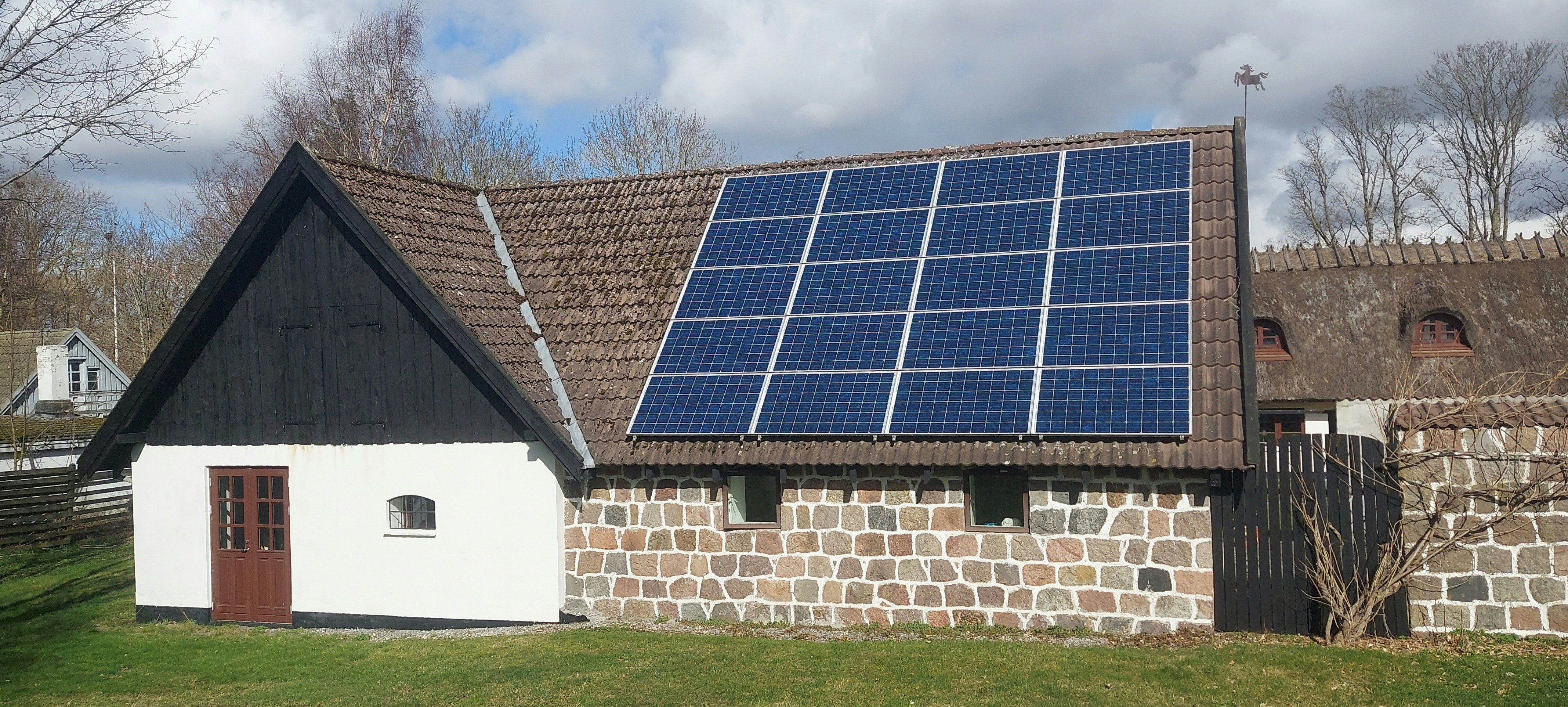
So, how much is a solar system for a 2000 sq ft house? The answer is beautifully nuanced — it depends on your energy consumption, roof conditions, local incentives, and panel choices. On average, you’re looking at a 5 to 13 kW system, typically comprising 12 to 16 high-efficiency panels, costing around $20,000 after federal tax credits.
From our deep dive, here’s the bottom line: solar is a smart, sustainable investment that pays off in savings, home value, and environmental impact. Whether you choose premium brands like SunPower or flexible options like EcoFlow’s 400W panels, you’re stepping into a cleaner, greener future.
Positives of EcoFlow 400W Solar Panels (our standout pick)
✅ High efficiency (up to 23%)
✅ Durable, waterproof design (IP68 rating)
✅ Portable options for versatile use
✅ Solid 10-year warranty
✅ Easy installation and monitoring
Negatives
❌ Slightly shorter warranty than some premium brands (25 years)
❌ May require additional batteries for full home backup
❌ Mid-range price point might be higher than entry-level panels
Our confident recommendation: If you want a balance of efficiency, portability, and reliability, EcoFlow panels are a fantastic choice for medium-sized homes. For those with tight roof space or who want the absolute best efficiency, SunPower remains the gold standard.
Remember, your actual electricity usage and roof characteristics matter more than just square footage. Always get a professional site assessment and multiple quotes to tailor your system perfectly.
Recommended Links for Solar System Shopping and Learning
-
EcoFlow 400W Solar Panel:
-
SunPower Solar Panels:
-
LG Solar Panels:
-
Canadian Solar Panels:
-
Tesla Powerwall (Battery Storage):
-
Recommended Books on Solar Energy:
- “Solar Power Your Home For Dummies” by Rik DeGunther — Amazon Link
- “The Solar Electricity Handbook” by Michael Boxwell — Amazon Link
❓ Frequently Asked Questions About Solar Systems for 2000 Sq Ft Homes
What factors affect the cost of a solar system for a 2000 sq ft house?
Several factors influence the final cost:
- System size and energy needs: Larger systems cost more but reduce cost per watt.
- Panel type and brand: Premium panels like SunPower cost more but offer higher efficiency and longer warranties.
- Installation complexity: Roof type, shading, and accessibility can increase labor costs.
- Location: Labor rates, permitting fees, and local incentives vary by state and municipality.
- Incentives and rebates: Federal tax credits (30% through 2025), state rebates, and utility programs can significantly lower your net cost.
How much can I save on energy bills with a solar system for a 2000 sq ft home?
Savings depend on your current electricity usage and local utility rates. On average:
- Solar can offset 70-100% of your electricity consumption.
- Typical savings range from $600 to $1,500 per year or more.
- Net metering policies allow you to earn credits for excess power sent back to the grid, increasing savings.
- Over 25 years, solar systems can save tens of thousands of dollars, often paying for themselves within 7-12 years.
What is the average size of a solar system needed for a 2000 sq ft house?
- Most 2000 sq ft homes require a system between 5 kW and 13 kW, depending on energy use, climate, and efficiency.
- Typical panel count is 12 to 16 panels of 400W each.
- The exact size should be based on your utility bills and peak sun hours in your location.
Are there government incentives for installing solar panels on a 2000 sq ft house?
Yes! The most significant is the Federal Solar Investment Tax Credit (ITC), which offers a 30% tax credit on system costs through 2025. After that, the credit phases down unless you have a third-party owned system. Many states and utilities also offer:
- Cash rebates
- Performance-based incentives
- Property and sales tax exemptions
- Net metering programs
Check the DSIRE database for incentives specific to your area.
How long does it take to install a solar system on a 2000 sq ft home?
- Site assessment and design: 1-2 weeks
- Permitting and approvals: 2-6 weeks depending on local authorities
- Installation: Usually 1-3 days for a typical residential system
- Inspection and grid connection: 1-2 weeks after installation
Overall, expect 4-8 weeks from start to finish.
What are the environmental benefits of installing solar panels on a 2000 sq ft house?
- Reduces carbon emissions: Offsets approximately 3-4 tons of CO2 annually for a 5 kW system.
- Decreases reliance on fossil fuels: Supports cleaner air and reduces pollution.
- Promotes renewable energy adoption: Encourages utilities to invest more in green infrastructure.
- Contributes to energy independence: Less dependence on centralized power grids.
How does a solar system impact the value of a 2000 sq ft home?
- Solar-equipped homes typically sell for 4-6% more than comparable homes without solar.
- They often sell faster due to growing buyer demand for energy efficiency.
- Owned solar systems add more value than leased systems.
- The system’s age, warranty, and local solar policies also influence value.
Can I install solar panels myself on my 2000 sq ft house?
- DIY installation is possible but requires electrical and roofing expertise.
- Risks include voiding warranties, improper installation, and safety hazards.
- Professional installation is recommended for permits, inspections, and warranty protection.
📚 Reference Links and Resources for Solar Power Insights
- Solar.com: How Much Is a Solar System for a 2000 Sq Ft House?
- Solar.com: Solar Panel Cost Per Square Foot
- EcoFlow Blog: How Many Solar Panels Do I Need for a 2,000 Sq Ft Home?
- National Renewable Energy Laboratory (NREL)
- DSIRE: Database of State Incentives for Renewables & Efficiency
- SunPower Official Website
- EcoFlow Official Website
- Tesla Powerwall
- U.S. Department of Energy Solar Energy Technologies Office
Ready to take the plunge? Your solar-powered future awaits — and we at Gone Greenish™ are here to help you every step of the way! 🌞🌿