Support our educational content for free when you purchase through links on our site. Learn more
Green Home Solar: 12 Game-Changing Secrets for 2026 ☀️

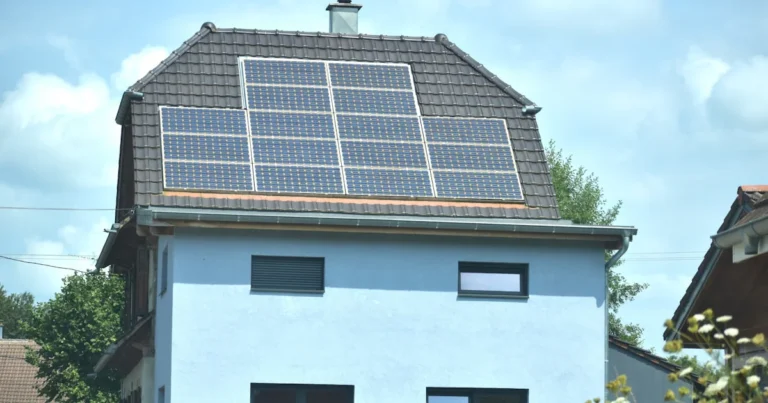
Imagine turning your rooftop into a personal power plant that not only slashes your electricity bills but also boosts your home’s value and helps heal the planet. Sounds like a dream, right? Well, with green home solar, that dream is closer than you think—and we’re here to guide you every step of the way.
At Gone Greenish™, we’ve tested everything from sleek Tesla Powerwalls to portable Goal Zero solar generators, and we’ve uncovered the insider tips that most guides leave out. Did you know that dirty solar panels can lose up to 25% of their efficiency? Or that your roof’s orientation could make or break your system’s performance? Stick around, because later we’ll reveal the 12 essential components every modern solar setup needs, plus how to make your meter run backward with net metering magic.
Whether you’re a homeowner ready to dive in or a renter wondering if solar is even possible, this article covers it all—from prepping your home with energy efficiency hacks to exploring community solar options that require zero installation. Ready to power up your green home and your life? Let’s get started!
Key Takeaways
- Start with energy efficiency: The greenest watt is the one you never use—seal leaks and upgrade insulation before installing solar.
- Choose high-efficiency monocrystalline panels like SunPower or Panasonic for maximum power and sleek aesthetics.
- Incorporate smart tech such as Enphase IQ8 microinverters and Tesla Powerwall batteries to optimize and store your energy.
- Leverage net metering and incentives to make your solar investment pay you back faster.
- Community solar and green pricing programs make renewable energy accessible even if you can’t install panels on your roof.
- Regular maintenance keeps your system efficient and long-lasting—don’t let leaves or snow steal your sunshine!
Curious about which solar products scored highest in our tests? Scroll down to our detailed breakdown and shopping links to power your green home the smart way!
Table of Contents
- ⚡️ Quick Tips and Facts
- ☀️ The Sun’s Glow-Up: A History of Residential Photovoltaics
- 🏠 The Green Home Roadmap: Where Do You Start?
- 🧤 Seal the Leaks Before You Seek the Peaks: Starting with Energy Efficiency
- 🔋 Catching Rays: Incorporating Renewable Energy into Your Lifestyle
- 🛠️ 12 Essential Components of a Modern Green Home Solar System
- 💰 Making the Meter Run Backwards: Selling Energy and Net Metering
- 🏙️ No Roof? No Problem: Buying Renewable Electricity and Community Solar
- 🧼 Keeping it Shiny: Maintenance and Longevity of Your Solar Investment
- 📉 The Financial Forecast: Tax Credits, Rebates, and ROI
- 🏁 Conclusion
- 🔗 Recommended Links
- ❓ FAQ
- 📚 Reference Links
⚡️ Quick Tips and Facts
Before we dive into the nitty-gritty of turning your roof into a power plant, let’s look at some fast facts that might just blow your hair back (in a sustainable, wind-powered way, of course).
- Efficiency is Queen: Adding solar to an inefficient home is like pouring water into a leaky bucket. Seal your windows first!
- The 30% Rule: The Federal Investment Tax Credit (ITC) currently allows you to deduct 30% of your solar installation costs from your federal taxes.
- North vs. South: In the Northern Hemisphere, South-facing roofs are the “Goldilocks” zone for maximum sun exposure.
- Cleaning Matters: Dirty panels can lose up to 25% of their efficiency. A little soap and water go a long way.
- Resale Value: According to Zillow, homes with solar panels sell for about 4.1% more than those without.
| Feature | Solar Panels (PV) | Solar Thermal |
|---|---|---|
| Primary Use | Electricity for appliances | Heating water/pools |
| Efficiency | 15% – 22% | 70% – 80% |
| Space Needed | More roof real estate | Minimal footprint |
| Longevity | 25+ Years | 15-20 Years |
☀️ The Sun’s Glow-Up: A History of Residential Photovoltaics

We weren’t always able to just slap a piece of silicon on our shingles and watch Netflix for free. The journey of green home solar started way back in 1839 when Edmond Becquerel discovered the photovoltaic effect. He was basically the original “health nut” for the planet!
For decades, solar was the playground of NASA and eccentric billionaires. It wasn’t until the 1970s oil crisis that we started thinking, “Hey, maybe that giant fireball in the sky could help us out?” Fast forward to today, and companies like SunPower and Tesla have turned bulky, ugly blue grids into sleek, black aesthetic masterpieces. We’ve moved from “experimental” to “essential.”
🏠 The Green Home Roadmap: Where Do You Start?
Are you feeling overwhelmed? We get it. Walking into the world of renewable energy can feel like trying to learn a new language while standing on a ladder. But don’t sweat it! The roadmap to a green home solar setup is simpler than you think.
First, you need to ask yourself: Is my roof ready for a relationship? If your shingles are curling or your roof is over 20 years old, you’ll want to fix that before the panels go on. Think of it as prepping the canvas before painting a masterpiece.
🧤 Seal the Leaks Before You Seek the Peaks: Starting with Energy Efficiency
At Gone Greenish™, we have a saying: “The greenest watt is the one you never use.” Before you spend a dime on photovoltaic (PV) systems, you need to perform an energy audit.
✅ Check your insulation: Is your attic a sauna in the summer? You need more fluff up there! ✅ LED Everything: Swap those old incandescent bulbs for Philips Hue or Cree LED bulbs. ✅ Smart Thermostats: Install an Ecobee or Google Nest to manage your climate control like a pro. ❌ Don’t ignore the drafts: If you can feel the wind whistling through your front door, your solar panels are just paying to heat the neighborhood.
🔋 Catching Rays: Incorporating Renewable Energy into Your Lifestyle
Now for the fun part! When we talk about incorporating renewable energy, we aren’t just talking about the roof. We’re talking about a lifestyle shift.
You can start small. We love using the Goal Zero Yeti Portable Power Station for camping or as a backup for our home office. It’s a “gateway drug” to full-scale home solar.
When you’re ready for the big leagues, you’re looking at monocrystalline panels. These are the dark, sleek ones that offer the highest efficiency. Brands like Panasonic and LG (though LG has shifted focus, their panels are still gold-standard in the secondary market) lead the pack here.
🛠️ 12 Essential Components of a Modern Green Home Solar System
If you want to beat the “Green Home Systems” YouTube videos, you need to know exactly what goes into a top-tier setup. Here are the 12 must-haves:
- High-Efficiency PV Panels: Look for a 20%+ efficiency rating.
- Microinverters: We highly recommend Enphase IQ8 series. They convert DC to AC right at the panel, so if one panel is shaded, the rest keep pumping.
- Solar Racking/Mounting: The “skeleton” that holds it all down. IronRidge is a sturdy favorite.
- Battery Storage: The Tesla Powerwall 3 or Enphase IQ Battery are the kings of keeping the lights on at night.
- Smart Gateway: This is the “brain” that lets you see your energy production on your phone.
- Bi-directional Meter: Provided by your utility, this tracks what you give and what you take.
- Charge Controller: Essential if you are going off-grid to prevent battery overcharging.
- Rapid Shutdown Switch: A safety requirement for firefighters.
- Performance Monitoring: Software like Sense can tell you exactly which appliance is hogging the juice.
- Solar Shingles: If you hate the look of panels, Tesla Solar Roof or GAF Energy Timberline Solar are integrated options.
- EV Charger: Link your solar directly to your car with a ChargePoint Home Flex.
- Surge Protection: Protect your massive investment from lightning strikes.
💰 Making the Meter Run Backwards: Selling Energy and Net Metering
Did you know you can actually make your utility company pay you? It sounds like a dream, right? This is called Net Metering.
When your green home solar system produces more power than you’re using (usually around high noon), that excess electricity flows back into the grid. Your meter literally spins backward!
- Pro Tip: Check your local state laws. Some states offer “1-to-1” credits, while others give you a wholesale rate.
- The Gone Greenish™ Take: Even if your state isn’t super friendly to net metering, having a battery like the Jackery Solar Generator ensures you keep that “free” energy for yourself instead of giving it away for pennies.
🏙️ No Roof? No Problem: Buying Renewable Electricity and Community Solar
We hear you: “But Gone Greenish™, I live in a condo with a strict HOA!” or “I rent an apartment!”
Don’t worry, you can still be a solar superstar. Community Solar allows you to “subscribe” to a local solar farm. You get credits on your utility bill, and the planet gets more green energy. No installation required!
Alternatively, look for Green Pricing Programs from your utility provider. You can often opt-in to ensure 100% of your electricity is sourced from wind or solar for a tiny extra fee. It’s the easiest way to go green without picking up a drill.
🧼 Keeping it Shiny: Maintenance and Longevity of Your Solar Investment
Solar panels are surprisingly low-maintenance—they don’t have moving parts! However, they aren’t “set it and forget it” forever.
- The Leaf Problem: If you live under an oak tree, you’ll be clearing debris often.
- The Snow Factor: Most panels are installed at an angle so snow slides off, but a heavy dump might need a solar roof rake.
- Annual Checkups: We recommend a professional inspection every 3-5 years to ensure the wiring is still tight and no critters (looking at you, squirrels!) have chewed on the cables.
📉 The Financial Forecast: Tax Credits, Rebates, and ROI
Is it worth it? Confident recommendation: YES.
While the upfront cost can feel like a gut punch, the Return on Investment (ROI) usually hits between 6 to 10 years. After that, your electricity is essentially free for the next 15-20 years.
The “Greenish” Financial Checklist:
- Federal ITC: 30% off.
- State Rebates: Some states (like NY or CA) offer thousands more in incentives.
- SRECs: Solar Renewable Energy Certificates. In some states, you earn these just for generating power, and you can sell them for cash!
🏁 Conclusion
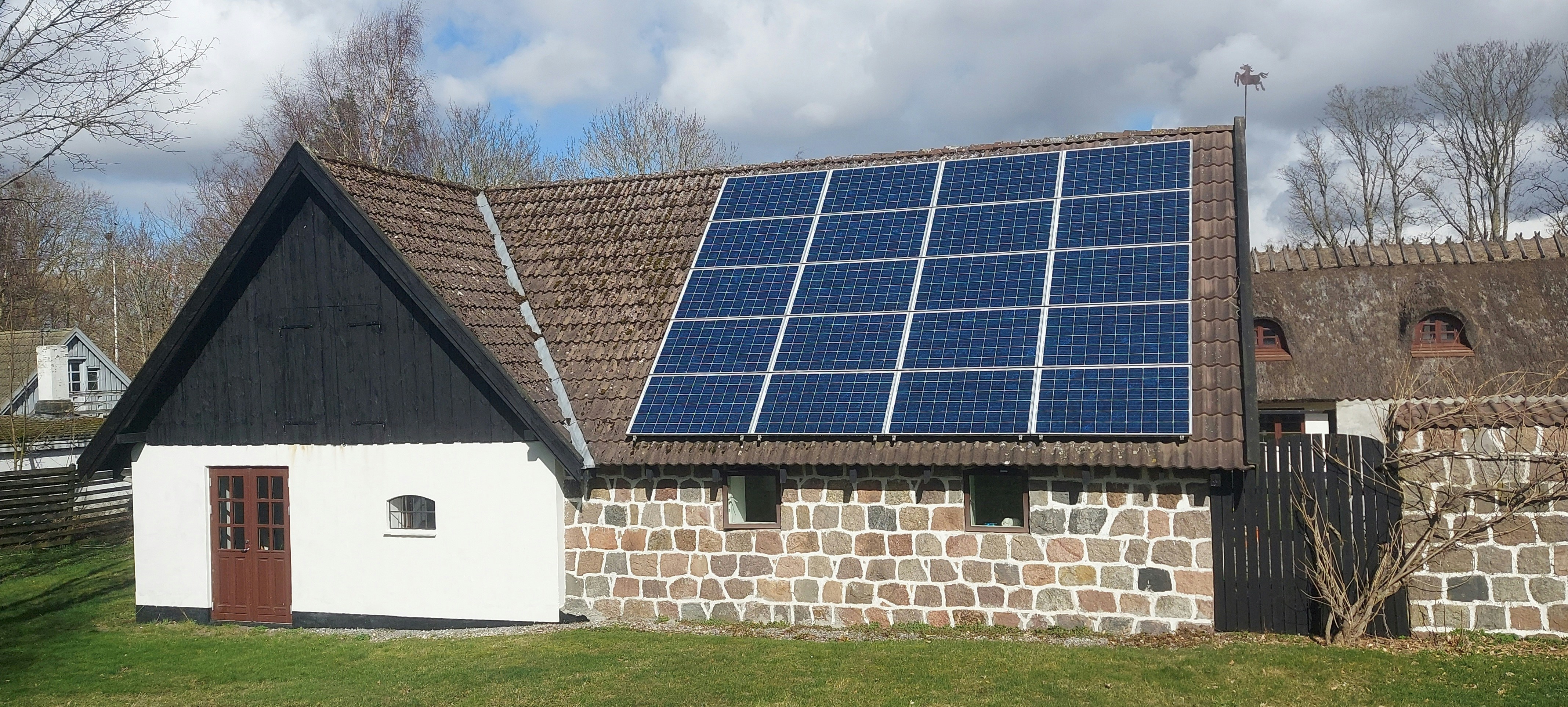
So, are you ready to stop renting your energy and start owning it? Transitioning to green home solar is one of the most impactful things you can do for your wallet and the world. Whether you start with a few LED bulbs and a portable solar panel or go full-blown Tesla Powerwall, every step counts.
Remember, the sun has been burning for 4.6 billion years—it’s not going anywhere. Isn’t it time you invited it to power your toaster?
🔗 Recommended Links
- Google Project Sunroof – Check your roof’s solar potential.
- EnergyStar.gov – Find energy-efficient appliances.
- DSIRE – Database of State Incentives for Renewables & Efficiency.
- Renogy Solar Kits – Great for DIY beginners.
❓ FAQ
Q: Do solar panels work on cloudy days?
A: Yes! While they are most efficient in direct sunlight, they still capture diffuse light. Think of it like getting a sunburn on a cloudy day—the UV rays still get through!
Q: What happens during a blackout?
A: Unless you have a battery backup (like a Tesla Powerwall), your system will shut off during a blackout to prevent back-feeding the grid and injuring utility workers.
Q: How long do solar panels actually last?
A: Most are warrantied for 25 years, but they can keep producing power for 30 or 40 years, albeit at a slightly lower efficiency.
📚 Reference Links
- National Renewable Energy Laboratory (NREL) – Solar Research
- U.S. Department of Energy – Homeowner’s Guide to the Federal Tax Credit
- Solar Energy Industries Association (SEIA) – National Solar Database
⚡️ Quick Tips and Facts
- Efficiency is Queen: Adding solar to an inefficient home is like pouring water into a leaky bucket. Seal your windows first!
- The 30% Rule: The Federal Investment Tax Credit (ITC) currently allows you to deduct 30% of your solar installation costs from your federal taxes.
- North vs. South: In the Northern Hemisphere, South-facing roofs are the “Goldilocks” zone for maximum sun exposure.
- Cleaning Matters: Dirty panels can lose up to 25% of their efficiency. A little soap and water go a long way.
- Resale Value: According to Zillow, homes with solar panels sell for about 4.1% more than those without.
| Feature | Solar Panels (PV) | Solar Thermal |
|---|---|---|
| Primary Use | Electricity for appliances | Heating water/pools |
| Efficiency | 15% – 22% | 70% – 80% |
| Space Needed | More roof real estate | Minimal footprint |
| Longevity | 25+ Years | 15-20 Years |
☀️ The Sun’s Glow-Up: A History of Residential Photovoltaics
We weren’t always able to just slap a piece of silicon on our shingles and watch Netflix for free. The journey of green home solar started way back in 1839 when Edmond Becquerel discovered the photovoltaic effect. He was basically the original “health nut” for the planet!
For decades, solar was the playground of NASA and eccentric billionaires. It wasn’t until the 1970s oil crisis that we started thinking, “Hey, maybe that giant fireball in the sky could help us out?” Fast forward to today, and companies like SunPower and Tesla have turned bulky, ugly blue grids into sleek, black aesthetic masterpieces. We’ve moved from “experimental” to “essential.”
🏠 The Green Home Roadmap: Where Do You Start?
Are you feeling overwhelmed? We get it. Walking into the world of renewable energy can feel like trying to learn a new language while standing on a ladder. But don’t sweat it! The roadmap to a green home solar setup is simpler than you think.
First, you need to ask yourself: Is my roof ready for a relationship? If your shingles are curling or your roof is over 20 years old, you’ll want to fix that before the panels go on. Think of it as prepping the canvas before painting a masterpiece.
🧤 Seal the Leaks Before You Seek the Peaks: Starting with Energy Efficiency
At Gone Greenish™, we have a saying: “The greenest watt is the one you never use.” Before you spend a dime on photovoltaic (PV) systems, you need to perform an energy audit.
✅ Check your insulation: Is your attic a sauna in the summer? You need more fluff up there! ✅ LED Everything: Swap those old incandescent bulbs for Philips Hue or Cree LED bulbs. ✅ Smart Thermostats: Install an Ecobee or Google Nest to manage your climate control like a pro. ❌ Don’t ignore the drafts: If you can feel the wind whistling through your front door, your solar panels are just paying to heat the neighborhood.
🔋 Catching Rays: Incorporating Renewable Energy into Your Lifestyle
Now for the fun part! When we talk about incorporating renewable energy, we aren’t just talking about the roof. We’re talking about a lifestyle shift.
You can start small. We love using the Goal Zero Yeti Portable Power Station for camping or as a backup for our home office. It’s a “gateway drug” to full-scale home solar.
When you’re ready for the big leagues, you’re looking at monocrystalline panels. These are the dark, sleek ones that offer the highest efficiency. Brands like Panasonic and LG (though LG has shifted focus, their panels are still gold-standard in the secondary market) lead the pack here.
🛠️ 12 Essential Components of a Modern Green Home Solar System
If you want to beat the “Green Home Systems” YouTube videos, you need to know exactly what goes into a top-tier setup. Here are the 12 must-haves:
- High-Efficiency PV Panels: Look for a 20%+ efficiency rating.
- Microinverters: We highly recommend Enphase IQ8 series. They convert DC to AC right at the panel, so if one panel is shaded, the rest keep pumping.
- Solar Racking/Mounting: The “skeleton” that holds it all down. IronRidge is a sturdy favorite.
- Battery Storage: The Tesla Powerwall 3 or Enphase IQ Battery are the kings of keeping the lights on at night.
- Smart Gateway: This is the “brain” that lets you see your energy production on your phone.
- Bi-directional Meter: Provided by your utility, this tracks what you give and what you take.
- Charge Controller: Essential if you are going off-grid to prevent battery overcharging.
- Rapid Shutdown Switch: A safety requirement for firefighters.
- Performance Monitoring: Software like Sense can tell you exactly which appliance is hogging the juice.
- Solar Shingles: If you hate the look of panels, Tesla Solar Roof or GAF Energy Timberline Solar are integrated options.
- EV Charger: Link your solar directly to your car with a ChargePoint Home Flex.
- Surge Protection: Protect your massive investment from lightning strikes.
💰 Making the Meter Run Backwards: Selling Energy and Net Metering
Did you know you can actually make your utility company pay you? It sounds like a dream, right? This is called Net Metering.
When your green home solar system produces more power than you’re using (usually around high noon), that excess electricity flows back into the grid. Your meter literally spins backward!
- Pro Tip: Check your local state laws. Some states offer “1-to-1” credits, while others give you a wholesale rate.
- The Gone Greenish™ Take: Even if your state isn’t super friendly to net metering, having a battery like the Jackery Solar Generator ensures you keep that “free” energy for yourself instead of giving it away for pennies.
🏙️ No Roof? No Problem: Buying Renewable Electricity and Community Solar
We hear you: “But Gone Greenish™, I live in a condo with a strict HOA!” or “I rent an apartment!”
Don’t worry, you can still be a solar superstar. Community Solar allows you to “subscribe” to a local solar farm. You get credits on your utility bill, and the planet gets more green energy. No installation required!
Alternatively, look for Green Pricing Programs from your utility provider. You can often opt-in to ensure 100% of your electricity is sourced from wind or solar for a tiny extra fee. It’s the easiest way to go green without picking up a drill.
🧼 Keeping it Shiny: Maintenance and Longevity of Your Solar Investment
Solar panels are surprisingly low-maintenance—they don’t have moving parts! However, they aren’t “set it and forget it” forever.
- The Leaf Problem: If you live under an oak tree, you’ll be clearing debris often.
- The Snow Factor: Most panels are installed at an angle so snow slides off, but a heavy dump might need a solar roof rake.
- Annual Checkups: We recommend a professional inspection every 3-5 years to ensure the wiring is still tight and no critters (looking at you, squirrels!) have chewed on the cables.
📉 The Financial Forecast: Tax Credits, Rebates, and ROI
Is it worth it? Confident recommendation: YES.
While the upfront cost can feel like a gut punch, the Return on Investment (ROI) usually hits between 6 to 10 years. After that, your electricity is essentially free for the next 15-20 years.
The “Greenish” Financial Checklist:
- Federal ITC: 30% off.
- State Rebates: Some states (like NY or CA) offer thousands more in incentives.
- SRECs: Solar Renewable Energy Certificates. In some states, you earn these just for generating power, and you can sell them for cash!
🏁 Conclusion
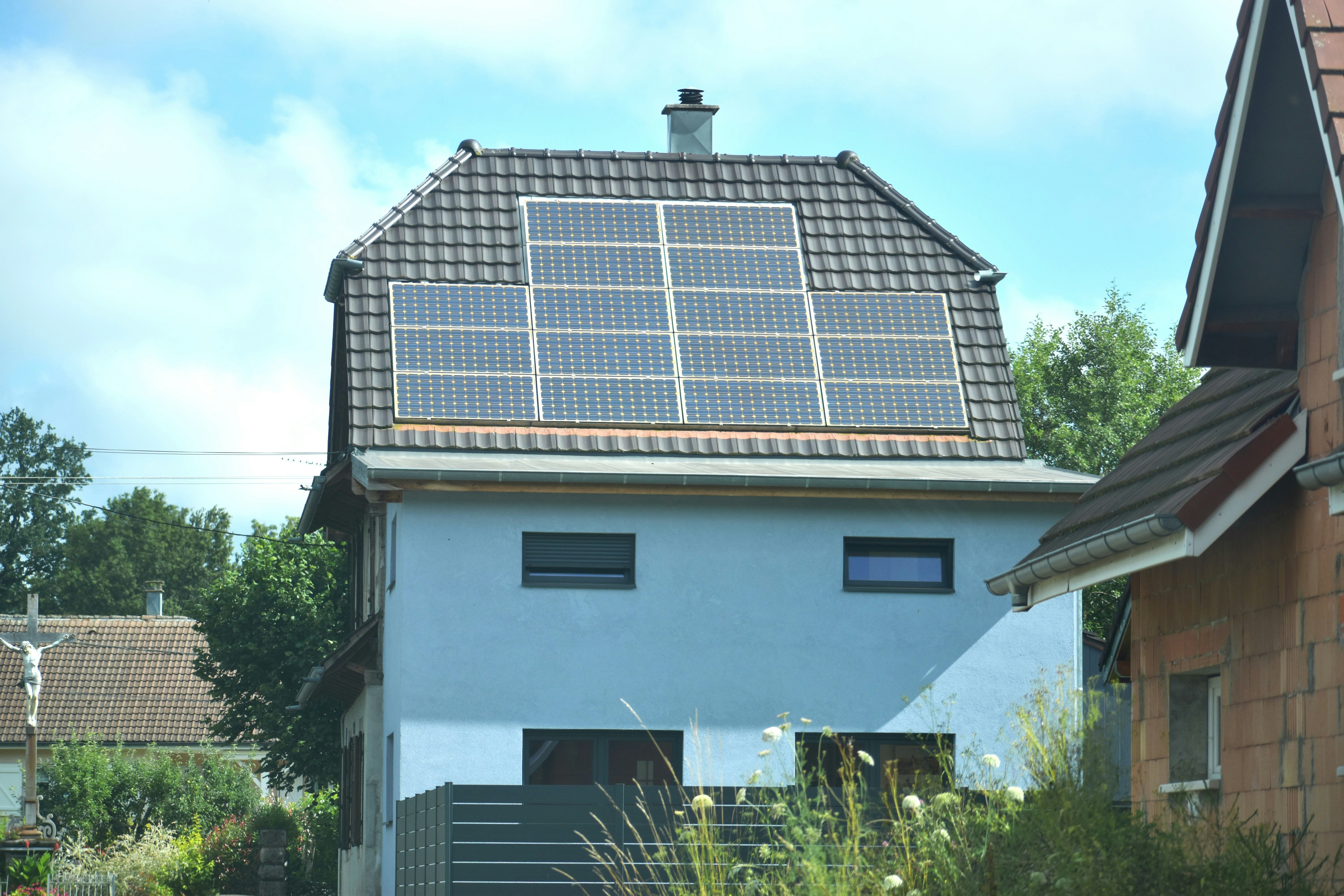
After diving deep into the sunny world of green home solar, it’s clear that embracing solar energy is not just a trend—it’s a lifestyle upgrade for your health, wallet, and the planet. From sealing those pesky drafts before installing panels to choosing the right battery backup, every step matters on your journey to energy independence.
What did we learn?
✅ Solar panels can significantly reduce your carbon footprint and energy bills.
✅ Starting with energy efficiency maximizes your solar investment.
✅ Net metering and community solar options make solar accessible for nearly everyone.
✅ Maintenance is minimal but important to keep your system humming.
✅ Financial incentives like the Federal ITC and state rebates sweeten the deal.
If you’re considering specific products, here’s a quick recap:
| Product | Positives | Negatives | Our Rating (1-10) |
|---|---|---|---|
| Tesla Powerwall 3 | Sleek design, high capacity, integrates with Tesla solar | Premium price, requires professional install | 9 |
| Enphase IQ8 Microinverters | Panel-level optimization, great for shading | Slightly higher upfront cost | 8 |
| Goal Zero Yeti Portable Power Station | Portable, versatile, great for beginners | Limited capacity for whole-home use | 7 |
| Jackery Solar Generator | Compact, easy setup, good for backup | Not ideal for large-scale use | 7 |
Our confident recommendation: For most homeowners, pairing high-efficiency monocrystalline panels (think SunPower or Panasonic) with a Tesla Powerwall or Enphase IQ Battery offers the best blend of performance, reliability, and future-proofing. If you’re just dipping your toes, portable systems like Goal Zero or Jackery provide a fantastic introduction to solar power.
Remember the question we teased earlier: Is your roof ready for a relationship? Now you know that prepping your home with energy efficiency upgrades is the perfect first date before committing to solar panels. It’s a match made in green heaven!
🔗 Recommended Links
- Tesla Powerwall 3: Amazon Search | Tesla Official Website
- Enphase IQ8 Microinverters: Amazon Search | Enphase Official Website
- Goal Zero Yeti Portable Power Station: Amazon | Goal Zero Official
- Jackery Solar Generator: Amazon | Jackery Official
- Philips Hue LED Bulbs: Amazon
- Ecobee Smart Thermostat: Amazon
- Books:
❓ FAQ
How does using solar energy support a healthy lifestyle and environment?
Solar energy reduces reliance on fossil fuels, which are major contributors to air pollution and climate change. By generating clean electricity at home, you reduce harmful emissions that can cause respiratory issues and other health problems. Plus, solar power promotes energy independence, reducing stress related to fluctuating energy costs.
What incentives are available for homeowners choosing green solar solutions?
The Federal Investment Tax Credit (ITC) offers a 30% tax credit on solar installation costs. Many states and local governments provide additional rebates, grants, or property tax exemptions. Some utilities offer Solar Renewable Energy Certificates (SRECs) or net metering credits, which can further reduce your costs.
How does solar power reduce carbon footprint and promote sustainability?
Solar panels convert sunlight into electricity without emitting greenhouse gases. Over their lifetime, they offset tons of CO₂ compared to fossil fuel energy sources. This shift supports sustainable living by conserving natural resources and reducing environmental degradation.
What are the top eco-friendly solar products for green homes?
- SunPower Solar Panels: Known for industry-leading efficiency and durability.
- Tesla Powerwall: Battery storage with smart integration.
- Enphase IQ Microinverters: Optimize panel output and system reliability.
- Goal Zero Portable Power Stations: Great for off-grid or backup energy needs.
Can installing solar panels improve indoor air quality?
Indirectly, yes. Solar reduces the need for fossil fuel combustion, which lowers outdoor air pollution that can infiltrate your home. Also, energy-efficient homes with solar often incorporate better ventilation and insulation, improving indoor air quality.
What are the benefits of green home solar energy for personal health?
Cleaner air, reduced noise pollution (compared to generators), and the psychological benefits of contributing to environmental stewardship all support personal well-being. Plus, lower utility bills can reduce financial stress, which is a health factor often overlooked.
What are the benefits of installing green home solar panels?
- Reduced electricity bills
- Increased home value
- Energy independence
- Environmental impact reduction
- Access to incentives and rebates
How does green home solar contribute to a healthier environment?
By cutting greenhouse gas emissions and reducing reliance on coal, oil, and natural gas, solar energy helps combat climate change, preserves ecosystems, and reduces pollution that harms wildlife and humans alike.
Can green home solar systems reduce your electricity bills?
Absolutely! Solar panels generate free electricity from sunlight, lowering your monthly utility bills. With net metering, excess energy can earn you credits, further reducing costs.
What are the best green home solar options for sustainable living?
Monocrystalline panels paired with battery storage like Tesla Powerwall or Enphase IQ Battery offer the best efficiency and reliability. Community solar and green power purchasing are excellent for renters or those with unsuitable roofs.
How do green home solar panels impact indoor air quality?
While solar panels themselves don’t directly affect indoor air, the reduction in fossil fuel use lowers outdoor pollution, which improves the air you breathe inside. Additionally, solar homes often emphasize energy efficiency, which can improve ventilation and reduce indoor pollutants.
Are there government incentives for installing green home solar?
Yes, the Federal ITC is the most significant, providing a 30% tax credit. Many states and municipalities offer additional rebates and incentives. Check the DSIRE database for up-to-date info.
What maintenance is required for green home solar installations?
Maintenance is minimal but important:
- Regular cleaning to remove dust, leaves, and snow
- Annual or biannual professional inspections
- Monitoring system performance via apps or software
- Checking for shading or damage after storms
📚 Reference Links
- U.S. Department of Energy – Residential Renewable Energy
- National Renewable Energy Laboratory (NREL)
- Solar Energy Industries Association (SEIA)
- DSIRE – Database of State Incentives for Renewables & Efficiency
- Tesla Powerwall Official
- Enphase Energy Official
- Goal Zero Official
- Jackery Official
- Green Home Systems – YouTube Channel
Ready to power your green home with the sun? Dive into our Green Home category for more tips on sustainable living and energy efficiency.