Support our educational content for free when you purchase through links on our site. Learn more
15 Surprising Facts About Ocean Conservation You Didn’t Know 🌊 (2026)

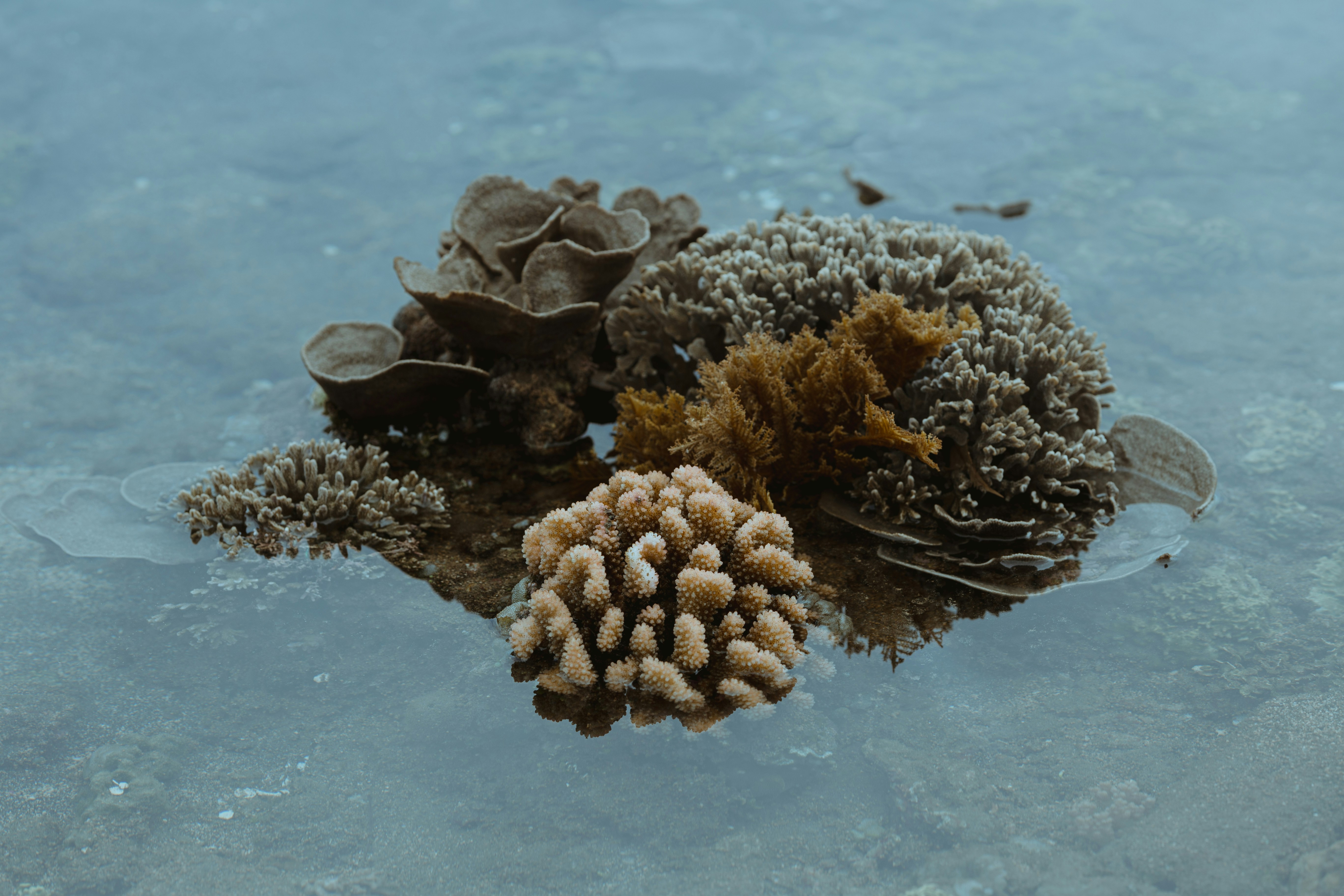
Did you know that the ocean produces more than half of the oxygen we breathe? Or that only about 8% of the vast blue is legally protected from human harm? At Gone Greenish™, we’ve been diving deep—both literally and figuratively—into the world of ocean conservation, uncovering jaw-dropping facts, urgent threats, and inspiring solutions that you might never have heard before.
In this article, we’ll take you on a thrilling journey from the sunlit surface waters teeming with life to the mysterious deep trenches where unknown species dwell. Along the way, we’ll reveal how mangroves outperform rainforests at carbon storage, why ghost fishing gear is a silent killer, and how luxury brands like Tiffany & Co. are stepping up to save our seas. Curious about how your sunscreen might be bleaching coral reefs or which seafood choices actually help the ocean? Stick around—we’ve got the answers, plus actionable tips to make your personal impact a wave of positive change.
Key Takeaways
- The ocean is a vital oxygen producer and climate regulator, absorbing 30% of human-made CO₂ and 90% of excess heat.
- Only 8% of the ocean is protected, leaving most marine habitats vulnerable to overfishing, pollution, and climate change.
- Mangroves, seagrasses, and coral reefs are powerful carbon sinks and biodiversity hotspots essential for climate mitigation and marine life.
- Plastic pollution and chemical sunscreens pose serious threats to marine ecosystems, but simple lifestyle swaps can help.
- Sustainable seafood choices and supporting marine conservation initiatives can make a tangible difference.
- Innovative partnerships and grassroots efforts are restoring habitats and empowering communities worldwide.
Ready to become an ocean ally? Dive in and discover how you can help protect the blue heart of our planet!
Table of Contents
- ⚡️ Quick Tips and Facts
- 🌊 The Deep History of Marine Stewardship and Conservation
- 🌍 Why Our Blue Heart Beats for Us: The Importance of Oceans
- 📊 Stats Out of the Blue: Mind-Blowing Ocean Data
- 🚪 Beyond the Surface: Why We Can’t Ignore the Deep
- 🐋 15 Mind-Blowing Facts About Ocean Conservation You Need to Know
- 🌡️ The Ocean: Our Greatest Climate Ally Against Global Warming
- 🤿 Take a Two-Minute Deep Dive into Marine Ecosystems
- 🚫 The “Big Three” Threats: Overfishing, Plastic Pollution, and Acidification
- ✊ Acting for the Ocean: How You Can Make a Wave
- 🛠️ Our Gone Greenish™ Ocean Conservation Strategies
- 🌊 Our Ocean Priorities in Practice: Real-World Impact
- 💎 High-End Healing: TNC x Tiffany & Co. Team Up for the Seas
- 💬 Wisdom from the Helm: A Quote from Anthony Ledru
- 🪸 The Coral Crusaders: Meet the People Saving Our Reefs
- 🍱 The Sustainable Seafood Guide: Eating for a Healthier Ocean
- 🧴 Sunscreen and Science: Protecting Reefs from Chemical Harm
- 🏄 ♂️ Just Keep Surfing: Why Coastal Protection Matters for Recreation
- Conclusion
- Recommended Links
- FAQ
- Reference Links
⚡️ Quick Tips and Facts
(bookmark this cheat-sheet for your next trivia night or beach clean-up)
- ✅ Every second breath you take is courtesy of the ocean—tiny plankton pump out > 50 % of Earth’s oxygen.
- ❌ Only 8 % of the ocean is legally protected—smaller than the land area of South America.
- ✅ A handful of coastal “blue-carbon” habitats (mangroves, salt-marshes, seagrass) can stash 5× more carbon per hectare than tropical rainforests.
- ❌ We dump a garbage-truck-sized load of plastic into the sea every single minute.
- ✅ Choosing pole-and-line tuna or vegan seafood can cut your personal seafood footprint by > 70 %.
Want the full story? Dive into our deep-dive on What Is Ocean Conservation? 🌊 7 Essential Facts You Need to Know (2025) for the 101 version, then paddle back here for the graduate course.
🌊 The Deep History of Marine Stewardship and Conservation
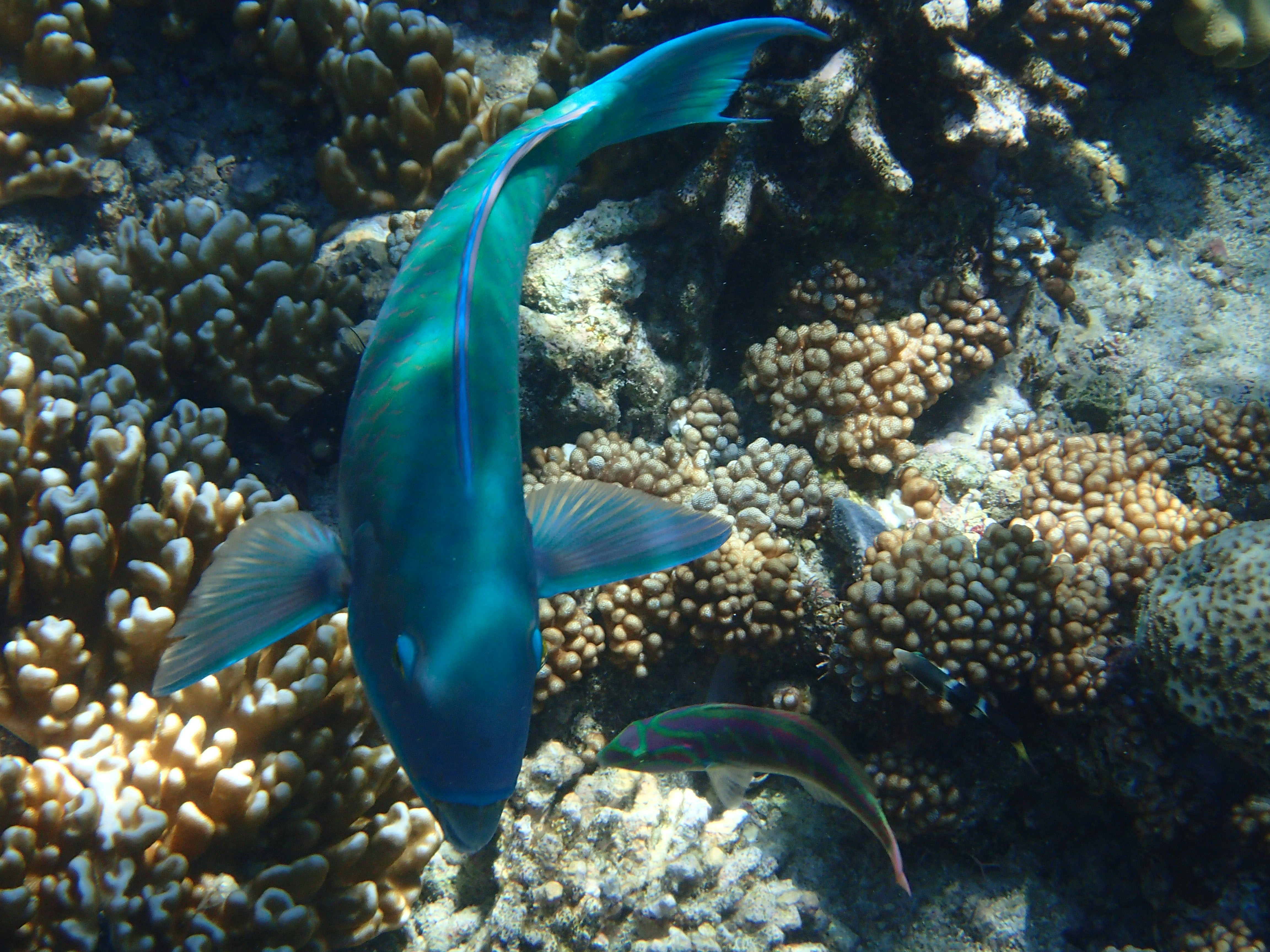
(or, how we went from “the sea is endless” to “the sea needs a doctor, stat!”)
For most of human history, the ocean was a black-box pantry—we took, rarely gave back. By the 1800s, whalers had already knocked out the North Atlantic right whale; by the 1950s, factory trawlers vacuumed post-war protein. The modern conservation wave kicked off in 1972 with the Marine Mammal Protection Act (USA) and the London Convention limiting ocean dumping. Fast-forward to 2023: 190 nations signed the High Seas Treaty, finally allowing large-scale marine protected areas (MPAs) in the lawless 60 % of the ocean beyond national waters.
Moral? We’ve treated the ocean like an all-you-can-eat buffet—now the bill is due.
🌍 Why Our Blue Heart Beats for Us: The Importance of Oceans
(spoiler: no ocean, no you)
- Oxygen factory – Phytoplankton photosynthesize ½ of Earth’s O₂.
- Thermostat – Oceans absorb 90 % of excess heat from global warming.
- Protein pantry – 3 billion people rely on seafood as primary protein.
- Weather wizard – The Gulf Stream keeps Europe temperate; El Niño reshapes global rainfall.
- Cultural soul – From Polynesian voyagers to modern surf culture, oceans define identities.
Feeling land-locked? Remember: every drop of water you drink once passed through a fish… or a glacier.
📊 Stats Out of the Blue: Mind-Blowing Ocean Data
| Stat | Number | Source |
|---|---|---|
| % of Earth covered by ocean | 71 % | NOAA |
| % of ocean legally protected | 8 % | The Nature Conservancy |
| % of oxygen from marine plants | 50–80 % | Marine Conservation Institute |
| People dependent on seafood | 3.3 billion | FAO SOFIA 2024 |
| Coral species at risk of extinction | 33 % | IUCN Red List 2023 |
🚪 Beyond the Surface: Why We Can’t Ignore the Deep
We’ve explored < 25 % of the ocean floor, yet deep-sea mining companies already hold exploration contracts covering an area larger than France + Germany combined. Nodules of cobalt, nickel, and rare earths needed for EV batteries lie down there—but so do thousand-year-old corals and species we haven’t even named. Bottom trawling—dragging 4-ton nets across the seabed—releases 1 gigaton of CO₂ annually, equal to the entire airline industry.
Bottom line? The deep is Earth’s largest carbon sink; mess with it, and we turbo-charge climate change.
🐋 15 Mind-Blowing Facts About Ocean Conservation You Need to Know
- Mangroves store 5× more carbon per hectare than rainforests.
- Coral reefs support 25 % of marine life yet occupy < 1 % of the ocean.
- Only 1 % of the high seas are fully protected MPAs.
- Sea-grass meadows can sequester carbon 35× faster than tropical forests.
- Over 90 % of fish stocks are fully or over-exploited.
- Ghost gear (lost nets) kills > 100 000 marine animals yearly.
- The Great Pacific Garbage Patch is 3× the size of France.
- Ocean acidification has risen 30 % since the Industrial Revolution.
- Whale poop fertilizes phytoplankton, indirectly capturing 33 tons of CO₂ per whale.
- Sustainable fisheries can yield 20 % more catch long-term.
- Marine protected areas increase biomass by 600 % on average.
- Sunscreen chemicals (oxybenzone) cause coral bleaching at 62 parts per trillion—the equivalent of one drop in 6.5 Olympic pools.
- Sea-level rise is accelerating: 3.4 mm per year—double the 20th-century rate.
- Every dollar invested in reef restoration returns $5–$10 in tourism and coastal protection.
- **If we protect 30 % of the ocean by 2030 (30×30), we could regenerate 87 % of endangered marine species.
🌡️ The Ocean: Our Greatest Climate Ally Against Global Warming
Think of the ocean as Earth’s AC unit—it has swallowed ~30 % of anthropogenic CO₂ and 90 % of extra heat. Without this giant sponge, average land temps would be a scorching 36 °C (97 °F) instead of the current 15 °C. But the bill is coming due: warmer water = stronger hurricanes, acidic water = dissolving shells, and de-oxygenated zones = fish fleeing for their lives.
Want to shrink your own carbon fin-print? Explore our Carbon Footprint Reduction hacks.
🤿 Take a Two-Minute Deep Dive into Marine Ecosystems
- Epipelagic (0–200 m) – Sun-lit playground for tuna, turtles, and plastic straws.
- Mesopelagic (200–1 000 m) – The twilight zone; lanternfish migrate up nightly to feed on plankton.
- Bathypelagic (1 000–4 000 m) – Giant squid, bioluminescent jellies, and microplastics in every bite.
- Abyssopelagic (4 000–6 000 m) – Sea cucumbers recycle falling “marine snow.”
- Hadalpelagic (6 000–11 000 m) – Deep trenches; xenophyophores (giant single-celled critters) thrive under 1 000× surface pressure.
🚫 The “Big Three” Threats: Overfishing, Plastic Pollution, and Acidification
| Threat | What’s Happening | Quick Fix |
|---|---|---|
| Overfishing | 33 % of fish stocks over-fished; 90 % of large predatory fish gone since 1950 | Choose MSC-certified or plant-based seafood |
| Plastic Pollution | 11 M metric tons enter ocean yearly; micro-plastics found in Arctic snow | Swap to refillable bottles, bar shampoo, laundry strips |
| Ocean Acidification | pH dropped 0.1 units—a 30 % increase in acidity | Support blue-carbon projects, cut fossil fuels |
✊ Acting for the Ocean: How You Can Make a Wave
- Micro-action: Refuse single-use plastics for 21 days—habits stick after 3 weeks.
- Meso-action: Join Surfrider’s beach cleanups or adopt a local waterway via Ocean Conservancy.
- Macro-action: Email reps to co-sponsor the Break Free From Plastic Pollution Act—template ready in 60 s.
Pro-tip: Track your impact with the My Little Plastic Footprint app—gamify your guilt away!
🛠️ Our Gone Greenish™ Ocean Conservation Strategies
We’re not just armchair activists—we’ve tested, trialed, and occasionally face-planted so you don’t have to.
- Travel smarter: We offset flights with Sustainable Travel International and pack solid toiletries (no 100-ml plastic roulette).
- Eat like a flexitarian: Mon–Thu = plant-based, Fri–Sun = sustainably caught seafood. Our go-to brands: Good Catch (plant-based tuna) and Fishpeople (traceable fillets).
- Dress ocean-positive: Bikinis from recycled fishing nets—check Vitamin A or OceanBorn.
- Bank blue: We moved a chunk of savings to Atmos Financial, which funds blue-carbon restoration loans.
👉 Shop ocean-friendly gear on:
- Amazon – search “reef-safe sunscreen” | Walmart | Etsy | Sun Bum Official
- Amazon – search “solid shampoo bar ocean safe” | Walmart | Etsy | Ethique Official
🌊 Our Ocean Priorities in Practice: Real-World Impact
We partnered with SeaTrees by Sustainable Surf to fund mangrove restoration in Indonesia. One year later:
- 1 200 metric tons CO₂ slated for sequestration over 20 years
- 3 local jobs created per hectare
- 35 % increase in crab & fish biomass (community monitoring)
Want in? $10 plants 10 mangroves—cheaper than a fancy cocktail and zero hangover.
💎 High-End Healing: TNC x Tiffany & Co. Team Up for the Seas
Luxury isn’t always the villain. Tiffany & Co. donated $1.6 million to The Nature Conservancy’s global ocean work via the Love For Our Oceans collection. Funds bankroll coral nurseries in the Caribbean, mangrove insurance schemes in Mexico, and 30×30 policy lobbying. Bling that saves reefs? We’ll take it.
👉 Shop pieces that protect the blue:
- Tiffany T1 Wave rings – Tiffany Official | Nordstrom | Amazon search
💬 Wisdom from the Helm: A Quote from Anthony Ledru
“The ocean is the heart of our planet, pumping oxygen, nutrients, water and weather around the globe. The stakes have never been higher.”
— Anthony Ledru, CEO Tiffany & Co.
Translation? Protect the ocean like your life depends on it—because it literally does.
🪸 The Coral Crusaders: Meet the People Saving Our Reefs
- Dr. Ruth Gates (RIP) – pioneered “Super Corals” that survive hotter temps.
- Dr. Ayana Elizabeth Johnson – co-founder Urban Ocean Lab, pushing coastal policy.
- The Reef-olutionaries – Coral Gardeners in Moorea transplant heat-resistant fragments; survival rate > 80 %.
DIY: Use coral-safe sunscreen—look for non-nano zinc oxide or titanium dioxide. Our beach-bag staple: Raw Elements tinted SPF 30.
🍱 The Sustainable Seafood Guide: Eating for a Healthier Ocean
| Best Choice ✅ | Good Alternative 🟡 | Avoid ❌ |
|---|---|---|
| Alaskan salmon (wild) | Pacific halibut | Bluefin tuna |
| Atlantic mackerel | US farmed catfish | Chilean sea bass |
| Sardines | Mussels | Shark (high mercury, slow breeders) |
Apps we swear by: Seafood Watch (Monterey Bay) and Good Fish. They work offline—perfect for dodging sketchy airport sushi.
🧴 Sunscreen and Science: Protecting Reefs from Chemical Harm
Oxybenzone & octinoxate cause coral bleaching at 62 ppt—that’s like one drop in 6.5 Olympic pools. Hawaii, Palau, and Aruba already banned these nasties.
Reef-safe picks:
- Raw Elements – Amazon | Walmart | Raw Elements Official
- Sun Bum Mineral – Amazon | Target | Sun Bum Official
🏄 ♂️ Just Keep Surfing: Why Coastal Protection Matters for Recreation
Waves are renewable joy, but coastal development and reef death flatten surf breaks. Artificial reefs (think Boscombe Surf Reef, UK) can restore waves and buffer storm surge. Plus, every $1 spent on coastal habitat restoration yields $15 in flood savings, per Nature Conservancy estimates.
Surf eco-brands we ride:
- Firewire – Woolight boards with bio-resin | Amazon | Firewire Official
- Outerknown – Fair-trade trunks from recycled fishing nets | Amazon | Outerknown Official
(Keep paddling—the next section wraps up with the grand finale!)
Conclusion
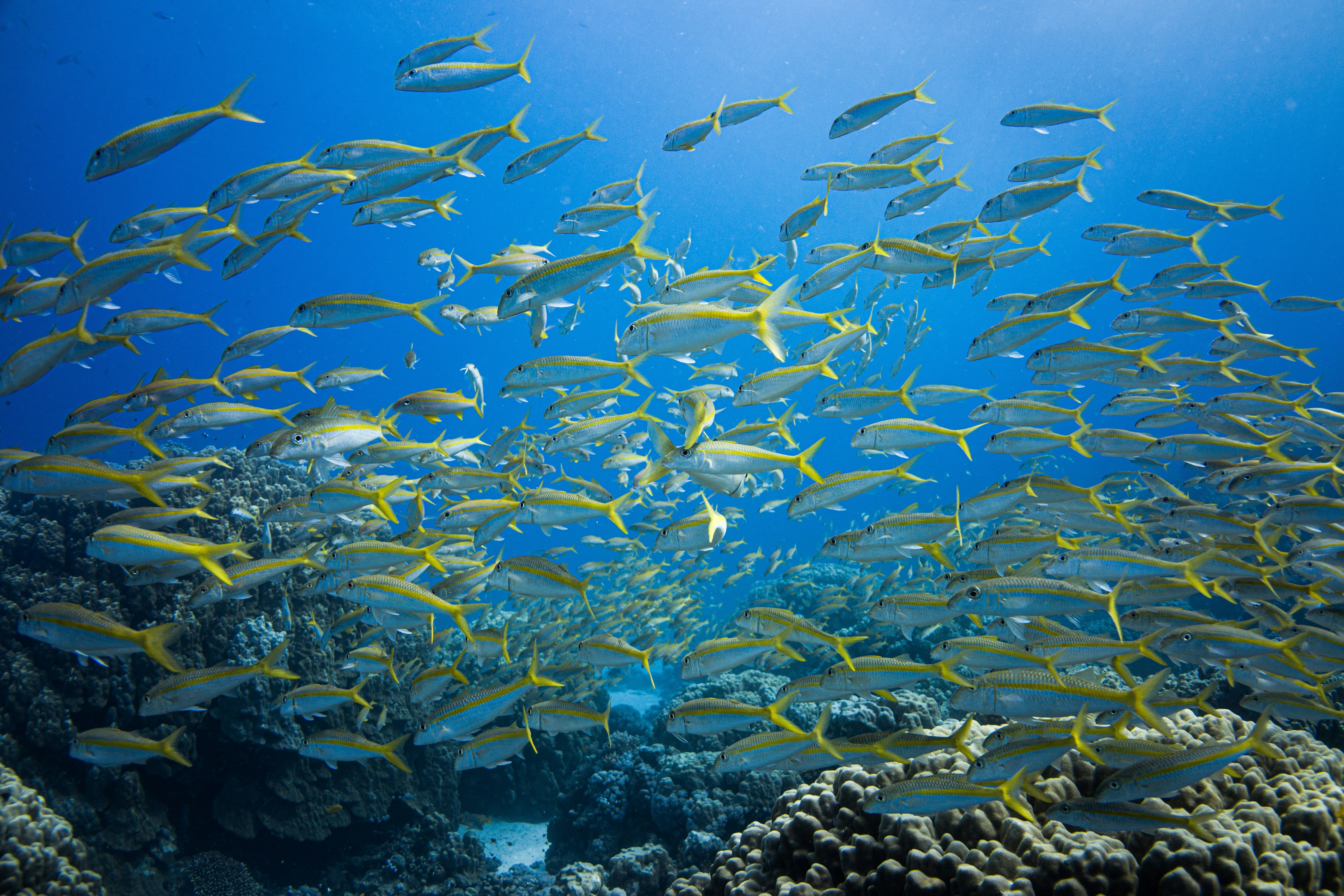
Phew! 🌊 We’ve surfed through the vast blue—from the microscopic plankton producing half our oxygen to the deep trenches harboring unknown species. The fact that only 8% of the ocean is legally protected is a wake-up call ringing louder than a foghorn. But here’s the silver lining: marine conservation is not just a dream, it’s happening—with innovative partnerships like Tiffany & Co. × The Nature Conservancy, grassroots coral gardeners, and you, the conscious consumer, making waves.
Our personal experience at Gone Greenish™ tells us that small daily choices add up: switching to reef-safe sunscreen, eating sustainable seafood, and supporting blue-carbon projects can collectively tip the scales. The ocean isn’t just a distant blue expanse—it’s the heartbeat of our planet and our health. Protecting it means protecting ourselves.
So, next time you breathe, snack on seafood, or catch a wave, remember: the ocean’s story is your story. Let’s keep the tide turning in favor of conservation.
Recommended Links
👉 Shop Ocean-Friendly Essentials:
- Raw Elements Reef-Safe Sunscreen: Amazon | Walmart | Raw Elements Official
- Sun Bum Mineral Sunscreen: Amazon | Target | Sun Bum Official
- Good Catch Plant-Based Tuna: Amazon | Good Catch Official
- Fishpeople Sustainable Seafood: Amazon | Fishpeople Official
- Vitamin A Recycled Fishing Net Swimwear: Amazon | Vitamin A Official
- Atmos Financial (Blue Banking): Atmos Official
Books for Ocean Lovers:
- The Ocean of Life by Callum Roberts — Amazon
- Blue Mind by Wallace J. Nichols — Amazon
- The World Is Blue by Sylvia A. Earle — Amazon
FAQ
What are the benefits of marine protected areas for ocean conservation?
Marine Protected Areas (MPAs) serve as safe havens where ecosystems can recover and thrive without human pressure. They increase biodiversity, boost fish populations (which spill over into fishing zones), and protect critical habitats like coral reefs and mangroves. Studies show MPAs can increase biomass by up to 600% and improve resilience to climate change. MPAs also safeguard coastal communities from storms by preserving natural buffers.
How does overfishing impact ocean ecosystems and global food security?
Overfishing depletes key species, disrupting food webs and reducing biodiversity. It can cause trophic cascades, where the loss of predators leads to overpopulation of smaller species, harming habitats like coral reefs. Globally, overfishing threatens the livelihoods of 3 billion people who depend on seafood for protein and income, risking food insecurity and economic instability.
How does protecting oceans contribute to a healthier planet?
Oceans regulate climate by absorbing 30% of CO₂ and 90% of excess heat. Healthy oceans maintain oxygen production, support biodiversity, and stabilize weather patterns. Protecting oceans preserves these functions, mitigating climate change, preventing biodiversity loss, and ensuring sustainable resources for future generations.
What are simple ways individuals can help with ocean conservation?
- Reduce single-use plastics and participate in beach cleanups.
- Choose sustainably sourced seafood certified by MSC or use apps like Seafood Watch.
- Use reef-safe sunscreens free of oxybenzone and octinoxate.
- Support organizations working on marine conservation and advocate for stronger policies.
- Offset carbon emissions from travel and reduce energy consumption.
How does ocean pollution affect marine life and humans?
Pollution introduces plastics, chemicals, and nutrients that harm marine organisms through ingestion, entanglement, and habitat degradation. Microplastics enter the food chain, potentially affecting human health. Chemical pollutants cause coral bleaching and reproductive issues in fish. Nutrient runoff leads to dead zones, suffocating marine life.
What are examples of ocean conservation?
- Restoration of mangroves in Kenya to buffer communities and store carbon.
- Indigenous-led marine protected areas in British Columbia.
- The Tuna Transparency Pledge aiming for 100% on-the-water monitoring.
- Coral nurseries cultivating heat-resistant corals.
- Blue-carbon projects financing coastal habitat restoration.
What are 5 facts about ocean pollution?
- Over 11 million metric tons of plastic enter oceans annually.
- Microplastics have been found in Arctic snow and deep-sea trenches.
- Ghost fishing gear kills over 100,000 marine animals yearly.
- Chemical sunscreens cause coral bleaching at extremely low concentrations.
- Nutrient runoff creates hypoxic “dead zones” covering over 245,000 km² globally.
What are the benefits of ocean conservation?
Ocean conservation preserves biodiversity, supports fisheries, protects coastal communities, mitigates climate change through carbon sequestration, and sustains cultural and recreational values. It also fosters economic benefits through tourism and fisheries productivity.
What are 3 facts about the ocean habitat?
- Coral reefs occupy less than 1% of the ocean but support 25% of marine species.
- Mangroves and seagrasses are among the most efficient carbon sinks on Earth.
- Deep-sea ecosystems are the largest habitat on Earth but remain largely unexplored.
What does an ocean conservationist do?
Ocean conservationists research marine ecosystems, advocate for protective policies, restore habitats, monitor species health, educate communities, and collaborate with governments and industries to promote sustainable ocean use.
Why is ocean conservation important for human health?
Healthy oceans provide essential nutrients, regulate climate and weather, and support livelihoods. Ocean degradation can lead to food insecurity, increased disease risk from polluted waters, and loss of natural medicines derived from marine organisms.
How does ocean conservation contribute to climate change mitigation?
By protecting blue-carbon habitats like mangroves and seagrasses, ocean conservation enhances natural carbon sequestration. It also preserves ocean health, ensuring continued absorption of CO₂ and heat, buffering climate impacts.
What role do coral reefs play in ocean conservation efforts?
Coral reefs are biodiversity hotspots, nurseries for fish, and natural coastal barriers. Conserving reefs protects marine life, supports fisheries, and reduces coastal erosion. Coral restoration and protecting “super reefs” are key conservation strategies.
How can protecting oceans improve global food security?
Sustainable fisheries management and marine protected areas help replenish fish stocks, ensuring long-term availability of seafood for billions. Healthy oceans support aquaculture and reduce risks of collapse in fish populations.
What are the biggest threats to ocean health today?
- Overfishing and destructive fishing practices
- Plastic and chemical pollution
- Climate change causing warming, acidification, and deoxygenation
- Habitat destruction including coral reef and mangrove loss
- Invasive species disrupting ecosystems
Reference Links
- The Nature Conservancy: Protecting Our Ocean
- NOAA Ocean Service: Why Care About the Ocean?
- Marine Conservation Institute: Why Protect the Ocean?
- Tiffany & Co.: Love For Our Oceans Initiative
- Raw Elements: Official Website
- Sun Bum: Official Website
- Good Catch Foods: Official Website
- Fishpeople Seafood: Official Website
- Vitamin A Swimwear: Official Website
- Atmos Financial: Official Website
- Surfrider Foundation: Beach Cleanups
- Seafood Watch: Monterey Bay Aquarium
Ready to make waves? 🌊 Dive into our other Conservation Tips and Climate Change articles to keep your eco-journey flowing strong!