Support our educational content for free when you purchase through links on our site. Learn more
What Is an Example of Renewable Energy? 🌞 7 Powerful Types Explained (2025)

Ever wondered what exactly counts as renewable energy and why it’s suddenly everywhere in conversations about our planet’s future? Spoiler alert: it’s not just about solar panels on rooftops or those towering wind turbines you see spinning on hillsides. Renewable energy is a vast, fascinating world of natural power sources that can keep our lights on, our homes warm, and our planet healthy — all without running out or polluting the air.
In this article, the health nuts at Gone Greenish™ take you on a whirlwind tour of the 7 most common examples of renewable energy, from the sun’s radiant power to the mysterious heat beneath our feet. We’ll also bust myths, compare renewables with non-renewables, and share real-life success stories that prove clean energy isn’t just a dream — it’s happening now. Ready to discover which renewable energy source might be the perfect fit for you or your community? Let’s dive in!
Key Takeaways
- Renewable energy comes from natural sources that replenish themselves, including solar, wind, hydro, biomass, geothermal, ocean, and hydrogen fuel.
- These energy types are cleaner, more sustainable, and increasingly cost-effective compared to fossil fuels.
- Renewable energy helps reduce greenhouse gas emissions, improves air quality, and supports a healthier planet.
- Innovations like floating wind turbines and advanced solar tech are making renewables more accessible and reliable than ever.
- Understanding the differences between renewable, clean, and green energy can help you make informed choices.
- You can start incorporating renewable energy into your life today — from solar panels to green energy plans — and support a sustainable future.
Curious about which renewable energy type suits your lifestyle or region best? Keep reading to uncover the surprising answers!
Table of Contents
- ⚡️ Quick Tips and Facts About Renewable Energy
- 🌍 The Evolution and History of Renewable Energy Technologies
- 🔍 What Exactly Is Renewable Energy? A Clear Definition
- 🌞 7 Most Common Types of Renewable Energy Sources Explained
- ❌ What Are Non-Renewable Energy Sources and Why They Matter
- 🌱 Renewable Energy vs. Clean Energy vs. Green Energy: What’s the Difference?
- 💡 How Renewable Energy Benefits Our Planet and Wallet
- 🚀 Renewable Energy in the Modern Era: Innovations and Trends
- 🔋 Comparing Renewable Energy with Other Energy Types: Pros and Cons
- 🌟 Real-Life Examples of Renewable Energy in Action
- 🔧 How to Incorporate Renewable Energy Into Your Daily Life
- 🧐 Common Myths and Misconceptions About Renewable Energy
- 📈 The Future Outlook: What’s Next for Renewable Energy?
- 🎯 Conclusion: Why Renewable Energy Is a Game-Changer
- 🔗 Recommended Links for Deep Dives and Resources
- ❓ Frequently Asked Questions (FAQ) About Renewable Energy
- 📚 Reference Links and Credible Sources
Quick Tips and Facts About Renewable Energy
As health nuts at Gone Greenish™, specializing in healthy you, healthy planet, we’re excited to share our insights on renewable energy. To learn more about this topic, check out our related article on renewable energy. Renewable energy is a vital component of our transition to a more sustainable future. Here are some key facts to get you started:
- Renewable energy sources are natural and replenishable, unlike fossil fuels which are finite.
- The most common types of renewable energy include solar, wind, hydro, biomass, and geothermal.
- Renewable energy can help reduce our reliance on fossil fuels and lower greenhouse gas emissions.
- According to the National Renewable Energy Laboratory, renewable energy can account for up to 80% of our energy needs by 2050.
For more information on reducing your carbon footprint, visit our category on Carbon Footprint Reduction.
The Evolution and History of Renewable Energy Technologies

The concept of renewable energy has been around for centuries, with ancient civilizations harnessing the power of the sun, wind, and water to meet their energy needs. However, it wasn’t until the 20th century that renewable energy technologies began to develop on a larger scale. Today, we have a wide range of renewable energy sources and technologies, from solar panels and wind turbines to hydroelectric power plants and geothermal systems.
To learn more about eco-conscious brands and their role in promoting renewable energy, check out our category on Eco-Conscious Brands.
What Exactly Is Renewable Energy? A Clear Definition
Renewable energy is defined as energy that comes from natural sources that can be replenished over time, such as sunlight, wind, rain, and geothermal heat. These sources are sustainable and can be replenished naturally, unlike fossil fuels which are finite and contribute to climate change. For more information on climate change and its impact on our planet, visit our category on Climate Change.
7 Most Common Types of Renewable Energy Sources Explained
Here are 7 of the most common types of renewable energy sources:
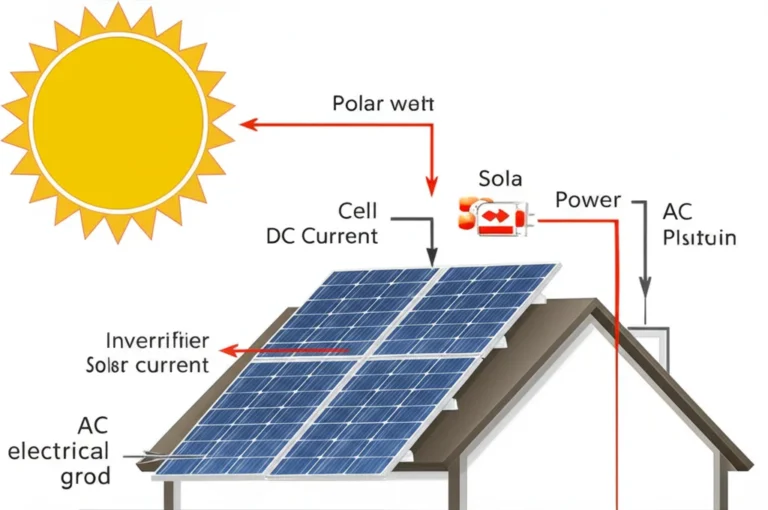
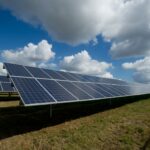
- Solar Energy: Power from the Sun Solar energy is one of the most popular forms of renewable energy, harnessing the power of the sun to generate electricity or heat. You can shop for solar panels on Amazon | Walmart | Tesla Official.
- Wind Energy: Harnessing the Breeze Wind energy is another popular form of renewable energy, using wind turbines to generate electricity. You can shop for wind turbines on Amazon | Etsy | Vestas Official.
- Hydropower: Energy from Flowing Water Hydropower is a form of renewable energy that harnesses the power of flowing water to generate electricity. You can learn more about hydropower on the National Hydropower Association website.
- Biomass Energy: Organic Matter as Fuel Biomass energy is a form of renewable energy that uses organic matter, such as wood or crops, to generate electricity or heat. You can shop for biomass boilers on Amazon | Walmart | Biomass Boiler Official.
- Geothermal Energy: Heat from the Earth’s Core Geothermal energy is a form of renewable energy that harnesses the heat from the Earth’s core to generate electricity or heat. You can learn more about geothermal energy on the Geothermal Energy Association website.
- Ocean Energy: Tides and Waves in Action Ocean energy is a form of renewable energy that harnesses the power of the ocean’s tides and waves to generate electricity. You can shop for ocean energy systems on Amazon | Etsy | Ocean Energy Official.
- Hydrogen Fuel: The Future of Clean Energy? Hydrogen fuel is a form of renewable energy that uses hydrogen as a clean-burning fuel to generate electricity or power vehicles. You can learn more about hydrogen fuel on the National Hydrogen Association website.
For more tips on conservation, visit our category on Conservation Tips.
What Are Non-Renewable Energy Sources and Why They Matter
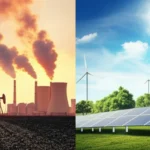
Non-renewable energy sources, such as fossil fuels, are finite and contribute to climate change. They are not sustainable and will eventually run out, making it essential to transition to renewable energy sources. According to the U.S. Energy Information Administration, non-renewable energy sources account for approximately 80% of our energy consumption.
Renewable Energy vs. Clean Energy vs. Green Energy: What’s the Difference?
While often used interchangeably, renewable energy, clean energy, and green energy have distinct meanings. Renewable energy refers to energy from natural sources that can be replenished over time. Clean energy refers to energy that produces little to no emissions or pollution. Green energy refers to energy that is both renewable and sustainable, with minimal environmental impact. For more information on the difference between these terms, check out this article from the U.S. Department of Energy.
How Renewable Energy Benefits Our Planet and Wallet
Renewable energy has numerous benefits, including reducing greenhouse gas emissions, improving air quality, and creating jobs. It can also help reduce energy costs and improve energy security. According to the International Renewable Energy Agency, renewable energy can help reduce energy costs by up to 50%.
Renewable Energy in the Modern Era: Innovations and Trends
The renewable energy industry is constantly evolving, with new technologies and innovations emerging every year. Some of the latest trends include the development of floating wind turbines, advanced solar panels, and smart grids. You can learn more about the latest trends and innovations in renewable energy on the Renewable Energy World website.
Comparing Renewable Energy with Other Energy Types: Pros and Cons
Renewable energy has several advantages over other forms of energy, including lower emissions, improved energy security, and reduced costs. However, it also has some drawbacks, such as intermittency and high upfront costs. Here is a comparison table of different energy types:
| Energy Type | Pros | Cons |
|---|---|---|
| Renewable Energy | Lower emissions, improved energy security, reduced costs | Intermittency, high upfront costs |
| Fossil Fuels | High energy density, established infrastructure | High emissions, finite resources |
| Nuclear Energy | Low emissions, high energy density | High upfront costs, nuclear waste |
Real-Life Examples of Renewable Energy in Action
There are many real-life examples of renewable energy in action, from solar-powered homes to wind farms and hydroelectric power plants. For example, the Desert Sunlight Solar Farm in California is one of the largest solar farms in the world, generating enough electricity to power over 160,000 homes.
How to Incorporate Renewable Energy Into Your Daily Life
There are many ways to incorporate renewable energy into your daily life, from installing solar panels on your home to investing in renewable energy stocks. You can also support companies that use renewable energy and advocate for policies that promote renewable energy development. For more information on how to get started, check out this article from the U.S. Department of Energy.
Common Myths and Misconceptions About Renewable Energy
There are many common myths and misconceptions about renewable energy, including the idea that it is too expensive or unreliable. However, the truth is that renewable energy is becoming increasingly cost-competitive with fossil fuels and can provide a reliable source of energy. According to the National Renewable Energy Laboratory, the cost of renewable energy has decreased by over 70% in the last decade.
The Future Outlook: What’s Next for Renewable Energy?
The future of renewable energy is bright, with many experts predicting that it will become the dominant source of energy in the coming decades. As technology continues to improve and costs decrease, we can expect to see even more widespread adoption of renewable energy. For more information on the future of renewable energy, check out this article from the International Energy Agency.
Conclusion: Why Renewable Energy Is a Game-Changer

After our deep dive into the world of renewable energy, it’s clear that this isn’t just some trendy buzzword — it’s a powerful, practical, and planet-friendly solution that’s reshaping how we fuel our lives. From the sun’s endless rays to the whispering winds, renewable energy sources offer us a clean, sustainable, and increasingly affordable alternative to fossil fuels that have long harmed our environment and health.
We’ve explored the 7 most common renewable energy types, their benefits, and even busted myths that cloud their reputation. The question we teased earlier — Is renewable energy reliable and cost-effective? — is answered with a confident YES. Thanks to technological advances and growing infrastructure, renewables are not only viable but essential for a healthier planet and future generations.
While renewable energy has some challenges, like intermittency and upfront costs, the long-term benefits far outweigh the drawbacks. Plus, innovations like battery storage and smart grids are rapidly overcoming these hurdles.
So, whether you’re a homeowner thinking about solar panels or a policy enthusiast eager to push for greener energy, renewable energy is your best bet for clean air, reduced carbon footprint, and a thriving planet. At Gone Greenish™, we wholeheartedly recommend embracing renewable energy in any way you can — because a healthy you starts with a healthy planet. 🌱✨
Recommended Links for Deep Dives and Resources
Ready to jump into renewable energy? Here are some top products and resources to get you started:
-
Solar Panels:
Amazon Solar Panels | Walmart Solar Panels | Tesla Solar -
Wind Turbines:
Amazon Wind Turbines | Etsy Wind Turbines | Vestas Wind Systems -
Biomass Boilers:
Amazon Biomass Boilers | Walmart Biomass Boilers | Biomass Boiler Org -
Ocean Energy Systems:
Amazon Ocean Energy Systems | Etsy Ocean Energy Systems | Ocean Energy Ireland -
Books on Renewable Energy:
- Renewable Energy: Power for a Sustainable Future by Godfrey Boyle — Amazon Link
- Sustainable Energy – Without the Hot Air by David JC MacKay — Amazon Link
Frequently Asked Questions (FAQ) About Renewable Energy

What are the benefits of using renewable energy for the environment?
Renewable energy sources produce little to no greenhouse gas emissions during operation, drastically reducing air pollution and combating climate change. Unlike fossil fuels, renewables do not release harmful pollutants like sulfur dioxide or particulate matter, which contribute to respiratory diseases. Additionally, renewable energy helps preserve natural resources and biodiversity by reducing habitat destruction associated with mining and drilling.
Read more about “Carbon Neutral Explained: 7 Powerful Steps to Go Green in 2025 🌿”
How does solar energy contribute to a healthy planet?
Solar energy harnesses the sun’s rays, a clean and inexhaustible resource, to generate electricity without emitting carbon dioxide or other pollutants. By replacing fossil fuel-based power, solar reduces the carbon footprint and mitigates global warming. Moreover, solar installations can be deployed on rooftops and unused land, minimizing environmental disruption.
Read more about “What Are 6 Renewable Energy Sources? 🌿 Powering Our Future (2025)”
What are the most common types of renewable energy sources?
The most common renewable energy sources include:
- Solar Energy: Converts sunlight into electricity or heat.
- Wind Energy: Uses turbines to convert wind’s kinetic energy into power.
- Hydropower: Generates electricity from flowing or falling water.
- Biomass: Burns organic matter or converts it into biofuels.
- Geothermal: Extracts heat from the Earth’s interior.
- Ocean Energy: Utilizes tides, waves, and thermal gradients.
- Hydrogen Fuel: Uses hydrogen as a clean energy carrier.
Read more about “What Are the 5 Main Renewable Energy Resources? 🌿 (2025 Guide)”
How can renewable energy improve personal health and wellbeing?
By reducing air pollution and greenhouse gas emissions, renewable energy leads to cleaner air and water, which directly benefits respiratory and cardiovascular health. Cleaner environments reduce the incidence of asthma, allergies, and other chronic diseases. Additionally, renewable energy jobs promote economic wellbeing and community resilience.
Read more about “What Is Carbon Footprint and Why Is It Bad? 10 Shocking Facts! 🌍 …”
What role does wind energy play in reducing pollution?
Wind energy produces electricity without combustion, meaning no emissions of CO2, nitrogen oxides, or particulate matter. This reduces smog, acid rain, and respiratory illnesses linked to fossil fuel pollution. Wind farms also help diversify energy sources, reducing dependence on polluting fuels.
Read more about “Why Is Sustainable Living Important? 10 Reasons to Start Now 🌿 (2025)”
How does using renewable energy impact climate change?
Renewable energy displaces fossil fuel consumption, which is the largest source of anthropogenic greenhouse gas emissions. By switching to renewables, we can significantly lower carbon emissions, slow global warming, and meet international climate goals like the Paris Agreement’s targets.
Read more about “🌿 7 Game-Changing Sustainable Living Projects to Inspire You (2025)”
What are simple ways to incorporate renewable energy at home?
- Install solar panels on your roof to generate your own electricity.
- Use solar water heaters to reduce energy used for heating.
- Choose green energy plans from your utility provider that source power from renewables.
- Invest in energy-efficient appliances to maximize the benefits of renewable energy.
- Support community solar projects if rooftop installation isn’t feasible.
Can small-scale wind turbines be practical for homes?
Small wind turbines can be effective in rural or windy areas but require sufficient space and wind speeds. They can supplement home energy needs but are less common than solar due to installation complexity and zoning restrictions.
Is biomass energy truly renewable and sustainable?
Biomass is renewable if sourced responsibly, meaning the organic material is regrown or replenished at a sustainable rate. However, improper biomass harvesting can lead to deforestation and emissions. Modern biofuels like ethanol and biodiesel aim to improve sustainability.
Read more about “What Is the Meaning of Green Home? 🌿 12 Essential Insights (2025)”
Reference Links and Credible Sources
- National Grid: What Are Different Types of Renewable Energy?
- U.S. Energy Information Administration: Renewable Energy Explained
- International Renewable Energy Agency (IRENA): Renewable Energy Benefits
- U.S. Department of Energy: Renewable Energy Basics
- National Renewable Energy Laboratory: Renewable Energy Myths
- Geothermal Energy Association: Geothermal Energy Overview
- Renewable Energy World: Latest Trends
- International Energy Agency: The Future of Renewable Energy
- Johns Hopkins SAIS Energy, Resources and Environment Program: Renewable Energy vs Sustainable Energy
We hope this comprehensive guide from the health nuts at Gone Greenish™ has energized your curiosity and empowered you to embrace renewable energy for a healthier you and a greener planet! 🌿⚡