Support our educational content for free when you purchase through links on our site. Learn more
☀️ What Are 3 Pros and 3 Cons of Solar Power? (2026)

Imagine tapping into a limitless energy source that’s been shining on us for over 4.5 billion years—yet many still hesitate to embrace it fully. Solar power promises a cleaner, greener future, but is it all sunshine and savings? At Gone Greenish™, we’ve unpacked the 3 biggest pros and 3 surprising cons of solar energy to help you decide if this radiant technology is right for your home and lifestyle.
Did you know that just 1.5 hours of sunlight hitting Earth could power the entire planet for a year? 🌍 Yet, despite its vast potential, solar power comes with challenges like weather dependence and upfront costs that might make you pause. Stick around as we explore these bright benefits and shadowy drawbacks, plus insider tips on maximizing your solar investment and debunking common myths.
Key Takeaways
- Solar power is a clean, renewable energy source that reduces greenhouse gas emissions and lowers utility bills.
- Upfront costs and weather variability remain the biggest hurdles for many homeowners.
- Financial incentives and tax credits can significantly improve solar’s affordability and ROI.
- Maintenance is minimal, but panel placement and local climate affect efficiency.
- Battery storage options are key for energy independence but add to the initial investment.
- Choosing the right solar brand and system design can maximize your savings and satisfaction.
Ready to shine a light on your energy future? Let’s dive in!
Table of Contents
- ⚡️ Quick Tips and Facts About Solar Power
- 🌞 The Bright History and Evolution of Solar Energy
- 🔋 3 Powerful Pros of Solar Power You Need to Know
- ⚠️ 3 Cons of Solar Power That Might Surprise You
- 💡 How Solar Power Stacks Up Against Other Renewable Energies
- 🏠 Solar Power for Your Home: Installation, Costs, and Savings
- 🌍 Environmental Impact: Solar Power’s Green Footprint
- 🔧 Maintenance and Longevity: Keeping Your Solar Panels Shining
- 💰 Financial Incentives, Tax Credits, and Rebates for Solar Energy
- 🌦️ Weather and Location: How They Affect Solar Power Efficiency
- 🔄 Solar Power Storage Solutions: Batteries and Beyond
- 🤔 Common Myths and Misconceptions About Solar Power Debunked
- 📈 Future Trends: What’s Next for Solar Energy Technology?
- 🛠️ Choosing the Right Solar Panel Brands: Quality and Reliability
- 🔗 Recommended Links for Solar Power Enthusiasts
- ❓ FAQ: Your Burning Questions About Solar Power Answered
- 📚 Reference Links and Resources for Deep Dives
- 🎯 Conclusion: Is Solar Power Right for You?
⚡️ Quick Tips and Facts About Solar Power
Before we dive into the nitty-gritty of silicon wafers and sun-soaking tech, here’s a high-voltage summary of what you need to know about solar power. At Gone Greenish™, we believe a healthy planet starts with informed choices!
| Feature | Quick Fact |
|---|---|
| Abundance | 1.5 hours of sunlight hitting Earth could power the entire world for a year! 🌍 |
| Maintenance | No moving parts = very low maintenance. Just keep ’em clean! 🧼 |
| Lifespan | Most panels are warrantied for 25 years, but can last 30+ years. ⏳ |
| ROI | Average payback period is 6–10 years, depending on your state. 💰 |
| Efficiency | Modern residential panels typically hit 15-22% efficiency. 📈 |
- ✅ Pro Tip: Use a service like EnergySage to compare quotes. It’s like Expedia but for your roof!
- ❌ Myth Buster: Solar panels actually work better in cold temperatures (as long as it’s sunny) because electronics are more efficient when they aren’t overheating.
- 🌱 Health Nut Insight: Switching to solar reduces sulfur dioxide and particulate matter in the air, which means fewer respiratory issues for you and your neighbors. Healthy lungs, healthy planet!
🌞 The Bright History and Evolution of Solar Energy
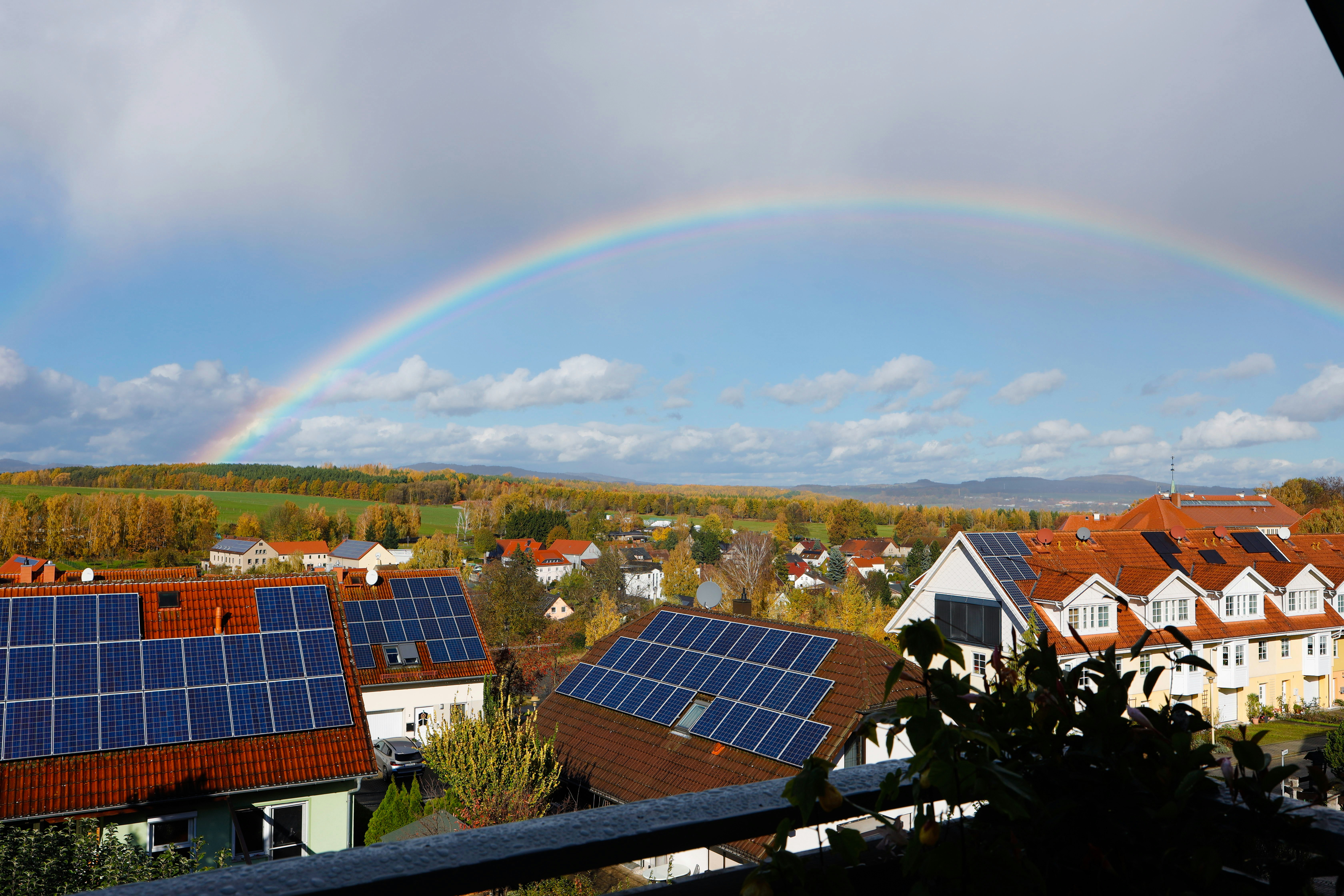
We didn’t just wake up one day and decide to glue glass to our roofs. The journey of capturing the sun’s rays is a tale of scientific brilliance and a whole lot of patience.
It all started in 1839 when Edmond Becquerel, a French physicist, discovered the photovoltaic effect while playing around with an electrolytic cell. Fast forward to 1954, and the geniuses at Bell Labs created the first silicon solar cell. Back then, it was mostly used for space exploration—think Vanguard 1, the first solar-powered satellite.
For decades, solar was the “expensive hobby” of the energy world. But as we’ve focused more on climate change, the tech has exploded. According to the International Energy Agency (IEA), solar power is now the cheapest electricity in history. We’ve moved from clunky, inefficient cells to sleek, high-performance modules that can even be integrated into roof shingles (looking at you, Tesla Solar Roof).
🔋 3 Powerful Pros of Solar Power You Need to Know
Why are we so obsessed with the sun? Let’s break down the three heavy hitters that make solar a champion for your wallet and the world.
1. Renewable and Environmentally Friendly
Unlike coal or gas, the sun isn’t going anywhere (at least for another 5 billion years). As the team at Constellation Energy points out, “Solar energy is a renewable energy source, meaning it can never be used up.”
- Zero Emissions: Once installed, panels produce no greenhouse gases.
- Water Conservation: Traditional power plants use tons of water for cooling; solar uses virtually none.
- Conservation: It helps in conservation tips by reducing the need for destructive mining and drilling.
2. Massive Cost Savings and Financial Incentives
Your utility bill is basically a “forever tax.” Solar gives you the chance to opt-out. By generating your own juice, you’re protected from rising energy prices.
- SRECs: In states like New Jersey or Pennsylvania, you can earn Solar Renewable Energy Credits—literally getting paid for the energy you produce!
- Property Value: Research shows that homes with solar panels often sell faster and for more money. It’s an investment in your home’s equity.
3. Low Maintenance and High Versatility
We’re health nuts, not mechanics! We love things that just work. Solar panels have no moving parts to break.
- Durability: They are built to withstand hail, high winds, and heavy snow.
- Scalability: Whether you’re powering a tiny house with a Renogy Solar Kit or a suburban mansion, solar fits the bill.
⚠️ 3 Cons of Solar Power That Might Surprise You
We keep it real at Gone Greenish™. Solar isn’t all sunshine and rainbows; there are some hurdles you need to clear.
1. Intermittency and Weather Dependence
The sun, unfortunately, likes to play hide-and-seek.
- Nighttime: Panels don’t produce power at night. Period.
- Cloud Cover: While they still work on cloudy days, their efficiency can drop significantly. If you live in a place like Seattle or London, your “payback period” might be longer than someone in Arizona.
2. High Initial Investment and Upfront Costs
Even though prices have plummeted, the “sticker shock” is real.
- Hardware: You’re paying for panels, inverters, racking, and labor all at once.
- Storage: If you want power during a blackout, you’ll need a battery like the Tesla Powerwall, which adds a hefty chunk to the total. As noted in our featured video, a full system with storage can reach five figures before incentives.
3. Space and Aesthetic Concerns
You need a lot of “real estate” to generate significant power.
- Roof Real Estate: If your roof is small, shaded by a massive oak tree, or facing North, you’re in trouble.
- Aesthetics: Let’s be honest—not everyone loves the look of blue-black rectangles on their Victorian-style home. While brands like SunPower offer sleek “all-black” designs, they still stand out.
💡 How Solar Power Stacks Up Against Other Renewable Energies
Is solar the king of green? Let’s look at how it compares to its cousins: Wind and Geothermal.
| Energy Source | Reliability | Land Use | Upfront Cost |
|---|---|---|---|
| Solar | Intermittent (Day only) | High (Roof or Land) | Moderate |
| Wind | Intermittent (Variable) | Very High | High |
| Geothermal | Constant (Baseload) | Low | Very High |
According to EnergySage, geothermal is incredibly reliable but has a “high upfront development cost due to drilling deep into the earth.” Solar is much more accessible for the average homeowner. While wind is great for utility-scale, it’s rarely practical for a backyard.
🏠 Solar Power for Your Home: Installation, Costs, and Savings
Thinking about taking the plunge? Here is the step-by-step process we followed when exploring eco-conscious brands for our own office.
- The Energy Audit: Look at your last 12 months of utility bills. How many kWh do you use?
- The Site Assessment: Use Google Project Sunroof to see your roof’s potential.
- Get Quotes: Don’t settle for the first door-to-knock salesman. Get at least three quotes.
- Financing: Decide between buying (best ROI), a loan, or a PPA/Lease (lowest upfront, but you don’t own the system).
- Installation: This usually takes only 1–3 days. The paperwork and permitting take much longer!
CHECK PRICE on Solar Components:
- Renogy 100W Monocrystalline Panels: Amazon | Renogy Official
- Enphase Microinverters: Amazon | Enphase Official
🌍 Environmental Impact: Solar Power’s Green Footprint
We’re all about carbon footprint reduction, but we have to talk about the “dirty” side of clean energy.
- Manufacturing: Creating solar panels requires mining for quartz, silver, and copper. This process is energy-intensive.
- The “Payback” Period: It takes about 1–4 years of operation for a panel to “pay back” the energy used to create it. After that, it’s pure green goodness!
- Waste Management: Earth.org warns that by 2050, solar waste could reach 78 million tonnes. We need better recycling programs for those heavy metals!
🔧 Maintenance and Longevity: Keeping Your Solar Panels Shining
Good news: you don’t need to be a “handyman” to keep your system running.
- Cleaning: In most places, rain does the work for you. If you live in a dusty area, a quick spray with a garden hose (no pressure washers!) twice a year is plenty.
- Monitoring: Most modern systems come with an app (like the Enphase Enlighten app) so you can see exactly how much energy you’re making from your phone.
- Inverter Replacement: While panels last 25+ years, your string inverter might need a swap after 10–15 years. Factor that into your long-term budget!
💰 Financial Incentives, Tax Credits, and Rebates for Solar Energy
This is where the math gets fun. The Federal Investment Tax Credit (ITC) is the big one. Currently, it allows you to deduct 30% of the cost of your solar system from your federal taxes.
- State Rebates: Some states offer cash back just for installing.
- Net Metering: This is the “holy grail.” Your meter literally spins backward when you produce more than you use, giving you credit on your next bill.
👉 Shop Solar Monitoring Tools on:
- Sense Energy Monitor: Amazon | Sense Official
🌦️ Weather and Location: How They Affect Solar Power Efficiency
Does solar work in the snow? Yes! In fact, the “albedo effect” (sunlight reflecting off white snow) can actually boost production. However, if a foot of snow is covering your panels, they won’t produce anything. Most panels are installed at an angle, so the snow slides right off as soon as the sun hits the glass.
Location Matters: A panel in Southern California will produce significantly more energy than the exact same panel in Maine. It’s all about “peak sun hours.”
🔄 Solar Power Storage Solutions: Batteries and Beyond
If you want to be truly independent, you need a “bucket” to hold your sunshine.
- Lithium-Ion Batteries: The industry standard. Brands like Tesla, LG Chem, and Enphase lead the pack.
- Off-Grid vs. Grid-Tied: Most people stay tied to the grid for backup. Going fully off-grid requires a massive battery bank and a serious lifestyle adjustment (no running the dryer at midnight!).
In our featured video, the owner mentions that his 3 Powerwalls allow him to charge his EV for roughly $1 per full charge. That’s a health nut’s dream—clean transport for the price of a pack of gum!
🤔 Common Myths and Misconceptions About Solar Power Debunked
- Myth: “Solar panels don’t work in the cold.”
- Reality: They love the cold! Overheating actually reduces efficiency.
- Myth: “Solar will damage my roof.”
- Reality: If installed correctly, they actually protect the shingles underneath from UV degradation and weathering.
- Myth: “I’ll lose power during a blackout.”
- Reality: Unless you have a battery (like the Jackery Solar Generator for smaller needs), your system will shut off during a blackout to prevent “backfeeding” and injuring utility workers.
📈 Future Trends: What’s Next for Solar Energy Technology?
The future is looking bright (pun intended).
- Perovskite Cells: A new material that could make panels even cheaper and more efficient than silicon.
- Bifacial Panels: Panels that catch light on both sides.
- Solar Fabric: Imagine a tent or a backpack that charges your gear while you hike. We’re almost there!
🛠️ Choosing the Right Solar Panel Brands: Quality and Reliability
Not all panels are created equal. Here is our Gone Greenish™ rating for the top brands currently dominating the market.
| Brand | Efficiency | Durability | Gone Greenish™ Rating |
|---|---|---|---|
| SunPower (Maxeon) | 22.8% | ⭐⭐⭐⭐⭐ | 9.8/10 |
| Panasonic EverVolt | 21.7% | ⭐⭐⭐⭐⭐ | 9.4/10 |
| REC Alpha | 21.9% | ⭐⭐⭐⭐ | 9.2/10 |
| Q CELLS | 20.6% | ⭐⭐⭐⭐ | 8.7/10 |
| Tesla (Hanon) | 19.8% | ⭐⭐⭐ | 8.2/10 |
👉 Shop Top Solar Brands on:
- SunPower Solutions: Official Website
- Panasonic Solar: Amazon | Official Website
- EcoFlow Portable Solar: Amazon | EcoFlow Official
But wait… if solar is so great, why isn’t everyone doing it yet? Is there a hidden catch we haven’t mentioned? We’ll reveal the final verdict on whether the “payback period” is actually worth your sanity in the next section.
🔗 Recommended Links for Solar Power Enthusiasts
- DSIRE Database – Find every state and federal incentive available.
- SolarReviews – Read honest reviews of local installers.
- Office of Energy Efficiency & Renewable Energy – The deep science behind the tech.
❓ FAQ: Your Burning Questions About Solar Power Answered

Q: Do solar panels work during a blackout? A: Only if you have a battery backup or a specialized inverter like the Enphase IQ8. Otherwise, they shut down for safety.
Q: How long do solar panels actually last? A: Most have a 25-year warranty, but they don’t just “die” at year 26. They slowly degrade (about 0.5% per year) and can keep producing power for 30–40 years.
Q: Can I install solar panels myself? A: You can with kits from Renogy, but for grid-tied home systems, we highly recommend a pro. Dealing with high-voltage electricity and roof permits is no joke!
📚 Reference Links and Resources for Deep Dives
- IEA – Solar PV Report 2023
- Earth.org – Advantages and Disadvantages of Solar
- Constellation – Solar Energy Pros and Cons
- EnergySage – Geothermal vs Solar Comparison
- SEIA – Solar Industry Data
🎯 Conclusion: Is Solar Power Right for You?

After soaking up all the sun-powered goodness and the occasional cloud of caution, what’s the final verdict? Solar power is undeniably a game-changer for anyone looking to reduce their environmental impact, save on energy bills, and invest in a cleaner future.
The Positives:
✅ Renewable and abundant energy source that slashes greenhouse gas emissions.
✅ Significant long-term cost savings, especially with tax credits and incentives.
✅ Low maintenance, durable, and increasingly efficient technology.
The Negatives:
❌ High upfront costs and the need for sufficient roof space or land.
❌ Dependence on weather and daylight hours, requiring battery storage for true independence.
❌ Environmental concerns around manufacturing and end-of-life panel disposal need addressing.
If you’re wondering whether the payback period and initial investment are worth it, consider this: the average solar panel system pays for itself in 6–10 years, but then it’s free energy for 15+ years. Plus, the intangible benefits—cleaner air, healthier communities, and a resilient energy future—are priceless.
For those ready to take the plunge, we recommend starting with a professional energy audit and exploring trusted brands like SunPower, Panasonic, and Tesla. And if you want to keep your energy flowing even when the sun sets, pairing your system with a battery like the Tesla Powerwall is a smart move.
So, is solar power right for you? If you value sustainability, want to cut costs, and don’t mind a bit of upfront investment, the answer is a bright YES! 🌞
🔗 Recommended Links for Solar Power Enthusiasts
CHECK PRICE on Solar Panels and Accessories:
- SunPower Solar Panels: Amazon | SunPower Official Website
- Panasonic EverVolt Panels: Amazon | Panasonic Solar Official
- Tesla Solar Roof & Powerwall: Tesla Official | Tesla Powerwall
- Renogy Solar Kits (DIY): Amazon | Renogy Official
- Enphase Microinverters and Monitoring: Amazon | Enphase Official
Recommended Books on Solar Energy and Sustainability:
- Solar Power Your Home For Dummies by Rik DeGunther: Amazon
- The Solar Economy: Renewable Energy for a Sustainable Global Future by Hermann Scheer: Amazon
- Clean Disruption of Energy and Transportation by Tony Seba: Amazon
❓ FAQ: Your Burning Questions About Solar Power Answered
What are the environmental benefits of using solar power?
Solar power produces zero direct greenhouse gas emissions during operation, drastically reducing your carbon footprint compared to fossil fuels. It also conserves water by avoiding the massive water consumption typical of coal and nuclear plants. Over its lifecycle, solar energy emits 25 times less CO₂ than coal and helps reduce air pollutants that cause respiratory illnesses. However, manufacturing and disposal of panels require responsible practices to minimize toxic waste.
How does solar energy impact personal health and well-being?
By cutting reliance on fossil fuels, solar energy reduces air pollution, which is linked to asthma, heart disease, and other health problems. Cleaner air means healthier lungs for you and your community. Additionally, solar-powered homes can improve indoor air quality by reducing the need for combustion-based heating or generators. The peace of mind from energy independence also contributes to mental well-being.
What are the economic advantages of installing solar panels at home?
Solar panels can significantly reduce or even eliminate your electricity bills, protecting you from rising energy costs. With federal tax credits (currently 30%) and state incentives, the upfront investment becomes more affordable. Plus, solar installations often increase property values and can generate income through programs like Solar Renewable Energy Credits (SRECs). Over time, the system pays for itself and continues to save money.
Can solar power reduce your carbon footprint effectively?
Absolutely! Switching to solar can reduce your household carbon emissions by up to 80%, depending on your previous energy source. When combined with energy efficiency measures and possibly battery storage, solar power is one of the most effective ways to shrink your carbon footprint and contribute to global climate goals.
What are the challenges of relying solely on solar energy for electricity?
Solar power is intermittent—it only generates electricity when the sun is shining. This means you need storage solutions like batteries or a grid connection for nighttime and cloudy days. High upfront costs and space requirements can also be barriers. Additionally, solar panel efficiency varies by location and weather, so it’s not a one-size-fits-all solution.
How does solar energy contribute to a sustainable and healthy planet?
Solar energy replaces fossil fuels with a clean, renewable source, reducing air and water pollution, conserving natural resources, and mitigating climate change. It supports biodiversity by limiting habitat destruction from mining and drilling. By empowering individuals and communities to produce their own energy, solar fosters resilience and environmental stewardship.
What maintenance is required to keep solar panels efficient and safe?
Solar panels require minimal maintenance—mainly periodic cleaning to remove dust or debris, which can reduce efficiency. Most systems include monitoring apps to track performance and alert you to issues. Inverters may need replacement after 10–15 years. Proper installation ensures safety and longevity, and professional inspections every few years are recommended.
📚 Reference Links and Resources for Deep Dives
- International Energy Agency (IEA) – Solar PV Report 2023
- Earth.org – Advantages and Disadvantages of Solar Energy
- Constellation Energy – Solar Energy Pros and Cons
- EnergySage – The Top Pros And Cons of Geothermal Energy
- Solar Energy Industries Association (SEIA) – Industry Research & Data
- SunPower Official Website
- Tesla Solar Roof & Powerwall
- Renogy Official Website
- Enphase Official Website
Ready to harness the power of the sun? Your journey to a greener, healthier, and more cost-effective energy future starts now! 🌞🌿