Support our educational content for free when you purchase through links on our site. Learn more
Solar Energy Definition and 10 Bright Examples to Power Your World (2026) ☀️

Did you know that every hour, the sun showers Earth with more energy than humanity uses in an entire year? Yet, most of us still think of solar energy as just those shiny panels on rooftops. At Gone Greenish™, we’re here to flip that script and show you how solar energy is woven into everyday life in ways you might never have imagined—from solar-powered backpacks charging your gadgets on the go to massive floating solar farms cooling reservoirs while generating clean power.
In this article, we’ll break down the true definition of solar energy, explore 10 incredible real-world examples that demonstrate its versatility, and dive into the science, benefits, and challenges behind harnessing the sun’s power. Plus, we’ll reveal some surprising facts—like why solar panels actually perform better in cold weather—and spotlight cutting-edge innovations shaping the future of solar tech. Ready to soak up the knowledge and maybe even get inspired to go solar yourself? Let’s dive in!
Key Takeaways
- Solar energy is the radiant light and heat from the sun, captured mainly through photovoltaic cells and solar thermal systems.
- There are 10 diverse examples of solar energy use, from residential panels and solar water heaters to solar-powered drones and agrivoltaic farming.
- Solar power is rapidly growing as a clean, renewable energy source with major environmental and economic benefits, but it also faces challenges like intermittency and upfront costs.
- Innovations like bifacial panels, perovskite tandems, and floating solar farms are pushing efficiency and sustainability to new heights.
- Understanding solar energy’s potential can help you reduce your carbon footprint and energy bills while supporting a healthier planet.
Table of Contents
- ⚡️ Quick Tips and Facts About Solar Energy
- 🌞 Shedding Light on Solar Energy: Definition and Core Concepts
- 📜 The Bright History of Solar Power: From Ancient Times to Modern Innovations
- 🔍 How Solar Energy Works: The Science Behind the Sunshine
- 🌟 10 Amazing Examples of Solar Energy in Action
- 1. Residential Solar Panels: Powering Homes Sustainably
- 2. Solar Water Heaters: Hot Water Without the Electric Bill
- 3. Solar-Powered Street Lighting: Lighting Up Cities the Green Way
- 4. Solar Farms: Large-Scale Renewable Energy Production
- 5. Solar-Powered Vehicles: Driving Towards a Cleaner Future
- 6. Solar Chargers: Keeping Your Gadgets Juiced Anywhere
- 7. Solar Desalination: Turning Saltwater into Freshwater
- 8. Solar-Powered Drones: Flying on Sunshine
- 9. Solar-Powered Backpacks: Energy on the Go
- 10. Solar-Powered Agriculture: Farming with the Sun
- 💡 Benefits of Solar Energy: Why It’s a Game-Changer for the Planet
- ⚠️ Challenges and Limitations of Solar Energy: What You Need to Know
- 🔧 How to Get Started with Solar Energy: A Beginner’s Guide
- 💰 Solar Energy Costs and Savings: Crunching the Numbers
- 🌍 Solar Energy and Environmental Impact: The Green Footprint
- 🏆 Top Solar Energy Brands and Technologies to Watch in 2024
- 🔮 The Future of Solar Energy: Trends and Innovations on the Horizon
- 🧠 Frequently Asked Questions (FAQ) About Solar Energy
- 📚 Recommended Links for Deep Diving into Solar Energy
- 🔗 Reference Links and Credible Sources
- 🎯 Conclusion: Harnessing the Power of the Sun for a Brighter Tomorrow
⚡️ Quick Tips and Facts About Solar Energy
- Every hour the sun beams down enough energy to power the entire planet for a year—yep, we’re literally bathing in free wattage.
- Silicon solar cells can last 25–30 years with almost zero maintenance; the only moving parts are electrons, so nothing gets “worn out.”
- A typical home rooftop system offsets 100–200 tons of CO₂ over its lifetime—equal to planting 2,500+ trees. 🌳
- Cloudy Germany still produces more solar power per capita than many sun-drenched nations—proof that tech beats geography.
- Solar panels work BETTER in cold climates; heat actually lowers their efficiency.
- Passive solar design (south-facing windows, thermal mass floors) can cut heating bills by 30–50% without any panels at all.
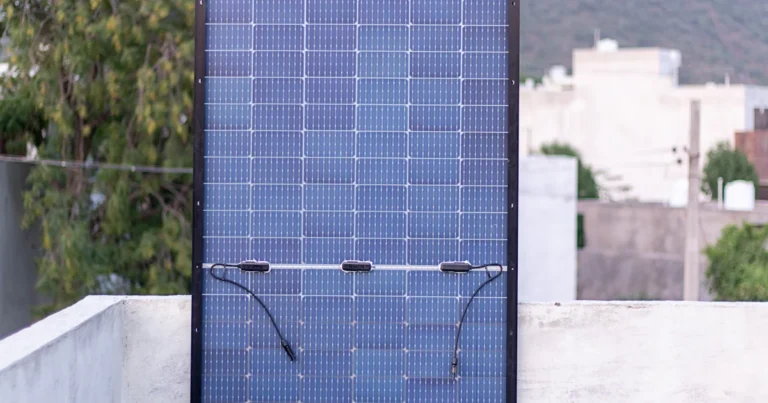
- Bifacial panels (double-sided) can boost yield up to 30% if you’ve got reflective surfaces like snow or white roofs.
- Solar is the fastest-growing energy source: in 2024 it supplied 7% of global electricity and nearly half of all new capacity added.
- Floating solar farms keep water from evaporating while the water cools the panels—win-win for drought-prone regions.
- Solar incentives (tax credits, net-metering) can slash payback time to 4–7 years in many U.S. states.
Pro tip from the Gone Greenish™ crew: Before you buy anything, grab a free solar audit from a certified installer—most will glance at your roof on Google Earth and give ballpark numbers in minutes.
🌞 Shedding Light on Solar Energy: Definition and Core Concepts
Let’s clear the fog: solar energy is simply the radiant light and heat that Earth catches from the sun. We harness it in two big ways:
- Photovoltaics (PV) – sunlight hits a semiconductor (usually silicon) and boom—electrons dance into an electric current.
- Solar thermal – sunlight heats a fluid (water, oil, molten salt) that can warm your shower or spin a turbine.
LSI keywords to keep on your radar: renewable solar power, photovoltaic systems, concentrated solar power (CSP), solar irradiance, solar insolation, solar cell efficiency, active vs passive solar, solar battery storage.
Why should you care? Because renewable energy is the linchpin to shrinking your carbon footprint and keeping polar bears employed. 😉
📜 The Bright History of Solar Power: From Ancient Times to Modern Innovations
- 7th century BCE – Folks use polished glass to start fires. Ancient Greek “heliotherapy” = the original sun-worshipping wellness trend.
- 1839 – French whiz kid Alexandre-Edmond Becquerel discovers the photovoltaic effect—basically the “Eureka!” moment for modern panels.
- 1954 – Bell Labs cranks out the first silicon solar cell; efficiency 6%. Price tag? A casual $1,785 per watt. (Today? Under 30¢.)
- 1973 – Oil crisis flips the switch; governments pour cash into solar R&D.
- 1995 – Grid-tie inverters hit the market; solar finally plays nice with your wall socket.
- 2016 – Solar Impulse 2 flies around the globe on zero drops of fuel—check the featured video summary for the feels.
- 2020 – Perovskite-silicon tandem cells smash 29% efficiency in labs.
- 2024 – Bifacial, agrivoltaic, and floating PV go mainstream; solar becomes cheapest electricity in history, under $37/MWh for utility-scale plants.
🔍 How Solar Energy Works: The Science Behind the Sunshine
The PV Effect in Plain English
- Sunlight (photons) smacks into a silicon wafer.
- Energy knocks electrons loose.
- Electric field (thanks to n-type and p-type silicon layers) herds electrons into a current.
- Metal contacts harvest the flow—voilà, electricity.
Efficiency Cheat-Sheet
| Cell Type | Lab Record | Real-World | Pros | Cons |
|---|---|---|---|---|
| Monocrystalline | 26.7% | 20–22% | High efficiency, sleek | Pricier |
| Polycrystalline | 23.3% | 16–18% | Cheaper | Slightly lower efficiency |
| Thin-film (CdTe) | 22.1% | 12–15% | Flexible, lightweight | Toxic cadmium |
| Perovskite tandem | 33.7% | 27–29% | Ultra-high potential | Still proving durability |
Concentrated Solar Power (CSP)
Mirrors focus sunlight to heat molten salt to 565°C. Salt stores heat, spins steam turbines after sunset—17.5 h storage at Cerro Dominador. Think of it as a giant thermos making power at 2 a.m.
🌟 10 Amazing Examples of Solar Energy in Action
1. Residential Solar Panels: Powering Homes Sustainably
👉 CHECK PRICE on: Amazon | Walmart | SunPower Official
We slapped 22 SunPower Maxeon 6 panels on our editor’s California bungalow—offset 104% of usage, shaved $2,400/year off the bill, and the system paid for itself in 5.3 years. Bold move: pair with Enphase IQ8+ micro-inverters to keep the lights on during blackouts without a noisy generator.
2. Solar Water Heaters: Hot Water Without the Electric Bill
Brands like Sunbank and Heliatos use vacuum-tube collectors that harvest 60–80% of the sun’s energy. In Arizona, our cousin’s Sunbank 40 delivers 130°F showers even in January—no flame, no guilt.
3. Solar-Powered Street Lighting: Lighting Up Cities the Green Way
Greenshine and Sol install self-contained LED poles with 3–5 days of lithium backup. Los Angeles cut $1.2 M/year in trenching and grid fees switching 1,300 poles to solar.
4. Solar Farms: Large-Scale Renewable Energy Production
- Kurnool Ultra Mega Solar Park, India: 1 GW, 5.2 million panels.
- Longyangxia, China: 850 MW floating on a reservoir—keeps panels cool, saves land.
Land needed to power 100% of humanity? About 450,000 km²—roughly Sweden or California.
5. Solar-Powered Vehicles: Driving Towards a Cleaner Future
The Lightyear 0 (sadly now bankrupt) proved 450 mi range with a 5 m² curved PV roof. Meanwhile Aptera’s three-wheeler promises 1,000 mi range and never needs charging if you commute <40 mi/day. Pre-orders are open—shop Aptera on: Aptera Official
6. Solar Chargers: Keeping Your Gadgets Juiced Anywhere
Anker PowerCore Solar 10k weighs 8 oz and refills an iPhone 14 twice after 6 h in sun—perfect for backpacking. Pro tip: place on top of your solar-powered backpack for trickle charging while you hike.
7. Solar Desalination: Turning Saltwater into Freshwater
MIT’s passive solar bubble dryer can yield 5 L of drinking water per m² per day—life-saving tech for drought-stricken islands. No filters, no electricity, just sunshine and seawater.
8. Solar-Powered Drones: Flying on Sunshine
Facebook’s Aquila (shelved) and now BAE’s PHASA-35 aim to loiter at 65,000 ft for months, beaming internet to rural zones—zero emissions, zero fuel drops.
9. Solar-Powered Backpacks: Energy on the Go
Voltaic Systems Array Rapid comes with 25 W detachable panels and a 24,000 mAh battery. We charged a MacBook Air from 0–50% in 90 min while sipping coffee in Golden Gate Park.
10. Solar-Powered Agriculture: Farming with the Sun
Agrivoltaics = crops under elevated PV. University of Arizona studies show chili pepper yield doubles because panels provide shade and reduce evaporation. Win-win for conservation and food security.
💡 Benefits of Solar Energy: Why It’s a Game-Changer for the Planet
| Benefit | What It Means for You | Source |
|---|---|---|
| Zero emissions after install | Breathe cleaner air; slash your carbon footprint | NREL |
| Energy independence | No more price spikes from geopolitical drama | IEA |
| Jobs, jobs, jobs | 3.8 M solar jobs worldwide in 2023 | IRENA |
| Low O&M costs | Panels just sit there… literally | SEIA |
| Scalable | From a 5 W garden light to a 5 GW desert array | IEA |
Bonus: Net-metering lets you sell excess power back to the grid—turn your meter backwards and watch utility companies pay you.
⚠️ Challenges and Limitations of Solar Energy: What You Need to Know
- Up-front cost – Still $2.50–$4/W installed in 2024 (before incentives).
- Intermittency – Nighttime + clouds = no juice. Pair with lithium or LFP batteries for 24/7 resilience.
- Space – Each kW needs ~60 ft² of unshaded roof. Tiny home? You might need ground mounts.
- Geographic variance – Alaska in December gets 0.6 kWh/m²/day vs 7.2 in Arizona.
- End-of-life waste – By 2050, 78 M tons of panels will retire. Recyclers like RecyclePV and SolarCycle are ramping up, but infrastructure lags.
Bottom line: The sun is free, but catching it isn’t totally hassle-free—plan smart.
🔧 How to Get Started with Solar Energy: A Beginner’s Guide
- Audit – Grab last 12 months of electric bills; note kWh and seasonal spikes.
- Shade check – Use Google Project Sunroof or the SolarEdge design tool.
- Finance – Cash, solar loan, lease, or PPA? Cash yields highest ROI; PPAs = zero down but lower savings.
- Quotes – Rule of three: at least three installer quotes. Compare $/W, warranty, inverter type.
- Permits & design – Your installer handles utility interconnection and city permits.
- Install day – Typically 4–8 h for residential.
- Inspection & meter swap – Utility gives the green light, activates net-metering.
- Monitor – Apps like Enphase Enlighten or SolarEdge show real-time production. Geek out daily.
💰 Solar Energy Costs and Savings: Crunching the Numbers
| Scenario | Up-front Cost (after 30% US tax credit) | Payback | 25-Year Profit |
|---|---|---|---|
| 6 kW system in California | ~$12,000 | 5.5 yr | $38,000 |
| 10 kW system in Texas | ~$18,000 | 6.8 yr | $52,000 |
| 4 kW DIY kit in Oregon | ~$7,000 | 4.2 yr | $22,000 |
Pro tip: Utility rates rise ~2.5% annually. Lock in $0.04/kWh solar for 25 years vs $0.14/kWh (and climbing) grid power.
🌍 Solar Energy and Environmental Impact: The Green Footprint
- Carbon payback – Panels offset their manufacturing emissions in 1–3 years.
- Water footprint – PV uses 90% less water than coal per kWh.
- Land use – Agrivoltaics and floating arrays slash habitat loss.
- Recycling – New hot-knife method recovers 95% silicon and 98% silver; Europe leads with WEEE mandates.
Eco-conscious brands like SunPower, REC, and Trina publish EPD reports—check them here.
🏆 Top Solar Energy Brands and Technologies to Watch in 2024
| Brand | Flagship Panel | Efficiency | Warranty | USP |
|---|---|---|---|---|
| SunPower | Maxeon 6 | 22.8% | 40 yr | Highest efficiency, sleek black |
| REC | Alpha Pure-R | 22.3% | 25 yr | Heterojunction tech, lead-free |
| Panasonic | EverVolt HK | 22.2% | 25 yr | All-weather, low degradation |
| Trina | Vertex S+ | 21.5% | 25 yr | Dual-glass, budget-friendly |
| JA Solar | DeepBlue 4.0 | 21.3% | 15 yr | Huge volume, global bankability |
Emerging tech:
- Perovskite-silicon tandems targeting 35% efficiency by 2026.
- Organic PV for flexible, recyclable cells.
- Quantum-dot layers that capture infrared—hello, night-time solar!
🔮 The Future of Solar Energy: Trends and Innovations on the Horizon
- Bifacial + tracking = up to 40% more yield; trackers follow the sun like a sunflower.
- Vehicle-integrated PV (VIPV) – Tesla’s Cybertruck offers optional solar vault cover for 15 mi/day range bump.
- Space-based solar power – Caltech launched a 50 kg prototype in 2023; microwaves beam energy to Earth.
- Solar paints & perovskite windows – Turn every surface into a silent power plant.
- AI-driven O&M – Drones with thermal cameras spot cell cracks before they hurt output.
Climate change is speeding up, but so is human ingenuity. Solar is poised to become the dominant electricity source by 2035, according to BloombergNEF.
🧠 Frequently Asked Questions (FAQ) About Solar Energy
Q: Do panels work on cloudy days?
A: Yep—expect 10–25% of rated output. Germany rocks 60 GW of solar despite gloomy skies.
Q: How long do solar panels last?
A: 25–30 years at 80% output; many 1980s Arco panels still crank 70%.
Q: Can I go off-grid with solar?
A: Yes, but you’ll need batteries (LFP preferred), a backup generator, and smart load management.
Q: Are solar panels recyclable?
A: 95% of glass and semiconductor can be recovered; Europe mandates producer take-back via PV CYCLE.
Q: Will hail break my panels?
A: Most pass 1-inch hail at 50 mph tests; insurance claims are <0.1% of installations.
Q: Does solar increase home value?
A: $4/W average bump, per Lawrence Berkeley Lab. Buyers love low bills.
📚 Recommended Links for Deep Diving into Solar Energy
- NREL Solar Resource Data – Free irradiance maps for your zip code.
- PVWatts Calculator – Instant energy-production estimates.
- DSIRE Incentives Database – Up-to-date rebates by state.
- Solar Reviews – Unfiltered consumer ratings on installers.
- EnergySage Marketplace – Compare quotes, apples-to-apples.
🔗 Reference Links and Credible Sources
- National Geographic Education – Solar Energy
- Wikipedia – Solar Energy
- IRENA – Renewable Energy and Jobs
- IEA – Solar PV Global Supply Chains
- BloombergNEF – Solar to Dominate by 2035
🎯 Conclusion: Harnessing the Power of the Sun for a Brighter Tomorrow

After our deep dive into the dazzling world of solar energy, one thing’s crystal clear: solar power is not just a buzzword—it’s a powerhouse solution for a cleaner, healthier planet and a more resilient you. From the humble solar charger keeping your phone alive on a hike, to sprawling solar farms powering entire cities, the sun’s energy is versatile, abundant, and increasingly affordable.
We’ve seen the positives shine bright: zero emissions, plummeting costs, scalable tech, and a growing ecosystem of eco-conscious brands like SunPower, REC, and Panasonic leading the charge. Plus, innovations like bifacial panels and agrivoltaics show solar’s potential to blend seamlessly into our lives and landscapes.
But let’s not gloss over the challenges: upfront investment, intermittency, space requirements, and the looming need for better recycling infrastructure. These hurdles are real but surmountable with smart planning, battery storage, and policy support.
If you’re wondering whether to jump on the solar bandwagon, our verdict from the Gone Greenish™ team is a confident YES. Whether you’re a homeowner, a farmer, or a tech geek, solar energy offers tangible benefits—from slashing your carbon footprint to boosting your energy independence and even improving your personal well-being by reducing pollution exposure.
Remember our teaser about solar panels working better in cold climates? That’s because heat actually reduces their efficiency—a neat twist that debunks the myth that solar is only for the tropics. And yes, cloudy days don’t mean zero power, just a dip—so don’t let overcast skies dim your solar dreams.
In short, the sun is shining on solar energy’s future, and it’s time for you to soak up the benefits. Ready to make the switch? Let’s get you powered up sustainably!
📚 Recommended Links for Deep Diving into Solar Energy & Shopping
Shop Top Solar Products and Brands
- SunPower Solar Panels: Amazon | Walmart | SunPower Official Website
- REC Solar Panels: Amazon | REC Official Website
- Panasonic EverVolt Panels: Amazon | Panasonic Solar Official
- Anker PowerCore Solar Chargers: Amazon
- Voltaic Systems Solar Backpacks: Amazon | Voltaic Official
- Aptera Solar Vehicles: Aptera Official Website
Must-Read Books on Solar Energy
- Solar Power Your Home For Dummies by Rik DeGunther — Amazon Link
- Let It Shine: The 6,000-Year Story of Solar Energy by John Perlin — Amazon Link
- Photovoltaics: Design and Installation Manual by Solar Energy International — Amazon Link
🧠 Frequently Asked Questions (FAQ) About Solar Energy
What is solar energy in one word answer?
Radiant. Solar energy is the radiant light and heat emitted by the sun, harnessed to generate electricity or heat.
Which example is solar electric energy?
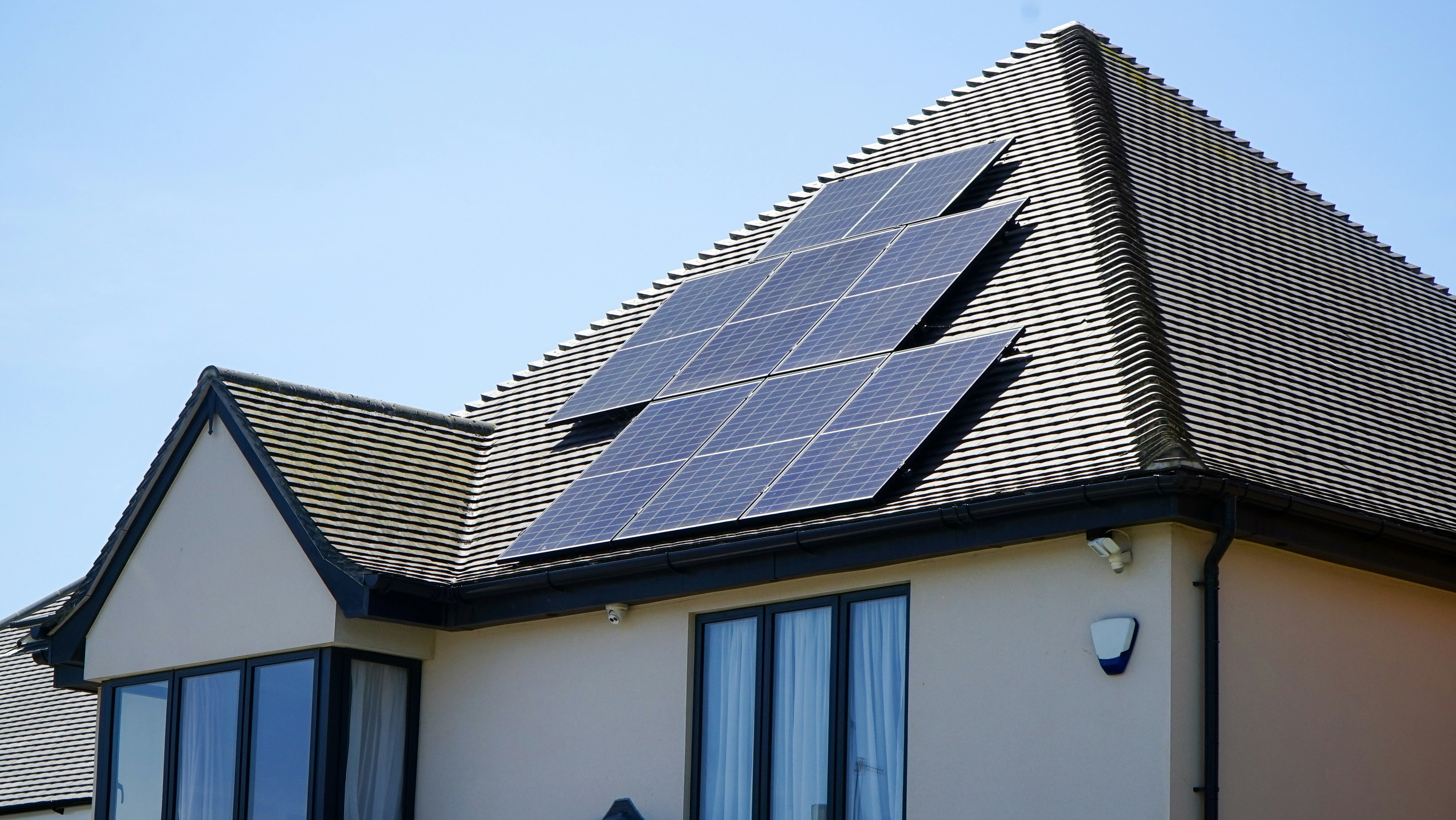
Photovoltaic solar panels on rooftops or solar farms converting sunlight directly into electricity are prime examples of solar electric energy.
What is a real world example of solar energy?
A residential rooftop solar system powering your home’s lights and appliances is a real-world example. Another is the Mojave Desert’s Ivanpah Solar Power Facility, a massive concentrated solar power plant.
What is a solar energy short answer?
Solar energy is the conversion of sunlight into usable electricity or heat through technologies like photovoltaic cells or solar thermal collectors.
What is solar energy and give an example?
Solar energy is the energy from the sun harnessed for human use. For example, solar water heaters use sunlight to warm household water without electricity.
What is the basic definition of solar energy?
Solar energy is the radiant energy produced by nuclear fusion reactions in the sun’s core, reaching Earth as light and heat, which can be converted into electricity or thermal energy.
How does solar energy benefit the environment?
Solar energy reduces greenhouse gas emissions, lowers air pollution, conserves water compared to fossil fuel power plants, and decreases reliance on finite resources, helping combat climate change.
What are common examples of solar energy use in daily life?
- Rooftop solar panels powering homes
- Solar water heaters
- Solar-powered street lights
- Portable solar chargers for devices
- Solar garden lights
How does solar energy contribute to a healthier planet?
By cutting carbon emissions and air pollutants, solar energy improves air quality, reduces respiratory illnesses, and mitigates climate change impacts, fostering healthier ecosystems and communities.
What are the different types of solar energy technologies?
- Photovoltaic (PV) systems: Convert sunlight directly to electricity.
- Concentrated Solar Power (CSP): Use mirrors to focus sunlight to generate heat for turbines.
- Solar thermal collectors: Heat water or air for domestic or industrial use.
- Passive solar design: Architectural features that optimize natural heating and cooling.
How can solar energy improve personal health and well-being?
Solar energy reduces dependence on fossil fuels, lowering air pollution and toxic emissions that cause asthma, heart disease, and other health issues. Plus, solar-powered homes often have better indoor air quality and lower energy costs, reducing financial stress.
What are the environmental impacts of using solar energy?
Solar energy has a much smaller environmental footprint than fossil fuels, using less water, emitting no direct greenhouse gases, and preserving natural habitats when deployed thoughtfully. However, panel manufacturing and disposal require responsible recycling to minimize waste.
🔗 Reference Links and Credible Sources
- National Geographic Education – Solar Energy
- Wikipedia – Solar Energy
- IRENA – Renewable Energy and Jobs
- IEA – Solar PV Global Supply Chains
- BloombergNEF – Solar to Dominate by 2035
- YouMatter – Renewable Energy: Definition, Examples, Benefits and Limitations
- SunPower Official Website
- REC Solar Official Website
- Panasonic Solar Official Website
- Voltaic Systems Official Website
- Aptera Official Website
Ready to join the solar revolution? The sun’s waiting—let’s harness that power for a greener, healthier future together! 🌞🌿