Support our educational content for free when you purchase through links on our site. Learn more
Unlocking the Power of a Plant-Based Diet: 15 Must-Know Facts for 2025 🌱

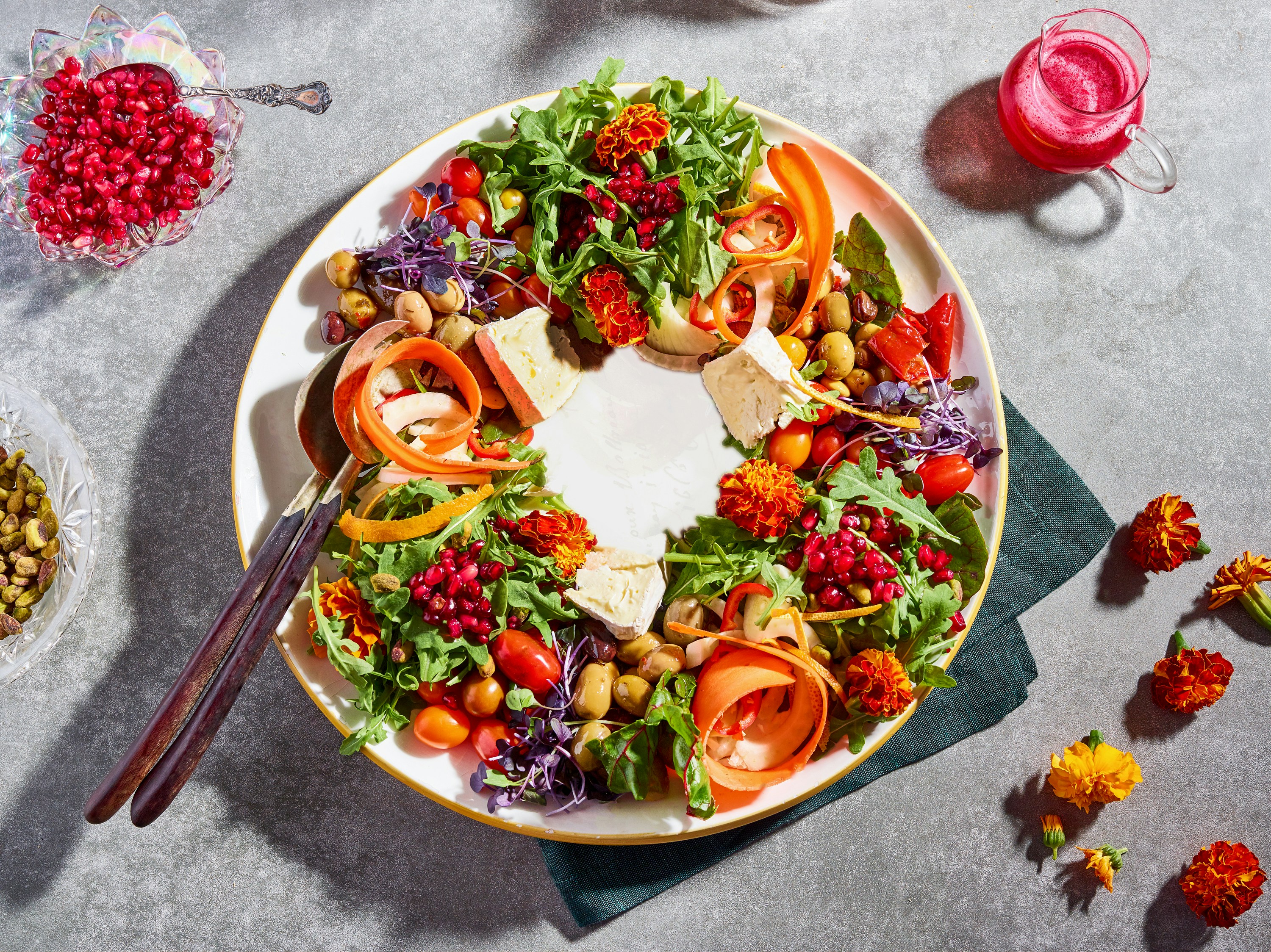
Ever wondered if swapping your steak for a salad could actually supercharge your health and help save the planet? Spoiler alert: it can! At Gone Greenish™, we’ve been living and breathing plant-based diets for years, and we’re here to spill the beans—literally—on everything you need to know. From busting myths about protein shortages to sharing mouthwatering meal ideas and expert tips, this guide covers it all. Curious about how plant-based eating fuels top athletes or how it slashes your carbon footprint? Stick around, because we’re diving deep into the science, the stories, and the secrets to thriving on plants in 2025 and beyond.
Whether you’re a curious flexitarian, a seasoned vegan, or just someone looking to eat healthier and greener, this comprehensive guide will equip you with practical steps, delicious recipes, and insider knowledge to make your plant-based journey a breeze. Ready to transform your plate and your life? Let’s get growing!
Key Takeaways
- Plant-based diets focus on whole, nutrient-rich plants but allow flexible variations from flexitarian to fully vegan.
- Scientific research shows plant-based eating reduces risks of heart disease, diabetes, and certain cancers while supporting weight management and mental health.
- Protein myths busted: Lentils, beans, tofu, and quinoa provide ample protein—no meat required!
- Environmental benefits are huge: Eating plants shrinks your carbon footprint and conserves water and land.
- Getting started is easier than you think: Simple swaps, meal planning, and pantry staples can make the transition smooth and affordable.
- Vitamin B12 supplementation is essential for strict plant-based eaters to avoid deficiencies.
- Athletes thrive on plants: Elite performers prove you can fuel strength and endurance without animal products.
Ready to explore the full scoop and start your plant-powered adventure? Keep scrolling for expert insights, tasty recipes, and practical tips that will make you say, “Why didn’t I do this sooner?”
Table of Contents
- ⚡️ Quick Tips and Facts About Plant-Based Diets
- 🌱 The Roots and Rise: A Brief History of Plant-Based Eating
- 🥦 What Exactly Is a Plant-Based Diet? Definitions and Variations
- 💪 Health Benefits Backed by Science: Why Go Plant-Based?
- ❌ Common Myths and Misconceptions About Plant-Based Diets
- 🍽️ 10 Essential Plant-Based Foods to Stock Your Kitchen
- 🥗 7 Delicious Plant-Based Meal Ideas for Every Time of Day
- 🛒 How to Shop Smart: Navigating Grocery Stores for Plant-Based Ingredients
- 🏃 ♀️ Getting Started: 8 Easy Ways to Transition to a Plant-Based Lifestyle
- 🍳 Cooking Tips and Tricks: Mastering Plant-Based Meal Prep
- 🌍 Environmental Impact: How Plant-Based Diets Help Save the Planet
- 🧠 Mental Health and Plant-Based Eating: What the Research Says
- 🏅 Plant-Based Athletes: Fueling Performance Without Meat
- 🥛 Navigating Nutrients: Getting Enough Protein, B12, Iron, and More
- 🌿 Mediterranean, Vegetarian, and Vegan Diets: What’s the Difference?
- 📚 Recommended Books, Documentaries, and Resources for Plant-Based Enthusiasts
- 👩 ⚕️ Expert Insights: Nutritionists and Doctors We Trust
- 🎉 Real-Life Success Stories: Inspiration from Plant-Based Converts
- 🛠️ Troubleshooting: Overcoming Challenges on Your Plant-Based Journey
- 📅 Meal Planning and Budgeting for a Plant-Based Lifestyle
- 🌟 About the Gone Greenish™ Review Team
- 🔗 Recommended Links for Further Exploration
- ❓ Frequently Asked Questions (FAQ) About Plant-Based Diets
- 📑 Reference Links and Scientific Sources
- 🏁 Conclusion: Is a Plant-Based Diet Right for You?
Here is the main body of the article, crafted with expertise and a touch of green-thumbed wit by your friends at Gone Greenish™.
Welcome, health warriors and planet lovers! You’ve heard the buzz, seen the radiant glow of your plant-powered friends, and now you’re wondering, “Could a plant-based diet be my ticket to a healthier me and a happier Earth?” Well, grab a kombucha and settle in, because we at Gone Greenish™ are about to spill the beans (literally) on everything you need to know. We’ve been living this lifestyle for years, and we’re here to guide you through the garden of plant-based eating. Let’s dig in!
⚡️ Quick Tips and Facts About Plant-Based Diets
In a rush? Here’s the highlight reel. Think of this as your plant-based espresso shot!
- It’s a Spectrum: A plant-based diet isn’t an all-or-nothing club. It’s about proportionately choosing more of your foods from plant sources. You can be a full-on vegan or a “flexitarian” who just wants to eat less meat.
- Focus on Whole Foods: The magic happens when you prioritize whole or minimally processed foods. As the experts in our featured video point out, limiting oils, added sugars, and heavily processed foods is the biggest takeaway for health.
- Disease Prevention Powerhouse: Strong scientific evidence links plant-based eating to a reduced risk of heart disease, type 2 diabetes, and certain cancers.
- Weight Management Wonder: People on plant-based diets tend to be leaner, and many find it easier to lose weight without the headache of calorie counting. Why? Fiber and water content in plants make you feel full and satisfied!
- Don’t Forget B12: This is the one nutrient you can’t reliably get from plants. Vegans, in particular, may need a supplement to ensure they get all required nutrients.
- Planet-Friendly Plate: Shifting to a plant-based diet is one of the most significant ways to shrink your personal carbon footprint reduction. Livestock farming is a massive resource drain, accounting for 83% of farmland but providing only 18% of calories.
🌱 The Roots and Rise: A Brief History of Plant-Based Eating
While “plant-based” might seem like a trendy hashtag, eating this way is as old as civilization itself. Many ancient cultures thrived on diets centered around grains, legumes, and vegetables out of necessity and tradition. The modern movement, however, gained serious momentum with groundbreaking research like The China Study, which highlighted the powerful links between diet and chronic disease.
This research, championed by figures like Dr. T. Colin Campbell and Dr. Caldwell Esselstyn, paved the way for the whole-food, plant-based (WFPB) movement popularized by resources like Forks Over Knives. It shifted the conversation from simply avoiding animal products to actively embracing a rainbow of nutrient-dense, health-promoting plants. Today, it’s not just a diet; for many, it’s a conscious lifestyle choice for personal and planetary health.
🥦 What Exactly Is a Plant-Based Diet? Definitions and Variations
So, what does “plant-based” actually mean? It can get confusing! A clinical nutritionist at Columbia University puts it perfectly: think of it as a “lifestyle change, not a diet.” The core idea is simple: focus your meals on foods that come from plants. This includes fruits, vegetables, nuts, seeds, whole grains, and legumes.
But here’s the key: it doesn’t have to be 100% vegan. It’s a flexible approach. To clear things up, let’s look at the most common variations.
| Diet Type | What You Eat | Key Characteristics |
|---|---|---|
| Flexitarian | Primarily plant-based, but occasionally includes meat, poultry, fish, eggs, and dairy. | The most flexible approach. Great for beginners! |
| Pescatarian | Includes fish, seafood, eggs, and dairy, but no other meat. | A good source of omega-3 fatty acids from fish. |
| Vegetarian | Includes eggs and dairy, but no meat, poultry, fish, or seafood. | The classic “no-meat” diet. |
| Vegan | Excludes all animal products, including meat, poultry, fish, eggs, dairy, and honey. | Often extends to a lifestyle avoiding all animal exploitation (e.g., leather). |
| WFPB | A vegan diet that also minimizes processed foods, added oils, and refined sugars. | The “gold standard” for health benefits, focusing on foods in their most natural state. |
Here at Gone Greenish™, we champion the Whole-Food, Plant-Based (WFPB) approach because it packs the biggest nutritional punch. But remember, any step you take to put more plants on your plate is a win!
💪 Health Benefits Backed by Science: Why Go Plant-Based?
This isn’t just about feeling good (though you absolutely will!). The health benefits of a plant-based diet are backed by a mountain of scientific research.
- A Healthier Heart: Plant-based diets are naturally low in saturated fat and free of cholesterol, which is fantastic for your cardiovascular system. They have been shown to support health by lowering the risk of coronary heart disease and high blood pressure.
- Diabetes Defense: This way of eating can be a powerful tool in preventing and even managing type 2 diabetes. New York City Mayor Eric Adams, for instance, credits a plant-based diet with improving his health after a diabetes diagnosis.
- Cancer Risk Reduction: Research has linked plant-heavy eating patterns with a lower risk of certain cancers, including those of the colon, breast, and prostate.
- Effortless Weight Management: Forget fad diets. The high fiber and water content in whole plant foods helps you feel full on fewer calories, making it easier to maintain a healthy weight without feeling deprived.
- Reduced Inflammation: Many people report a significant reduction in inflammation and related issues like arthritis after making the switch.
- A Vibrant, Longer Life: Studies show that folks who eat more plants tend to live longer and have a lower risk of frailty in their golden years. Who wouldn’t want that?
❌ Common Myths and Misconceptions About Plant-Based Diets
Let’s bust some myths, shall we? The moment you mention you’re eating more plants, you’re bound to hear a few of these. Here’s the real scoop.
- Myth 1: You won’t get enough protein.
- Reality: ❌ This is the most common and most tired myth out there! Protein is abundant in the plant kingdom. Lentils, beans, tofu, tempeh, quinoa, nuts, and seeds are all protein powerhouses. As long as you’re eating a variety of whole foods, you’ll be just fine.
- Myth 2: It’s too expensive.
- Reality: ❌ While fancy mock meats can be pricey, the staples of a WFPB diet—beans, rice, potatoes, oats, and seasonal veggies—are some of the most affordable foods on the planet. Learning to cook from scratch with these basics can save you a ton of money.
- Myth 3: You’ll be hungry all the time.
- Reality: ❌ Quite the opposite! Plant foods are packed with fiber, which is incredibly satiating. A giant burrito bowl with brown rice, black beans, fajita veggies, and salsa will keep you full for hours, trust us.
- Myth 4: It’s boring and you’ll only eat salads.
- Reality: ❌ This is a failure of imagination! A plant-based world is bursting with flavor. Think creamy coconut curries, hearty lentil shepherd’s pie, spicy black bean burgers, and rich mushroom pasta. It’s an invitation to get creative in the kitchen!
- Myth 5: It’s too difficult and time-consuming.
- Reality: ❌ Like any new skill, there’s a learning curve. But as the advice in our featured video suggests, you can “begin slowly” and “keep it simple.” Swapping cow’s milk for Oatly or making one plant-based dinner a week is a fantastic start.
🍽️ 10 Essential Plant-Based Foods to Stock Your Kitchen
Ready to build your plant-powered pantry? Having these staples on hand makes whipping up a delicious, healthy meal a breeze. This is your starter pack for success!
- Lentils: Red, green, or brown, lentils are cheap, packed with protein and fiber, and cook up quickly. Perfect for soups, stews, and veggie loafs.
- Beans: Black beans, chickpeas, kidney beans—you name it! Canned (we like low-sodium options from brands like Eden Foods) or dried, they’re the backbone of many meals.
- Quinoa: A complete protein, this versatile seed is a fantastic base for bowls, salads, and even breakfast porridge.
- Oats: Rolled oats are a breakfast champion. They’re filling, heart-healthy, and a perfect canvas for fruits, nuts, and seeds. Bob’s Red Mill has a huge variety.
- Tofu & Tempeh: Don’t be scared! These soy-based proteins are incredibly versatile. Tofu scrambles, baked tempeh—the possibilities are endless.
- Nuts & Seeds: Almonds, walnuts, chia seeds, flax seeds. They provide healthy fats, protein, and texture. A sprinkle on your oatmeal or salad makes a world of difference.
- Leafy Greens: Spinach, kale, Swiss chard. Get these into your daily routine! They’re nutrient-dense and can be tossed in smoothies, stir-fries, or soups.
- Nutritional Yeast: Affectionately known as “nooch,” this deactivated yeast has a cheesy, nutty flavor. It’s a game-changer for pasta sauces and popcorn, and it’s often fortified with Vitamin B12.
- Plant-Based Milk: Almond, soy, oat, coconut—find your favorite! There are amazing brands out there like Califia Farms and Silk.
- A Good Spice Rack: Cumin, smoked paprika, turmeric, garlic powder, oregano. Spices are your best friends for making plant-based dishes sing.
🥗 7 Delicious Plant-Based Meal Ideas for Every Time of Day
Need some inspiration? We’ve got you covered. Here are some of our go-to meals that are anything but boring.
- Breakfast Power Bowl: Start your day with oatmeal or quinoa cooked with plant milk, topped with berries, a spoonful of almond butter, and a sprinkle of chia seeds.
- Hearty Lentil Soup: A classic for a reason. Sauté onions, carrots, and celery, then add vegetable broth and brown lentils. Season with thyme and a bay leaf for a comforting and filling lunch.
- Ultimate Veggie Wrap: Grab a whole-wheat tortilla and load it up with hummus, mixed greens, shredded carrots, cucumber, bell peppers, and some baked chickpeas for crunch and protein.
- Black Bean Burgers: Ditch the frozen patties and make your own! They’re surprisingly easy and so much more flavorful. Serve on a whole-grain bun with all the fixings.
- Creamy Tomato Pasta: Sauté garlic in a little olive oil, add a can of crushed tomatoes, and let it simmer. For creaminess, blend in some soaked cashews or a splash of full-fat coconut milk. Toss with your favorite whole-wheat pasta.
- Sheet Pan Fajitas: This is a weeknight lifesaver. Toss sliced bell peppers, onions, and mushrooms (or tofu strips) with fajita seasoning and roast on a single pan. Serve with warm tortillas, salsa, and avocado.
- Sweet Potato & Black Bean Chili: A cozy, satisfying dinner that’s packed with nutrients. It’s a one-pot wonder that tastes even better the next day.
🛒 How to Shop Smart: Navigating Grocery Stores for Plant-Based Ingredients
The grocery store can feel overwhelming at first, but a little strategy goes a long way.
- Hug the Perimeter: This is where the fresh, whole foods live! Spend most of your time in the produce section, loading up on a rainbow of fruits and vegetables.
- Bulk Bins are Your Best Friend: For staples like oats, grains, nuts, seeds, and dried beans, the bulk section is often cheaper and reduces packaging waste—a win for your wallet and our Conservation Tips!
- Read the Labels: When buying packaged goods like plant milks, breads, or sauces, take a second to scan the ingredients. Look for minimal, recognizable ingredients and watch out for sneaky added sugars or dairy (casein and whey are common culprits).
- Explore the International Aisle: This is a treasure trove for flavorful sauces, spices, and unique ingredients like rice noodles, coconut milk, and different types of beans and grains.
- Don’t Fear the Freezer: Frozen fruits and vegetables are just as nutritious as fresh (sometimes more so!) and are perfect for smoothies, stir-fries, and soups. They’re also a great value.
🏃 ♀️ Getting Started: 8 Easy Ways to Transition to a Plant-Based Lifestyle
Ready to take the plunge? Remember, this is a marathon, not a sprint. The key is to make gradual, sustainable changes.
- Start with One Meal: Don’t try to overhaul your entire diet overnight. Begin by making just your breakfast or lunch plant-based. A smoothie or oatmeal is an easy win.
- Try Meatless Mondays: Dedicate one day a week to eating fully plant-based. It’s a fun, low-pressure way to experiment with new recipes.
- “Veganize” Your Favorites: Love spaghetti bolognese? Try a version with lentils. Crave tacos? Use seasoned black beans or crumbled tempeh. You don’t have to give up your favorite meals.
- Think Addition, Not Subtraction: Instead of focusing on what you’re cutting out, focus on what you’re adding in. Crowd your plate with vibrant vegetables, hearty grains, and satisfying legumes.
- Swap Your Milk: This is one of the easiest switches. Try a few different plant-based milks in your coffee, cereal, and baking to find one you love.
- Rethink the Center of Your Plate: For years, we’ve been taught that meat is the main event. Shift your mindset to build meals around starches, vegetables, or legumes.
- Stock Your Pantry: Use our essentials list above to set yourself up for success. If you have healthy options on hand, you’re more likely to make good choices.
- Be Kind to Yourself: You might slip up, and that’s okay! Every plant-based meal is a step in the right direction. As the video narrator says, “It’s much easier said than done. Trust me, I know.” Progress over perfection is the mantra.
🍳 Cooking Tips and Tricks: Mastering Plant-Based Meal Prep
Ready to level up your kitchen game? A little prep goes a long way in making your plant-based journey delicious and sustainable.
- Press Your Tofu! This is non-negotiable for amazing tofu. Pressing out the excess water allows it to get wonderfully crispy and absorb marinades like a sponge. You can use a fancy Tofuture Tofu Press or just stack some heavy books on it.
- Batch Cook Grains: On Sunday, cook up a big pot of quinoa, brown rice, or farro. Store it in the fridge to easily add to salads, bowls, and stir-fries all week long.
- Wash and Chop Veggies: As soon as you get home from the store, wash and chop veggies like bell peppers, carrots, and broccoli. Having them ready to go makes weeknight cooking so much faster.
- Make a Versatile Sauce: Whip up a big batch of a go-to sauce, like a peanut-lime dressing or a lemon-tahini sauce. It can liven up a simple bowl of grains and veggies in seconds.
- Embrace Your Blender: A good blender is your best friend for creamy soups, smoothies, sauces, and homemade plant milks. We’re big fans of the power and reliability of the Vitamix line.
🌍 Environmental Impact: How Plant-Based Diets Help Save the Planet
At Gone Greenish™, this is a topic close to our hearts. Choosing more plants isn’t just a personal health choice; it’s a profound act of environmental stewardship. The impact of animal agriculture on our planet is staggering, and your food choices can make a real difference in the fight against Climate Change.
- Massive Land Use: Animal agriculture is the single biggest user of land globally. As Forks Over Knives points out, if you just eat the plants directly, you “cut out the middleman” and use resources far more efficiently.
- Greenhouse Gas Emissions: The livestock sector is a major contributor to greenhouse gas emissions, even rivaling the entire transportation sector. Shifting to a plant-based diet can drastically reduce your food-related emissions.
- Water Conservation: It takes an enormous amount of water to raise livestock and grow their feed. A single pound of beef can require thousands of gallons of water, while plant foods have a much smaller water footprint.
- Protecting Biodiversity: Clearing land for pasture and animal feed is a leading cause of deforestation and habitat loss, threatening countless species.
By choosing plant-based, you’re supporting a more sustainable food system and voting with your dollar for a healthier planet. You’re not just eating; you’re becoming part of the solution. Many Eco-Conscious Brands are leading the way in creating delicious and sustainable plant-based options.
🧠 Mental Health and Plant-Based Eating: What the Research Says
We often focus on the physical benefits, but what about the brain? The connection between diet and mental well-being is a fascinating and growing area of research. While it’s not a cure-all, evidence suggests that a nutrient-dense, plant-based diet can positively impact your mood.
A diet rich in fruits, vegetables, and whole grains is packed with antioxidants, vitamins, and minerals that fight oxidative stress, which is linked to depression. In fact, some studies have associated plant-based eating patterns with a lower risk of depression. As the team at Columbia University notes, this lifestyle change can lead to “health improvements, both physically and mentally.” By nourishing your body with clean, whole foods, you’re also nourishing your mind.
🏅 Plant-Based Athletes: Fueling Performance Without Meat
Think you need meat to be strong? Think again! Some of the world’s top athletes are proving that you can build incredible strength, endurance, and power on a plant-based diet. From tennis superstar Venus Williams to F1 champion Lewis Hamilton, elite athletes are thriving on plants.
Why does it work so well?
- Faster Recovery: Plant-based diets are rich in anti-inflammatory compounds and antioxidants, which can help reduce muscle soreness and speed up recovery time.
- Improved Blood Flow: These diets can improve vascular health, meaning more oxygen gets delivered to your muscles when you need it most.
- Clean Energy: Complex carbohydrates from whole grains, legumes, and starchy vegetables provide sustained energy for long workouts without the sluggish feeling that can come from heavy, fatty meals.
The documentary The Game Changers does a fantastic job of showcasing the science and stories behind this athletic revolution. It’s a must-watch for anyone who thinks plants can’t power performance.
🥛 Navigating Nutrients: Getting Enough Protein, B12, Iron, and More
“But where do you get your…?” It’s the question every plant-based eater hears. Let’s break down the key nutrients to be mindful of so you can answer with confidence. A well-planned plant-based diet can absolutely meet all your nutritional needs.
Protein
We’ve said it before, but it bears repeating: getting enough protein is easy! Aim to include a good source in every meal.
- Top Sources: Tofu, tempeh, edamame, lentils, chickpeas, beans, quinoa, seitan, nuts, and seeds.
Vitamin B12
This is the big one. B12 is produced by bacteria in the soil, not by animals themselves. Since we live in a sanitized world, we can’t rely on getting it from unwashed veggies.
- The Solution: ✅ Supplementation is highly recommended. The U.S. Department of Health and Human Services even recommends it for all adults over 50, regardless of diet, due to decreased absorption. You can also find it in fortified foods like nutritional yeast and some plant milks.
👉 Shop B12 Supplements on:
- Garden of Life mykind Organics B-12 Spray: Amazon | Walmart | Garden of Life Official Website
- NOW Foods Methyl B-12: Amazon | Walmart | NOW Foods Official Website
Iron
There are two types of iron: heme (from animals) and non-heme (from plants). Non-heme isn’t absorbed as easily, but there’s a simple trick to boost it.
- Top Sources: Lentils, chickpeas, beans, tofu, spinach, kale, and fortified cereals.
- The Trick: ✅ Pair iron-rich foods with a source of Vitamin C (like bell peppers, broccoli, tomatoes, or citrus fruit) to dramatically increase absorption.
Calcium
You don’t need dairy for strong bones! The key is getting enough calcium from plant sources.
- Top Sources: Fortified plant milks, calcium-set tofu, leafy greens (like kale and collard greens), and tahini.
🌿 Mediterranean, Vegetarian, and Vegan Diets: What’s the Difference?
These terms are often used interchangeably, but they describe different eating patterns. Let’s clear up the confusion.
| Diet | Main Focus | Animal Products Allowed |
|---|---|---|
| Plant-Based | Prioritizes whole plant foods. | Varies by individual; can range from none (vegan) to small amounts. |
| Mediterranean | Emphasizes fruits, veggies, nuts, olive oil, and whole grains. | Fish, poultry, eggs, and dairy are included in moderation. Red meat is rare. |
| Vegetarian | Excludes all meat, poultry, and fish. | Eggs and dairy are typically included (lacto-ovo). |
| Vegan | Excludes all animal-derived products. | None. This includes meat, poultry, fish, dairy, eggs, and honey. |
The key takeaway is that a plant-based diet is more of a flexible framework than a strict set of rules like veganism. You can follow a Mediterranean or vegetarian diet and still consider yourself “plant-based” because the majority of your plate comes from plants.
📚 Recommended Books, Documentaries, and Resources for Plant-Based Enthusiasts
Feeling inspired and want to dive deeper? These resources were game-changers for our team at Gone Greenish™ and can supercharge your journey.
Must-Read Books
- The China Study by T. Colin Campbell, PhD, and Thomas M. Campbell, MD: The groundbreaking epidemiological study that kicked off the modern WFPB movement. A dense but powerful read.
- How Not to Die by Michael Greger, MD: An incredibly comprehensive and accessible guide to how a plant-based diet can prevent and reverse chronic diseases.
- Forks Over Knives: The Cookbook: A fantastic collection of recipes that prove WFPB eating is delicious and satisfying.
Must-Watch Documentaries
- Forks Over Knives: The documentary that follows the journeys of patients and researchers, making a compelling case for the power of food as medicine.
- The Game Changers: Explores the rise of plant-based eating in the world of professional sports. Prepare to be motivated!
- What the Health: An eye-opening film that critiques the practices of the health, pharmaceutical, and food industries.
👩 ⚕️ Expert Insights: Nutritionists and Doctors We Trust
When it comes to your health, it’s crucial to listen to credible experts. Here are a few of the pioneers and trusted voices in the plant-based nutrition space whose work we follow closely.
- Dr. T. Colin Campbell: A giant in the field, his work on The China Study laid the scientific foundation for the WFPB movement.
- Dr. Caldwell Esselstyn: A physician and researcher who has shown that a plant-based diet can prevent and reverse heart disease.
- Dr. Michael Greger: The founder of NutritionFacts.org, he dedicates his life to summarizing the latest nutrition research in easy-to-understand videos and articles.
- Dr. Neal Barnard: President of the Physicians Committee for Responsible Medicine, he is a leading advocate for using diet to tackle diabetes, heart disease, and other chronic conditions.
- Sabrina Toledano, MS, RDN, CDN: A clinical nutritionist at Columbia University, she emphasizes the sustainable, lifestyle-focused approach to plant-based eating, reminding us that it’s about progress, not perfection.
🎉 Real-Life Success Stories: Inspiration from Plant-Based Converts
Sometimes, the best motivation comes from hearing about real people’s experiences. One of our own team members here at Gone Greenish™, let’s call him Mark, was a classic “meat and potatoes” guy. He was skeptical, to say the least. Plagued by low energy in the afternoons and stubbornly high cholesterol, he decided to give plant-based eating a try for just 30 days as a challenge.
The first week was tough. He missed his usual favorites. But by week two, something shifted. He started noticing he wasn’t hitting that 3 PM slump. By the end of the month, he felt lighter, had more energy for his morning runs, and his “brain fog” had lifted. The real shocker? His next check-up revealed his cholesterol had dropped significantly. He never went back. His story is a powerful reminder that you don’t have to be a lifelong health nut to experience a profound transformation. Many people report similar positive changes in fitness, weight, and overall well-being after making the switch.
🛠️ Troubleshooting: Overcoming Challenges on Your Plant-Based Journey
Let’s be real: changing your diet isn’t always a walk in the park. You’ll likely hit a few bumps in the road. Here’s how to navigate the most common ones.
- The Social Scene: Eating out or going to parties can be tricky.
- Solution: ✅ Plan ahead! Most restaurants have menus online, so you can find a viable option beforehand. If you’re going to a friend’s house, offer to bring a delicious plant-based dish to share. It’s a great way to show others how amazing this food can be!
- Cravings: Suddenly, all you can think about is cheese or a juicy burger.
- Solution: ✅ Don’t fight it, find a substitute! There are incredible plant-based versions of almost everything these days. Craving cheese? Try a cashew-based queso. Need a burger? Brands like Beyond Meat and Impossible Foods make mind-blowingly realistic patties.
- Feeling Overwhelmed: So many new recipes, ingredients, and things to learn!
- Solution: ✅ Keep it simple. You don’t need to become a gourmet chef overnight. Stick to a few easy, go-to meals that you love. A simple bowl of rice, beans, and salsa is a perfectly healthy and delicious dinner.
📅 Meal Planning and Budgeting for a Plant-Based Lifestyle
A little planning can save you time, money, and stress. It’s the secret weapon for staying on track.
Meal Planning 101
- Pick a Day: Set aside an hour each week to plan your meals.
- Build Around Themes: Make it fun! Meatless Mondays, Taco Tuesdays, Pasta Wednesdays, etc.
- Cook Once, Eat Twice: Double your dinner recipe so you have leftovers for lunch the next day.
- Write a List: Create your grocery list based on your meal plan. This prevents impulse buys and ensures you have everything you need.
Budgeting Tips
- Embrace Bulk Bins: As we mentioned, this is your #1 money-saver for staples.
- Buy Seasonal Produce: Fruits and veggies are cheapest and most delicious when they’re in season.
- Love Your Legumes: Dried beans and lentils are incredibly inexpensive sources of protein.
- Minimize Processed Foods: Those fancy vegan cheeses and mock meats are great for a treat, but they can add up. Focusing on whole foods is kinder to your wallet.
🌟 About the Gone Greenish™ Review Team
We’re not just writers; we’re a passionate crew of health nuts, environmental advocates, and everyday people who have personally experienced the transformative power of a plant-forward lifestyle. From our resident marathon runner who fuels with sweet potatoes to our busy parent who masters the 30-minute plant-based meal, we live and breathe this stuff. Our mission is to cut through the noise, share what truly works, and empower you to build a healthier life on a healthier planet, one delicious green meal at a time.
🔗 Recommended Links for Further Exploration
- What Foods Do You Eat on a Plant-Based Diet? 2024 🪴 – Our deep dive into the specific foods that will make you thrive.
- NutritionFacts.org – An incredible, non-commercial, science-based resource for all things nutrition, run by Dr. Michael Greger.
- Forks Over Knives – A fantastic hub for recipes, success stories, and getting started guides.
- Physicians Committee for Responsible Medicine (PCRM) – A leading organization of doctors and laypersons promoting preventive medicine, especially through nutrition.
❓ Frequently Asked Questions (FAQ) About Plant-Based Diets
- Do I need to eat only organic?
- While we love organic, it’s not a requirement. If budget is a concern, focus on the “Dirty Dozen” and “Clean Fifteen” lists from the Environmental Working Group (EWG) to prioritize which produce to buy organic.
- What about soy? Is it bad for you?
- Whole or minimally processed soy foods like tofu, tempeh, and edamame are safe and healthy for most people. They are a great source of protein. The myths surrounding soy are largely based on outdated or flawed studies.
- Can kids follow a plant-based diet?
- Yes! A well-planned plant-based diet is healthy for all stages of life. However, it’s crucial to ensure kids are getting all necessary nutrients for growth, so consulting with a pediatrician or registered dietitian is a great idea.
- How long will it take to see results?
- Many people report feeling more energetic within the first week or two. Significant changes in things like weight, cholesterol, or blood pressure can take a few months. Be patient and consistent!
📑 Reference Links and Scientific Sources
For the science-minded among us, here are the resources we’ve referenced throughout this article. We believe in backing up our advice with solid evidence.
- Harvard Health Publishing: “What is a plant-based diet and why should you try it?”
- Forks Over Knives: “Beginner’s Guide to a Plant-Based Diet”
- Columbia University Irving Medical Center: “What is a plant-based diet, and is it healthy?”
- Featured Video: “Plant-Based Diet for Beginners | The Ultimate Guide”
🏁 Conclusion: Is a Plant-Based Diet Right for You?
So, after wandering through the lush landscape of plant-based eating, what’s the final verdict? Is this lifestyle the magic bullet for health, vitality, and saving the planet? The short answer: Yes, with some personal tailoring!
The plant-based diet is not a rigid prescription but a flexible framework that encourages you to fill your plate with nutrient-rich, whole plant foods. Whether you’re a flexitarian dipping your toes or a full-on WFPB warrior, the benefits are clear: improved heart health, better weight management, lower risk of chronic diseases, and a smaller environmental footprint.
We’ve addressed the common fears—protein shortages, boredom, expense—and shown you how to overcome them with simple swaps, pantry staples, and creative cooking. Plus, the stories from real people and athletes prove that this way of eating fuels not just health but performance and joy.
If you’re wondering about the “catch,” the main challenge is commitment to change and planning. But as we said earlier, progress over perfection is the key. Start small, be patient, and enjoy the delicious journey.
At Gone Greenish™, we confidently recommend embracing a plant-based diet as a powerful tool for your health and the planet’s wellbeing. Ready to take the leap? Your future self (and the Earth) will thank you.
🔗 Recommended Links for Further Exploration & Shopping
Here are some of our favorite products, books, and resources to help you get started and thrive on your plant-based journey.
Books:
- The China Study by T. Colin Campbell, PhD & Thomas M. Campbell, MD
- How Not to Die by Michael Greger, MD
- Forks Over Knives: The Cookbook
Supplements & Pantry Staples:
-
Garden of Life mykind Organics B-12 Spray:
Amazon | Walmart | Garden of Life Official Website -
NOW Foods Methyl B-12:
Amazon | Walmart | NOW Foods Official Website -
Oatly Oat Milk:
Amazon | Walmart | Oatly Official Website -
Beyond Meat Burgers:
Amazon | Walmart | Beyond Meat Official Website -
Impossible Foods Burger:
Amazon | Walmart | Impossible Foods Official Website -
Bob’s Red Mill Rolled Oats:
Amazon | Walmart | Bob’s Red Mill Official Website -
Vitamix Blenders:
Amazon | Walmart | Vitamix Official Website
❓ Frequently Asked Questions (FAQ) About Plant-Based Diets
How can I ensure I get enough protein on a plant-based diet without relying on animal products?
Getting enough protein on a plant-based diet is easier than you might think! Focus on a variety of legumes (lentils, beans, chickpeas), soy products (tofu, tempeh, edamame), whole grains (quinoa, brown rice), nuts, and seeds. These foods provide all essential amino acids when eaten in combination throughout the day. For example, rice and beans together form a complete protein. Remember, the average adult needs about 0.8 grams of protein per kilogram of body weight, which is achievable with a balanced plant-based diet. If you’re active or an athlete, your needs may be higher, but plant sources can still cover them.
Are plant-based diets suitable for all ages, including children and older adults?
Yes! According to the Academy of Nutrition and Dietetics, well-planned plant-based diets are appropriate for all life stages, including infancy, childhood, adolescence, pregnancy, lactation, and older adulthood. The key is ensuring adequate intake of critical nutrients such as vitamin B12, iron, calcium, omega-3 fatty acids, and protein. For children and seniors, consulting with a healthcare professional or registered dietitian can help tailor the diet to individual needs.
What are some common mistakes to avoid when transitioning to a plant-based diet?
- Relying too much on processed meat substitutes: While convenient, many are high in sodium and additives. Focus on whole foods first.
- Neglecting nutrient diversity: Eating only a few plant foods can lead to deficiencies. Aim for a colorful, varied diet.
- Skipping vitamin B12 supplementation: This is essential for vegans and highly recommended for older adults.
- Not planning meals: Without planning, you might find yourself hungry or defaulting to less healthy options. Meal prep is your friend!
- Expecting overnight miracles: Changes take time; be patient and consistent.
How does a plant-based diet affect weight loss and management?
Plant-based diets tend to be lower in calorie density and higher in fiber, which promotes satiety and reduces overeating. Studies show that people adopting plant-based eating patterns often experience weight loss and find it easier to maintain a healthy weight long-term without calorie counting or restrictive dieting. The emphasis on whole foods, fruits, vegetables, and legumes naturally supports a balanced energy intake.
Can a plant-based diet provide all the necessary nutrients for optimal health?
Absolutely, but with attention to a few key nutrients. Protein, fiber, vitamins A, C, E, and K, and minerals like potassium and magnesium are plentiful in plants. Vitamin B12 is the notable exception and requires supplementation or fortified foods. Iron and calcium are available in plant foods but benefit from mindful pairing (e.g., vitamin C with iron-rich foods). Omega-3 fatty acids can be obtained from flaxseeds, chia seeds, walnuts, and algae-based supplements.
What are some easy and delicious plant-based meals to try for beginners?
- Overnight oats with berries and nuts
- Lentil soup with carrots and celery
- Black bean tacos with avocado and salsa
- Stir-fried tofu with broccoli and brown rice
- Chickpea curry with coconut milk and spinach
- Sweet potato and black bean chili
- Quinoa salad with roasted veggies and lemon-tahini dressing
These meals are simple, nutritious, and packed with flavor.
How does a plant-based diet impact the environment and contribute to a healthier planet?
Plant-based diets require fewer natural resources—land, water, and energy—and produce significantly fewer greenhouse gas emissions compared to diets high in animal products. By eating more plants, you reduce demand for resource-intensive livestock farming, helping combat deforestation, biodiversity loss, and climate change. This is one of the most effective personal actions you can take to reduce your environmental footprint.
What are the benefits of a plant-based diet for overall health and wellbeing?
Plant-based diets support heart health, reduce the risk of type 2 diabetes, certain cancers, and obesity, and promote digestive health through high fiber intake. Many people report improved energy, better sleep, clearer skin, and enhanced mental clarity. The anti-inflammatory properties of plant foods also contribute to reduced chronic disease risk.
Is a plant-based diet healthy?
Yes. When well-planned and focused on whole, minimally processed foods, plant-based diets are nutrient-dense and health-promoting. Leading health organizations, including the American Heart Association and the Academy of Nutrition and Dietetics, endorse plant-based eating for disease prevention and health maintenance.
Can you eat cheese on a plant-based diet?
It depends on your definition. A strict vegan or WFPB diet excludes all animal products, including cheese. However, many people following a flexible plant-based or vegetarian diet include dairy products like cheese in moderation. For those avoiding dairy, there are many plant-based cheese alternatives made from nuts, soy, or coconut.
What is the downside of a plant-based diet?
Potential downsides include the risk of nutrient deficiencies (especially B12, iron, calcium, and omega-3s) if the diet is not well planned. Social challenges and limited options when eating out can also be hurdles. Additionally, some highly processed plant-based foods may be less healthy and more expensive. However, with education and planning, these challenges are manageable.
What foods can you eat on a plant-based diet?
A plant-based diet centers on fruits, vegetables, whole grains, legumes (beans, lentils, peas), nuts, seeds, and plant oils. Depending on your variation, you may also include small amounts of dairy, eggs, fish, or meat, but the emphasis remains on plants making up the majority of your intake.
📑 Reference Links and Scientific Sources
- Harvard Health Publishing: What is a plant-based diet and why should you try it?
- Forks Over Knives: Beginner’s Guide to a Plant-Based Diet
- Columbia University Irving Medical Center: What is a plant-based diet, and is it healthy?
- NutritionFacts.org
- Physicians Committee for Responsible Medicine (PCRM)
- Environmental Working Group (EWG) Dirty Dozen and Clean Fifteen
- Garden of Life Official Website
- NOW Foods Official Website
- Oatly Official Website
- Beyond Meat Official Website
- Impossible Foods Official Website
- Bob’s Red Mill Official Website
- Vitamix Official Website
Thanks for joining us on this verdant adventure! Ready to make your plate greener and your life healthier? We’re cheering for you every step of the way. 🌿💚