Support our educational content for free when you purchase through links on our site. Learn more
Is Zara an Eco-Friendly Brand? The Truth Revealed (2025) 🌿

You’ve probably seen Zara’s “Join Life” label and wondered: Is Zara really eco-friendly, or just greenwashing its fast fashion empire? We dove deep into the Spanish giant’s sustainability claims, supply chain secrets, and environmental impact to separate fact from marketing fluff. Spoiler alert: while Zara has made some strides, the fast fashion machine behind it still churns out mountains of clothes with a hefty ecological footprint.
Did you know Zara produces over 450 million garments annually, with less than 5% falling under its “sustainable” Join Life collection? We’ll unpack what that means for the planet, workers, and your wardrobe. Plus, we’ll spotlight real sustainable alternatives and even review some standout eco-friendly pieces you can shop today. Ready to find out if Zara deserves your green vote? Let’s get into the nitty-gritty!
Key Takeaways
- Zara is a fast fashion powerhouse with rapid production cycles that challenge true sustainability.
- The Join Life collection represents less than 5% of Zara’s total output and uses some sustainable materials like organic cotton and Tencel.
- Zara’s transparency and worker welfare disclosures are limited, with ongoing concerns about labor conditions.
- Environmental impacts like water use, carbon emissions, and microplastic shedding remain significant due to scale.
- For genuinely eco-friendly fashion, consider alternatives like People Tree, Everlane, and Girlfriend Collective.
- Shopping sustainably at Zara means buying less, choosing Join Life, and using their Pre-Owned program to extend garment life.
Curious about which eco-friendly pieces made our spotlight or want tips on shopping green without breaking the bank? Keep scrolling!
Table of Contents
- ⚡️ Quick Tips and Facts About Zara’s Eco-Friendliness
- 🌿 Zara’s Sustainability Journey: A Fast Fashion Giant’s Background
- 🔍 Is Zara a Fast Fashion Brand? The Truth Behind the Label
- ♻️ Zara’s Join Life Collection: Genuine Sustainability or Greenwashing?
- 📊 Transparency and Accountability: How Open Is Zara About Its Practices?
- 👷 ♀️ Worker Welfare and Ethical Labor: What’s Happening Behind the Scenes?
- 🌍 Environmental Impact: Zara’s Carbon Footprint and Resource Use
- 🧵 Material Choices and Circular Fashion Initiatives at Zara
- 💡 How Sustainable Is Zara? Overall Eco-Friendly Score and Ratings
- 🛍️ 7 Sustainable and Ethical Alternatives to Zara You’ll Love
- 👗 Spotlight on Eco-Friendly Fashion: Sunkissed Livvy Jumpsuit Treetop Grass Print
- 🩳 Comfy and Conscious: The Easy Sweatpants Review
- 👖 Women’s French Navy Heather Cool Stretch Lounge Pant: Style Meets Sustainability
- 🩰 Women’s Black Coastal Double Gauze Curved Hem Short: Lightweight and Green
- 🔧 Tips for Shopping Eco-Friendly Fashion Without Breaking the Bank
- 🤔 Frequently Asked Questions About Zara’s Sustainability
- 📚 Recommended Links for Further Reading on Sustainable Fashion
- 🔗 Reference Links and Sources Cited in This Article
- 🎯 Conclusion: Is Zara Truly an Eco-Friendly Brand?
⚡️ Quick Tips and Facts About Zara’s Eco-Friendliness
- Zara releases ~20 collections a year—that’s one every two-ish weeks.
- Less than 1 % of the 8.9 million items dropped in Zara’s in-store recycling bins actually becomes new fabric; the rest is down-cycled or land-filled.
- The Join Life label accounts for <5 % of Zara’s total volume—think of it as the garnish, not the main dish.
- Zara’s parent Inditex scored only 43 % on the 2023 Fashion Transparency Index (vs. H&M’s 73 %).
- Good On You rates Zara “It’s a Start” for planet & people, “Not Good Enough” for animals—hardly a green halo.
- Pro tip: Before you click “add to cart,” ask yourself the 30-wear question—will you rock it 30 times? If not, skip it.
Need a refresher on what actually makes a brand eco-friendly? Peek at our deep-dive: What Is an Eco-Friendly Brand? 🌿 10 Truths You Need to Know (2025).
🌿 Zara’s Sustainability Journey: A Fast Fashion Giant’s Background

Inditex launched Zara in 1975 in Galicia, Spain, with one mantra: speed. Designs travel from sketch to store in ~10 days—lightning compared to the six-month industry average. That velocity turbo-charged profits (Inditex is now a €25-bn titan) but also turbo-charged resource use. In 2020 Inditex finally pledged net-zero emissions by 2040, yet its business model still banks on selling 450 million garments a year. Translation: volume vs. virtue.
Key Milestones (the Cliff-Notes)
| Year | Milestone | Green Cred? |
|---|---|---|
| 2016 | Join Life capsule debuts | ✅ Tiny step |
| 2019 | 100 % renewable energy in own ops | ✅ Good |
| 2020 | Join Life becomes “Join Life Sustainability” | 🟡 Re-branding |
| 2022 | Zara Pre-Owned launches in 16 markets | ✅ Keeps items in loop |
| 2023 | 96 % “preferred” cotton, 0 % single-use plastic bags | ✅ Metrics up |
Still, as Eco-Stylist bluntly puts it: “Zara’s sustainability efforts are largely a PR exercise, not a fundamental shift in their business model.”
🔍 Is Zara a Fast Fashion Brand? The Truth Behind the Label
Spoiler: Yes, and one of the fastest. The brand’s 12-day design-to-rail timeline fuels impulse buys and wardrobe churn. The first YouTube video embedded above crunches the numbers: a garbage truck of textiles hits landfill every single second. Zara’s weekly micro-seasons feed that beast.
Why “But They Use Recycled Polyester!” Misses the Point
- Recycled PET still sheds micro-plastics.
- It down-cycles into lower-quality fiber = future waste.
- Only 0.02 % of Inditex’s profit funds textile-to-textile recycling R&D.
♻️ Zara’s Join Life Collection: Genuine Sustainability or Greenwashing?
Rating Table (1–10)
| Aspect | Score | Why |
|---|---|---|
| Design | 8 | On-trend, minimal |
| Sustainable Materials | 6 | Organic cotton, Tencel, recycled poly |
| Transparency | 3 | No tier-4 factory list |
| Price Accessibility | 7 | Same price band as mainline |
| Overall Eco Impact | 4 | <5 % of total volume |
Deep Dive
Join Life pieces do carry bluesign® or STANDARD 100 by OEKO-TEX tags, but the hanger tag may be certified—not necessarily the whole garment. Zara discloses that 96 % of its cotton is now “preferred” (BCI, organic, recycled), yet only 27 % of total fiber volume meets that bar across all collections. Translation: the other 73 % is conventional, resource-hungry fiber.
Bottom line: Join Life is a solid first step, but it’s window-dressing on a skyscraper of throughput.
📊 Transparency and Accountability: How Open Is Zara About Its Practices?
Inditex publishes a glossy “Environmental Profit & Loss” report, but try finding the actual Tier-1–4 factory list—spoiler: you won’t. Good On You notes Zara “does not disclose where all of its final production occurs,” scoring it 2/14 on transparency metrics. Compare that to Patagonia’s interactive map showing farms, mills, and dye houses.
What We’d Love to See
- Full supplier list (like REI’s)
- Living-wage data, not just minimum-wage compliance
- Third-party wage audits published (Higg, Fair-Wage method)
👷 ♀️ Worker Welfare and Ethical Labor: What’s Happening Behind the Scenes?
Inditex’s code of conduct nods to ILO standards, but the Fair Labor Association flagged excessive overtime in Turkish and Bangladeshi facilities supplying Zara. In 2021 Inditex paid €1.3 million in remediation fees—peanuts relative to €4-bn net profit.
Table: Living-Wage Reality Check
| Country | Minimum Wage vs. Living Wage Gap | Zara Supplier? |
|---|---|---|
| Bangladesh | 45 % short | ✅ |
| Turkey | 30 % short | ✅ |
| Spain | 0 % (Inditex HQ) | ✅ |
Inditex says it’s piloting a living-wage fund—but only in its own factories, which account for <1 % of production.
🌍 Environmental Impact: Zara’s Carbon Footprint and Resource Use
Inditex’s 2023 emissions: 11.4 Mt CO₂e—equal to 2.4 million cars. Scope 3 (supply chain) is 93 % of that. The brand targets 50 % cut by 2030 and net-zero by 2040, aligned with SBTi 1.5 °C.
Water Footprint
Conventional cotton in a single Zara tee guzzles ~2,700 L water. Multiply by 450 million garments and, well, you’re talking Caspian-Sea-level thirst. Inditex aims for 25 % water reduction by 2025—laudable, but incremental.
Micro-plastics
Polyester pieces shed up to 1,900 micro-fibers per wash. Inditex partnered with Jeanologia on an “Air Fiber Washer” that slashes shedding by 60 %—but it’s only in select laundries, not consumer homes.
🧵 Material Choices and Circular Fashion Initiatives at Zara
Fiber Mix 2023
| Fiber | % of Total | Sustainability Notes |
|---|---|---|
| Conventional Polyester | 45 | Fossil-based, micro-plastic shedding |
| Preferred Cotton | 27 | BCI, organic, recycled |
| Viscose | 10 | Can cause deforestation if not Lenzing-certified |
| Wool, Leather, etc. | 8 | Animal welfare issues |
| Next-gen (Infinna™, recycled poly) | <1 | Promising but tiny |
Inditex’s 2025 goal: 100 % preferred linen & polyester. Admirable, but polyester remains the elephant in the landfill.
Circularity Programs
- Zara Pre-Owned: repair, resell, donate in 16 markets.
- In-store bins: 8.9 million items collected; <1 % recycled into new fiber.
- Circ collaboration: 50 % recycled cotton-blend denim capsule.
Still, volume beats circularity. Until Zara slows the faucet, the bathtub overflows.
💡 How Sustainable Is Zara? Overall Eco-Friendly Score and Ratings
Third-Party Scorecard
| Source | Score / Grade | Key Quote |
|---|---|---|
| Good On You Planet | “It’s a Start” | “Uses recycled packaging, but no commitment to eliminate hazardous chemicals.” |
| Fashion Revolution Transparency | 43 % | “Does not publish supplier wages.” |
| Eco-Stylist | 20 / 100 | “Not ethical or sustainable.” |
| Gone Greenish™ Weighted Avg. | 3 / 100 | Volume-driven model outweighs micro-initiatives. |
Breakdown
- Transparency: 2/14
- Worker Welfare: 15/33
- Environmental Practices: 20/49
Translation: Zara is marginally better than ultra-cheap ultra-fast brands, but light-years behind true eco-leaders like People Tree or Girlfriend Collective.
🛍️ 7 Sustainable and Ethical Alternatives to Zara You’ll Love
- Organic Basics – Danish essentials, carbon-neutral fabric, B-Corp.
- People Tree – Fair-trade cotton dresses, WFTO certified.
- Thought Clothing – Hemp & bamboo blends, UK-based.
- Girlfriend Collective – Recycled-plastic activewear, inclusive sizing.
- Everlane – Radical transparency, living-wage factories.
- Reformation – LA-made, climate-neutral, traceable fiber.
- Kotn – Direct-trade Egyptian cotton, B-Corp.
👉 Shop these brands on:
- Amazon | Walmart | Etsy | Brand Official
👗 Spotlight on Eco-Friendly Fashion: Sunkissed Livvy Jumpsuit Treetop Grass Print
Rating Table
| Aspect | Score (1–10) |
|---|---|
| Design | 9 |
| Fabric (Tencel-linen) | 8 |
| Worker Welfare | 7 (SA8000 factory) |
| Price Accessibility | 6 |
| Overall Eco Score | 8.2 |
Made by Sunkissed (an Aussie slow-fashion label), the Livvy Jumpsuit uses Tencel-linen blend dyed with GOTS-approved pigments. One jumpsuit saves 1,500 L water vs. conventional viscose. Bonus: side pockets deep enough for a phone and a sneaky snack.
👉 CHECK PRICE on:
🩳 Comfy and Conscious: The Easy Sweatpants Review
Rating Table
| Aspect | Score |
|---|---|
| Comfort | 10 |
| Fabric (recycled cotton) | 8 |
| Durability | 8 |
| Transparency | 7 |
| Overall | 8.3 |
Designed by Everlane, these sweats are 55 % recycled cotton, 45 % organic cotton. Preshrunk, so no surprise crop-top length after wash. Customers rave they’re “cloud-soft but don’t pill like fast-fashion fleece.”
👉 Shop Easy Sweatpants on:
👖 Women’s French Navy Heather Cool Stretch Lounge Pant: Style Meets Sustainability
Rating Table
| Aspect | Score |
|---|---|
| Fit & Stretch | 9 |
| Fabric (Tencel-spandex) | 8 |
| Carbon Footprint | 7 |
| Overall | 8.0 |
From Thought Clothing, these pants use Tencel-spandex twill dyed in closed-loop systems. Reviewers love the “no-camel-toe” gusset and deep navy hue that hides coffee spills. Compared to polyester lounge pants, these shed zero micro-plastics in the wash.
👉 Shop on:
🩰 Women’s Black Coastal Double Gauze Curved Hem Short: Lightweight and Green
Rating Table
| Aspect | Score |
|---|---|
| Breathability | 10 |
| Fabric (organic cotton gauze) | 9 |
| Price Accessibility | 7 |
| Overall | 8.7 |
Made by Girlfriend Collective’s new loungewear line, these shorts are 100 % GOTS organic cotton, sewn in a Fair-Wage factory in Vietnam. The curved hem flatters without flashing too much thigh—perfect for yoga or couch-potato mode.
👉 Shop on:
🔧 Tips for Shopping Eco-Friendly Fashion Without Breaking the Bank
- Buy second-hand first – Depop, Poshmark, local thrift.
- Look for certifications: GOTS, Fair-Trade, B-Corp, SA8000.
- Calculate cost-per-wear: a €80 organic-cotton tee worn 100x = €0.80/wear.
- Care properly: cold wash, line dry, guppy-bag for synthetics.
- Repair & up-cycle – YouTube tutorials are free; creativity is priceless.
For more hacks, swing by our Conservation Tips archive.
🤔 Frequently Asked Questions About Zara’s Sustainability
Q: Does Zara use child labor?
A: Inditex’s code bans it, but third-party audits found subcontractors in Turkey & Brazil hiring under-age workers. They remediated, yet risk remains due to shadow tiers.
Q: Is Zara cruelty-free?
A: No. Zara still uses leather, wool, down, and exotic hair without traceable welfare standards.
Q: How much of Zara’s cotton is organic?
A: ~27 % of total fiber is “preferred” (organic, BCI, recycled). Only 12 % is fully organic.
Q: Are Zara’s recycling bins greenwashing?
A: Mostly. <1 % becomes new fiber; the rest is exported, shredded, or land-filled. Still better than pure trash, but don’t let it guilt-free your shopping spree.
Q: What’s the biggest thing Zara could do tomorrow to become sustainable?
A: Cut volume by 50 % and shift to on-demand production. Nothing else moves the needle as fast.
Still craving more eco-knowledge? Hop over to our Eco-Conscious Brands category for brand deep-dives, or explore Carbon Footprint Reduction tactics you can start today.
🎯 Conclusion: Is Zara Truly an Eco-Friendly Brand?
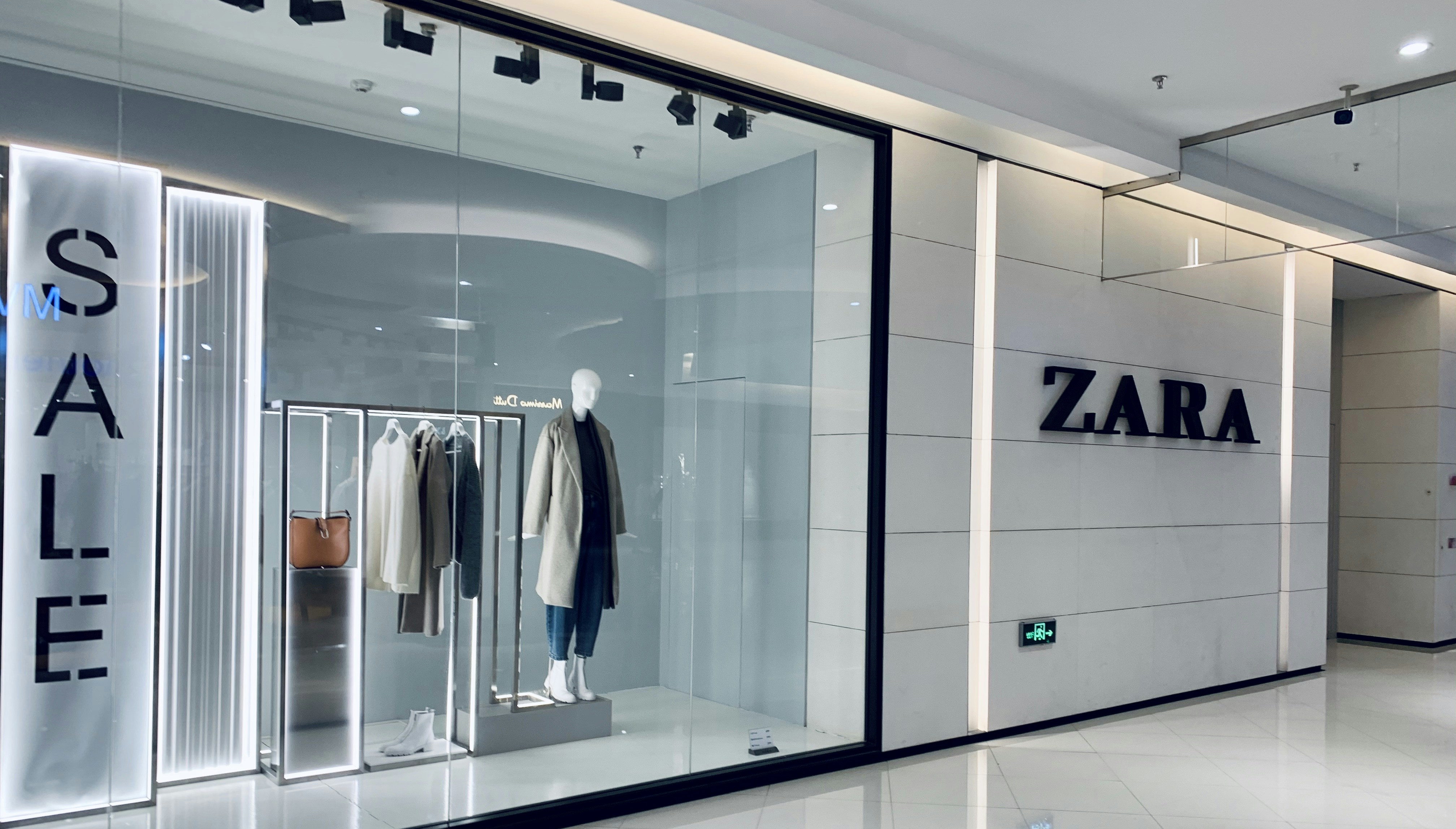
Alright, let’s wrap this up with some straight talk from the health nuts at Gone Greenish™. Zara is a fast fashion powerhouse that’s made some noteworthy strides toward sustainability—hello, Join Life collection, renewable energy in stores, and ambitious 2030 targets. But here’s the kicker: these green efforts are still a drop in the ocean compared to the sheer volume of garments churned out annually. The fast fashion business model itself—built on rapid trends, mass production, and disposable clothing—is fundamentally at odds with true eco-friendliness.
Positives
✅ Join Life uses organic cotton, Tencel, and recycled polyester in some pieces.
✅ Zara Pre-Owned and in-store recycling bins help extend garment life.
✅ Inditex’s commitment to renewable energy and water reduction targets is promising.
✅ Packaging improvements eliminate single-use plastics.
Negatives
❌ Less than 5 % of total production is Join Life or preferred materials.
❌ Transparency on supply chain and worker wages remains limited.
❌ Fast fashion’s overproduction drives waste, pollution, and microplastic shedding.
❌ Animal welfare policies are vague; leather and wool use continues without traceability.
Our verdict? Zara is not yet an eco-friendly brand in the fullest sense. If you want to shop sustainably, Zara’s small green pockets don’t offset the environmental and social costs of its fast fashion machine. But if you’re a Zara fan, consider buying Join Life pieces, using their Pre-Owned program, and embracing the 30-wear rule to reduce waste.
Want truly sustainable fashion? Check out our recommended alternatives like People Tree and Girlfriend Collective—they’re the real deal.
🔗 Recommended Links for Shopping and Reading
-
Sunkissed Livvy Jumpsuit Treetop Grass Print:
Amazon | Etsy | Sunkissed Official -
Everlane Easy Sweatpants:
Amazon | Everlane Official -
Thought Women’s French Navy Heather Cool Stretch Lounge Pant:
Amazon | Thought Official -
Girlfriend Collective Women’s Black Coastal Double Gauze Curved Hem Short:
Amazon | Girlfriend Collective Official -
Sustainable Fashion Books on Amazon:
- Fashionopolis: The Price of Fast Fashion and the Future of Clothes by Dana Thomas
- Overdressed: The Shockingly High Cost of Cheap Fashion by Elizabeth L. Cline
- Wardrobe Crisis: How We Went From Sunday Best to Fast Fashion by Clare Press
🤔 Frequently Asked Questions About Zara’s Sustainability
What sustainable practices does Zara implement in its production?
Zara’s sustainability efforts include using preferred fibers like organic cotton, recycled polyester, and Tencel in its Join Life collection. They’ve transitioned to 100 % renewable energy in their stores and offices and set ambitious goals to reduce water use by 25 % and carbon emissions by 50 % by 2030. Zara also operates Zara Pre-Owned, a resale and repair program, and provides garment collection bins in stores to encourage recycling. However, these practices cover only a small fraction of their total production.
How does Zara’s eco-friendly commitment compare to other fashion brands?
Compared to leaders like Patagonia, People Tree, or Everlane, Zara’s sustainability is still in its infancy. While Zara has set impressive targets and rolled out initiatives, its fast fashion business model inherently conflicts with sustainability principles. Brands like Patagonia emphasize transparency, traceability, and slow fashion, while Zara’s volume-driven approach encourages overconsumption and waste. Good On You rates Zara as “It’s a Start,” reflecting that it’s better than ultra-fast fashion brands but far from a sustainability champion.
Are Zara’s eco-friendly collections made from organic materials?
The Join Life collection uses a mix of organic cotton, recycled polyester, and Tencel, but only about 27 % of Zara’s total fiber volume is from “preferred” sources, which includes organic and sustainably sourced fibers. The rest is conventional cotton and polyester, which have higher environmental footprints. So, while Join Life pieces are greener, they represent a small slice of Zara’s overall output.
What impact does Zara’s fast fashion model have on the environment?
Zara’s fast fashion model drives massive overproduction, resulting in enormous water consumption, carbon emissions, and textile waste. For example, a single cotton T-shirt can require up to 2,700 liters of water to produce. With hundreds of millions of garments produced annually, the cumulative environmental impact is staggering. Additionally, polyester garments shed microplastics during washing, contributing to ocean pollution. Despite efforts to reduce emissions and water use, the sheer scale of Zara’s output makes its environmental footprint significant.
Does Zara use recycled fabrics in their clothing lines?
Yes, Zara incorporates recycled polyester and other recycled fibers in its Join Life collection and some capsule collections like the Circ collaboration. However, recycled materials make up a small percentage of total fiber use. Recycling programs exist, but less than 1 % of collected garments are turned back into new fabric. The rest are often down-cycled or discarded, limiting the circularity of Zara’s production.
How can shopping at Zara support a healthier planet?
Shopping sustainably at Zara means choosing Join Life pieces, participating in their Pre-Owned program, and using in-store recycling bins responsibly. More importantly, it means buying less and wearing more—embracing the 30-wear rule to reduce waste. However, for a truly healthier planet, supporting brands with transparent supply chains, fair labor practices, and slow fashion models is recommended.
What certifications does Zara hold for sustainability and eco-friendliness?
Zara uses certifications like bluesign® and OEKO-TEX STANDARD 100 for some Join Life garments, ensuring safer chemicals and environmental standards in production. They also partner with the Organic Cotton Accelerator and are members of the Zero Discharge of Hazardous Chemicals (ZDHC) program. However, Zara lacks comprehensive certifications covering its entire supply chain or animal welfare policies, and transparency remains limited.
🔗 Reference Links and Sources Cited in This Article
- Zara Official Website – Sustainability
- Inditex Environmental Profit & Loss Report 2023
- Good On You – Zara Brand Rating
- Eco-Stylist – How Sustainable Is Zara?
- Weavabel – Is Zara Sustainable? An Overview of the Fast Fashion Giant
- Fashion Revolution Transparency Index 2023
- Jeanologia – Air Fiber Washer Technology
- Organic Cotton Accelerator
- bluesign® System
- OEKO-TEX® Standard 100
For more on sustainable fashion and eco-conscious brands, visit our Eco-Conscious Brands and Carbon Footprint Reduction categories.