Support our educational content for free when you purchase through links on our site. Learn more
How Do Solar Panels Work? 🔆 The Science & Secrets Revealed (2026)

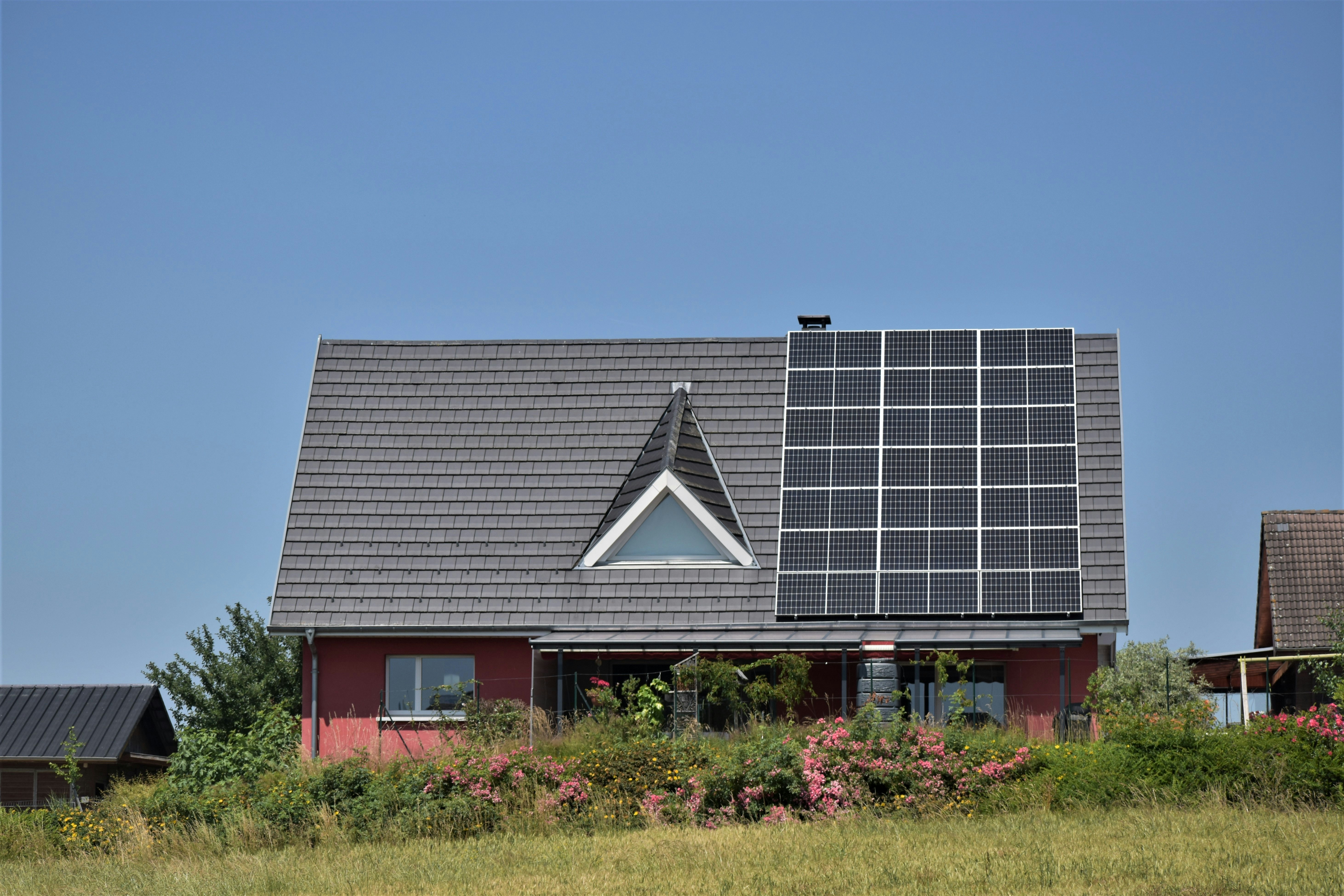
Ever glanced up at a shiny solar panel and wondered, “How on earth does that thing turn sunlight into electricity?” You’re not alone! At Gone Greenish™, we’ve been fascinated by solar power’s magic for years—and we’re here to pull back the curtain on the science, history, and future of this incredible technology. From the tiny silicon cells that capture photons to massive solar farms powering entire cities, solar panels are transforming how we energize our world.
Did you know that even on cloudy days, your solar panels are still quietly generating power? Or that the same technology powering your rooftop is also keeping satellites orbiting Earth? Stick around as we unpack everything you need to know—from the photovoltaic effect to battery storage, and bust some common myths along the way. By the end, you’ll not only understand how solar panels work but why they’re a game-changer for a cleaner, greener planet.
Key Takeaways
- Solar panels convert sunlight into electricity using the photovoltaic effect, exciting electrons in silicon cells to create a current.
- They produce clean, renewable energy with zero emissions during operation, even functioning on cloudy days.
- Solar PV panels generate electricity, while solar thermal panels capture heat—two distinct technologies serving different needs.
- Large-scale solar farms feed power into grids, helping communities reduce carbon footprints and energy costs.
- Integrating solar power into modern grids requires smart inverters, energy storage, and advanced grid management.
- Maintenance is minimal but important—keeping panels clean and monitoring performance ensures maximum efficiency.
- Emerging technologies like bifacial panels, perovskites, and AI-driven systems promise an even brighter solar future.
Ready to harness the sun’s power smarter and greener? Let’s dive in!
Table of Contents
- ⚡️ Quick Tips and Facts About Solar Panels
- 🌞 The Bright History of Solar Power: From Discovery to Today
- 🔋 How Exactly Do Solar Panels Convert Sunlight Into Electricity?
- ☀️ Solar PV Panels vs. Solar Thermal Panels: What’s the Real Difference?
- 🌥️ Can Solar Panels Work on Cloudy Days? Debunking the Myths
- 🏞️ What Are Solar Farms and How Do They Power Our Communities?
- 🌍 Who Are the Global Leaders in Solar Power Production?
- ⚙️ Integrating Solar Power Into Modern Electricity Grids: Challenges & Innovations
- 🔌 Understanding More About Solar Energy: Storage, Efficiency, and Beyond
- 🌿 Is Solar Power Truly a Clean and Sustainable Energy Source?
- 💡 10 Essential Tips for Maximizing Your Solar Panel Efficiency
- 📈 The Future of Solar Technology: Trends and Breakthroughs to Watch
- 🔧 How to Choose the Best Solar Panel System for Your Home or Business
- 💰 Solar Panel Costs and Incentives: What You Need to Know
- 🛠️ Maintenance and Troubleshooting: Keeping Your Solar Panels in Top Shape
- 🔍 Common Misconceptions About Solar Power—Busted!
- 📚 Recommended Links for Deep Diving Into Solar Energy
- ❓ Frequently Asked Questions (FAQ) About Solar Panels
- 📑 Reference Links and Resources
⚡️ Quick Tips and Facts About Solar Panels
Alright, fellow green warriors and energy enthusiasts! Before we dive deep into the electrifying world of solar power, let’s hit you with some rapid-fire facts straight from our Gone Greenish™ team. We’re talking about the stuff that makes us jump with joy (and maybe do a little sun salutation 🧘 ♀️).
- Infinite Energy Source: Solar power is truly a gift from the cosmos! As long as the sun shines (which, let’s face it, is a pretty reliable gig for the next few billion years), we’ve got an infinite supply of clean energy. No running out, no geopolitical squabbles over dwindling resources – just pure, unadulterated sunshine.
- Zero Emissions (During Operation): Once installed, solar panels produce zero harmful greenhouse gases during electricity generation. That’s a huge win for our planet and our lungs! ✅
- Long Lifespan: These aren’t your grandma’s disposable gadgets. Modern solar panels are built to last, typically performing optimally for 25 years or more. Many come with warranties guaranteeing performance for decades! Talk about a long-term relationship.
- The Photovoltaic Effect: This fancy term is the magic behind it all! Discovered way back in 1839, it’s the process where light (photons) hits a semiconductor material (like silicon) and knocks electrons loose, creating an electric current. We’ll get into the nitty-gritty soon, but it’s pure science wizardry! ✨
- Cloudy Day Power: Think solar panels are useless when the sun hides? Think again! They still generate power on cloudy days, just at a reduced efficiency. So, don’t let a little gloom deter your green dreams. ☁️
- Global Green Race: China is currently leading the charge as the largest producer of solar power worldwide, followed by the USA, Japan, Germany, and India. It’s a global effort to harness the sun’s power! You can find more details on global energy trends from the International Energy Agency.
- Small Carbon Footprint: While manufacturing solar panels does require energy, their overall carbon footprint is remarkably small, especially when you consider their long operational life and the increasing recyclability of materials. It’s a net positive for the planet! ♻️
- Significant Savings: For homeowners, switching to solar can lead to substantial savings. EnergySage notes that “Most homeowners save around $60,000 over 25 years with solar.” That’s a lot of green in your pocket, not just on your roof!
🌞 The Bright History of Solar Power: From Discovery to Today
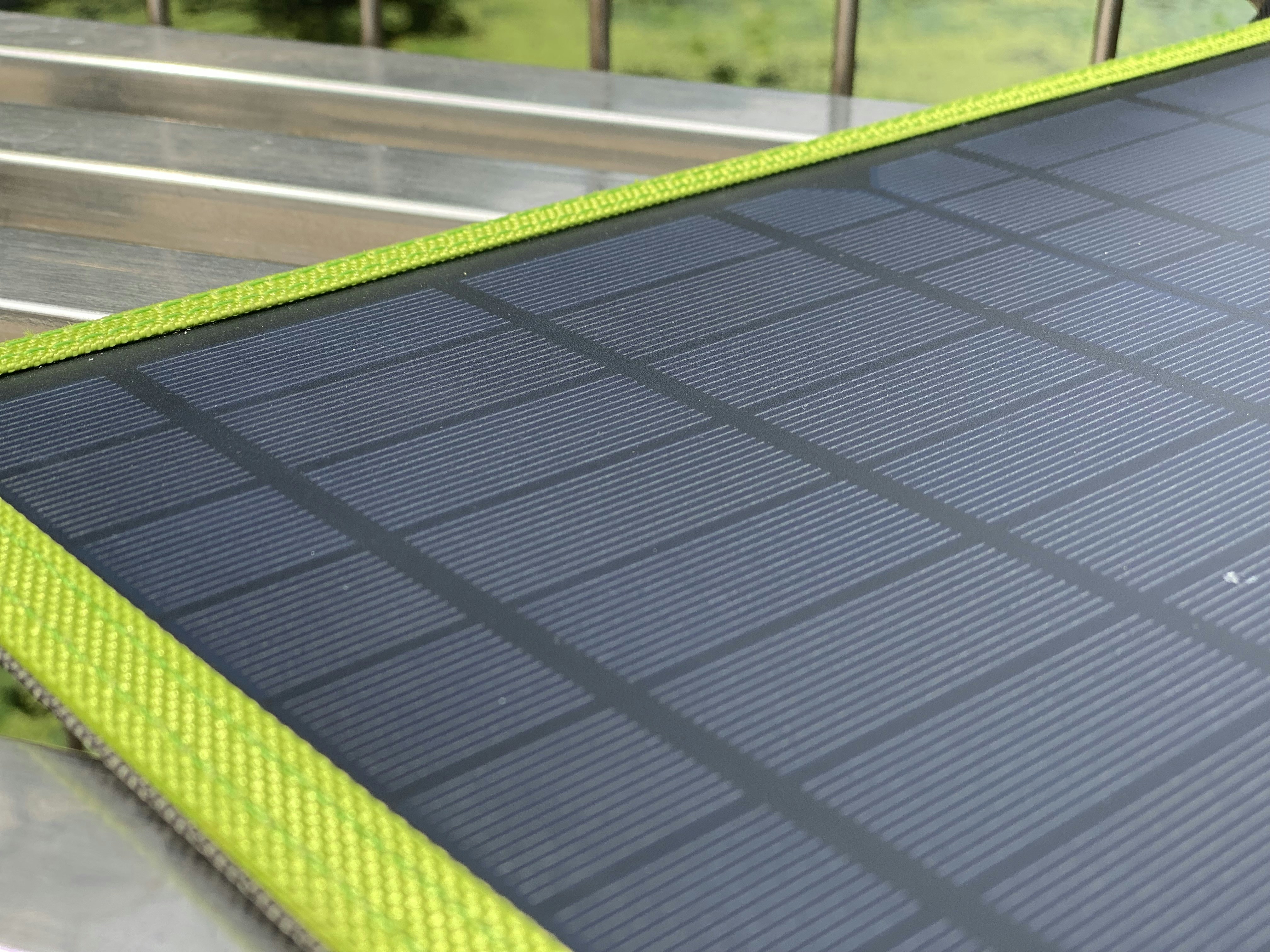
Ever wonder how we went from simply enjoying the sun’s warmth to literally plugging into it? The journey of solar power is a fascinating tale, stretching back further than you might imagine. It’s not just a modern marvel; it’s a testament to human ingenuity and our enduring fascination with the sun!
Our story begins not with silicon wafers, but with simple mirrors. Believe it or not, people were harnessing solar energy as far back as the 7th century B.C., using reflective surfaces to light fires. Fast forward to the 3rd century B.C., and the Greeks and Romans were reportedly using polished bronze shields and mirrors to ignite torches – perhaps even to defend cities, as legend suggests Archimedes used “burning mirrors” to set Roman ships ablaze! (Though we prefer to use solar for peaceful, planet-saving purposes, of course! 😉)
The real scientific breakthrough, the one that truly set the stage for modern solar panels, came in 1839. A brilliant French physicist named Edmond Becquerel was experimenting with an electrolytic cell when he noticed something extraordinary: “When it was exposed to light, the photovoltaic cell produced more electricity,” as National Grid explains. This was the discovery of the photovoltaic (PV) effect, the fundamental principle behind how solar panels generate electricity. Imagine the “aha!” moment! 🤯
For over a century, scientists tinkered, but it wasn’t until 1954 that the first practical silicon PV cell was developed. This monumental achievement came from Daryl Chapin, Calvin Fuller, and Gerald Pearson at Bell Labs. Their invention was a game-changer, paving the way for the solar technology we know today. Suddenly, converting sunlight directly into electricity wasn’t just a theoretical concept; it was a tangible reality.
From those early days, solar technology quickly found its niche in space. Satellites and spacecraft became early adopters, relying on solar panels as a dependable power source far from Earth’s grid. It’s pretty cool to think that the same technology powering your rooftop is also keeping our eyes on the stars! 🚀
Today, solar power has come full circle, moving from ancient reflections to powering our homes, businesses, and even entire communities. It’s a history of innovation, persistence, and a growing understanding of how to live in harmony with our most powerful natural resource.
🔋 How Exactly Do Solar Panels Convert Sunlight Into Electricity?
Okay, let’s get down to the nitty-gritty, the core question that brought you here: how do solar panels actually work their magic? It’s not just some mystical green energy dance; it’s pure, elegant physics, and once you understand it, you’ll appreciate your solar panels even more!
At Gone Greenish™, we often get asked, “Is it really that simple?” And the answer is, yes, the core principle is simple, but the engineering behind it is incredibly sophisticated. For a deeper dive into the physics, check out our related article: How Is Solar Energy Converted into Electricity? ⚡️ (2026).
The Heart of the Matter: Photovoltaic (PV) Cells
Every solar panel is made up of numerous individual photovoltaic (PV) cells. Think of these cells as tiny power generators, each designed to capture sunlight. Most commonly, these cells are made from silicon, a semiconductor material. Why silicon? Because its atomic structure makes it particularly good at releasing electrons when hit by light.
Here’s a step-by-step breakdown of the photovoltaic effect:
- Sunlight Strikes: Sunlight isn’t just light; it’s composed of tiny packets of energy called photons. When these photons from the sun hit the surface of a solar panel, they collide with the silicon atoms within the PV cells.
- Electron Excitation: The silicon in a solar cell is specially treated, or “doped,” to create two distinct layers:
- N-type silicon: This layer is doped with elements like phosphorus, which adds extra electrons, giving it a negative charge.
- P-type silicon: This layer is doped with elements like boron, which creates “holes” (missing electrons), giving it a positive charge.
- These two layers meet at what’s called the p-n junction. This junction creates an electric field, acting like a one-way street for electrons.
- Electrons Get Knocked Loose: When a photon hits an electron in the silicon, it imparts enough energy to knock that electron loose from its atom. This creates a free electron and a “hole” where it used to be.
- Creating an Electric Current: The electric field at the p-n junction acts like a bouncer, pushing the freed electrons to the N-type side and the “holes” to the P-type side. This separation of charges creates a voltage.
- Flowing Electricity (DC): When an external circuit (like wires connecting to your home) is connected to the solar cell, these separated electrons have a path to flow from the N-type side, through the circuit, and back to the P-type side to fill the “holes.” This flow of electrons is what we call direct current (DC) electricity.
As the first YouTube video embedded in this article explains, silicon’s crystalline structure normally holds electrons tightly. The clever doping of n-type and p-type silicon creates that crucial electric field at the p-n junction, which then directs the freed electrons and holes, generating voltage and, ultimately, electricity when connected to a circuit. It’s all about creating that charge separation!
From DC to AC: The Inverter’s Role
Now, here’s a crucial point: the electricity generated by solar panels is direct current (DC). However, most of our homes and appliances run on alternating current (AC). This is where a vital piece of equipment comes in: the inverter.
- Inverters are the unsung heroes of your solar system. They take the DC electricity from your panels and convert it into usable AC electricity. Think of them as translators, making sure your solar power speaks the same language as your toaster, TV, and Tesla charger.
- There are different types of inverters, such as string inverters (where panels are wired in series to a central inverter) and microinverters (where each panel has its own small inverter, converting DC to AC right at the panel level). Microinverters, like those from Enphase Energy, can offer advantages in shaded conditions, as one panel’s performance doesn’t drag down the others.
The Full Solar Panel System: More Than Just Cells
A complete solar energy system involves more than just the PV cells:
- Solar Panels (Modules): These are multiple PV cells wired together and encased in a durable frame, usually with a glass casing on top for protection. EnergySage notes that panels include “anti-reflective coating to maximize sunlight absorption” and “insulation layer and back sheet to protect against heat and humidity.”
- Mounting Systems: These secure your panels to your roof or ground, ensuring they’re at the optimal angle for sunlight exposure.
- Wiring and Electrical Components: All the necessary cables, junction boxes, and safety disconnects to connect your system safely.
- Monitoring System: Many modern solar systems come with apps or online portals that let you track your energy production in real-time. We love seeing those green graphs at Gone Greenish™!
So, while the sun provides an immense amount of energy – “173,000 terawatts” as the video points out – the real challenge and innovation lie in efficiently capturing and converting it. Current solar panel technology typically achieves efficiencies between 15-20%, but advancements are constantly pushing those numbers higher!
☀️ Solar PV Panels vs. Solar Thermal Panels: What’s the Real Difference?
When people talk about “solar panels,” they’re usually thinking about the ones that generate electricity. But did you know there’s another fantastic way to harness the sun’s power for your home? It’s crucial to understand the distinction between Solar PV (Photovoltaic) panels and Solar Thermal panels. They both use the sun, but for very different purposes!
At Gone Greenish™, we advocate for both, depending on your specific needs. It’s like choosing between a blender and an oven – both use electricity, but for different culinary goals!
Solar PV Panels: Electricity Generators ⚡️
As we just explored, PV panels are all about converting sunlight directly into electricity using the photovoltaic effect.
- Purpose: To generate electricity (DC, then converted to AC) for powering lights, appliances, electronics, and feeding into the grid.
- How they work: Photons hit semiconductor materials (like silicon), knocking electrons loose and creating an electric current.
- Appearance: Typically dark blue or black, flat, rectangular panels mounted on roofs or ground.
- Common Use: Residential electricity, commercial power, utility-scale solar farms, charging electric vehicles.
- Key Brands: SunPower, LG, Panasonic, REC Solar, Canadian Solar.
Solar Thermal Panels: Heat Harvesters 🔥
Solar thermal panels, also known as solar hot water systems or solar collectors, have a completely different job: they capture the sun’s energy to generate heat.
- Purpose: To generate heat for hot water, space heating, or even large-scale industrial processes.
- How they work: These panels contain a fluid (often water or a water/antifreeze mix) that circulates through tubes. The sun’s rays heat this fluid, which then transfers its heat to a storage tank, providing hot water for your home. National Grid explains that solar thermal panels “generate heat by directly heating water or fluids.”
- Appearance: Often look like flat, glazed boxes or evacuated tubes, usually mounted on roofs. They might appear slightly different from PV panels, often with visible piping.
- Common Use: Domestic hot water, swimming pool heating, commercial hot water systems.
- Key Brands: Brands like Apricus, Viessmann, and Rheem (for solar water heaters) are prominent in this space.
Side-by-Side Comparison
Let’s put them head-to-head in a quick comparison table:
| Feature | Solar PV Panels | Solar Thermal Panels |
|---|---|---|
| Primary Output | Electricity (DC converted to AC) | Heat (for water/fluid) |
| Mechanism | Photovoltaic effect (photons excite electrons) | Absorbs sunlight to heat a fluid |
| Components | Silicon cells, glass, frame, inverter | Absorber plate, fluid tubes, insulation, storage tank |
| Typical Use | Powering homes, businesses, grid | Domestic hot water, space heating, pool heating |
| Energy Storage | Batteries (e.g., Tesla Powerwall, Enphase Encharge) | Insulated hot water tank |
| Environmental Impact | Reduces electricity grid emissions | Reduces fossil fuel use for water heating |
It’s worth noting that there’s also Concentrating Solar-Thermal Power (CSP), which is a large-scale technology often used in utility power plants. As Energy.gov mentions, CSP “uses mirrors to reflect and concentrate sunlight onto receivers,” converting solar energy into heat, which then generates electricity via turbines. This is a different beast entirely, typically not for residential use, but it shows the versatility of solar thermal principles!
So, while both harness the sun, they do it in distinct ways to meet different energy needs. Understanding this difference is key to making informed choices for your sustainable home!
🌥️ Can Solar Panels Work on Cloudy Days? Debunking the Myths
Here’s a question we hear all the time at Gone Greenish™: “But what happens when it’s cloudy? Do my solar panels just… stop working?” It’s a perfectly valid concern, and one of the most common misconceptions about solar power. Let’s clear the air, shall we? 🌬️
The short answer is a resounding YES! ✅ Solar panels absolutely work on cloudy days. They might not be performing at their peak, sun-drenched capacity, but they are definitely still generating electricity.
How They Keep Going When the Sun Hides
Think about it this way: even on a cloudy day, there’s still light outside, right? You can see, you can read, you can walk around without bumping into things (hopefully!). That light, even when diffused by clouds, still contains photons. And as we learned, photons are the little energy packets that kickstart the photovoltaic effect.
- Diffused Light: Clouds scatter sunlight, but they don’t block it entirely. This scattered light is called diffused light, and solar panels are designed to capture it. While direct sunlight provides the most intense photon bombardment, diffused light still contributes significantly to power generation.
- Reduced Efficiency: It’s true that efficiency will be lower. On a heavily overcast day, your panels might produce anywhere from 10-25% of their peak output compared to a bright, sunny day. But 10-25% is a lot better than 0%! National Grid confirms this, stating, “Solar power can still be generated on cloudy days.”
- Factors Affecting Performance: The actual output on a cloudy day depends on several factors:
- Cloud Density: A thin, hazy cloud cover will allow more light through than a thick, stormy blanket.
- Panel Quality and Efficiency: Higher-quality panels from brands like SunPower or LG often perform better in low-light conditions due to superior cell technology.
- System Size: A larger system with more panels will naturally produce more power, even at reduced efficiency.
- Location: Areas with consistently high levels of diffused light (even if not always direct sun) can still be excellent candidates for solar.
- Temperature: Interestingly, solar panels can sometimes be more efficient on cooler, bright days than on scorching hot days, as extreme heat can slightly reduce their performance.
So, the next time you see a cloudy sky, don’t despair for your solar investment! Your panels are still diligently working, converting every available photon into clean, green energy. It’s just another reason why solar is such a resilient and reliable power source.
🏞️ What Are Solar Farms and How Do They Power Our Communities?
We’ve talked about rooftop solar for homes, but what about powering entire towns, cities, or even industrial complexes? That’s where solar farms come into play! Imagine vast stretches of land, not filled with crops, but with thousands upon thousands of gleaming solar panels, all working in unison to generate massive amounts of clean electricity. It’s a truly inspiring sight for us at Gone Greenish™!
Defining a Solar Farm
A solar farm, also known as a solar park or a utility-scale solar power plant, is essentially a large-scale installation of interconnected solar panels designed to generate electricity for the main power grid. Unlike individual residential systems, which primarily serve a single home or business, solar farms are built to produce significant power for communities and industries.
- Scale: These installations can cover acres, sometimes even square miles, of land. The sheer number of panels allows them to produce megawatts (MW) or even gigawatts (GW) of electricity.
- Purpose: Their primary goal is to feed electricity directly into the national or regional power grid, contributing to the overall energy supply and reducing reliance on fossil fuel power plants.
- Components: Beyond the panels themselves, solar farms include complex electrical infrastructure: inverters, transformers (to step up voltage for grid transmission), substations, and extensive wiring. They often utilize advanced tracking systems that allow panels to follow the sun’s path throughout the day, maximizing energy capture.
How Solar Farms Power Our Communities
Solar farms are critical players in the transition to a renewable energy future. Here’s how they contribute:
- Grid Integration: The electricity generated by a solar farm is fed directly into the existing electrical grid. This means that homes, businesses, and public services connected to that grid are receiving power that, at least in part, comes from the sun.
- Meeting Peak Demand: Solar power generation often aligns well with peak electricity demand, which typically occurs during sunny daytime hours when air conditioning and other electrical loads are high.
- Reducing Carbon Emissions: By replacing electricity generated from fossil fuels, solar farms significantly reduce greenhouse gas emissions, helping combat Climate Change. National Grid highlights this, noting that a single large solar farm can displace “20,500 tons of CO2 annually.”
- Economic Benefits: Solar farms create jobs in construction, operation, and maintenance. They can also provide lease payments to landowners and tax revenue to local communities.
- Energy Independence: For nations and regions, investing in solar farms enhances energy security by reducing dependence on imported fuels.
Real-World Impact: The UK Example
The UK is a great example of a country rapidly expanding its solar farm capacity. National Grid reported that the “first transmission-connected solar farm energized in May 2023 near Bristol.” This single farm is expected to generate over 73,000 MWh annually, enough to power over 17,300 homes. That’s a tangible impact! The UK’s ambitious goal of 70 GW of solar capacity by 2035 could power around 20 million homes – a massive step towards a greener grid.
Solar farms are a testament to our ability to harness nature’s power on a grand scale, providing clean, sustainable energy that benefits everyone connected to the grid. They are a cornerstone of a truly Eco-Conscious Brands approach to energy production.
🌍 Who Are the Global Leaders in Solar Power Production?
When we talk about the global shift towards renewable energy, it’s inspiring to see which nations are truly leading the charge in solar power. At Gone Greenish™, we believe that understanding these global efforts helps us appreciate the collective push for a healthier planet. It’s not just about individual rooftops; it’s about national commitments and massive investments!
As of recent data, the landscape of global solar power production is dynamic, with several countries making significant strides. According to National Grid, as of 2022, China stands as the undisputed champion, the largest producer of solar power worldwide.
The Top Solar Superpowers:
- China 🇨🇳: No surprise here! China has invested heavily in solar manufacturing and deployment, both domestically and internationally. Their capacity is staggering, driving down costs and accelerating global adoption. They are not only the largest producer but also a major manufacturer of solar panels and components.
- USA 🇺🇸: The United States is rapidly expanding its solar footprint, with ambitious goals. The Department of Energy’s 2021 blueprint aims for 40% of electricity to be solar-powered by 2035. Significant federal investments, like the $82 million announced in April 2023 to boost domestic solar manufacturing and recycling, underscore this commitment.
- Japan 🇯🇵: A pioneer in solar technology, Japan has consistently been among the top producers, driven by strong government incentives and a need for energy independence.
- Germany 🇩🇪: Often hailed as a renewable energy trailblazer, Germany has long been at the forefront of solar adoption, even with its less-than-tropical climate. Their “Energiewende” (energy transition) policy has been a model for many other nations.
- India 🇮🇳: With abundant sunshine and a rapidly growing energy demand, India is quickly emerging as a major solar player, investing in large-scale solar parks and promoting rooftop solar.
Why Global Leadership Matters
The leadership of these nations is crucial for several reasons:
- Innovation and Cost Reduction: Large-scale deployment drives innovation and economies of scale, making solar technology more efficient and affordable for everyone.
- Policy Influence: Leading countries often set precedents for renewable energy policies, encouraging other nations to follow suit with incentives and regulations.
- Supply Chain Development: Dominant players contribute to robust global supply chains for solar components, ensuring availability and competitive pricing.
- Climate Action: Ultimately, these nations are making the biggest dents in global Carbon Footprint Reduction by transitioning away from fossil fuels.
While these countries are leading the pack, the exciting news is that solar power is a truly global phenomenon, with installations growing rapidly in almost every corner of the world. It’s a testament to the universal appeal and undeniable benefits of harnessing the sun’s energy!
⚙️ Integrating Solar Power Into Modern Electricity Grids: Challenges & Innovations
So, we’ve got all this fantastic solar power being generated, from individual rooftops to massive solar farms. But how do we get it seamlessly into our existing electricity grids, which were largely designed for centralized, fossil-fuel power plants? This isn’t just a plug-and-play situation; it involves significant challenges and exciting innovations. At Gone Greenish™, we see this integration as a critical puzzle piece for a truly sustainable future.
The Challenges of Grid Integration:
- Intermittency: This is the big one. Solar power is, by its nature, intermittent. The sun doesn’t shine at night, and clouds can reduce output during the day. This variability makes it challenging for grid operators to maintain a constant, reliable supply of electricity.
- Grid Stability: Traditional grids rely on large, spinning generators (like those in coal or nuclear plants) that provide “inertia,” helping to stabilize the grid’s frequency. Solar, being a static source, doesn’t provide this in the same way, requiring new approaches to grid management.
- Transmission Infrastructure: Existing transmission lines weren’t always built to handle power flowing from distributed sources (like rooftop solar) or from remote solar farms to distant load centers. Upgrading and expanding this infrastructure is a massive undertaking.
- Forecasting: Accurately predicting solar output, especially with changing weather patterns, is crucial for balancing supply and demand.
- “Duck Curve” Phenomenon: In areas with high solar penetration, there can be a sharp drop in net demand from the grid in the late afternoon as solar output declines and traditional evening demand ramps up. This creates a challenging “duck curve” for grid operators to manage.
Innovative Solutions and Strategies:
The good news is that engineers, scientists, and policymakers are working tirelessly on solutions!
- Energy Storage Systems (Batteries): This is perhaps the most critical innovation. Pairing solar installations with battery storage (like the Tesla Powerwall or Enphase Encharge) allows excess solar energy generated during the day to be stored and released when the sun isn’t shining or demand is high. Energy.gov notes that solar can be “combined with energy storage to provide backup power during nighttime or outages.”
- 👉 CHECK PRICE on:
- Tesla Powerwall: Amazon | Tesla Official Website
- Enphase Encharge: Amazon | Enphase Official Website
- 👉 CHECK PRICE on:
- Smart Grids: These are advanced electricity networks that use digital communication technology to detect and react to local changes in usage and generation. Smart grids can better manage intermittent renewables, optimize energy flow, and improve grid resilience.
- Demand-Side Management (DSM): Encouraging consumers to shift their electricity usage to times when solar production is high (e.g., running dishwashers during midday) helps balance the grid.
- Hybrid Power Plants: Combining solar with other renewable sources like wind (which often generates more power at night or on cloudy days) can create a more consistent supply.
- Advanced Forecasting: Improved weather modeling and AI-driven analytics are making solar output predictions much more accurate.
- Grid Modernization and Expansion: Significant investments are being made to upgrade transmission lines and build new infrastructure capable of handling the influx of renewable energy. The US Department of Energy’s investment of “$82 million… to boost domestic solar manufacturing and recycling” also supports the infrastructure needed for a solar-powered future.
- Virtual Power Plants (VPPs): These aggregate many small, distributed energy resources (like rooftop solar systems with batteries) into a single, controllable entity that can provide services to the grid, acting like a large power plant.
Integrating solar power into our grids is a complex but achievable goal. It’s a journey of continuous innovation, and every step forward brings us closer to a resilient, sustainable, and truly green energy future. This effort directly contributes to Conservation Tips on a grand scale!
🔌 Understanding More About Solar Energy: Storage, Efficiency, and Beyond
We’ve covered the basics of how solar panels work and how they fit into the larger energy picture. But to truly appreciate the power of the sun, we need to dive deeper into some key aspects: how we store this energy, how efficient our panels really are, and what exciting innovations are on the horizon. At Gone Greenish™, we’re always geeking out over these details!
The Power of Storage: Why Batteries are a Game-Changer
Solar energy is fantastic when the sun is shining, but what about at night, or during a prolonged storm? This is where energy storage becomes absolutely vital. Batteries are the unsung heroes that turn intermittent solar power into a reliable, 24/7 energy source.
- How it Works: When your solar panels produce more electricity than your home is currently using, the excess energy can be directed to a battery bank for storage. Later, when solar production is low (e.g., after sunset) or demand is high, the stored energy can be discharged to power your home.
- Benefits:
- Self-Sufficiency: Reduces reliance on the grid, especially during peak hours when electricity prices might be higher.
- Backup Power: Provides electricity during grid outages, keeping essential appliances running.
- Grid Resilience: Contributes to overall grid stability by providing flexible power when needed.
- Leading Brands: Companies like Tesla with their Powerwall and Enphase with their Encharge systems are leading the residential battery storage market. These systems are designed to integrate seamlessly with solar installations, offering smart energy management and robust backup capabilities.
- 👉 Shop Home Battery Storage on:
- Tesla Powerwall: Amazon | Tesla Official Website
- Enphase Encharge: Amazon | Enphase Official Website
- Generac PWRcell: Amazon | Generac Official Website
- 👉 Shop Home Battery Storage on:
Understanding Solar Panel Efficiency
Not all solar panels are created equal! Efficiency refers to the percentage of sunlight that hits a panel and is converted into usable electricity.
- Typical Range: Most commercially available solar panels today have efficiencies ranging from 15% to 22%. While this might sound low, remember that the sun provides an enormous amount of free energy!
- Factors Influencing Efficiency:
- Cell Technology:
- Monocrystalline Silicon: Generally more efficient (18-22%+) and more expensive. Made from a single crystal of silicon, giving them a uniform dark appearance. Brands like SunPower and LG are known for high-efficiency monocrystalline panels.
- Polycrystalline Silicon: Slightly less efficient (15-17%) and more affordable. Made from multiple silicon crystals, giving them a speckled, blue appearance.
- Thin-Film: Even lower efficiency but can be flexible and used in niche applications.
- Temperature: As mentioned earlier, extreme heat can slightly reduce panel efficiency.
- Shading: Even partial shading can significantly impact a panel’s output, especially in string inverter systems.
- Degradation: Panels naturally degrade slightly over time, typically losing about 0.5% to 1% efficiency per year. This is why warranties guarantee performance for 25+ years.
- Cell Technology:
Beyond the Rooftop: Emerging Solar Technologies
The world of solar energy is constantly evolving! Here are a few exciting developments:
- Floating Solar Farms (Floatovoltaics): As highlighted in the first video, these installations on bodies of water (lakes, reservoirs) offer several benefits: they save valuable land space, the water helps cool the panels (improving efficiency), and they can reduce water evaporation.
- Perovskite Solar Cells: This emerging technology promises high efficiency at potentially lower manufacturing costs than silicon. They are still largely in the research phase but hold immense potential.
- Bifacial Solar Panels: These panels can capture sunlight from both their front and back sides, increasing overall energy yield, especially when installed over reflective surfaces or on ground mounts.
- Transparent Solar Cells: Imagine windows that generate electricity! While still in early development, transparent solar technology could integrate seamlessly into buildings without altering aesthetics.
- Solar Roadways/Pathways: Projects exploring embedding solar panels into roads and pathways to generate electricity and even melt snow.
The innovation in solar energy is relentless, constantly pushing the boundaries of what’s possible. From smarter storage to more efficient cells and novel applications, the future of solar is brighter than ever!
🌿 Is Solar Power Truly a Clean and Sustainable Energy Source?
At Gone Greenish™, our core mission is a healthy you, healthy planet. So, when we champion solar power, we often get asked, “Is it really clean? What about the manufacturing? The disposal?” These are excellent, critical questions, and we believe in tackling them head-on with transparency and facts.
The short answer is a resounding YES, solar power is overwhelmingly a clean and sustainable energy source. ✅ But like any technology, it’s not without its nuances, and understanding them helps us advocate for even greener practices.
The “Clean” Aspect: During Operation
This is where solar truly shines (pun intended!):
- Zero Emissions: Once installed and operational, solar panels produce no harmful greenhouse gases, air pollutants, or water pollutants. This is a stark contrast to fossil fuel power plants, which continuously release CO2, sulfur dioxide, nitrogen oxides, and particulate matter into our atmosphere. National Grid unequivocally states: “Solar power is a renewable and infinite energy source that creates no harmful greenhouse gases.” This is the biggest win for Climate Change mitigation.
- No Fuel Consumption: Solar panels don’t require any fuel to operate, eliminating the environmental impacts associated with mining, drilling, transporting, and burning fossil fuels.
- Reduced Water Usage: Compared to thermal power plants (which use vast amounts of water for cooling), PV solar panels require very little water, primarily for occasional cleaning.
The “Sustainable” Aspect: Lifecycle Considerations
The sustainability of solar power extends beyond its operational phase to its entire lifecycle, from manufacturing to end-of-life.
- Manufacturing Footprint:
- Energy Intensive: The production of silicon PV cells, particularly the purification of silicon, is an energy-intensive process. Historically, this meant a significant “energy payback time” (the time it takes for a solar panel to generate the amount of energy used to produce it).
- Decreasing Footprint: However, thanks to advancements in manufacturing processes, increased use of renewable energy in factories, and improved efficiency, the energy payback time for modern solar panels is now typically 1 to 4 years. Considering a 25+ year lifespan, this is an excellent return on investment for the planet!
- Materials: Solar panels primarily use silicon, glass, aluminum (for frames), and small amounts of other metals. While some of these require mining, the quantities are generally less impactful than those for other energy technologies.
- Recycling and End-of-Life:
- Growing Concern: As the first wave of solar panels reaches the end of its life, managing waste is becoming an important consideration. Historically, recycling infrastructure for solar panels has been limited.
- Emerging Solutions: This is rapidly changing! Companies and governments are investing in technologies and policies for solar panel recycling. Materials like aluminum, glass, and copper are highly recyclable. Even silicon can be recovered and reused. The US Department of Energy’s investment to “boost domestic solar manufacturing and recycling” is a testament to this growing focus.
- Circular Economy: The goal is to move towards a circular economy for solar panels, where materials are recovered and reused, minimizing waste and resource depletion. This is a key aspect of supporting Eco-Conscious Brands.
Balancing Perspectives:
While solar power is incredibly clean, it’s important to acknowledge that no energy source is entirely without environmental impact. The key is to compare it to the alternatives.
- The Verdict: When weighed against the catastrophic impacts of fossil fuels (air pollution, water contamination, greenhouse gas emissions, resource depletion, geopolitical instability), solar power stands out as a vastly superior and essential component of a sustainable energy future. Its benefits far outweigh its lifecycle impacts, which are continuously being reduced through innovation and improved practices.
At Gone Greenish™, we confidently recommend solar power as a cornerstone of Carbon Footprint Reduction and a vital step towards a healthier planet. It’s not just about turning off a light; it’s about fundamentally changing how we power our world.
💡 10 Essential Tips for Maximizing Your Solar Panel Efficiency
You’ve made the smart choice to go solar – fantastic! But simply installing panels isn’t the end of the journey. To truly get the most bang for your buck (and the most watts for your sun!), it’s crucial to ensure your system is operating at peak efficiency. Our Gone Greenish™ team has learned a thing or two from our own solar adventures, and we’re here to share our top tips!
Here are 10 essential tips to keep your solar panels humming and your energy bills shrinking:
- Keep Them Clean! 🧼
- Why: Dust, pollen, bird droppings, and leaves can accumulate on your panels, blocking sunlight and reducing efficiency. Think of it like a dirty window – less light gets through!
- How: For most residential systems, a good rinse with a garden hose a few times a year (especially after dry spells or heavy pollen seasons) is usually sufficient. For stubborn grime, use a soft brush and mild, non-abrasive soap. Always clean on a cool day, preferably in the morning or evening, to avoid thermal shock to the panels.
- ❌ Don’t: Use harsh chemicals or abrasive scrubbers, which can damage the anti-reflective coating.
- Monitor Your System Regularly 📊
- Why: Most modern solar systems come with monitoring apps or online portals. These are your best friends for spotting issues early.
- How: Check your system’s performance daily or weekly. Look for consistent output patterns. A sudden drop in production could indicate a problem, like shading, a faulty inverter, or even a loose connection.
- Address Shading Issues Promptly 🌳
- Why: Even partial shading from a tree branch, a new building, or an antenna can significantly reduce the output of an entire string of panels (especially with string inverters).
- How: Trim trees regularly, or consider microinverters or power optimizers (like those from SolarEdge) which mitigate the impact of shading on individual panels.
- Optimize Panel Angle and Orientation 📐
- Why: Panels perform best when they receive direct sunlight for the longest possible duration.
- How: During installation, ensure your panels are angled correctly for your latitude and oriented towards the equator (south in the Northern Hemisphere, north in the Southern Hemisphere). While fixed mounts are common, consider adjustable mounts if you’re willing to manually adjust them seasonally, or even solar trackers for maximum (but more expensive) optimization.
- Invest in Quality Inverters 🔄
- Why: The inverter is the brain of your system, converting DC to AC. A high-quality, efficient inverter (like those from Enphase or SolarEdge) minimizes energy loss during conversion.
- How: Discuss inverter options with your installer. Microinverters offer panel-level optimization, while string inverters are more cost-effective for unshaded roofs.
- Consider Battery Storage 🔋
- Why: Storing excess solar energy generated during the day for use at night or during peak demand periods maximizes your self-consumption and reduces reliance on the grid.
- How: Integrate a home battery system like Tesla Powerwall or Enphase Encharge into your solar setup. This is a fantastic way to increase your energy independence.
- Regular Professional Inspections 🧑 🔧
- Why: While you can do basic monitoring, a professional can spot subtle issues, check wiring, ensure mounting integrity, and perform preventative maintenance.
- How: Schedule an inspection every 3-5 years, or if you notice a persistent drop in performance that you can’t explain.
- Keep Vents Clear 🌬️
- Why: Panels can lose a bit of efficiency when they get too hot. Good airflow underneath them helps dissipate heat.
- How: Ensure there’s adequate space between the panels and your roof surface. Avoid anything that might block this airflow.
- Understand Your Energy Usage 💡
- Why: Maximizing efficiency isn’t just about the panels; it’s also about how you use the power they generate.
- How: Shift high-energy activities (like running the washing machine or dishwasher) to midday when your panels are producing the most power. This is a great Conservation Tips strategy!
- Stay Informed About Incentives 💰
- Why: While not directly about panel efficiency, staying aware of local, state, and federal incentives (like tax credits or rebates) can significantly improve the financial efficiency of your solar investment.
- How: Check government energy websites (like Energy.gov) or consult with your solar installer for the latest programs.
By following these tips, you’ll not only extend the life of your solar panels but also ensure you’re getting the absolute most out of your clean energy investment. Go green, and go efficient!
📈 The Future of Solar Technology: Trends and Breakthroughs to Watch
If you think solar power is impressive now, just wait! The future of solar technology is buzzing with innovation, pushing boundaries, and promising even more efficient, versatile, and integrated solutions. At Gone Greenish™, we’re practically vibrating with excitement over what’s coming next! This isn’t just about bigger panels; it’s about smarter materials, new applications, and a truly interconnected energy ecosystem.
Here are some of the most exciting trends and breakthroughs we’re keeping our eyes on:
1. Perovskite Solar Cells: The Next Generation?
- What it is: Perovskites are a class of materials that have shown incredible promise in solar cell research. They are highly efficient at converting sunlight into electricity, sometimes even surpassing traditional silicon in lab settings.
- Why it’s exciting: They are potentially cheaper to manufacture, can be flexible, and can even be made transparent. Imagine solar cells that can be sprayed onto surfaces or integrated into windows! While still facing challenges with long-term stability and scaling, perovskites could revolutionize solar panel design and application.
2. Bifacial Solar Panels: Double the Power!
- What it is: Unlike traditional panels that only capture sunlight from one side, bifacial panels are designed to absorb light from both their front and back surfaces.
- Why it’s exciting: When installed over reflective surfaces (like light-colored roofs, sand, or even snow) or on ground mounts with space underneath, the backside can capture reflected and diffused light, significantly increasing overall energy yield (sometimes by 5-20%!). Many leading manufacturers, including Jinko Solar and Trina Solar, are already producing these.
3. Transparent and Building-Integrated Photovoltaics (BIPV)
- What it is: This involves integrating solar cells directly into building materials like windows, facades, and roofing tiles, making the building itself a power generator. Transparent solar cells are a key component here, allowing light to pass through while still generating electricity.
- Why it’s exciting: BIPV offers aesthetic advantages, eliminates the need for separate mounting structures, and allows for solar energy generation in urban areas where traditional rooftop space is limited. Imagine skyscrapers with solar-generating windows!
4. Advanced Energy Storage Solutions
- What it is: Beyond lithium-ion batteries, research is booming into next-generation battery technologies (solid-state, flow batteries, sodium-ion) and other forms of energy storage (thermal, mechanical).
- Why it’s exciting: These innovations promise safer, cheaper, more durable, and higher-capacity storage solutions, further addressing solar’s intermittency challenge and making 24/7 renewable energy a widespread reality. Companies like Form Energy are developing iron-air batteries for long-duration storage.
5. Artificial Intelligence (AI) and Machine Learning (ML) Integration
- What it is: AI and ML are being used to optimize every aspect of solar energy, from forecasting solar output with greater accuracy to managing grid integration, predicting maintenance needs, and even designing more efficient solar cells.
- Why it’s exciting: AI can help smart grids respond dynamically to energy supply and demand, making the entire system more efficient, reliable, and resilient. It’s like giving our energy grid a super-brain!
6. Enhanced Efficiency and Durability
- What it is: Continuous research into materials science and cell architecture is leading to incremental but significant gains in solar panel efficiency and lifespan.
- Why it’s exciting: Every percentage point increase in efficiency means more power from the same footprint, and longer-lasting panels mean an even better return on investment and reduced waste. Brands like SunPower are consistently pushing the boundaries of commercial efficiency.
7. Solar-Powered Everything: Microgrids and Off-Grid Solutions
- What it is: Solar is increasingly being used to power remote communities, disaster relief efforts, and even individual devices, creating self-sufficient microgrids or completely off-grid solutions.
- Why it’s exciting: This brings reliable electricity to areas without traditional grid access, enhances energy security, and provides resilience in the face of natural disasters.
The future of solar is not just bright; it’s dazzling! These breakthroughs promise to make solar power even more accessible, affordable, and impactful, accelerating our journey towards a truly sustainable and green planet. We can’t wait to see what innovations the sun will inspire next!
🔧 How to Choose the Best Solar Panel System for Your Home or Business
Deciding to go solar is a fantastic step towards a greener lifestyle and energy independence! But with so many options out there, choosing the “best” solar panel system can feel a bit overwhelming. Don’t worry, our Gone Greenish™ team has navigated these waters, and we’re here to guide you through the process. It’s not about finding a one-size-fits-all solution, but rather the right fit for your specific needs.
1. Assess Your Energy Needs and Goals 🎯
Before you even look at panels, understand what you want your solar system to achieve:
- Current Energy Consumption: Look at your past electricity bills (at least 12 months) to understand your average daily and monthly usage (in kWh). This is the foundation for sizing your system.
- Future Energy Needs: Are you planning to buy an electric vehicle, add an extension, or get a hot tub? Factor in any anticipated increases in electricity demand.
- Goals: Do you want to offset 100% of your electricity bill? Reduce your carbon footprint? Have backup power during outages? Your goals will influence system size and components (like batteries).
2. Evaluate Your Property’s Solar Potential 🏡
Not all roofs (or properties) are created equal for solar:
- Sunlight Exposure: The most critical factor. Does your roof get direct, unobstructed sunlight for most of the day? Shading from trees, chimneys, or neighboring buildings will reduce output.
- Roof Size and Condition: Do you have enough usable roof space? Is your roof in good condition? Solar panels last 25+ years, so ensure your roof can last just as long, or plan for replacement before installation.
- Orientation and Pitch: South-facing roofs (in the Northern Hemisphere) are generally ideal. The pitch (angle) of your roof also plays a role in maximizing sun exposure.
- Local Regulations: Check with your local municipality for any zoning laws, HOA restrictions, or permitting requirements.
3. Understand Panel Types and Efficiency 📊
This is where the technical jargon comes in, but it’s important to grasp the basics:
- Monocrystalline Panels:
- Pros: Generally higher efficiency (18-22%+), sleek black appearance, better performance in low-light conditions.
- Cons: More expensive per watt.
- Best For: Smaller roofs, homeowners prioritizing maximum power output and aesthetics.
- Leading Brands: SunPower, LG, Panasonic, REC Solar.
- Polycrystalline Panels:
- Pros: More affordable, good performance.
- Cons: Slightly lower efficiency (15-17%), blue speckled appearance.
- Best For: Larger roofs where space isn’t a constraint, budget-conscious buyers.
- Leading Brands: Canadian Solar, Jinko Solar, Trina Solar.
- Thin-Film Panels:
- Pros: Flexible, lightweight, can perform well in high temperatures.
- Cons: Lowest efficiency, requires more space.
- Best For: Niche applications, commercial roofs with vast space.
4. Choose Your Inverter Type 🧠
The inverter is crucial for converting DC to AC electricity.
- String Inverters: Most common and cost-effective. Panels are wired in “strings” to a central inverter.
- Pros: Lower upfront cost, simpler design.
- Cons: If one panel is shaded or underperforms, it can affect the entire string.
- Best For: Unshaded roofs with uniform sunlight.
- Microinverters: Each panel has its own small inverter.
- Pros: Panel-level optimization (shading on one panel doesn’t affect others), easier monitoring, better performance in complex roof layouts.
- Cons: Higher upfront cost, more components on the roof.
- Best For: Shaded roofs, complex rooflines, homeowners prioritizing maximum individual panel performance.
- Leading Brands: Enphase Energy.
- Power Optimizers (e.g., SolarEdge): A hybrid approach. Optimizers are at each panel, but they feed into a central string inverter.
- Pros: Panel-level optimization, safety features, good monitoring.
- Cons: Slightly higher cost than string inverters alone.
- Best For: Similar benefits to microinverters, often a good balance of cost and performance.
- Leading Brands: SolarEdge.
5. Consider Energy Storage (Batteries) 🔋
If backup power or maximizing self-consumption is a priority, integrate a battery system.
- Benefits: Store excess solar energy, provide power during outages, reduce reliance on the grid during peak hours.
- Leading Brands: Tesla Powerwall, Enphase Encharge, Generac PWRcell.
6. Research Solar Installers 🤝
This is perhaps the most critical step. A great system poorly installed is a bad system.
- Reputation and Experience: Look for installers with a proven track record, positive customer reviews, and relevant certifications (e.g., NABCEP).
- Warranties: Understand the warranties offered for panels (product and performance), inverters, and workmanship.
- Quotes: Get at least 3-5 quotes from different installers. Compare not just the price, but also the proposed system components, warranties, and estimated energy production.
- Customer Service: Choose an installer with excellent communication and support, as you’ll be working with them for years.
7. Understand Financing and Incentives 💰
Solar is an investment, but there are many ways to make it more affordable.
- Federal Tax Credit: The Investment Tax Credit (ITC) offers a significant percentage off the cost of your system.
- State and Local Incentives: Check for state tax credits, rebates, SRECs (Solar Renewable Energy Credits), and property tax exemptions.
- Net Metering: This policy allows you to send excess solar electricity back to the grid and receive credits on your utility bill.
- Financing Options: Explore cash purchase, solar loans, or power purchase agreements (PPAs)/leases.
Choosing the best solar system is a journey, but by understanding your needs, evaluating your property, and doing your homework on technology and installers, you’ll be well on your way to a powerful, sustainable future!
💰 Solar Panel Costs and Incentives: What You Need to Know
Let’s be real: while the environmental benefits of solar power are undeniable, the financial aspect is often the deciding factor for many. “How much does it really cost?” and “Can I actually afford it?” are questions we hear constantly at Gone Greenish™. The good news is that solar has become significantly more affordable over the past decade, and a robust system of incentives can make it an incredibly smart investment.
While we won’t list specific prices (they vary wildly by location, system size, and installer!), we’ll break down the cost factors and the powerful incentives that can put solar within reach.
Understanding the “All-In” Cost of Solar
When you get a quote for a solar system, it’s more than just the panels themselves. The total cost includes several components:
- Hardware Costs:
- Solar Panels: The actual PV modules. Cost varies by brand, efficiency, and type (monocrystalline vs. polycrystalline).
- Inverters: String inverters, microinverters, or power optimizers.
- Mounting Equipment: Racking and hardware to secure panels to your roof or ground.
- Wiring and Electrical Components: All the necessary cables, conduits, and safety devices.
- Optional: Battery Storage: If you choose to add a battery system (like Tesla Powerwall or Enphase Encharge), this will be a significant additional cost, but offers huge benefits for energy independence and backup power.
- “Soft Costs”: The Hidden Majority
- Energy.gov highlights that for rooftop systems, “soft costs are the largest share of total expenses.” These include:
- Permitting and Inspection: Fees paid to local authorities for approval and oversight.
- Customer Acquisition: Marketing, sales, and administrative costs for the solar company.
- Installation Labor: The cost of the crew designing and installing your system. This varies by region and complexity.
- System Design: Engineering and planning to optimize your system for your specific property.
- Interconnection Fees: Costs associated with connecting your system to the utility grid.
- Financing Costs: If you take out a loan, interest and loan origination fees will be part of your overall expense.
The Power of Incentives: Making Solar Affordable
This is where solar truly becomes a financially savvy move. Government incentives are designed to accelerate solar adoption and can dramatically reduce your net cost.
- Federal Solar Investment Tax Credit (ITC) 🇺🇸
- What it is: This is the big one! The ITC allows you to deduct a significant percentage of the cost of your solar energy system from your federal taxes. As of the Inflation Reduction Act, it’s currently 30% for systems installed through 2032.
- How it works: It’s a dollar-for-dollar reduction in the income taxes you owe. If you don’t owe enough in taxes to claim the full credit in one year, you can typically roll over the remaining credit to future tax years.
- Key Source: Always check the latest details from the IRS or Energy.gov.
- State and Local Incentives 🗺️
- Tax Credits/Rebates: Many states and even local municipalities offer their own tax credits or direct rebates to further reduce the upfront cost.
- Solar Renewable Energy Credits (SRECs): In some states, you can earn SRECs for the clean electricity your system generates. These credits can then be sold on a market, providing an additional revenue stream.
- Property Tax Exemptions: In many areas, adding solar panels increases your property value, but some states exempt this increase from property tax assessments, so you don’t pay more in taxes for going green.
- Sales Tax Exemptions: Some states exempt solar equipment from sales tax.
- Net Metering Policies ⚡
- What it is: This crucial policy allows you to send any excess electricity your solar panels generate back to the utility grid. In return, you receive credits on your electricity bill, effectively “spinning your meter backward.”
- Why it’s important: Net metering ensures you get fair value for the power you produce, significantly reducing or even eliminating your monthly electricity bills. Policies vary by state and utility, so it’s vital to understand your local rules.
- Financing Options 🏦
- Cash Purchase: The lowest long-term cost, as you avoid interest payments.
- Solar Loan: Many banks and credit unions offer specific solar loans, often with favorable terms. You own the system and reap all the benefits and incentives.
- Power Purchase Agreement (PPA) / Lease: You don’t own the system; a third party does. You pay them a fixed rate for the electricity generated (PPA) or a fixed monthly payment (lease).
- Pros: Little to no upfront cost, maintenance often covered.
- Cons: You don’t get the tax credits or full property value increase, and long-term savings might be less.
The Long-Term Savings: A Powerful Investment
Beyond the upfront costs and incentives, remember the long-term savings. EnergySage estimates that “Most homeowners save around $60,000 over 25 years with solar.” This comes from:
- Reduced/Eliminated Electricity Bills: The most obvious saving.
- Increased Home Value: Homes with solar panels often sell faster and for more money.
- Protection Against Rising Energy Prices: You lock in your electricity costs, insulating yourself from future utility rate hikes.
Investing in solar is not just an environmental choice; it’s a sound financial decision that pays dividends for decades. Do your research, get multiple quotes, and leverage those incentives – your wallet and the planet will thank you!
🛠️ Maintenance and Troubleshooting: Keeping Your Solar Panels in Top Shape
So, you’ve invested in a solar panel system – congratulations! Now, you might be wondering, “Do I need to constantly tinker with these things?” The great news is that solar panels are remarkably low-maintenance. They’re designed to be robust and reliable, often operating for decades with minimal fuss. However, a little proactive care and knowing how to spot potential issues can ensure your system continues to perform optimally. At Gone Greenish™, we believe in empowering you with the knowledge to keep your green tech running smoothly!
Routine Maintenance: Simple Steps for Peak Performance
Think of solar panel maintenance like caring for a sturdy garden. It doesn’t need constant attention, but a little seasonal check-up goes a long way.
- Keep Them Clean! 🧼
- Frequency: Generally, once or twice a year is sufficient, or after significant dust storms, heavy pollen seasons, or bird migrations. If you live in a particularly dusty or coastal area, you might clean them more often.
- How: For most residential systems, a simple rinse with a garden hose on a cool, cloudy day (or early morning/late evening) is usually enough to wash away loose dirt and grime. For stubborn spots, use a soft brush or sponge with plain water or a mild, non-abrasive soap.
- Safety First: Never climb on your roof without proper safety equipment or if you’re uncomfortable. Consider hiring a professional if your roof is steep or difficult to access.
- ❌ Avoid: Pressure washers (can damage panels), abrasive cleaners, or metal brushes.
- Monitor Your System’s Performance 📊
- Frequency: Daily or weekly, using your system’s monitoring app or online portal.
- What to Look For: Consistent energy production. Compare current output to historical data or expected output for the time of year. A sudden, unexplained drop in production is a red flag.
- Check for Shading 🌳
- Frequency: Seasonally, especially as trees grow.
- What to Look For: Any new obstructions (tree branches, satellite dishes, new construction) that cast shadows on your panels, particularly during peak sun hours.
- Action: Trim branches, relocate obstructions, or consult your installer about shading mitigation solutions.
- Visual Inspection 🧐
- Frequency: Annually, from the ground if possible.
- What to Look For:
- Physical Damage: Cracks in the glass, loose frames, or discolored spots on the panels.
- Wiring: Ensure no visible wires are frayed or disconnected.
- Mounting: Check for any loose mounts or signs of sagging.
- Pest Activity: Look for signs of birds nesting under panels or rodents chewing wires.
Troubleshooting Common Issues: What to Do When Things Go Awry
Most issues are minor, but knowing what to check can save you a service call.
- Issue: Sudden Drop in Energy Production
- Check:
- Weather: Is it unusually cloudy or rainy?
- Shading: Are there new shadows from trees or other obstructions?
- Inverter Status: Is your inverter displaying any error codes? Is it on? (Sometimes they can trip like a circuit breaker).
- Utility Outage: Is the grid down? (If you don’t have a battery, your solar system will shut down for safety during a grid outage).
- Action: Address shading, reset the inverter if safe to do so (follow manufacturer instructions), or contact your installer.
- Check:
- Issue: Inverter Showing an Error Code
- Check: Consult your inverter’s manual or the manufacturer’s website for the specific error code.
- Action: Some errors are simple fixes (like a tripped breaker), while others require professional attention. Never attempt electrical repairs if you’re not qualified.
- Issue: No Power Production (System Off)
- Check:
- Main Breaker: Has the main solar breaker (often in your electrical panel or near the inverter) tripped?
- AC/DC Disconnects: Are the AC and DC disconnect switches (usually near the inverter) in the “ON” position?
- Action: If safe, try resetting the breaker or switches. If the problem persists, call your installer.
- Check:
- Issue: Physical Damage to Panels
- Check: Hail damage, falling debris, or other impacts.
- Action: Document the damage with photos. Contact your installer and your homeowner’s insurance provider. Do not attempt to repair damaged panels yourself.
When to Call a Professional 📞
While DIY maintenance is great, some things are best left to the experts:
- Persistent Low Production: If your system consistently underperforms despite your checks.
- Electrical Issues: Any problems with wiring, connections, or the inverter that you can’t easily resolve.
- Roof Leaks: If you suspect a leak related to the solar installation.
- Warranty Work: If a component fails under warranty.
Most solar panel systems are incredibly reliable, and with a little routine care, yours will continue to provide clean, green energy for decades. It’s all part of the joy of living the Gone Greenish™ lifestyle!
🔍 Common Misconceptions About Solar Power—Busted!
At Gone Greenish™, we love busting myths, especially when it comes to something as vital as clean energy! Solar power has come a long, long way, but old ideas and misinformation can still cloud people’s judgment. Let’s shine a light on some of the most common misconceptions and set the record straight! 💡
❌ Myth 1: Solar Panels Don’t Work in Cold Climates or Winter.
- ✅ Reality: This is one of the biggest myths! Solar panels actually perform more efficiently in colder temperatures, as long as there’s sunlight. While winter days are shorter and the sun is lower in the sky, panels still generate power. Snow can be an issue, but it often slides off, or can be gently removed. Many of the leading solar countries, like Germany, have significant winter seasons and still thrive on solar!
❌ Myth 2: Solar Panels Are Too Expensive and Never Pay for Themselves.
- ✅ Reality: This might have been true decades ago, but not anymore! The cost of solar has plummeted by over 70% in the last decade. With federal tax credits (like the 30% ITC), state incentives, and net metering, solar systems often pay for themselves within 5-10 years. After that, you’re essentially getting free electricity for the remaining 15-20+ years of your panels’ lifespan! EnergySage states that “Most homeowners save around $60,000 over 25 years with solar.” That’s a serious return on investment!
❌ Myth 3: Solar Panels Require a Lot of Maintenance.
- ✅ Reality: As we discussed in the previous section, solar panels are remarkably low-maintenance. They have no moving parts and are built to withstand harsh weather. Occasional cleaning (1-2 times a year) and monitoring your system’s performance are usually all that’s needed. Most issues are minor and can be resolved with simple troubleshooting.
❌ Myth 4: Solar Panels Are Ugly and Will Ruin My Home’s Aesthetics.
- ✅ Reality: While aesthetics are subjective, modern solar panels are sleek, low-profile, and often blend seamlessly with rooflines. Many homeowners find them quite appealing, signaling a commitment to sustainability. Furthermore, innovations like building-integrated photovoltaics (BIPV) are making solar virtually invisible, integrating it directly into roofing tiles or even windows.
❌ Myth 5: Solar Panels Are Bad for the Environment Because of Manufacturing and Disposal.
- ✅ Reality: This is a nuanced point, but overall, solar is a massive environmental win. While manufacturing does have an energy footprint, the “energy payback time” (the time it takes for a panel to generate the energy used to make it) is typically 1-4 years. Considering a 25+ year lifespan, they produce far more clean energy than goes into their creation. Recycling programs are also rapidly expanding, ensuring that materials are recovered and reused at the end of a panel’s life. National Grid confirms, “The carbon footprint of solar panels is small.”
❌ Myth 6: Solar Panels Don’t Work on Cloudy Days.
- ✅ Reality: Busted this one already, but it bears repeating! Solar panels still generate electricity on cloudy days, just at a reduced efficiency (10-25% of peak output). They capture diffused light, so don’t let a little overcast sky deter your green dreams.
❌ Myth 7: You Need a Battery to Go Solar.
- ✅ Reality: Not necessarily! Most residential solar systems are “grid-tied,” meaning they are connected to your utility grid. With net metering, excess power is sent to the grid, and you draw from the grid when your panels aren’t producing enough. Batteries are fantastic for backup power and maximizing self-consumption, but they are an optional addition, not a requirement for a functional solar system.
❌ Myth 8: Installing Solar Panels Will Damage My Roof.
- ✅ Reality: When installed by a qualified and experienced professional, solar panels should not damage your roof. Installers use specialized mounting systems that are designed to be watertight and distribute weight evenly. In fact, panels can even protect your roof from UV degradation and harsh weather, potentially extending its lifespan!
Don’t let these outdated myths stop you from embracing the incredible benefits of solar power. The technology is robust, affordable, and a powerful tool in our mission for a healthy planet!
🔚 Conclusion
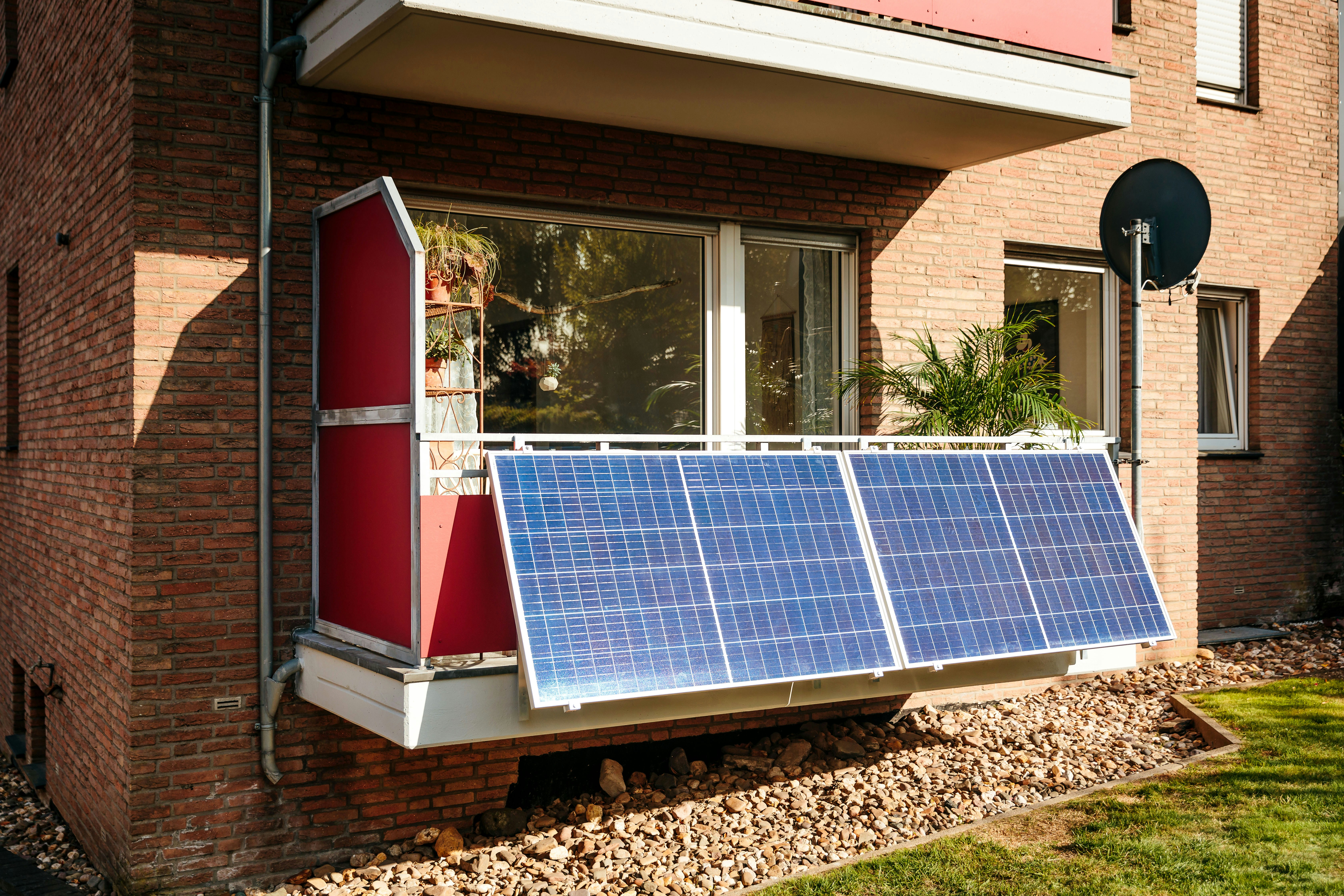
Wow, what a journey! From ancient mirrors lighting fires to cutting-edge solar farms powering entire cities, solar energy truly is one of humanity’s most brilliant inventions. At Gone Greenish™, we hope this deep dive has illuminated not just how solar panels work, but why they matter so much for a healthier you and a healthier planet. 🌍💚
To recap: solar panels harness the sun’s photons to excite electrons in silicon cells, creating direct current electricity, which is then converted to usable alternating current by inverters. Whether on your rooftop or sprawling across a solar farm, this technology is clean, sustainable, and increasingly affordable. And yes, they work even on cloudy days! ☁️
We also clarified the difference between solar PV panels (electricity generators) and solar thermal panels (heat producers), explored the global leaders in solar power, and discussed how solar integrates into modern grids with smart storage solutions. Plus, we busted common myths and shared practical tips to maximize your system’s efficiency.
If you’re considering going solar, the future looks bright. With improving technologies like bifacial panels, perovskite cells, and smarter batteries, your investment today will only get better with time. And remember, solar power is not just an energy choice—it’s a lifestyle commitment to reducing your carbon footprint and embracing a cleaner, greener world.
So, are you ready to catch some rays and power your life sustainably? We say, absolutely yes! ✅
📚 Recommended Links for Deep Diving Into Solar Energy
Ready to take your solar knowledge and setup to the next level? Check out these top products and resources that we at Gone Greenish™ trust and recommend:
- Tesla Powerwall (Battery Storage):
Amazon | Tesla Official Website - Enphase Encharge (Battery Storage):
Amazon | Enphase Official Website - SunPower Solar Panels (High Efficiency PV Panels):
Amazon | SunPower Official Website - LG Solar Panels:
Amazon | LG Official Website - SolarEdge Power Optimizers and Inverters:
Amazon | SolarEdge Official Website - Books:
These resources will help you make informed decisions and stay updated on the latest in solar tech!
❓ Frequently Asked Questions (FAQ) About Solar Panels
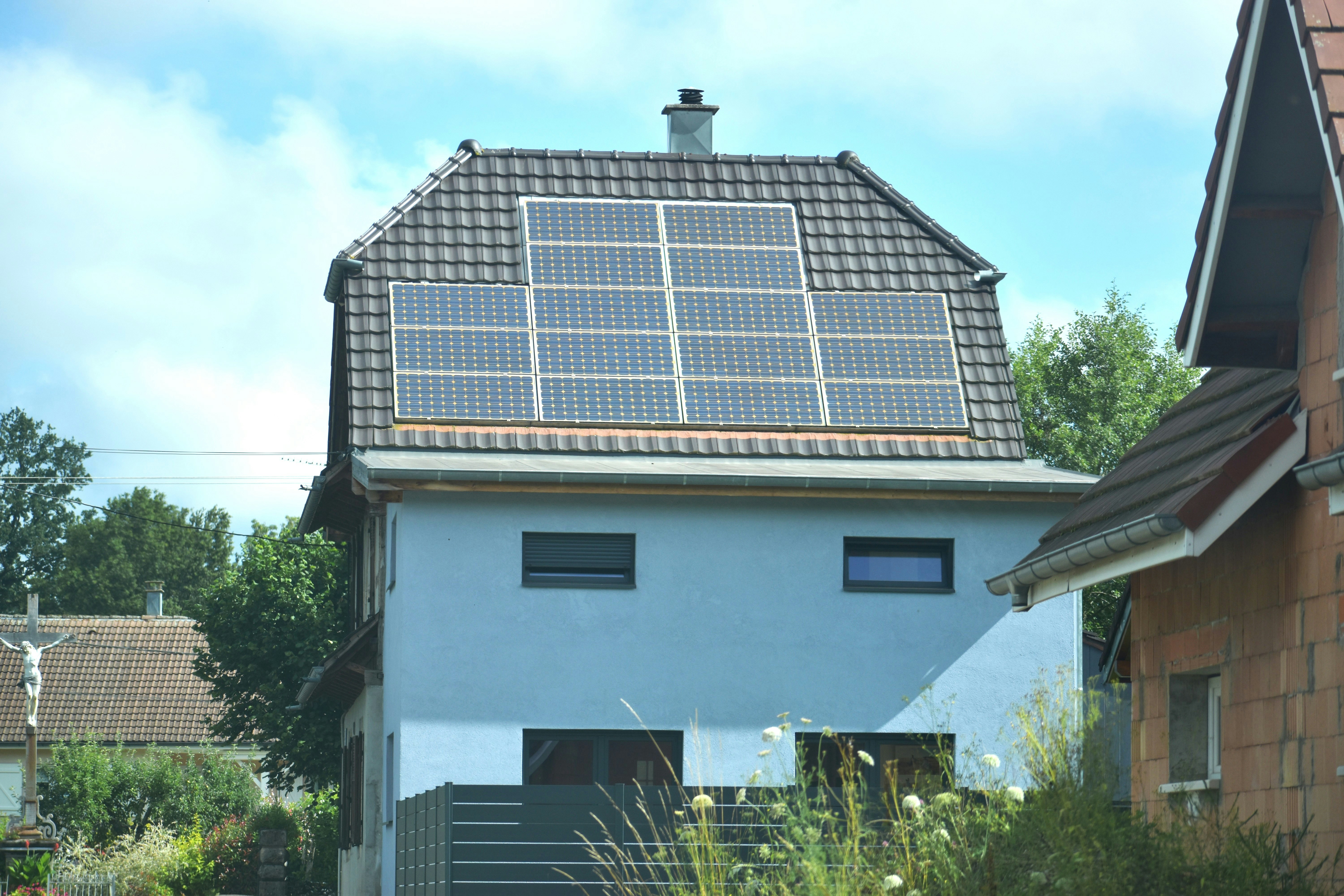
How do solar panels actually work?
Solar panels work by converting sunlight into electricity through the **photovoltaic effect**. When photons from sunlight hit silicon cells inside the panel, they excite electrons, creating an electric current (DC). This current is then converted to alternating current (AC) by an inverter for use in your home or business. The process is clean, silent, and sustainable.
Are solar panels worth it yes or no?
**Yes!** Solar panels are worth it for most homeowners and businesses. They reduce electricity bills, increase property value, and significantly cut carbon emissions. Thanks to falling costs and incentives like the federal Investment Tax Credit (ITC), most systems pay for themselves within 5-10 years and continue generating free electricity for decades.
How does solar power work at night?
Solar panels do **not** generate electricity at night because there is no sunlight. However, if you have a battery storage system (like Tesla Powerwall), excess energy produced during the day can be stored and used at night. Alternatively, grid-tied systems draw power from the utility grid after sunset, often offset by net metering credits earned during the day.
How do you power your house with solar panels?
Your solar panels generate DC electricity from sunlight, which flows to an inverter that converts it to AC electricity compatible with your home appliances. The system is connected to your home’s electrical panel, supplying power directly. Excess electricity can be sent to the grid (net metering) or stored in batteries for later use.
How does solar panels work step by step?
1. Sunlight (photons) hits the solar panel’s silicon cells. 2. Photons excite electrons, creating an electric current (DC). 3. The current flows through wiring to an inverter. 4. The inverter converts DC to AC electricity. 5. AC electricity powers your home or business. 6. Excess electricity can be stored in batteries or sent to the grid.
What are the environmental benefits of using solar panels?
Solar panels produce **zero emissions** during operation, reducing greenhouse gases and air pollution. They decrease reliance on fossil fuels, conserve water compared to thermal power plants, and help mitigate climate change. Over their lifecycle, solar panels have a small carbon footprint with increasing recycling efforts minimizing waste.
Can solar panels help reduce your carbon footprint?
Absolutely! By generating clean electricity, solar panels reduce the amount of fossil fuel energy you consume, directly lowering your personal or business carbon footprint. This helps combat climate change and supports a healthier planet.
How efficient are modern solar panels at generating energy?
Modern solar panels typically have efficiencies between **15% and 22%**, with premium monocrystalline panels like SunPower reaching the higher end. Efficiency depends on panel technology, temperature, shading, and installation quality.
What materials are used to make solar panels eco-friendly?
Solar panels primarily use **silicon**, **glass**, and **aluminum**—materials that are abundant and recyclable. Advances in manufacturing aim to reduce toxic chemicals and energy use. Recycling programs recover valuable materials at end-of-life, supporting a circular economy.
How does solar energy contribute to a healthier planet?
Solar energy reduces greenhouse gas emissions, air and water pollution, and fossil fuel dependence. It conserves natural resources and supports biodiversity by reducing habitat destruction associated with mining and drilling. Solar energy is a cornerstone of sustainable development and climate action.
What maintenance do solar panels require to stay effective?
Solar panels require minimal maintenance—mainly periodic cleaning to remove dust and debris, routine performance monitoring, and occasional professional inspections. Avoid harsh cleaners and ensure shading is minimized. Proper maintenance ensures panels operate at peak efficiency for 25+ years.
📑 Reference Links and Resources
- National Grid: How Does Solar Power Work?
- U.S. Department of Energy: How Do Solar Panels Work?
- EnergySage: How Do Solar Panels Work? Solar Power Explained
- SunPower Official Website: https://us.sunpower.com/
- Tesla Powerwall: https://www.tesla.com/powerwall
- Enphase Energy: https://enphase.com/media/2306
- SolarEdge Technologies: https://www.solaredge.com/us
- Energy.gov Solar Incentives: https://www.energy.gov/eere/solar/energy-related-federal-financial-assistance-programs
For more expert insights and practical tips, keep exploring Gone Greenish™ and power your life with the sun! ☀️🌿