Support our educational content for free when you purchase through links on our site. Learn more
How Do I Start an Off-Grid Life? 12 Essential Steps for 2026 🌿

Ever dreamed of waking up to birdsong instead of alarm clocks, sipping water you collected from your own roof, and powering your home with nothing but sunshine and a little elbow grease? Starting an off-grid life isn’t just about ditching the grid—it’s about reclaiming freedom, sustainability, and a deeper connection to the planet. But where do you begin when the idea feels as vast as the wilderness itself?
Here’s a little teaser: Did you know that a well-planned solar setup can pay for itself in under a decade, while a simple rainwater catchment system can provide all your daily water needs? Yet, many hopeful off-gridders get stuck on legal land pitfalls or underestimate the importance of community and mindset. In this comprehensive guide, we’ll walk you through 12 essential steps from choosing the perfect homestead to mastering waste management, backed by real-world experience and expert insights from the health nuts at Gone Greenish™. Ready to turn that dream into your new reality? Let’s dive in!
Key Takeaways
- Choosing the right land with legal water rights and solar-friendly terrain is foundational.
- Reliable renewable energy systems like Renogy solar kits and backup Bluetti power stations are game changers.
- Water independence through rainwater harvesting and purification is non-negotiable for health and sustainability.
- Sustainable food production using permaculture and small livestock ensures long-term self-sufficiency.
- Building smart, eco-friendly homes with materials like earthships or tiny homes reduces environmental impact.
- Community and mindset are as important as tools and tech for thriving off-grid.
Curious about the best gear to get started? Check out our detailed product recommendations for solar kits, water filters, and essential tools throughout the article!
Table of Contents
- ⚡️ Quick Tips and Facts to Kickstart Your Off-Grid Journey
- 🌿 The Evolution of Off-Grid Living: From Survival to Lifestyle
- 1. 🏡 Choosing the Perfect Location for Your Off-Grid Homestead
- 2. 🔌 Off-Grid Power Solutions: Solar, Wind, and Beyond
- 3. 💧 Water Independence: Sourcing, Purification, and Storage
- 4. 🌱 Sustainable Food Production: Gardening, Livestock, and Foraging
- 5. 🛠️ Building Your Off-Grid Home: Materials, Design, and Construction
- 6. 🔧 Essential Off-Grid Tools and Gear for Daily Living
- 7. 📡 Communication and Connectivity Off the Grid
- 8. 🧰 Emergency Preparedness and Safety Measures
- 9. 💸 Budgeting and Financial Planning for Off-Grid Living
- 🎥 Must-Watch Videos: Inspiring Off-Grid Living Journeys and Tutorials
- 📚 Recommended Books and Resources for Off-Grid Beginners
- 🧩 Troubleshooting Common Off-Grid Challenges
- 🔄 Transitioning Smoothly: From City Life to Off-Grid Freedom
- 🧠 Mindset and Community: Thriving Beyond the Grid
- ✅ Conclusion: Your Roadmap to Off-Grid Success
- 🔗 Recommended Links for Off-Grid Enthusiasts
- ❓ FAQ: Answering Your Burning Off-Grid Questions
- 📑 Reference Links and Credible Sources
⚡️ Quick Tips and Facts to Kickstart Your Off-Grid Journey
Before you trade your latte for a log cabin, check out our Off-Grid Living Uncovered: 15 Essential Secrets for 2025 🌿 to see what you’re really getting into! Starting an off-grid life is about more than just “unplugging”; it’s about plugging into a more intentional way of existing.
| Fact/Tip | Description |
|---|---|
| Land Size | You can start on as little as 1/4 acre, but 2-5 acres is the “sweet spot” for total self-sufficiency. |
| Water Rule | You need roughly 20-50 gallons per person, per day for basic needs (including gardening). |
| Solar ROI | Most off-grid solar systems pay for themselves in 7 to 10 years compared to utility bills. |
| Zoning First | ✅ Always check “Minimum Square Footage” laws before buying land; some counties ban tiny homes. |
| Waste Not | ❌ Never dump greywater near your fresh water source. Use a proper filtration system. |
🌿 The Evolution of Off-Grid Living: From Survival to Lifestyle
Historically, “living off the land” was just called… living. Before the 1930s and the Rural Electrification Act, most of rural America was “off-grid” by default. We hauled water, chopped wood, and used the sun as our primary clock.
Today, the movement has shifted from desperate survivalism to a sophisticated carbon footprint reduction strategy. We aren’t just hiding in the woods; we’re using high-tech eco-conscious brands to live better than we did in the city. As we face the realities of climate change, self-sufficiency has become the ultimate flex. But how do you actually start? Is it all romantic sunsets and sourdough, or is it mostly fixing broken pipes in the rain? (Spoiler: It’s a bit of both, but we’ll show you how to tip the scales toward the sunsets!)
1. 🏡 Choosing the Perfect Location for Your Off-Grid Homestead
Your land is your foundation—literally. If you pick a spot with no sun and “un-drillable” rock, your off-grid dreams will stay stuck in the mud.
Understanding Climate and Terrain
You need to be a bit of a “land whisperer.” Look for south-facing slopes (in the Northern Hemisphere) to maximize your passive solar gain. According to the experts at EcoShack, you should aim for land with bedrock suitable for structures and a growing season of at least 6 months.
Legalities and Zoning: What You Must Know
This is where the “freedom” of off-grid living hits a bureaucratic wall.
- Water Rights: Just because a river runs through it doesn’t mean you can drink it. Check state laws on water rights.
- Building Codes: Some counties require you to be connected to the grid by law. Look for “unincorporated” areas with minimal restrictions.
2. 🔌 Off-Grid Power Solutions: Solar, Wind, and Beyond
Power is the heartbeat of your home. While the featured video suggests a generator for immediate needs, we recommend a robust solar setup for long-term conservation tips.
Solar Power Systems: Panels, Batteries, and Inverters
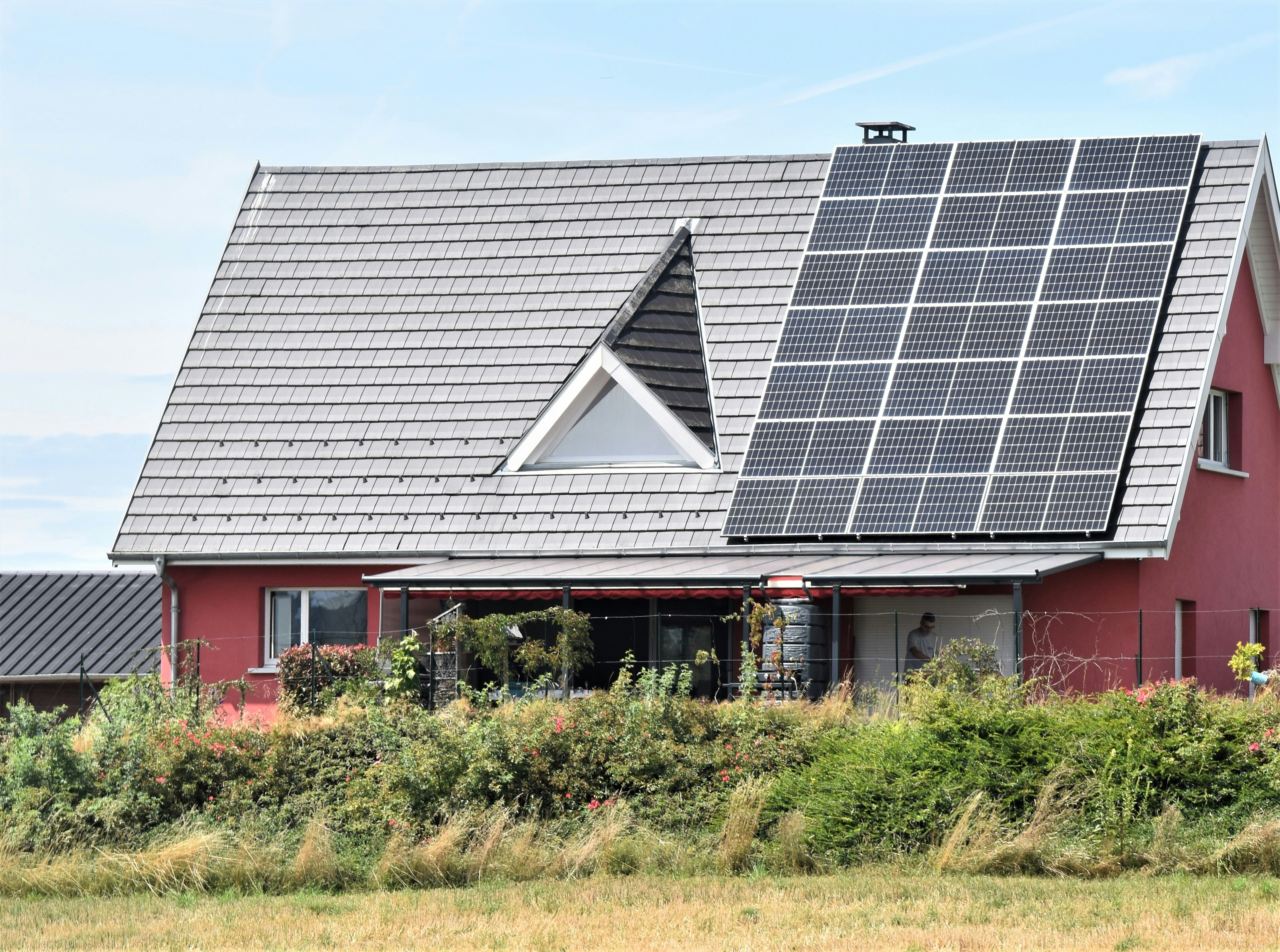
We’ve tested a lot of gear, and Renogy consistently hits the mark for beginners.
Product Rating: Renogy 400W Premium Solar Kit
| Feature | Rating (1-10) | Notes |
|---|---|---|
| Efficiency | 9 | Monocrystalline cells are top-tier. |
| Durability | 8 | Weatherproof and sturdy frames. |
| Ease of Install | 7 | Requires some basic electrical knowledge. |
| Value | 9 | Great entry point for DIYers. |
👉 CHECK PRICE on:
- Renogy Solar Kits: Amazon | Walmart | Renogy Official Website
Solar Power Components Comparison
| Component | Purpose | Top Recommendation |
|---|---|---|
| Panels | Capture sunlight | Renogy Monocrystalline |
| Battery | Store energy | Battle Born LiFePO4 |
| Inverter | Convert DC to AC | Victron Energy MultiPlus |
| Charge Controller | Protect batteries | Renogy Rover MPPT |
Backup Generators and Hybrid Systems
Don’t rely on the sun alone. A Bluetti Portable Power Station is a lifesaver for smaller gadgets or as a mobile power source while building.
👉 Shop Bluetti on:
- Bluetti Power Stations: Amazon | Walmart | Bluetti Official Website
3. 💧 Water Independence: Sourcing, Purification, and Storage
Water is non-negotiable. You can live without TikTok, but you can’t live without H2O.
Rainwater Harvesting Techniques
Did you know you can collect 0.623 gallons of water per square foot of roof for every inch of rain? (Source: Watercache).
- Catchment: Your roof (metal is best).
- Conveyance: Gutters and downspouts.
- Filtration: A “first flush diverter” to remove bird poop and debris.
- Storage: Food-grade tanks (IBC totes are a popular budget choice).
Water Filtration and Purification Methods
For drinking, we swear by the Berkey Water Filter. It’s gravity-fed, so no power is needed. ❌ Avoid drinking raw rainwater or well water without testing it for heavy metals and bacteria first.
👉 Shop Water Filtration on:
4. 🌱 Sustainable Food Production: Gardening, Livestock, and Foraging
Becoming your own grocery store is the most rewarding (and exhausting) part of going green.
Permaculture and Raised Bed Gardening
Don’t just plant rows; design an ecosystem. Use raised beds to control soil quality. We love tools from Neversink Tools for high-efficiency, small-scale farming.
Raising Chickens, Goats, and Other Livestock
- Chickens: The “gateway drug” to homesteading. They provide eggs and eat your pests.
- Goats: Great for milk and clearing brush, but they are escape artists! 🐐
5. 🛠️ Building Your Off-Grid Home: Materials, Design, and Construction
How do you build a house that doesn’t cost the Earth? The team at This Off Grid Life emphasizes milling your own lumber if you have trees on your property. It’s labor-intensive but saves a fortune.
Tiny Homes, Cabins, and Earthships
- Tiny Homes: Great for mobility and low energy use.
- Earthships: Use recycled tires and dirt for incredible thermal mass, keeping you cool in summer and warm in winter.
- Log Cabins: Classic, but require high maintenance to prevent rot.
6. 🔧 Essential Off-Grid Tools and Gear for Daily Living
You are only as good as your tools. If something breaks and the nearest Home Depot is two hours away, you better have a backup.
- Chainsaw: Stihl or Husqvarna are the gold standards.
- Milling Equipment: A Granberg Alaskan Mill lets you turn logs into lumber.
- Multi-tool: Leatherman Wave+ for daily fixes.
- Axe: Fiskars X27 for splitting that “king” firewood mentioned in the featured video.
👉 Shop Essential Tools on:
- Stihl Equipment: Official Website
- Leatherman Tools: Amazon | Walmart
7. 📡 Communication and Connectivity Off the Grid
“Off-grid” doesn’t have to mean “offline.” Whether you’re a digital nomad or just want to check the weather, Starlink has revolutionized remote living. It’s a bit of a power hog, so factor that into your solar calculations!
8. 🧰 Emergency Preparedness and Safety Measures
When you’re the first responder, you need a plan.
- First Aid: Get a professional-grade kit like those from MyMedic.
- Fire Safety: Keep multiple extinguishers and a fire-resistant perimeter around your home.
- Communication: A Garmin inReach satellite communicator is vital if cell service is non-existent.
9. 💸 Budgeting and Financial Planning for Off-Grid Living
There is a major conflict in the off-grid world: How much does it cost?
- The Budget View: The featured video claims you don’t need much money—just sweat equity and owner-financing.
- The Realistic View: EcoShack notes that a full solar setup alone can cost $10,000 to $75,000.
Our Take: Start small. Buy the land, build a shed, and use a Bluetti and a composting toilet (like a Nature’s Head) while you save for the “forever” systems.
🎥 Must-Watch Videos: Inspiring Off-Grid Living Journeys and Tutorials
To truly visualize this life, you need to see it in action.
Featured Video: The Bare Essentials
The perspective in the first YouTube video we’ve highlighted is incredibly grounding. It reminds us that at its core, you only need four things: **water, shelter, heat, and power**. The creator emphasizes that “firewood is king” for heat—it’s homey, smells great, and warms you to the bone. Most importantly, they argue that you *don’t* need a massive bank account to start; you just need the willingness to work.
📚 Recommended Books and Resources for Off-Grid Beginners
- The Encyclopedia of Country Living by Carla Emery (The “Bible” of homesteading).
- The Solar Electricity Handbook by Michael Boxwell.
- Gaia’s Garden by Toby Hemenway (For permaculture fans).
🧩 Troubleshooting Common Off-Grid Challenges
- Problem: My batteries are dying at night.
- Fix: Check for “phantom loads” or upgrade to Lithium Iron Phosphate (LiFePO4) batteries which have a deeper discharge rate.
- Problem: The garden is failing.
- Fix: Test your soil pH! Most off-grid soil needs heavy composting to become fertile.
🔄 Transitioning Smoothly: From City Life to Off-Grid Freedom
Don’t quit your job on Monday and move to the woods on Tuesday.
- Phase 1: Reduce your waste and start a balcony garden.
- Phase 2: Spend weekends on your land in a tent or van.
- Phase 3: Build your “dry” cabin (no plumbing yet).
- Phase 4: Full-time move.
🧠 Mindset and Community: Thriving Beyond the Grid
The biggest challenge isn’t the cold or the chores—it’s the isolation. Join local Facebook groups or forums like Permies.com. Living off-grid doesn’t mean living alone; it means choosing your community intentionally.
But wait… once you have the land, the power, and the water… how do you actually handle the “business” of the bathroom without a sewer line? We’ll dive into the (surprisingly clean) world of waste management in the next section!
✅ Conclusion: Your Roadmap to Off-Grid Success
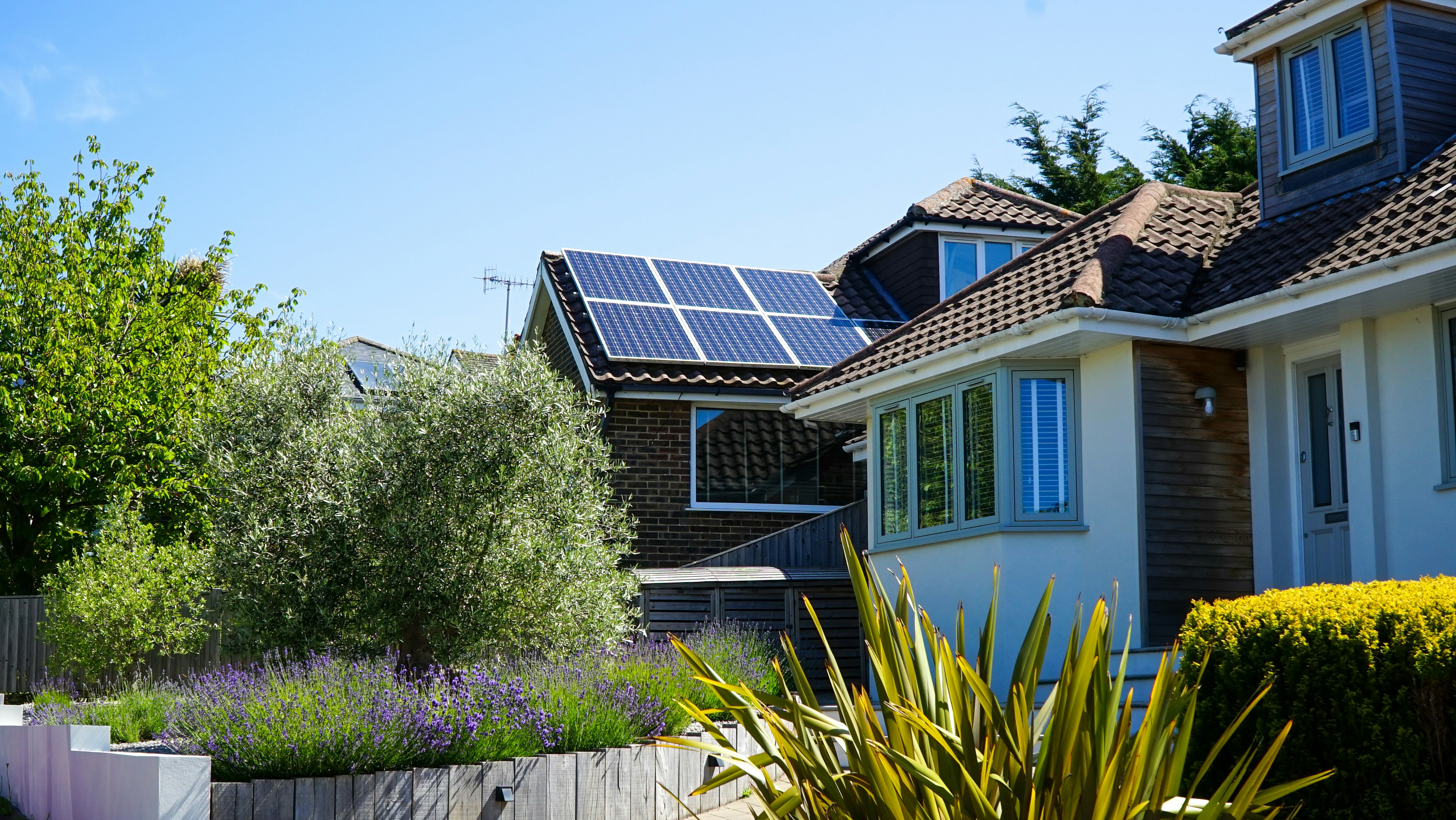
So, how do you start an off-grid life? It’s a thrilling blend of planning, patience, and passion. From choosing the right land with legal water rights and solar-friendly terrain, to investing in reliable power systems like Renogy solar kits and backup Bluetti power stations, you’re building a lifestyle that’s both sustainable and empowering. Water independence through rainwater harvesting and purification, growing your own food with permaculture principles, and crafting a cozy, energy-efficient home all come together to create your off-grid sanctuary.
We’ve seen the challenges firsthand—batteries that mysteriously drain overnight, soil that refuses to grow, and the mental hurdles of isolation. But with the right tools, mindset, and community, these obstacles become stepping stones. Remember, off-grid living is a journey, not a sprint. Start small, test your systems, and grow your independence over time.
And about that lingering question: how do you handle the bathroom without a sewer line? Composting toilets like Nature’s Head or Air Head are the clean, eco-friendly answer that keeps your water pure and your footprint light.
Our confident recommendation: invest in quality solar gear (Renogy), reliable water filtration (Berkey), and durable tools (Stihl chainsaws, Leatherman multi-tools). These brands have proven their worth in the field and will serve you well as you build your green dream.
Ready to unplug and live free? The off-grid life awaits—with all its dirt, sweat, and breathtaking sunsets. 🌅
🔗 Recommended Links for Off-Grid Enthusiasts
👉 CHECK PRICE on:
-
Renogy Solar Kits:
Amazon | Walmart | Renogy Official Website -
Bluetti Portable Power Stations:
Amazon | Walmart | Bluetti Official Website -
Stihl Chainsaws:
Stihl Official Website -
Nature’s Head Composting Toilet:
Amazon | Nature’s Head Official Website
Recommended Books on Amazon:
- The Encyclopedia of Country Living by Carla Emery: Amazon Link
- The Solar Electricity Handbook by Michael Boxwell: Amazon Link
- Gaia’s Garden: A Guide to Home-Scale Permaculture by Toby Hemenway: Amazon Link
❓ FAQ: Answering Your Burning Off-Grid Questions
How much money do I need to start living off-grid?
Starting off-grid can be as affordable or as expensive as you choose. Basic setups with a tent, rainwater collection, and a small solar generator can be under a few thousand dollars. However, a full solar power system, well drilling, and building a home can run into tens of thousands. We recommend starting small and scaling up as you gain experience and resources. Remember, sweat equity often trumps cash early on!
How to live 100% off the grid?
Living 100% off-grid means complete independence from public utilities. This requires:
- Reliable renewable energy (solar, wind, or micro-hydro) with battery storage.
- Sustainable water sourcing and purification.
- Food self-sufficiency through gardening and livestock.
- Waste management via composting toilets and greywater systems.
- Communication tools like satellite internet or radios for emergencies.
It’s a gradual process—test each system before fully cutting ties.
How do you make money living off the grid?
Off-grid living doesn’t mean off-income! Many people:
- Sell excess produce, eggs, or honey.
- Offer workshops or eco-tourism experiences.
- Work remotely using satellite internet (Starlink is a popular choice).
- Freelance or create digital content about off-grid living.
Diversifying income streams helps maintain financial stability.
What are the first steps to living off-grid sustainably?
- Assess your goals and resources.
- Choose land with legal water and building rights.
- Set up basic power and water systems.
- Start a small garden and composting system.
- Build community connections for support and knowledge sharing.
Sustainability is about balance and continuous learning.
How can I generate renewable energy for an off-grid home?
Solar power is the most accessible and scalable option. Use:
- Monocrystalline solar panels for efficiency.
- Lithium-ion batteries for energy storage.
- MPPT charge controllers to optimize power flow.
Wind turbines and micro-hydro systems are great supplements if your location supports them.
What are the best water sources for off-grid living?
- Rainwater harvesting is simple and effective with proper filtration.
- Wells provide reliable groundwater but require drilling and pumps.
- Natural springs or creeks can be used if water quality is tested and treated.
Always test and purify water before use.
How do I grow my own food while living off-grid?
Start with:
- Raised beds and permaculture principles to build soil health.
- Seasonal planting based on your climate zone.
- Companion planting to reduce pests naturally.
- Small livestock like chickens or goats for protein and fertilizer.
Preserving food through canning or drying extends your harvest.
What are essential skills for successful off-grid living?
- Basic carpentry and plumbing.
- Electrical knowledge for solar and battery systems.
- Gardening and animal husbandry.
- Water purification and waste management.
- Emergency first aid and survival skills.
- Problem-solving and adaptability are key!
How can off-grid living improve my health and well-being?
Off-grid life encourages:
- Physical activity through gardening and building.
- Mental clarity by reducing digital noise and reconnecting with nature.
- Healthier eating from fresh, organic food.
- Lower stress from living intentionally and sustainably.
It’s a holistic upgrade for body and soul.
What are common challenges when starting an off-grid lifestyle?
- Initial costs and time investment.
- Technical failures (battery issues, water contamination).
- Isolation and mental health struggles.
- Legal and zoning hurdles.
- Weather extremes impacting energy and food production.
Preparation and community support mitigate these issues.
📑 Reference Links and Credible Sources
- Rural Electrification Act – National Archives
- Water Rights Information – Bureau of Land Management
- Energy Saver: Passive Solar Home Design – U.S. Department of Energy
- Watercache: Rainwater Harvesting 101
- EcoShack: How To Live Off The Grid (2025 Guide)
- Renogy Official Website
- Bluetti Official Website
- Berkey Water Filters
- Nature’s Head Composting Toilet
- Stihl USA
- Leatherman Tools
- Permies.com Off-Grid Forum
Ready to take the plunge? Remember, every off-grid journey is unique—start where you are, use what you have, and do what you can. 🌱