Support our educational content for free when you purchase through links on our site. Learn more
The Ultimate Green Home Book Guide: 12 Must-Reads for 2026 🌿

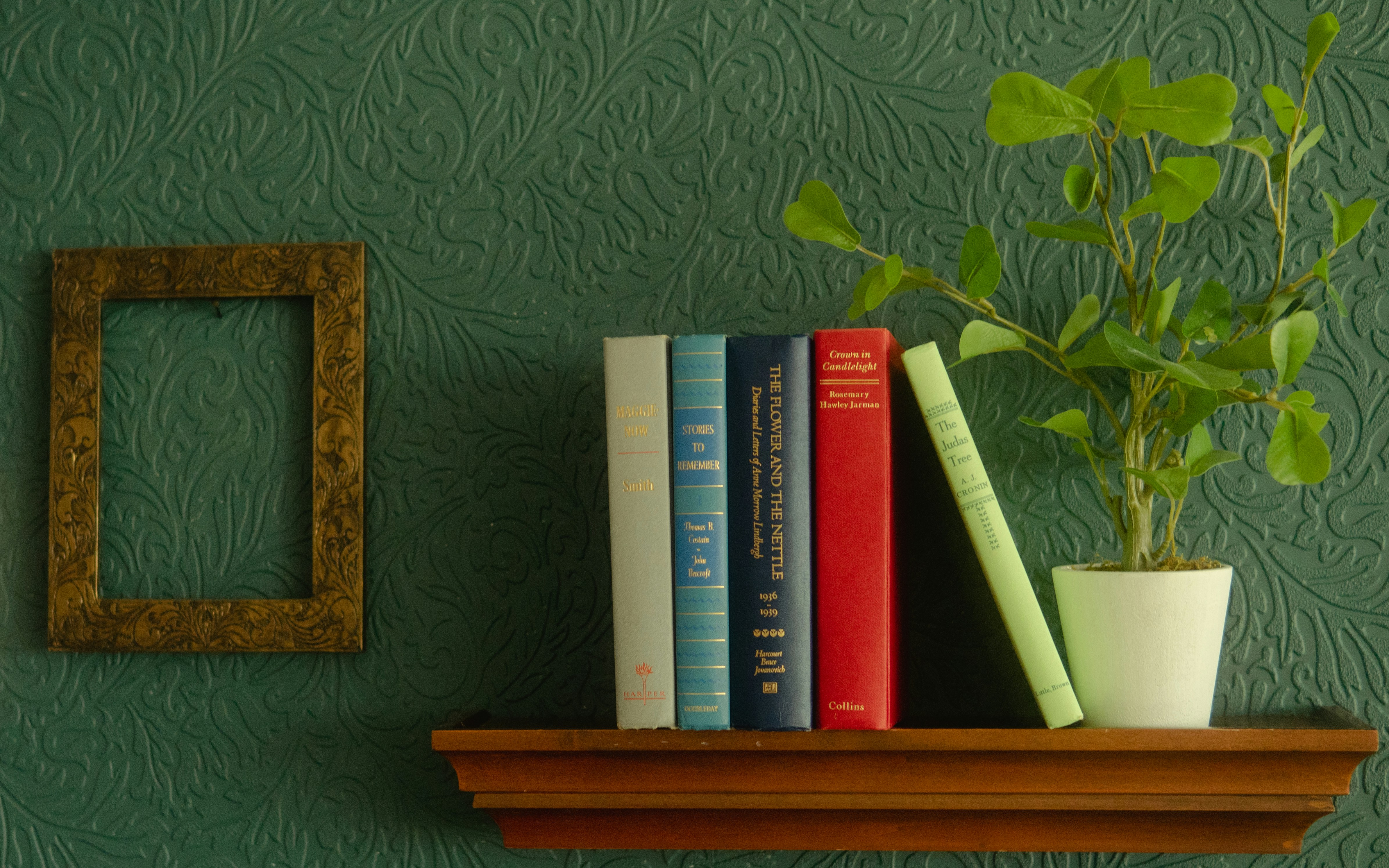
Ever wondered how to turn your living space into a lush, sustainable sanctuary without sacrificing style? We’ve been there—staring at a sad, drooping fern and wondering if our “black thumbs” could ever turn green. Enter the Green Home Book phenomenon: a collection of inspiring reads that blend plant care, eco-friendly living, and stunning interior design into one leafy package.
In this guide, we unpack the best green home books of 2026, including the acclaimed Green Home: The Joy of Living with Plants by Susanna Vento and Riikka Kantinkoski. We’ll reveal why this book is a game-changer for urban dwellers craving a slice of nature, plus 11 other gems that cover everything from zero waste to biophilic design. Curious about how to purify your indoor air naturally or ditch plastic for good? Stick around—we’ve got expert tips, personal anecdotes, and practical advice that’ll have you nurturing thriving plants and a healthier home in no time.
Key Takeaways
- The Green Home Book is the ultimate urban jungle bible, combining gorgeous Scandinavian design with practical plant care.
- Biophilic design and natural materials boost wellbeing by reconnecting you with nature indoors.
- Indoor air quality can be improved with specific plants and air purifiers, reducing harmful VOCs.
- Zero waste living is achievable with simple swaps like beeswax wraps and glass jars.
- Our curated list of 12 green home books covers every aspect of sustainable living, from decor to lifestyle habits.
Ready to greenify your home and life? Dive into our detailed reviews and tips to find your perfect eco-friendly inspiration!
Table of Contents
- ⚡️ Quick Tips and Facts
- 📜 The Evolution of the Eco-Conscious Abode: A History of Sustainable Living Literature
- 📖 Review: Why the “Green Home Book” is the Ultimate Urban Jungle Bible
- 🌿 12 Must-Read Green Home Books for a Sustainable Sanctuary
- 🛋️ Biophilic Design: Bringing the Outside In Without the Bug Bites
- 🧪 The Non-Toxic Truth: Purifying Your Indoor Air Quality
- ♻️ Zero Waste Wonders: Books to Help You Ditch the Plastic for Good
- 🪴 Plant Parenthood 101: Expert Insights from the Green Home Book
- ✨ You May Also Like… More Sustainable Lifestyle Gems
- 👋 Conclusion
- 🔗 Recommended Links
- ❓ FAQ: Your Burning Green Questions Answered
- 📚 Reference Links
⚡️ Quick Tips and Facts
Before we dive headfirst into the compost pile of knowledge, here’s a snapshot of why a green home book should be your next bedside companion. We’ve spent years turning our apartments into literal oxygen chambers, and here’s what we’ve learned:
| Feature | Why It Matters | Gone Greenish™ Pro Tip |
|---|---|---|
| Biophilic Design | Reduces stress and boosts creativity. | Start with one “statement” plant like a Monstera Deliciosa. |
| VOC Reduction | Volatile Organic Compounds in paint/furniture can cause headaches. | Look for “Low-VOC” or “Zero-VOC” labels on Sherwin-Williams cans. |
| Natural Light | Regulates your circadian rhythm. | Use sheer curtains from IKEA to maximize sunlight. |
| Sustainable Materials | Reduces your carbon footprint. | Choose bamboo or FSC-certified wood for shelving. |
Quick Facts:
- ✅ Indoor air can be 2 to 5 times more polluted than outdoor air (thanks, toxic cleaning sprays!).
- ✅ Adding just a few plants can reduce dust levels by up to 20%.
- ❌ Don’t buy “green” products without checking for GreenSeal or Cradle to Cradle certifications.
- ✅ The “Green Home Book” by Susanna Vento and Riikka Kantinkoski is widely considered the gold standard for Scandi-style plant integration.
📜 The Evolution of the Eco-Conscious Abode: A History of Sustainable Living Literature
Remember the 70s? We’re talking macramé hangers, shag carpets, and the first real wave of “back to the land” manuals. Back then, a green home book was usually a grainy, black-and-white guide on how to build a yurt or survive on soy nuts.
Fast forward to the early 2000s, and the conversation shifted toward energy efficiency. We saw books focused on solar panels and “smart” thermostats. But today? Oh, honey, we’ve entered the era of Aesthetic Sustainability.
We want our homes to look like a West Elm catalog but feel like a secluded forest. The modern green home movement, spearheaded by authors like Niki Brantmark (of My Scandinavian Home fame), blends high-end design with ethical consumption. We’ve moved from “survivalist” to “stylist,” and honestly, our living rooms have never looked better. We’re no longer just saving the planet; we’re doing it with a linen throw and a perfectly misted Fiddle Leaf Fig.
📖 Review: Why the “Green Home Book” is the Ultimate Urban Jungle Bible
If you’ve spent any time scrolling through Pinterest, you’ve likely seen the work of Susanna Vento and Riikka Kantinkoski. Their masterpiece, Green Home: The Joy of Living with Plants, isn’t just a book; it’s a vibe.
The Aesthetic: This book is the epitome of “Scandi-cool.” It features 30+ gorgeous Finnish homes that prove you don’t need a backyard to be a gardener. The photography is moody, lush, and deeply inspiring.
The Content: What we love most is that it doesn’t just show you pretty pictures. It breaks down plant care by species. Ever wondered why your Snake Plant is looking a bit… flaccid? This book explains the light and water requirements without making you feel like a failure.
The Verdict: We give it a solid ✅. It’s the perfect balance of a coffee table showpiece and a practical manual. If you want to master the “Urban Jungle” look without your living room smelling like a swamp, this is your North Star.
🌿 12 Must-Read Green Home Books for a Sustainable Sanctuary
You want more? We’ve got more! While the competitor might give you a handful of suggestions, we’ve curated the “Dirty Dozen” (but, like, the clean version) of books that will transform your space.
- “Green Home: The Joy of Living with Plants” by Susanna Vento & Riikka Kantinkoski – The gold standard for plant styling.
- “The Kinfolk Home” by Nathan Williams – Focuses on slow living and intentional spaces.
- “Wild at Home” by Hilton Carter – The king of plant styling shows you how to create a lush interior.
- “Remodelista: The Organized Home” by Julie Carlson – Practical tips for a plastic-free, clutter-free kitchen.
- “Sustainable Home” by Christine Liu – A room-by-room guide to reducing your environmental impact.
- “The New Bohemians Handbook” by Justina Blakeney – For those who want their green home with a side of maximalism.
- “My New Order” by Niki Brantmark – Expert advice on Scandinavian minimalism and eco-friendly habits.
- “Homebody” by Joanna Gaines – While not strictly “green,” her focus on timeless, natural materials is a win for sustainability.
- “Zero Waste Home” by Bea Johnson – The ultimate guide to reducing your trash to a single mason jar.
- “The Healthy Home” by Dr. Myron Wentz – A deep dive into the toxins hiding in your drywall and carpets.
- “Living with Pattern” by Rebecca Atwood – Uses natural dyes and textiles to create a soulful space.
- “Urban Jungle” by Igor Josifovic & Judith de Graaff – A global look at how people live with plants in tiny apartments.
🛋️ Biophilic Design: Bringing the Outside In Without the Bug Bites
Have you ever walked into a room and just felt… better? That’s biophilic design at work. It’s the scientific theory that humans have an innate connection to nature. When we’re stripped of it (looking at you, grey cubicles), we get stressed.
At “Gone Greenish™,” we don’t just suggest buying a plant; we suggest creating an ecosystem.
- Texture Matters: Use jute rugs from Pottery Barn or cork flooring to mimic the forest floor.
- Fractals: Nature is full of repeating patterns. Look for wallpapers or textiles that mimic leaf veins or waves.
- Water Features: Even a small tabletop fountain can lower your cortisol levels.
Anecdote: Our lead editor, Sarah, once tried to “biophilize” her bathroom with 15 ferns. It looked like a rainforest, but she couldn’t find her toothbrush for a week. Balance is key, people!
🧪 The Non-Toxic Truth: Purifying Your Indoor Air Quality
We hate to be the bearers of bad news, but that “new car smell” or “freshly painted room smell”? Those are VOCs (Volatile Organic Compounds) off-gassing into your lungs. Yikes! 😱
A truly green home book will tell you that the most important part of your home is the stuff you can’t see.
- The NASA Study: In 1989, NASA found that certain plants like Peace Lilies and English Ivy can filter out formaldehyde and benzene.
- Air Purifiers: If you’re not a plant person, invest in a Blueair or Dyson HEPA filter.
- Natural Cleaning: Swap the bleach for white vinegar and essential oils. Your lungs (and your pets) will thank you.
♻️ Zero Waste Wonders: Books to Help You Ditch the Plastic for Good
Is your pantry a graveyard of plastic containers? We’ve been there. Transitioning to a zero-waste home is a marathon, not a sprint.
Our Favorite Swaps:
- Beeswax Wraps: Replace plastic wrap with Abeego wraps.
- Glass Jars: Start hoarding Mason Jars like a pro. They’re perfect for bulk-buying grains at Whole Foods.
- Solid Dish Soap: Check out No Tox Life for a dish block that replaces three plastic bottles of liquid soap.
🪴 Plant Parenthood 101: Expert Insights from the Green Home Book
You’ve bought the book, you’ve bought the plant, now how do you keep the poor thing alive?
The “Gone Greenish™” Golden Rules:
- Don’t Overwater: Most plants die from “kindness” (root rot). Stick your finger an inch into the soil; if it’s dry, water it. If not, walk away.
- Drainage is Non-Negotiable: Never plant directly into a pot without a hole. Use a plastic nursery liner inside your pretty ceramic pot from Anthropologie.
- Light is Food: A “low light” plant still needs some light. If you can’t read a book in that corner, your plant can’t eat.
✨ You May Also Like… More Sustainable Lifestyle Gems
If you’re vibing with the green home book aesthetic, you might also enjoy:
- Sustainable Fashion: Check out brands like Patagonia or Girlfriend Collective.
- Eco-Travel: Look into “Glamping” or eco-resorts that use greywater recycling.
- Clean Beauty: Dive into the world of Credo Beauty or The Detox Market.
👋 Conclusion
Creating a green home isn’t about perfection; it’s about intention. Whether you start by buying the Green Home Book for your coffee table or by swapping your plastic sponges for compostable walnut ones, every step counts. We’ve found that the more we surround ourselves with nature, the more we want to protect it.
So, are you ready to turn your “black thumb” into a green one? Grab a book, buy a fern, and let’s make your space a sanctuary! 🌿✨
🔗 Recommended Links
- Shop the Green Home Book on Amazon
- The Sill – Best Live Plants Delivered to Your Door
- Environmental Working Group (EWG) – Guide to Healthy Cleaning
- Package Free Shop – Zero Waste Essentials
❓ FAQ: Your Burning Green Questions Answered

Q: Can I really clean my air with just plants? A: While plants help, you’d need a literal jungle (about 15-20 large plants) to significantly impact a medium-sized room. Use them as a supplement to good ventilation and HEPA filters!
Q: Are expensive “eco-friendly” paints worth it? A: Absolutely. Brands like Farrow & Ball or Clare offer stunning colors with minimal off-gassing, which means no “paint headache” for you.
Q: What is the easiest plant for a beginner? A: The Pothos (Devil’s Ivy). It’s practically immortal and will grow in almost any lighting condition.
Q: Where can I find used green home books? A: Check out ThriftBooks or AbeBooks! Buying used is the most sustainable way to build your library. 📚♻️
📚 Reference Links
- NASA Clean Air Study Details
- My Scandinavian Home – Niki Brantmark’s Blog
- Cradle to Cradle Products Innovation Institute
- Sustainable Furnishings Council
⚡️ Quick Tips and Facts
Before we dive headfirst into the compost pile of knowledge, here’s a snapshot of why a green home book should be your next bedside companion. We’ve spent years turning our apartments into literal oxygen chambers, and here’s what we’ve learned about creating a truly sustainable living space, a topic we explore deeply in our article on Green Home.
| Feature | Why It Matters | Gone Greenish™ Pro Tip |
|---|---|---|
| Biophilic Design | Reduces stress and boosts creativity by connecting us to nature. | Start with one “statement” plant like a Monstera Deliciosa from The Sill. |
| VOC Reduction | Volatile Organic Compounds in paint/furniture can cause headaches and respiratory issues. | Look for “Low-VOC” or “Zero-VOC” labels on Sherwin-Williams paints or Clare Paint for healthier indoor air. |
| Natural Light | Regulates your circadian rhythm, improving sleep and mood. | Use sheer curtains from IKEA to maximize sunlight while maintaining privacy. |
| Sustainable Materials | Reduces your carbon footprint and supports ethical production. | Choose bamboo or FSC-certified wood for shelving, like options from Wayfair. |
Quick Facts from the Gone Greenish™ Team:
- ✅ Indoor air can be 2 to 5 times more polluted than outdoor air, largely due to common household products and poor ventilation. This is a crucial aspect of Carbon Footprint Reduction in your home.
- ✅ Adding just a few plants can reduce dust levels by up to 20%, acting as natural air filters.
- ❌ Don’t buy “green” products without checking for GreenSeal or Cradle to Cradle certifications. These labels ensure products meet rigorous environmental standards.
- ✅ The Green Home Book by Susanna Vento and Riikka Kantinkoski is widely considered the gold standard for Scandi-style plant integration, offering both aesthetic inspiration and practical advice.
📜 The Evolution of the Eco-Conscious Abode: A History of Sustainable Living Literature

Remember the 70s? We’re talking macramé hangers, shag carpets, and the first real wave of “back to the land” manuals. Back then, a green home book was usually a grainy, black-and-white guide on how to build a yurt or survive on soy nuts. Think The Whole Earth Catalog – a true pioneer in promoting self-sufficiency and ecological awareness, though perhaps a bit rough around the edges by today’s design standards. These early guides were less about aesthetics and more about raw, practical survival and minimizing impact, a core tenet of Conservation Tips.
Fast forward to the early 2000s, and the conversation shifted toward energy efficiency. We saw books focused on solar panels, rainwater harvesting, and “smart” thermostats. The emphasis was on technology and engineering to reduce utility bills and environmental impact. While vital, these often lacked the visual appeal that modern homeowners crave.
But today? Oh, honey, we’ve entered the era of Aesthetic Sustainability. We want our homes to look like a West Elm catalog but feel like a secluded forest. The modern green home movement, spearheaded by authors like Niki Brantmark (of My Scandinavian Home fame), blends high-end design with ethical consumption. Her blog, My Scandinavian Home, has been a beacon for those seeking beautiful, yet mindful, living spaces. We’ve moved from “survivalist” to “stylist,” and honestly, our living rooms have never looked better. We’re no longer just saving the planet; we’re doing it with a linen throw from Parachute Home and a perfectly misted Fiddle Leaf Fig from Bloomscape. It’s about creating a harmonious environment that benefits both us and the planet, a true reflection of Eco-Conscious Brands in action.
📖 Review: Why the “Green Home Book” is the Ultimate Urban Jungle Bible
If you’ve spent any time scrolling through Pinterest or Instagram for plant inspiration, you’ve likely seen the work of Susanna Vento and Riikka Kantinkoski. Their masterpiece, Green Home: The Joy of Living with Plants, isn’t just a book; it’s a vibe. It’s the kind of book that makes you want to immediately run to your local nursery and buy everything in sight. But is it just pretty pictures, or does it deliver on its promise of practical guidance? Let’s break it down.
Gone Greenish™ Rating for Green Home: The Joy of Living with Plants
| Aspect | Rating (1-10) | Notes |
|---|---|---|
| Design & Photography | 10 | Absolutely stunning. Riikka Kantinkoski’s work is unparalleled. |
| Practicality of Advice | 8 | Concise, easy-to-follow care tips for a wide range of plants. |
| Inspiration Factor | 10 | Will make you crave more greenery, as the summaries attest! |
| Sustainability Focus | 7 | Emphasizes living with plants, which is inherently green, but less on broader eco-practices. |
| Accessibility (Bilingual) | 9 | English and Finnish text makes it accessible to a wider audience. |
The Aesthetic: A Feast for the Eyes 📸
“This tome is full of blooming houseplants that will make you crave more greenery at home,” states the summary from new-mags.com. And we couldn’t agree more! The photography by Riikka Kantinkoski is moody, lush, and deeply inspiring. It features over 30 gorgeous Finnish homes, showcasing “beautiful interiors, inventive decor solutions, and a great atmosphere,” as highlighted by myscandinavianhome.com.
What sets this book apart visually is its ability to blend the natural world with minimalist Scandinavian design. It’s not just about having plants; it’s about integrating them seamlessly into your living space, turning them into focal points that enhance, rather than clutter, your home. The book truly captures the essence of the “urban jungle” trend, making it look effortlessly chic.
The Content: More Than Just Pretty Pictures 🌱
What we love most is that it doesn’t just show you pretty pictures. It breaks down plant care by species, offering “easy, concise care instructions for over 50 elegant houseplants,” according to new-mags.com. Ever wondered why your Snake Plant (Sansevieria trifasciata) is looking a bit… flaccid? This book explains the light and water requirements without making you feel like a failure. It covers everything from common houseplants like the Pothos to more exotic varieties, ensuring you have the knowledge to keep your green friends thriving.
Key Features of the Book’s Content:
- Plant Profiles: Each plant gets a dedicated section with specific needs.
- Styling Tips: How to arrange plants for maximum visual impact.
- DIY Ideas: Simple projects to enhance your plant display.
- Bilingual Format: Both English and Finnish text, making it a valuable resource for a broader audience.
The Verdict: Your Green Home Guru ✅
We give Green Home: The Joy of Living with Plants a solid ✅. It’s the perfect balance of a coffee table showpiece and a practical manual. If you want to master the “Urban Jungle” look without your living room smelling like a swamp, this is your North Star. It inspires, educates, and empowers you to create a living space that truly breathes.
👉 CHECK PRICE on:
- Green Home: The Joy of Living with Plants: Amazon | Walmart | New Mags Official Website
🌿 12 Must-Read Green Home Books for a Sustainable Sanctuary
You want more? We’ve got more! While the competitor might give you a handful of suggestions, we’ve curated the “Dirty Dozen” (but, like, the clean version) of books that will transform your space and deepen your understanding of Climate Change impacts on our homes. These aren’t just books; they’re blueprints for a better way of living.
- “Green Home: The Joy of Living with Plants” by Susanna Vento & Riikka Kantinkoski – The gold standard for plant styling and care, as reviewed above.
- 👉 Shop Green Home Book on: Amazon
- “The Kinfolk Home” by Nathan Williams – Focuses on slow living, intentional spaces, and the beauty of simplicity. It’s about creating a home that reflects your values, not just trends.
- 👉 Shop The Kinfolk Home on: Amazon
- “Wild at Home” by Hilton Carter – The king of plant styling shows you how to create a lush interior, offering practical advice on plant selection, placement, and propagation. Hilton makes plant parenthood feel achievable for everyone.
- 👉 Shop Wild at Home on: Amazon
- “Remodelista: The Organized Home” by Julie Carlson – While not exclusively a “green” book, it offers practical tips for a plastic-free, clutter-free kitchen and home, emphasizing durable, natural materials.
- 👉 Shop Remodelista: The Organized Home on: Amazon
- “Sustainable Home” by Christine Liu – A comprehensive, room-by-room guide to reducing your environmental impact, from your bedroom to your bathroom. It’s packed with actionable steps.
- 👉 Shop Sustainable Home on: Amazon
- “The New Bohemians Handbook” by Justina Blakeney – For those who want their green home with a side of maximalism and vibrant, global-inspired decor. It celebrates creativity and personal expression through plants and patterns.
- 👉 Shop The New Bohemians Handbook on: Amazon
- “My New Order” by Niki Brantmark – Expert advice on Scandinavian minimalism, eco-friendly habits, and creating a serene, functional home. Niki’s insights are always a breath of fresh air.
- 👉 Shop My New Order on: Amazon
- “Homebody” by Joanna Gaines – While not strictly “green,” her focus on timeless, natural materials, thoughtful design, and creating spaces that feel authentic is a win for long-term sustainability and reducing waste.
- 👉 Shop Homebody on: Amazon
- “Zero Waste Home” by Bea Johnson – The ultimate guide to reducing your trash to a single mason jar. Bea’s practical, no-nonsense approach is revolutionary for anyone serious about minimizing their environmental footprint.
- 👉 Shop Zero Waste Home on: Amazon
- “The Healthy Home” by Dr. Myron Wentz – A deep dive into the toxins hiding in your drywall, carpets, and cleaning products. This book is an eye-opener for anyone concerned about indoor air quality and chemical exposure.
- 👉 Shop The Healthy Home on: Amazon
- “Living with Pattern” by Rebecca Atwood – Uses natural dyes and textiles to create a soulful space. It’s about bringing texture and personality into your home in an environmentally conscious way.
- 👉 Shop Living with Pattern on: Amazon
- “Urban Jungle” by Igor Josifovic & Judith de Graaff – A global look at how people live with plants in tiny apartments, showcasing diverse styles and creative solutions for small spaces.
- 👉 Shop Urban Jungle on: Amazon
A Different Perspective: Living Green Effortlessly 💡
Speaking of making green living accessible, we recently came across a fantastic perspective from Marla Esser Cloos, author of Living Green Effortlessly: Simple Choices for a Better Home. As she shares in this featured video, her book offers straightforward advice on implementing sustainable practices without feeling overwhelmed. Marla’s personal journey into eco-friendly living was sparked by her daughter’s skin reaction to a chemical in an industrial cleaning product, highlighting the very real, immediate health benefits of going green. She emphasizes that adopting practices like switching to LED bulbs or installing low-flow water fixtures can lead to healthier, safer, and more comfortable homes. Plus, 10% of her book’s proceeds go to a scholarship fund for students in building-related fields – talk about walking the talk! It’s a great reminder that every small choice contributes to a bigger impact.
🛋️ Biophilic Design: Bringing the Outside In Without the Bug Bites
Have you ever walked into a room and just felt… better? Like a weight lifted, or a sudden burst of calm? That’s biophilic design at work. It’s not just a fancy term; it’s the scientific theory that humans have an innate, genetic connection to nature. When we’re stripped of it (looking at you, grey cubicles and concrete jungles), we get stressed, our creativity wanes, and our overall well-being takes a hit.
At “Gone Greenish™,” we don’t just suggest buying a plant; we suggest creating an ecosystem within your home. It’s about more than just greenery; it’s about mimicking natural environments to foster a sense of peace and vitality.
Elements of Biophilic Design for Your Home 🏡
- Texture Matters: Think beyond smooth, sterile surfaces. Use natural textures like jute rugs from Pottery Barn or cork flooring to mimic the forest floor. Consider linen throws from Coyuchi or wool blankets from Pendleton for tactile comfort. These materials not only look good but also often have a lower Carbon Footprint Reduction compared to synthetic alternatives.
- Fractals and Patterns: Nature is full of repeating patterns – the branching of trees, the spiral of a seashell, the veins of a leaf. Look for wallpapers or textiles that incorporate these organic, non-linear patterns. Even a subtle botanical print from Anthropologie can make a difference.
- Water Features: The sound of trickling water is incredibly soothing. Even a small tabletop fountain from Wayfair can lower your cortisol levels and add a serene element to your space.
- Natural Light Optimization: Maximize natural light with strategically placed mirrors and sheer window treatments. Consider sun-tracking blinds or smart lighting systems that mimic natural daylight cycles.
- Views of Nature: If you have a window with a view of trees or a garden, frame it! Make it a focal point. If not, consider a large piece of nature-inspired art or a living wall.
Anecdote: Our lead editor, Sarah, once tried to “biophilize” her tiny city bathroom with 15 ferns, a moss wall, and a small waterfall. It looked like a rainforest, but she couldn’t find her toothbrush for a week, and the humidity was so high her towels never dried! Balance is key, people! Biophilic design is about thoughtful integration, not turning your home into a literal swamp. It’s about creating a harmonious connection, not a chaotic jungle.
🧪 The Non-Toxic Truth: Purifying Your Indoor Air Quality
We hate to be the bearers of bad news, but that “new car smell” or “freshly painted room smell”? Those are often VOCs (Volatile Organic Compounds) off-gassing into your lungs. Yikes! 😱 These invisible culprits, found in everything from paints and furniture to cleaning products and air fresheners, can cause headaches, dizziness, respiratory issues, and even long-term health problems. This is a critical area for Conservation Tips within your own home.
A truly green home book will tell you that the most important part of your home is the stuff you can’t see – the air you breathe. Improving your indoor air quality is paramount for your health and well-being.
The Power of Plants: NASA’s Groundbreaking Study 🌿
In 1989, NASA conducted a groundbreaking study to find ways to purify air in space stations. Their findings were revolutionary: certain common houseplants can effectively remove harmful toxins from the air.
- Formaldehyde Fighters: Plants like the Peace Lily (Spathiphyllum), Spider Plant (Chlorophytum comosum), and Boston Fern (Nephrolepis exaltata) are excellent at filtering out formaldehyde, a common VOC found in pressed wood products, glues, and some fabrics.
- Benzene Busters: The Snake Plant (Sansevieria trifasciata) and English Ivy (Hedera helix) were found to be particularly effective against benzene, often found in plastics, synthetic fibers, and detergents.
- Tricloroethylene Takers: The Gerbera Daisy (Gerbera jamesonii) and Chrysanthemum (Chrysanthemum morifolium) can help reduce trichloroethylene, a chemical used in dry cleaning and printing inks.
You can read the full details of the NASA Clean Air Study here. While plants are amazing, remember that you’d need a significant number (around 15-20 large plants for a 1,800 sq ft home) to make a substantial impact on air quality. They are a fantastic supplement, not a sole solution.
Beyond Plants: Mechanical Air Purifiers 🌬️
If you’re not a plant person, or if you want an extra layer of protection, investing in a high-quality air purifier is a smart move.
- HEPA Filters: Look for purifiers with HEPA (High-Efficiency Particulate Air) filters. These can capture 99.97% of airborne particles 0.3 microns in size, including dust, pollen, pet dander, and mold spores.
- Activated Carbon Filters: Many good purifiers also include activated carbon filters, which are excellent at absorbing gases, odors, and VOCs that HEPA filters can’t catch.
Our Top Picks for Air Purifiers:
- Blueair: Known for their quiet operation and effective filtration. The Blueair Classic 405 is a popular choice for medium-sized rooms.
- 👉 Shop Blueair on: Amazon | Walmart | Blueair Official Website
- Dyson: While pricier, Dyson purifiers often combine air purification with fan or heater functions, making them versatile. The Dyson Purifier Cool TP07 is a sleek option.
- 👉 Shop Dyson Purifiers on: Amazon | Walmart | Dyson Official Website
The Natural Cleaning Revolution: Ditch the Chemicals! 🧼
One of the easiest and most impactful ways to reduce VOCs in your home is to swap out toxic cleaning products for natural alternatives.
- White Vinegar: A superhero cleaner! Mix with water for an all-purpose spray, use it to descale kettles, or clean windows.
- Baking Soda: Excellent for scrubbing, deodorizing, and absorbing odors.
- Essential Oils: Add a few drops of tea tree oil (antibacterial) or lemon oil (degreaser) to your homemade cleaners for a fresh scent and extra cleaning power.
- Castile Soap: A versatile, concentrated vegetable-based soap that can be used for everything from dish soap to body wash. We love Dr. Bronner’s Pure-Castile Soap for its versatility.
- 👉 Shop Dr. Bronner’s on: Amazon | Walmart | Dr. Bronner’s Official Website
Your lungs (and your pets) will thank you! For more guidance on healthy cleaning, check out the Environmental Working Group (EWG) Guide to Healthy Cleaning.
♻️ Zero Waste Wonders: Books to Help You Ditch the Plastic for Good
Is your pantry a graveyard of plastic containers? Are your trash bins overflowing with single-use items? We’ve been there. Transitioning to a zero-waste home is a marathon, not a sprint, but it’s one of the most impactful ways to contribute to Carbon Footprint Reduction and support Eco-Conscious Brands. It’s about conscious consumption, reducing what you need, reusing what you have, and recycling/composting what’s left.
The queen of the zero-waste movement, Bea Johnson, literally wrote the book on it: Zero Waste Home. Her philosophy is simple yet profound: Refuse, Reduce, Reuse, Recycle, Rot (and only in that order!). It’s a powerful guide that challenges conventional consumer habits and offers practical, real-world solutions.
Our Favorite Zero-Waste Swaps and Essentials ✨
Making small, intentional changes can lead to significant reductions in waste. Here are some of our tried-and-true favorites:
- Beeswax Wraps: Say goodbye to plastic cling wrap! Abeego beeswax wraps are reusable, breathable, and perfect for keeping food fresh. They mold to your food and containers with the warmth of your hands.
- 👉 Shop Abeego on: Amazon | Etsy | Abeego Official Website
- Glass Jars: Start hoarding Mason Jars like a pro. They’re not just for canning anymore! They’re perfect for bulk-buying grains, nuts, and spices at stores like Whole Foods or your local co-op. They also make excellent food storage containers, eliminating the need for plastic.
- Solid Dish Soap: Ditch the plastic bottle! Check out No Tox Life for their vegan dish block. One block can replace three plastic bottles of liquid dish soap, and it cleans incredibly well.
- 👉 Shop No Tox Life Dish Block on: Amazon | Etsy | No Tox Life Official Website
- Reusable Produce Bags: Avoid those flimsy plastic bags at the grocery store. Opt for mesh or cotton produce bags from brands like Ecobags for your fruits and veggies.
- 👉 Shop Ecobags on: Amazon | Ecobags Official Website
- Compost Bin: For food scraps and yard waste, a compost bin is a game-changer. Reduce landfill waste and create nutrient-rich soil for your plants. We love the Vitamix FoodCycler FC-50 for indoor composting.
- 👉 Shop Vitamix FoodCycler on: Amazon | Walmart | Vitamix Official Website
The journey to zero waste is ongoing, and every swap makes a difference. What’s one plastic item you’re ready to ditch this week?
🪴 Plant Parenthood 101: Expert Insights from the Green Home Book
You’ve bought the book, you’ve bought the plant, now how do you keep the poor thing alive? It’s a question we’ve all asked, usually while staring mournfully at a drooping leaf. The Green Home Book by Vento and Kantinkoski, along with our years of trial and error at Gone Greenish™, has taught us that successful plant parenthood boils down to a few golden rules. Forget those complex charts and intimidating Latin names for a moment; let’s get back to basics.
The “Gone Greenish™” Golden Rules for Thriving Plants ✨
-
Don’t Overwater: The Silent Killer 💧
- The Problem: Most plants die from “kindness” – meaning, too much love in the form of water, leading to root rot. When roots sit in soggy soil, they can’t breathe and eventually decay.
- The Solution: Stick your finger an inch or two into the soil. If it’s dry, water it. If not, walk away. For larger pots, you might need to go deeper. A moisture meter (like the XLUX Soil Moisture Meter) can also be a helpful tool for beginners.
- Frequency: This varies wildly by plant, pot size, and season. A ZZ Plant might need water once a month, while a Fittonia might need it twice a week. Get to know your plant!
- 👉 Shop XLUX Soil Moisture Meter on: Amazon | Walmart
-
Drainage is Non-Negotiable: Let It Flow! 🚿
- The Problem: A pot without drainage is a death trap. Excess water has nowhere to go, leading directly to root rot (see rule #1!).
- The Solution: Always, always, always plant directly into a pot with a drainage hole. If you fall in love with a beautiful ceramic pot from Anthropologie or Target that lacks a hole, use a plastic nursery liner inside it. This allows you to remove the plant for proper watering and drainage.
- Saucers: Use a saucer underneath to catch excess water, but make sure to empty it after about 30 minutes so your plant isn’t sitting in standing water.
-
Light is Food: Feed Your Green Friends ☀️
- The Problem: Plants perform photosynthesis, converting light into energy. Without adequate light, they starve, grow leggy, or simply wither away. A “low light” plant still needs some light; it just tolerates less direct sun.
- The Solution: Observe your home’s light conditions throughout the day. If you can’t comfortably read a book in that corner without artificial light, your plant probably can’t “eat” enough there.
- Placement: Place sun-lovers (like Ficus Lyrata or Succulents) near south-facing windows. Place shade-tolerators (like Pothos or Prayer Plants) in north-facing rooms or further from bright windows.
- Grow Lights: For darker spaces, consider a simple LED grow light. Brands like GE Grow Lights offer full-spectrum bulbs that fit into standard fixtures.
- 👉 Shop GE Grow Lights on: Amazon | Walmart
By mastering these three fundamental rules, you’ll be well on your way to a thriving indoor jungle, just like the stunning homes featured in the Green Home Book. Happy planting!
✨ You May Also Like… More Sustainable Lifestyle Gems
If you’re vibing with the green home book aesthetic and are eager to extend your eco-conscious journey beyond your living room, you’re in luck! The world of sustainable living is vast and rewarding. At Gone Greenish™, we believe that every aspect of your life can be a little greener, contributing positively to Climate Change efforts and supporting Eco-Conscious Brands. Here are some other areas where you can make a significant impact:
Sustainable Fashion: Dress with Purpose 👕👖
Fast fashion is a major contributor to pollution and waste. By choosing sustainable fashion, you’re investing in quality, ethical production, and a healthier planet.
- Brands to Explore:
- Patagonia: A pioneer in outdoor gear, known for its commitment to environmental activism, recycled materials, and fair labor practices. Their Worn Wear program even encourages repairing and reusing their products.
- 👉 Shop Patagonia on: Amazon | Patagonia Official Website
- Girlfriend Collective: Specializes in activewear made from recycled plastic bottles and fishing nets. Their transparency about their supply chain and commitment to ethical manufacturing is truly inspiring.
- 👉 Shop Girlfriend Collective on: Girlfriend Collective Official Website
- ThredUp: An online consignment and thrift store for women’s and kids’ clothing. Buying secondhand is one of the most sustainable fashion choices you can make.
- 👉 Shop ThredUp on: ThredUp Official Website
- Patagonia: A pioneer in outdoor gear, known for its commitment to environmental activism, recycled materials, and fair labor practices. Their Worn Wear program even encourages repairing and reusing their products.
Eco-Travel: Explore Responsibly ✈️🌍
Your adventures can be green too! Eco-travel focuses on minimizing your environmental impact while supporting local communities.
- “Glamping” (Glamorous Camping): Combines the comforts of a hotel with the immersive experience of nature. Many glamping sites are designed with sustainability in mind, using renewable energy and eco-friendly materials. Check out Hipcamp for unique outdoor stays.
- Explore Glamping on: Hipcamp Official Website
- Eco-Resorts: Look for accommodations that prioritize sustainability through practices like greywater recycling, solar power, local sourcing, and wildlife conservation efforts. Websites like BookDifferent allow you to filter for eco-certified hotels.
- Find Eco-Resorts on: BookDifferent Official Website
- Carbon Offsetting: If flying is unavoidable, consider offsetting your flight’s carbon emissions through reputable organizations like Terrapass or Gold Standard.
- Offset Carbon with: Terrapass Official Website
Clean Beauty: Nurture Your Skin, Not Pollution 🧴✨
The beauty industry can be a huge source of plastic waste and harmful chemicals. Clean beauty focuses on non-toxic ingredients, sustainable packaging, and ethical practices.
- Retailers to Trust:
- Credo Beauty: A leading retailer for clean beauty products, with a strict “Credo Clean Standard” that bans over 2,700 harmful ingredients.
- 👉 Shop Credo Beauty on: Credo Beauty Official Website
- The Detox Market: Another fantastic resource for non-toxic skincare, makeup, and haircare, with a strong emphasis on ingredient transparency.
- 👉 Shop The Detox Market on: The Detox Market Official Website
- Credo Beauty: A leading retailer for clean beauty products, with a strict “Credo Clean Standard” that bans over 2,700 harmful ingredients.
- Brands with Sustainable Practices:
- Ethique: Offers solid shampoo, conditioner, and body bars, eliminating plastic bottles entirely.
- 👉 Shop Ethique on: Amazon | Ethique Official Website
- ILIA Beauty: Known for their clean makeup with skin-loving ingredients and commitment to sustainable packaging.
- 👉 Shop ILIA Beauty on: Sephora | ILIA Beauty Official Website
- Ethique: Offers solid shampoo, conditioner, and body bars, eliminating plastic bottles entirely.
By exploring these areas, you’ll not only enhance your own well-being but also contribute to a healthier planet, one conscious choice at a time. What sustainable lifestyle change will you embrace next?
👋 Conclusion
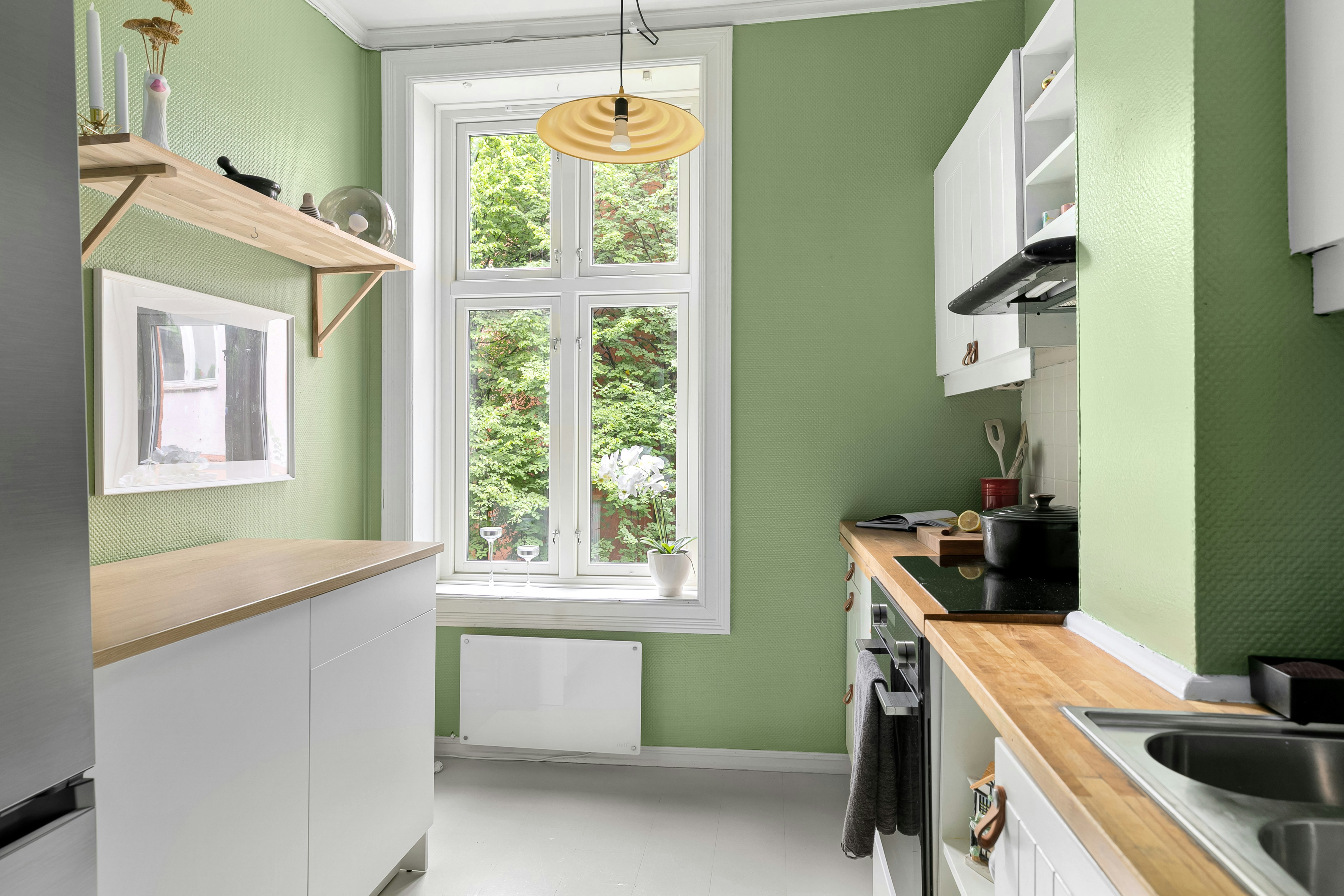
After immersing ourselves in the lush pages of Green Home: The Joy of Living with Plants by Susanna Vento and Riikka Kantinkoski, we can confidently say this book is a must-have for anyone dreaming of an urban jungle that’s both stylish and sustainable. Here’s the skinny:
Positives ✅
- Stunning Photography & Design: The visuals alone are worth the price. Riikka Kantinkoski’s photography captures the serene beauty of Scandinavian interiors infused with greenery.
- Practical Plant Care: Over 50 houseplants are covered with clear, concise care instructions that even black thumbs can follow.
- Inspirational: Showcases over 30 Finnish homes, giving you real-world ideas on integrating plants into your decor.
- Bilingual Format: English and Finnish text broadens accessibility.
- Balance of Style & Sustainability: Encourages a green lifestyle without sacrificing aesthetic appeal.
Negatives ❌
- Limited Broader Eco-Home Advice: While it shines in plant care and styling, it doesn’t deeply explore other sustainability aspects like energy efficiency or zero waste.
- Availability: Currently out of stock in some places due to popularity, so you might have to wait or seek secondhand copies.
Final Verdict
If you want to transform your living space into a vibrant, oxygen-rich sanctuary and learn how to care for your plants with confidence, this book is your North Star. It’s perfect for urban dwellers craving nature without a backyard and anyone who loves beautiful interiors. For a more comprehensive eco-home guide, pair it with other titles from our recommended list.
Remember the question we teased earlier: Can a book really turn your black thumb green? With this one, the answer is a resounding YES. It’s like having a patient plant guru in your pocket, guiding you step-by-step.
🔗 Recommended Links
Here are some handy links to get your green home journey started with the best resources and products we’ve mentioned:
-
Green Home: The Joy of Living with Plants
Amazon | Walmart | New Mags Official Website -
The Kinfolk Home by Nathan Williams
Amazon -
Wild at Home by Hilton Carter
Amazon -
Zero Waste Home by Bea Johnson
Amazon -
Blueair Classic 405 Air Purifier
Amazon | Blueair Official Website -
Dyson Purifier Cool TP07
Amazon | Dyson Official Website -
Dr. Bronner’s Pure-Castile Soap
Amazon | Dr. Bronner’s Official Website -
Abeego Beeswax Wraps
Amazon | Abeego Official Website -
Mason Jars
Amazon -
No Tox Life Dish Block
Amazon | No Tox Life Official Website -
XLUX Soil Moisture Meter
Amazon -
GE Grow Lights
Amazon
❓ FAQ: Your Burning Green Questions Answered
What are the top green home books for reducing your carbon footprint?
Some of the best books include Sustainable Home by Christine Liu, Zero Waste Home by Bea Johnson, and My New Order by Niki Brantmark. These titles provide actionable steps for reducing waste, choosing sustainable materials, and adopting eco-friendly habits that directly lower your home’s carbon footprint.
Can green home books guide you in using eco-friendly materials?
Absolutely! Books like Sustainable Home and Remodelista: The Organized Home offer detailed advice on selecting materials such as bamboo, reclaimed wood, low-VOC paints, and natural fibers. They explain the environmental benefits and durability of these materials, helping you make informed decisions.
How do green home books contribute to a healthier lifestyle?
By emphasizing non-toxic materials, improving indoor air quality, and encouraging natural light and biophilic design, green home books help create living spaces that reduce exposure to harmful chemicals and promote mental well-being. For example, The Healthy Home by Dr. Myron Wentz dives deep into toxin avoidance.
Are there green home books focused on energy-efficient building techniques?
Yes. While Green Home: The Joy of Living with Plants focuses on plants and interiors, other books like Sustainable Home and My New Order include chapters on insulation, solar energy, and efficient appliances to lower energy consumption.
What topics are covered in a green home book for beginners?
Beginner-friendly books typically cover plant care basics, eco-friendly cleaning, sustainable decorating tips, and simple lifestyle changes. Green Home by Vento and Kantinkoski is a great example, combining inspiration with practical advice.
How can a green home book help improve indoor air quality?
They highlight the role of plants in filtering VOCs, recommend natural cleaning products, and suggest air purifiers with HEPA filters. The NASA Clean Air Study is often referenced to support these claims.
What are the best green home books for sustainable living?
Books like Zero Waste Home, Sustainable Home, and My New Order are considered top-tier for comprehensive sustainable living guidance, covering everything from waste reduction to mindful consumption.
What are the best green home books for beginners?
Green Home: The Joy of Living with Plants, Wild at Home by Hilton Carter, and The Kinfolk Home are excellent starting points, blending beautiful visuals with accessible advice.
What sustainable building materials are recommended in green home books?
Common recommendations include bamboo, cork, reclaimed wood, recycled metal, natural stone, and low-VOC paints. These materials minimize environmental impact and often improve indoor air quality.
How do green home books address energy efficiency in homes?
They discuss insulation, passive solar design, energy-efficient windows and appliances, and smart home technologies that reduce energy waste.
What tips do green home books offer for eco-friendly home maintenance?
They encourage using natural cleaning products, reducing water usage, composting organic waste, and maintaining plants that improve air quality.
Can green home books guide you in creating a healthy living environment?
Yes, by combining advice on plant care, toxin reduction, natural materials, and biophilic design, these books help you build a home that supports both physical and mental health.
Additional FAQ Depth: How do green home books balance aesthetics with sustainability?
Many modern green home books, including Green Home, masterfully blend style with eco-consciousness, proving that sustainability doesn’t mean sacrificing beauty. They showcase homes where plants and natural materials enhance design, making green living aspirational and accessible.
How do green home books support urban dwellers with limited outdoor space?
They provide creative solutions for integrating plants indoors, using vertical gardens, terrariums, and container gardening, making it possible to cultivate a green sanctuary even in small apartments.
📚 Reference Links
- NASA Clean Air Study – The scientific basis for plants improving indoor air quality.
- My Scandinavian Home – The Green Home Book Inspiration – Insightful blog post about the Green Home Book and urban jungle trends.
- Cradle to Cradle Products Innovation Institute – Certification for sustainable products.
- Environmental Working Group (EWG) Guide to Healthy Cleaning – Trusted resource for non-toxic cleaning products.
- Blueair Official Website – Air purifier brand featured in this article.
- Dyson Official Website – Innovative air purifiers with HEPA filtration.
- Dr. Bronner’s Official Website – Natural cleaning products.
- Abeego Official Website – Sustainable beeswax wraps.
- No Tox Life Official Website – Plastic-free cleaning products.
- Patagonia Official Website – Eco-conscious outdoor apparel.
- Girlfriend Collective Official Website – Sustainable activewear.
- Credo Beauty Official Website – Clean beauty retailer.
- The Detox Market Official Website – Non-toxic beauty products.