Support our educational content for free when you purchase through links on our site. Learn more
10 Must-Know Eco Friendly Clothing Materials for 2026 🌿

Did you know the fashion industry pumps out nearly 10% of global carbon emissions—more than all international flights combined? That’s a staggering footprint for something as personal as your wardrobe! At Gone Greenish™, we’ve rolled up our sleeves (in hemp, of course) to uncover the top 10 eco friendly clothing materials that not only reduce environmental harm but also feel fantastic on your skin and last for years.
From ancient fibers like hemp and linen to futuristic innovations like Piñatex pineapple leather and Tencel™ lyocell, this guide will transform how you think about your clothes. Curious how pineapple leaves can become a chic jacket? Or why bamboo fabric’s sustainability depends on its processing? Stick with us—we’ll unravel these mysteries and help you build a wardrobe that’s as kind to the planet as it is to your style.
Key Takeaways
- Natural fibers like hemp, linen, and organic cotton are champions of sustainability due to low water use, biodegradability, and minimal chemical inputs.
- Innovative materials such as Tencel™ and Piñatex offer exciting alternatives that blend eco-consciousness with cutting-edge design.
- Recycled fabrics help divert waste but watch out for microplastic pollution—washing habits matter!
- Certifications like GOTS and OEKO-TEX are your best friends when shopping for truly eco-friendly clothes.
- Caring for your clothes properly extends their life and reduces environmental impact.
Ready to upgrade your wardrobe with fabrics that make a difference? Dive into our full guide and discover how to wear your values every day.
Table of Contents
- ⚡️ Quick Tips and Facts About Eco Friendly Clothing Materials
- 🌿 The Green Thread: A Brief History of Sustainable Fashion Materials
- 👗 What Exactly Are Sustainable Fashion Materials?
- 🌍 Why Should You Choose Environmentally-Friendly Fashion?
- 🔝 Top 10 Eco Friendly Clothing Materials You Need to Know
- 1. Organic Cotton: The Classic Sustainable Staple
- 2. Hemp: The Superfiber for Durability and Sustainability
- 3. Linen: The Breathable Eco-Friendly Fabric
- 4. Tencel™ (Lyocell): The Soft and Sustainable Wonder
- 5. Recycled Polyester: Giving Plastic a Second Life
- 6. Piñatex: Fashion from Pineapple Leaves
- 7. Bamboo Fabric: The Fast-Growing Green Option
- 8. Wool: Natural, Renewable, and Biodegradable
- 9. Other Emerging Eco Fabrics: Apple Leather, Mycelium, and More
- ♻️ How Sustainable Fashion Materials Fit Into Product Lifecycle Management (PLM)
- 🛍️ Shopping Smart: How to Identify Truly Eco Friendly Clothing
- 💡 Care and Maintenance Tips to Extend the Life of Eco-Friendly Clothes
- 🌟 Brands Leading the Charge in Eco Friendly Clothing Materials
- 📊 Comparing Environmental Impacts: Eco Fabrics vs Conventional Materials
- 🤔 Common Myths and Misconceptions About Sustainable Fabrics
- 🧵 Innovations and the Future of Eco Friendly Textiles
- 📝 Conclusion: Weaving Sustainability into Your Wardrobe
- 🔗 Recommended Links for Deep Dives on Eco Friendly Clothing Materials
- ❓ FAQ: Your Burning Questions About Eco Friendly Fabrics Answered
- 📚 Reference Links and Resources
⚡️ Quick Tips and Facts About Eco Friendly Clothing Materials
Before we dive into the nitty-gritty of your wardrobe’s future, let’s get you up to speed with some fast facts. We at Gone Greenish™ believe that being informed is the first step toward a healthier you and a healthier planet.
| Feature | Eco-Friendly Fact | Why It Matters |
|---|---|---|
| Water Usage | Organic cotton uses up to 91% less water than conventional cotton. | Preserves precious freshwater resources for communities. |
| Pesticides | Conventional cotton uses 16% of the world’s insecticides. | Eco-fabrics protect soil health and farmers’ safety. |
| Biodegradability | Natural fibers like linen and hemp can decompose in weeks. | Reduces the literal mountains of textile waste in landfills. |
| Microplastics | Synthetic fabrics (polyester/nylon) shed millions of microfibers per wash. | Eco-friendly natural fibers don’t pollute our oceans with plastic. |
| Longevity | Sustainable materials are often built to last 3-5x longer. | Saves you money and reduces your Carbon Footprint Reduction efforts. |
Did you know? The average person throws away 81 pounds of clothing every year. But what if your clothes could actually help the Earth instead of hurting it? Stick around, because we’re about to show you how.
🌿 The Green Thread: A Brief History of Sustainable Fashion Materials
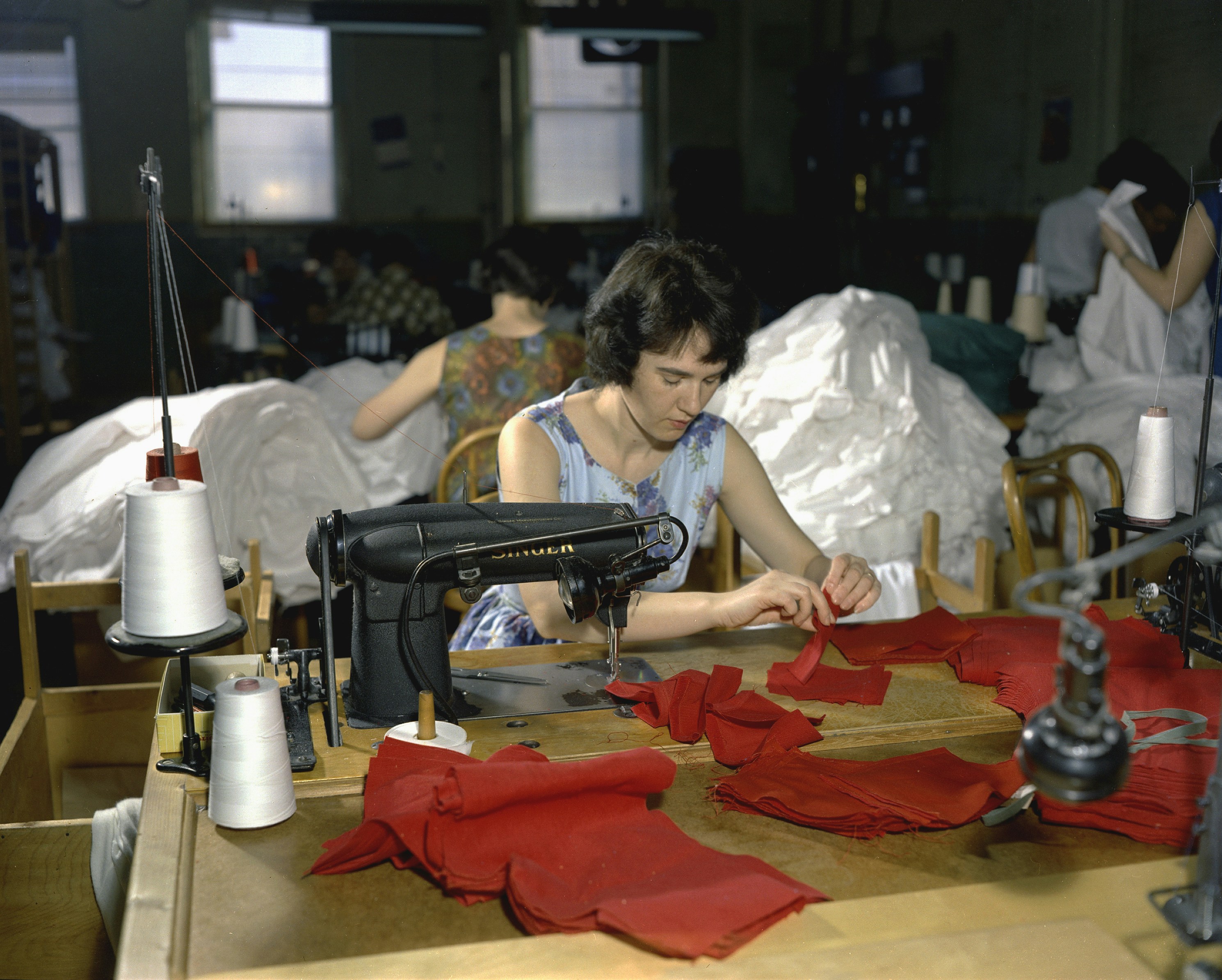
If you’re looking for a fresh start, check out our guide on 25 Affordable Eco-Friendly Clothing Brands You’ll Love in 2026 🌿, but first, let’s look back. Believe it or not, “sustainable fashion” isn’t a new-age TikTok trend. For thousands of years, humans wore nothing but eco friendly clothing materials.
Ancient Egyptians were the masters of linen, derived from the flax plant, which is still one of the most sustainable fibers today. Fast forward to the Industrial Revolution, and the focus shifted to mass production, leading to the rise of “King Cotton” and eventually, the petroleum-based synthetic explosion of the 1950s.
We traded durability for “disposable,” but the tide is turning! Today, we are seeing a “Back to the Future” movement where ancient fibers like hemp are meeting high-tech innovations like Piñatex. We’re moving away from the “take-make-waste” model and toward a circular economy.
👗 What Exactly Are Sustainable Fashion Materials?
In the world of Eco-Conscious Brands, “sustainable” can feel like a buzzword. At Gone Greenish™, we define it simply: materials that are sourced, produced, and disposed of with minimal impact on the environment and maximum respect for human rights.
According to Bamboo Rose, “Sustainable fabrics are typically made from natural or recycled fibers, aiming to reduce the environmental impacts associated with fashion production.”
We categorize these into three main buckets:
- Natural Plant-Based Fibers: Organic cotton, hemp, linen.
- Recycled Synthetics: Recycled polyester (rPET), Econyl (recycled nylon).
- Innovative Bio-Materials: Tencel™, Piñatex, and even mushroom leather!
🌍 Why Should You Choose Environmentally-Friendly Fashion?
Why bother? Because the fashion industry is responsible for roughly 10% of global carbon emissions. That’s more than all international flights and maritime shipping combined! By choosing better materials, you are directly fighting Climate Change.
- Better for Your Skin: No toxic pesticides or harsh dyes.
- Better for the Planet: Lower water usage and zero toxic runoff.
- Better for Your Wallet: High-quality eco-fabrics like hemp actually get softer and stronger with age, meaning you buy less over time.
🔝 Top 10 Eco Friendly Clothing Materials You Need to Know
We’ve tested, worn, and washed them all. Here is the Gone Greenish™ definitive ranking of the best sustainable materials on the market today.
Material Performance Rating Table
| Material | Durability | Softness | Eco-Score | Best Use |
|---|---|---|---|---|
| Organic Hemp | 10/10 | 6/10 (at first!) | 10/10 | Outerwear, Jeans |
| Tencel™ Lyocell | 7/10 | 10/10 | 9/10 | Underwear, Bedding |
| Organic Linen | 9/10 | 7/10 | 10/10 | Summer Wear |
| Recycled Wool | 9/10 | 8/10 | 9/10 | Winter Coats |
| Organic Cotton | 7/10 | 9/10 | 8/10 | T-shirts, Basics |
1. Organic Cotton: The Classic Sustainable Staple
Unlike conventional cotton, which is a “thirsty” crop laden with chemicals, Organic Cotton is grown using methods that have a low impact on the environment. It maintains soil fertility and builds biologically diverse agriculture.
- Pros: Breathable, hypoallergenic, widely available.
- Cons: Still requires significant water compared to hemp.
- Top Brand Recommendation: PACT or Patagonia.
👉 Shop Organic Cotton on:
- Patagonia: Amazon | Patagonia Official Website
- PACT: Amazon | PACT Official Website
2. Hemp: The Superfiber for Durability and Sustainability
Hemp is the “cool kid” of the eco-world. It requires no pesticides, very little water, and actually returns nutrients to the soil. As noted in the #featured-video, hemp can be a bit scratchy initially, but it ages like a fine wine.
- Pros: Carbon negative, antimicrobial, incredibly strong.
- Cons: Higher price point due to processing regulations.
- Top Brand Recommendation: Jungmaven.
3. Linen: The Breathable Eco-Friendly Fabric
Made from the flax plant, linen is a powerhouse of sustainability. Good On You points out that “Linen is strong, naturally moth-resistant, and feels great in warm climates.”
- Pros: Fully biodegradable (if undyed), uses the whole plant (zero waste).
- Cons: Wrinkles if you even look at it funny!
- Top Brand Recommendation: Eileen Fisher.
4. Tencel™ (Lyocell): The Soft and Sustainable Wonder
Tencel™ is a brand of lyocell produced by the Austrian company Lenzing. It’s made from sustainably sourced wood pulp (usually eucalyptus) and processed in a closed-loop system where 99% of the chemicals are recycled.
- Pros: Silky smooth, moisture-wicking, great for sensitive skin.
- Cons: Can be delicate; requires careful washing.
- Top Brand Recommendation: Allbirds (their apparel line uses Tencel blends).
👉 CHECK PRICE on:
- Allbirds Apparel: Amazon | Allbirds Official Website
5. Recycled Polyester: Giving Plastic a Second Life
Made from post-consumer plastic bottles (rPET), this material diverts waste from landfills. However, we have a love-hate relationship with it. While it’s great for recycling, it still releases microplastics when washed.
- Tip: Use a Guppyfriend Washing Bag to catch those pesky microfibers!
6. Piñatex: Fashion from Pineapple Leaves
Who knew your tropical fruit habit could lead to a leather jacket? Piñatex is a vegan leather alternative made from the byproduct of the pineapple harvest. As BBC Earth notes, “Piñatex production is more sustainable than traditional leather and completely animal-free.”
7. Bamboo Fabric: The Fast-Growing Green Option
Bamboo is tricky. While the plant grows like a weed (awesome!), turning it into soft fabric often involves heavy chemicals (not so awesome). Look for Bamboo Lyocell or brands that use closed-loop processing.
- Top Brand Recommendation: Boody.
8. Wool: Natural, Renewable, and Biodegradable
Wool is a classic, but you must look for ZQ-certified or Recycled Wool to ensure animal welfare and land management standards are met. It’s naturally flame-resistant and doesn’t need frequent washing—a win for Conservation Tips!
9. Other Emerging Eco Fabrics: Apple Leather, Mycelium, and More
The future is wild! We’re seeing “leather” made from apple skins, mushrooms (Mycelium), and even Qmonos, a synthetic spider silk that is stronger than steel but biodegradable.
♻️ How Sustainable Fashion Materials Fit Into Product Lifecycle Management (PLM)
In the industry, we talk about PLM (Product Lifecycle Management). For a garment to be truly “green,” we have to look at its entire life:
- Design: Is it made to last?
- Sourcing: Are the fibers organic or recycled?
- Production: Are the factories using renewable energy?
- Usage: How often do you wash it?
- End of Life: Can it be composted or recycled?
True sustainability means the material doesn’t just “die” in a landfill; it feeds back into the system.
🛍️ Shopping Smart: How to Identify Truly Eco Friendly Clothing
Don’t get greenwashed! Here’s how to spot the real deal:
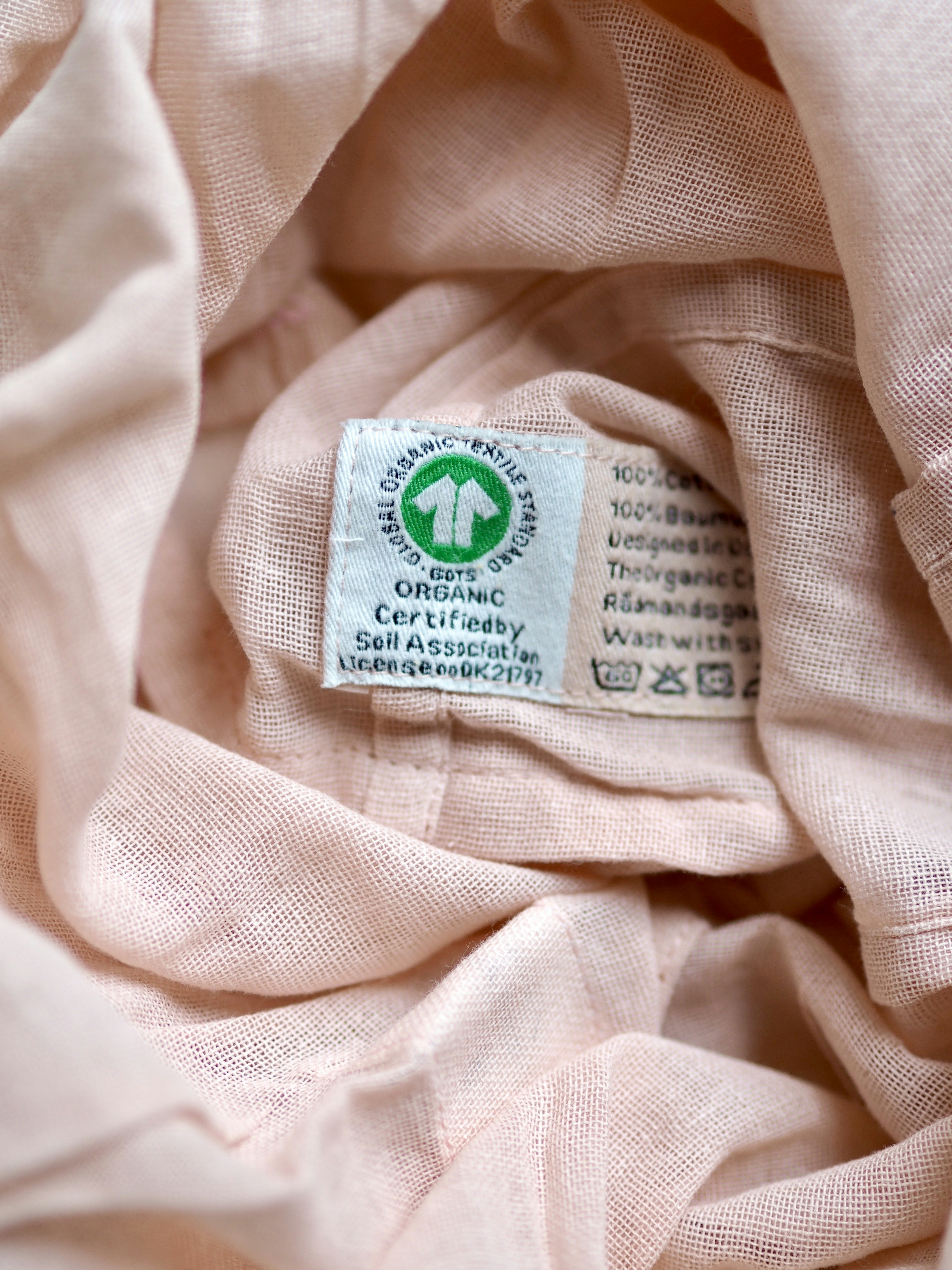
- Check the Label: Look for GOTS (Global Organic Textile Standard), OEKO-TEX 100, or Bluesign certifications.
- Feel the Fabric: Natural fibers often have a more “grounded,” textured feel compared to the slick, plastic-y touch of cheap polyester.
- Research the Brand: Use tools like Good On You to see how brands rank on their treatment of people, planet, and animals.
💡 Care and Maintenance Tips to Extend the Life of Eco-Friendly Clothes
The most sustainable garment is the one already in your closet!
- Wash Cold: Saves energy and prevents fiber breakdown.
- Air Dry: Dryers are the enemy of longevity (and your electric bill).
- Spot Clean: You don’t need to wash those hemp jeans after every wear.
- Repair: Learn a basic “visible mending” technique to turn a hole into a fashion statement.
🌟 Brands Leading the Charge in Eco Friendly Clothing Materials
We’ve done the homework so you don’t have to. Here are the gold-standard brands:
| Brand | Primary Eco-Material | Why We Love Them |
|---|---|---|
| Patagonia | Recycled Polyester / Organic Cotton | Unmatched transparency and repair program. |
| Eileen Fisher | Organic Linen / Tencel™ | Timeless designs that never go out of style. |
| Outerknown | Econyl (Recycled Nylon) | Founded by Kelly Slater; peak coastal sustainability. |
| Girlfriend Collective | Recycled Water Bottles | Inclusive sizing and incredible compression. |
👉 Shop Eco-Conscious Brands on:
- Girlfriend Collective: Amazon | Official Website
- Outerknown: Amazon | Official Website
📊 Comparing Environmental Impacts: Eco Fabrics vs Conventional Materials
| Impact Category | Conventional Cotton | Organic Hemp | Virgin Polyester | Recycled Polyester |
|---|---|---|---|---|
| Energy Use | High | Low | Very High | Medium |
| Chemical Use | Extreme | Zero/Minimal | High | Low |
| Biodegradability | Yes | Yes | No (200+ years) | No |
| Ocean Impact | Pesticide Runoff | Soil Enrichment | Microplastics | Microplastics |
🤔 Common Myths and Misconceptions About Sustainable Fabrics
Myth #1: “Eco-friendly clothes are ugly and beige.” ❌ False! Modern sustainable fashion is vibrant, chic, and hits the runway every year. Brands like Stella McCartney prove that high fashion and high ethics go hand-in-hand.
Myth #2: “It’s too expensive.” ❌ Perspective Shift: While the upfront cost is higher, the cost-per-wear is much lower. A $50 organic hemp tee that lasts 5 years is cheaper than five $15 “fast fashion” tees that shrink after two washes.
Myth #3: “Recycled plastic clothing is the perfect solution.” ❌ The Conflict: While it’s better than virgin plastic, it still contributes to the microplastic crisis. As the YouTube video points out, natural fibers are often the superior choice for the long-term health of our waterways.
🧵 Innovations and the Future of Eco Friendly Textiles
We are on the verge of a textile revolution. Imagine clothes made from seaweed that release nutrients into your skin, or jackets grown from yeast proteins. The “Spider Silk” from Spiber is already making waves.
But wait… if we can grow clothes in a lab, does that mean we’ll stop using plants altogether? And what happens to the farmers? We’ll explore the social impact of these tech jumps in our next deep dive. For now, the best thing you can do is choose natural, recycled, and loved.
Conclusion: Weaving Sustainability into Your Wardrobe
So, what have we learned on this eco-friendly fabric adventure? Choosing sustainable clothing materials isn’t just a trend—it’s a powerful way to protect our planet and your health. From the tried-and-true organic cotton to the futuristic Piñatex pineapple leather, each fabric tells a story of care, innovation, and responsibility.
✅ Positives:
- Natural fibers like hemp, linen, and organic cotton offer durability, biodegradability, and minimal chemical use.
- Innovative materials such as Tencel™ and recycled polyester help reduce waste and resource consumption.
- Brands leading the charge provide transparency and certifications that help you shop with confidence.
❌ Negatives:
- Some recycled synthetics still contribute to microplastic pollution, so washing habits matter.
- Bamboo fabrics vary widely in sustainability depending on processing methods.
- Emerging bio-materials are promising but still scaling up and can be pricey.
At Gone Greenish™, we confidently recommend starting with organic cotton, hemp, and Tencel™ for your everyday wardrobe staples. Pair them with thoughtful care and mindful shopping, and you’ll be part of a movement that’s not just fashionable but fundamentally healing our planet.
Remember the question we teased earlier: Can lab-grown fabrics replace plants and farmers? The answer is nuanced. While innovations like spider silk and mushroom leather are exciting, they complement rather than replace traditional sustainable fibers. Supporting farmers growing organic hemp and flax remains vital for rural economies and soil health.
Ready to make your wardrobe greener? Let’s get shopping!
Recommended Links for Deep Dives on Eco Friendly Clothing Materials
👉 CHECK PRICE on:
- Patagonia Organic Cotton Apparel: Amazon | Patagonia Official Website
- PACT Organic Cotton Basics: Amazon | PACT Official Website
- Jungmaven Hemp Clothing: Amazon | Jungmaven Official Website
- Eileen Fisher Linen Collection: Amazon | Eileen Fisher Official Website
- Allbirds Tencel™ Apparel: Amazon | Allbirds Official Website
- Girlfriend Collective Recycled Water Bottle Clothing: Amazon | Girlfriend Collective Official Website
- Outerknown Econyl Apparel: Amazon | Outerknown Official Website
- Guppyfriend Washing Bag (Microfiber Filter): Amazon
Books to Expand Your Eco Fashion Knowledge:
- Fashionopolis: The Price of Fast Fashion and the Future of Clothes by Dana Thomas — Amazon
- Wardrobe Crisis: How We Went From Sunday Best to Fast Fashion by Clare Press — Amazon
- Overdressed: The Shockingly High Cost of Cheap Fashion by Elizabeth L. Cline — Amazon
❓ FAQ: Your Burning Questions About Eco Friendly Fabrics Answered
What cloth material is eco-friendly?
Eco-friendly materials are those that have a low environmental impact throughout their lifecycle. This includes natural fibers like organic cotton, hemp, linen, wool, and innovative materials like Tencel™ (lyocell) and recycled polyester. These fabrics use fewer pesticides, less water, and often biodegrade at the end of their life.
Which is the most eco-friendly fabric?
While opinions vary, hemp and linen often top the list due to their minimal water needs, zero pesticides, and soil-enriching properties. Tencel™ is a close contender because of its closed-loop production process. However, the “most eco-friendly” fabric depends on factors like local farming practices and end-of-life disposal.
What fabrics are not eco-friendly?
Conventional polyester, nylon, and acrylic are petroleum-based and non-biodegradable, releasing microplastics into waterways. Conventional cotton is also problematic due to heavy pesticide use and water consumption. Fabrics treated with toxic dyes or finishes also harm ecosystems.
What are 3 types of sustainable fabric?
- Organic Cotton: Grown without synthetic chemicals.
- Hemp: Durable, low-water, and soil-friendly.
- Tencel™ (Lyocell): Made from sustainably harvested wood pulp in a closed-loop process.
What are the most sustainable fabrics for eco friendly clothing?
The most sustainable fabrics combine low resource use, biodegradability, and ethical production. These include organic hemp, linen, Tencel™, recycled wool, and Piñatex. Each has unique benefits depending on your needs.
How does organic cotton compare to conventional cotton in eco friendliness?
Organic cotton uses up to 91% less water and zero synthetic pesticides compared to conventional cotton, which relies heavily on chemicals and irrigation. Organic farming also improves soil health and biodiversity.
Can recycled materials be used to make high-quality clothing?
Absolutely! Brands like Girlfriend Collective and Patagonia use recycled polyester and nylon to create durable, stylish garments. However, recycled synthetics can shed microplastics, so washing with care is essential.
What impact do eco friendly clothing materials have on the environment?
They reduce water use, chemical pollution, and greenhouse gas emissions. Natural fibers biodegrade, reducing landfill waste. Using recycled materials diverts plastic from oceans and landfills, promoting a circular economy.
Are bamboo fabrics truly sustainable and eco friendly?
It depends. Bamboo grows quickly and requires little water, but chemical-intensive processing can negate benefits. Look for bamboo lyocell or brands that use closed-loop systems to ensure sustainability.
How do eco friendly clothing materials benefit personal health?
They avoid toxic pesticides and dyes, reducing skin irritation and chemical exposure. Natural fibers like hemp and organic cotton are breathable and hypoallergenic, promoting comfort and wellbeing.
What certifications should I look for in eco friendly clothing materials?
Look for GOTS (Global Organic Textile Standard) for organic fibers, OEKO-TEX 100 for chemical safety, Bluesign for responsible manufacturing, and ZQ for ethical wool. These certifications ensure transparency and higher environmental standards.
📚 Reference Links and Resources
- Bamboo Rose: Top 8 Sustainable Fashion Materials
- BBC Earth: Six Fashion Materials That Could Help Save the Planet
- Good On You: Most Sustainable Fabrics
- Lenzing: Tencel™ Sustainable Fibers
- Aquafil: ECONYL Recycled Nylon
- Piñatex Official Website
- Spiber: Bioengineered Spider Silk
- Global Organic Textile Standard (GOTS)
- OEKO-TEX Standard 100
- Bluesign System
For more on sustainable fabrics and how to shop smarter, visit Good On You’s comprehensive guide.
Ready to transform your closet and your impact? Let’s keep the conversation going at Gone Greenish™! 🌿