Support our educational content for free when you purchase through links on our site. Learn more
Can a House Run 100% on Solar? The Ultimate Guide (2026) ☀️

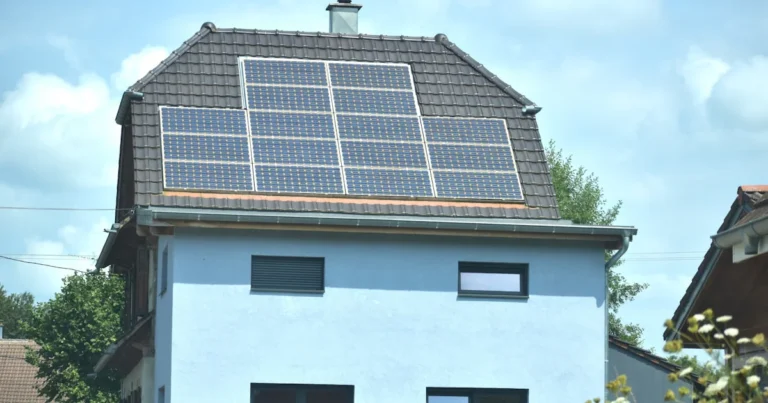
Imagine powering your entire home with nothing but sunlight—no electric bills, no carbon footprint, just pure, clean energy flowing from your rooftop. Sounds like a dream, right? Well, at Gone Greenish™, we’ve been living and breathing solar power for years, and we’re here to tell you: it’s absolutely possible to run a house 100% on solar energy. But—and here’s the kicker—it’s not as simple as just slapping some panels on your roof. There’s a fascinating mix of technology, strategy, and lifestyle tweaks involved.
In this comprehensive guide, we’ll walk you through everything you need to know: from how solar panels, batteries, and inverters team up to power your home, to the crucial factors that determine whether your house can truly go fully solar. We’ll also unpack the difference between net-zero and off-grid living, share insider tips on maximizing your solar ROI in 2026, and reveal the secret sauce behind battery storage that keeps your lights on when the sun goes down. Curious about how many panels you’ll need or how to design your solar-powered dream home? Stick around—we’ve got all that and more coming up!
Key Takeaways
- Yes, a house can run 100% on solar energy, either by achieving net-zero status with grid connection or by going fully off-grid with sufficient panels and battery storage.
- Battery storage is essential for nighttime and cloudy-day power, especially for off-grid homes.
- Energy efficiency is your best friend—reducing consumption lowers the size and cost of your solar system.
- Location, roof space, and shading significantly impact your solar potential and system design.
- Government incentives like the federal ITC and net metering programs can dramatically improve affordability and ROI.
- Professional system design and careful planning are critical to achieving reliable, 100% solar-powered living.
Ready to dive deeper and discover how you can harness the sun to power your home sustainably? Let’s get started!
Table of Contents
- ⚡️ Quick Tips and Facts About Running a House 100% on Solar
- 🌞 Solar Power Through the Ages: A Bright History of Home Energy
- 🔍 What Does It Really Mean to Run a House 100% on Solar Energy?
- 💡 7 Essential Factors That Impact Your Home’s Ability to Go Fully Solar
- ⚙️ How Solar Panels, Batteries, and Inverters Work Together for Full Coverage
- 📊 Crunching the Numbers: Analyze Your Solar Return on Investment in 2025 with Our Solar ROI Calculator
- 🏡 Designing Your Solar-Powered Dream Home: Tips for Maximum Efficiency
- 🔋 Battery Storage Solutions: The Secret Sauce to 100% Solar Independence
- 🌍 Environmental and Financial Benefits of Going 100% Solar at Home
- 🛠️ Common Challenges and How to Overcome Them When Running Fully on Solar
- 📋 Get Your Free Guide to Going Solar: Step-by-Step to Energy Freedom
- 📧 Subscribe for More Solar Tips, Tricks, and Green Living Hacks
- 🎯 Conclusion: Can Your House Really Run 100% on Solar? Our Final Verdict
- 🔗 Recommended Links for Solar Power Enthusiasts
- ❓ FAQ: Your Burning Questions About 100% Solar Homes Answered
- 📚 Reference Links: Trusted Sources for Solar Power Insights
⚡️ Quick Tips and Facts About Running a House 100% on Solar
Hey there, fellow green warriors! 👋 Ever dreamt of telling your utility company, “Thanks, but no thanks!”? We certainly have! The idea of a house running entirely on sunshine isn’t just a pipe dream anymore; it’s a tangible goal for many homeowners. Here at Gone Greenish™, we’re obsessed with making that dream a reality, not just for a healthy you, but for a healthy planet too. So, can a house really run 100% on solar? The short answer is a resounding YES! 🎉 But, like any epic quest, it comes with its own set of challenges and triumphs.
Before we dive deep into the nitty-gritty, let’s get you some quick, digestible facts straight from our sun-kissed experiences:
- Net-Zero vs. Off-Grid: While both aim for energy independence, a net-zero home generates as much energy as it consumes annually, often remaining connected to the utility grid (hello, net metering!). An off-grid home is completely disconnected, relying solely on its own generation and storage. Most homes aiming for 100% solar are net-zero, leveraging the grid as a giant, communal battery.
- Battery Storage is Key: To truly achieve 100% solar power, especially for night-time use or cloudy days, robust battery storage is non-negotiable. Think of it as your home’s energy piggy bank!
- Energy Efficiency First: Before you even think about panels, reduce your energy consumption! An energy-efficient home needs a smaller, less expensive solar system to reach 100% offset. It’s like trying to fill a bucket with holes versus a solid one.
- Location, Location, Location: Your home’s geographical location, roof orientation (south-facing is often ideal in the Northern Hemisphere), and shading from trees or buildings significantly impact solar production.
- It’s an Investment: Going 100% solar is a significant upfront investment, but with federal tax credits (like the Investment Tax Credit, or ITC) and potential state/local incentives, the long-term savings and environmental benefits are immense.
- Professional Design Matters: Don’t DIY your way to energy freedom for a whole house! A professional solar design consultation is crucial to tailor a system that perfectly matches your home’s unique needs and maximizes its solar potential.
We’ve been exploring this journey for years, and one of our earliest deep dives was into the practicalities of sizing a system. If you’re wondering just how much solar power you’d need to run a house, we’ve got you covered in our detailed article: How Much Solar Would You Need to Run a House in 2023?
🌞 Solar Power Through the Ages: A Bright History of Home Energy
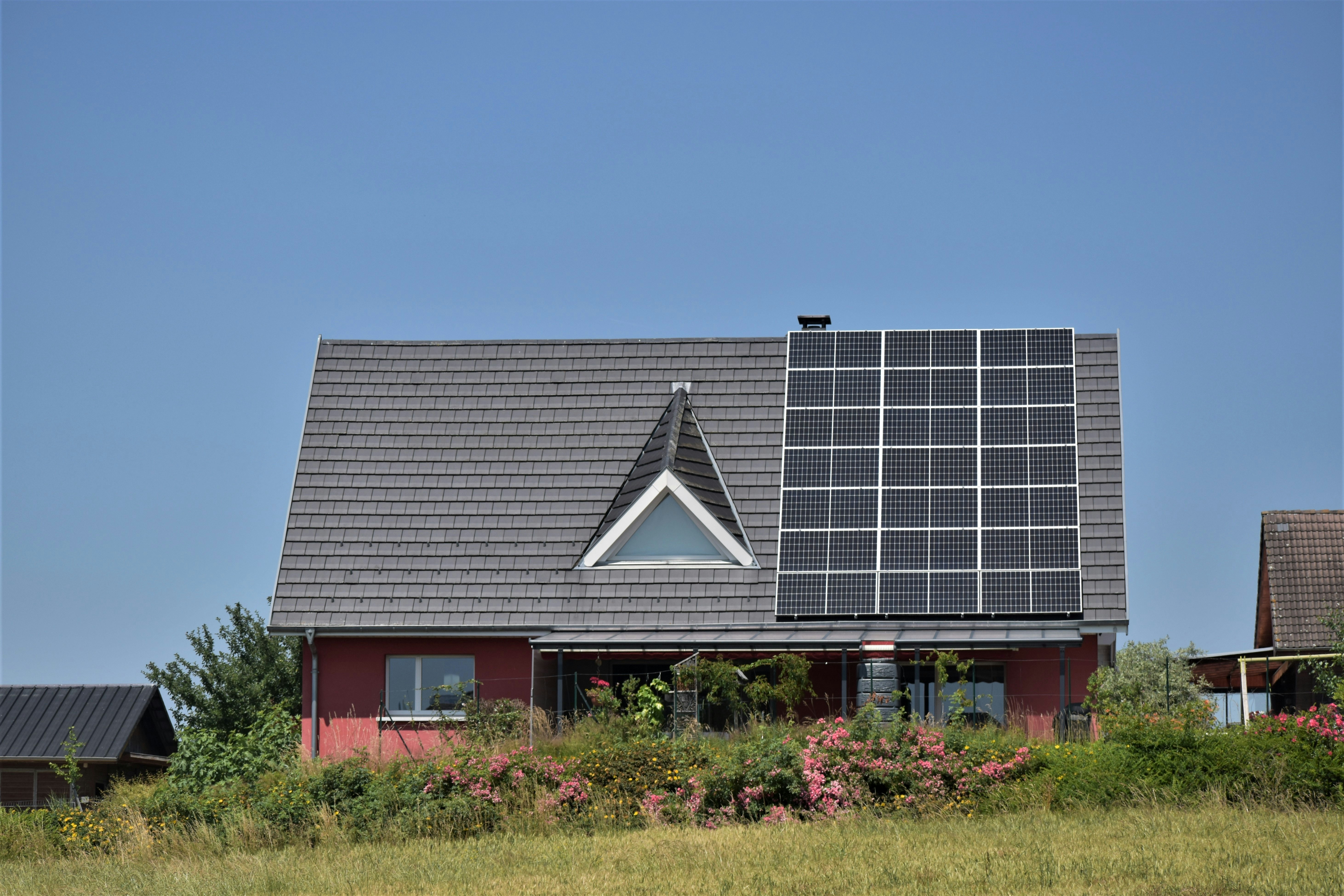
Believe it or not, humanity’s fascination with harnessing the sun’s power isn’t a new-age fad. It’s a story as old as, well, the sun itself! From ancient civilizations using magnifying glasses to start fires 🔥 to modern marvels powering entire communities, solar energy has a surprisingly rich history.
The earliest documented use of solar energy dates back to the 7th century BC, when people used polished bronze and silver to concentrate sunlight and light torches. Fast forward to the 3rd century BC, and the Greeks and Romans were designing their homes to capture sunlight for warmth during winter – an early form of passive solar design. Talk about ahead of their time!
The scientific journey truly began in 1839 when French physicist Edmond Becquerel discovered the photovoltaic effect – the process by which light energy is converted into electrical energy. Imagine the “aha!” moment! It wasn’t until 1883 that Charles Fritts created the world’s first true solar cell using selenium, though it was only about 1% efficient. A tiny spark, but a spark nonetheless!
The real game-changer for modern solar power came in 1954 when Bell Labs researchers Daryl Chapin, Calvin Fuller, and Gerald Pearson developed the first silicon photovoltaic cell capable of converting enough sunlight into electricity to power electrical equipment. This marked the birth of the solar cell as we know it, initially used to power satellites in space. Pretty cool, right? 🛰️
For decades, solar remained a niche, expensive technology. But thanks to continuous innovation, government incentives, and a growing global awareness of Climate Change, solar panels have become incredibly efficient and, as the speaker in the featured video mentions, “Solar panels have become really cheap now.” This evolution has paved the way for homeowners like you and us to seriously consider running our entire homes on the sun’s abundant energy. From powering a remote cabin to a bustling suburban home, solar’s journey from ancient fire-starter to modern energy independence is truly inspiring!
🔍 What Does It Really Mean to Run a House 100% on Solar Energy?
This is where the rubber meets the road, or rather, where the photons meet the panels! When we talk about a house running “100% on solar,” what exactly are we envisioning? Is it a cabin in the woods completely cut off from civilization, or a suburban home with a secret superpower? The truth is, it can be both, but there’s a crucial distinction that often gets muddled.
As our friends at Paradise Solar Energy put it, “Meeting 100% of a home’s power needs with solar energy is doable.” But how that “doable” manifests depends on your approach: Net-Zero or Off-Grid.
Net-Zero: The Grid-Connected Solar Champion 🏆
Most homeowners aiming for 100% solar power are actually striving for a net-zero energy home. What does that mean? It means your home generates as much (or more!) electricity than it consumes over the course of a year. You’re still connected to the utility grid, which acts as a massive, invisible battery.
- How it works: On sunny days, your solar panels produce more electricity than your home needs. This excess power is sent back to the grid, and your utility company gives you credits through a system called net metering. When your panels aren’t producing (like at night or on super cloudy days), you draw power from the grid, using up those credits. At the end of the year, if your credits equal or exceed your consumption, congratulations – you’re net-zero!
- Benefits: Reliability (the grid is your backup!), no need for massive battery banks (though smaller ones are still great for resilience), and often simpler installation. As A&R Solar notes, “Most net-zero homes still connect to the grid to utilize energy credits, especially during low sunlight periods.”
- Drawbacks: You’re still subject to utility policies and potential rate changes, and you’re not truly independent during a grid outage unless you have battery backup.
Off-Grid: The Ultimate Energy Rebel 🏞️
Going off-grid means completely severing ties with the utility company. Your home is a self-sufficient energy island, generating all its own power and storing it for later use. This is the dream for many seeking ultimate Carbon Footprint Reduction and true energy independence.
- How it works: Your solar panels generate electricity, which powers your home directly. Any excess is stored in a robust battery bank. When the sun isn’t shining, your home draws power exclusively from these batteries. You might also have a backup generator (like the one discussed in the featured video) for emergencies or extended periods of low solar production.
- Benefits: Complete independence from utility companies, no monthly electricity bills, and a true sense of self-reliance. Ideal for remote locations where grid connection is expensive or unavailable.
- Drawbacks: Requires a much larger, more expensive battery system, careful energy management, and potentially lifestyle adjustments to conserve power. You’re solely responsible for your energy supply.
Here’s a quick comparison to help clarify:
| Feature | Net-Zero (Grid-Tied) | Off-Grid (Stand-Alone) |
|---|---|---|
| Grid Connection | ✅ Yes | ❌ No |
| Battery Storage | Optional (for backup/resilience), smaller capacity | ✅ Essential, larger capacity |
| Net Metering | ✅ Yes (credits for excess power) | ❌ Not applicable |
| Reliability | High (grid provides backup) | Depends on system size, battery, and backup generator |
| Cost | Generally lower upfront (less battery) | Higher upfront (significant battery investment) |
| Independence | Partial (reliant on grid for backup/credits) | Complete |
So, when we say “100% on solar,” we’re often talking about achieving net-zero status. But for those truly adventurous souls, off-grid living is the ultimate expression of solar power! Which path calls to you? 🤔
💡 7 Essential Factors That Impact Your Home’s Ability to Go Fully Solar
Alright, let’s get down to brass tacks! Achieving that glorious 100% solar coverage isn’t just about slapping some panels on your roof and calling it a day. It’s a symphony of interconnected factors, each playing a crucial role in your home’s journey to energy independence. Based on our experience and insights from experts like Paradise Solar, A&R Solar, and Six Rivers Solar, here are the seven essential elements you need to consider:
1. Your Home’s Energy Consumption: Know Your kWh! ⚡️
This is arguably the most critical starting point. You can’t offset 100% of your energy usage if you don’t know how much you’re actually using! Think of it like trying to fill a gas tank without knowing its size.
- The Gone Greenish™ Tip: Grab your last 12-24 months of electricity bills. Look for the kilowatt-hour (kWh) usage. This data gives you a clear picture of your average daily, monthly, and annual consumption. As A&R Solar advises, “Use utility bills (kWh data) to determine average usage.”
- Variability Matters: Remember, consumption fluctuates. Do you use more AC in summer? Electric heating in winter? Have you added an electric vehicle (EV) or a hot tub recently? These all impact your baseline. A larger system will be needed if you plan to electrify your home further, as Six Rivers Solar suggests, by switching to all-electric appliances like heat pumps and induction cooktops.
- Why it’s crucial: The higher your energy consumption, the larger (and more expensive) your solar system needs to be to achieve 100% offset. Reducing your energy footprint first is always the smartest move! Check out our Conservation Tips for easy ways to cut down.
2. Available Space for Solar Panels: Roof Real Estate 🏡
Solar panels need room to shine! Whether it’s your roof or a ground-mounted system, you need sufficient, unobstructed space.
- Roof Orientation & Pitch: South-facing roofs (in the Northern Hemisphere) are generally ideal for maximizing sunlight exposure throughout the day. The pitch (angle) of your roof also plays a role. While a perfect angle isn’t always possible, modern panels are quite forgiving.
- Shading & Obstructions: Trees, chimneys, dormers, or even neighboring buildings can cast shadows, significantly reducing panel efficiency. “Obstructions like trees, chimneys, and nearby structures can reduce output,” warns Paradise Solar. A professional site assessment will identify these issues.
- System Size: A typical residential system can range from 5 kW to 20 kW or more. Paradise Solar estimates that a 5 kW system might need around 312 sq. ft., while a 20 kW system could require up to 1,189 sq. ft. of space. Do you have that kind of prime real estate?
- Ground-Mounted Systems: If your roof isn’t suitable, ground mounts offer flexibility for optimal positioning and tilt, often leading to higher energy production.
3. Local Climate and Sunlight Availability: The Sunshine Factor ☀️
It’s no secret: solar panels need sun! Your geographical location and local weather patterns are huge determinants of how much energy your system can produce.
- Irradiance Levels: Areas with higher “solar irradiance” (the amount of solar power received per unit area) will generate more electricity from the same number of panels. Think Arizona vs. Alaska.
- Seasonal Variability: Solar production is naturally higher in summer and lower in winter due due to shorter days and lower sun angles. Your system design must account for this to ensure 100% annual coverage. “Installer considers local climate and weather patterns for accurate estimates,” states Paradise Solar.
- Cloud Cover: Frequent cloudy days will reduce output. This is where battery storage becomes even more critical for maintaining consistent power.
4. System Type: Grid-Tied vs. Off-Grid Decisions 🤝
As we discussed, your choice between staying connected to the utility grid (grid-tied/net-zero) or going completely independent (off-grid) profoundly impacts your system design and cost.
- Grid-Tied: Simpler, often more affordable, and leverages net metering. “You’ll get a a kilowatt-hour credit for each kilowatt-hour you’ve transferred to the grid,” explains Paradise Solar. This is the most common path to 100% solar offset.
- Off-Grid: Requires a much larger investment in battery storage and often a backup generator. It offers true independence but demands careful energy management. The speaker in the featured video highlights the importance of sizing an off-grid system generously, stating, “It’s better to have more than you need.”
5. Battery Storage Capacity: Your Energy Bank Account 🔋
For true 100% solar independence, especially off-grid, or for grid-tied homes wanting backup during outages, battery storage is essential.
- Nighttime Power: Panels don’t produce at night, so stored energy is crucial.
- Cloudy Days: Batteries bridge the gap during periods of low solar production.
- Grid Outages: For grid-tied systems, batteries provide resilience, keeping your lights on when the neighborhood goes dark. Six Rivers Solar emphasizes, “Solar battery storage is essential for night and cloudy day power.”
- Sizing: The amount of storage you need depends on your energy consumption and how many “autonomy days” (days without sun) you want your system to cover. The video speaker notes his two 51.2V 100Ah lithium batteries give him about 6.5 days of power without recharging.
6. Home Energy Efficiency: The Foundation of Solar Success 🏠
We can’t stress this enough: the cheapest energy is the energy you don’t use! Before investing in solar, make your home as energy-efficient as possible.
- Insulation & Sealing: Proper insulation in walls, attics, and floors, along with sealing air leaks, drastically reduces heating and cooling loads.
- Efficient Appliances: Replace old, energy-guzzling appliances with ENERGY STAR® rated models. This includes everything from refrigerators to washing machines.
- LED Lighting: A simple switch from incandescent bulbs to LEDs can save a surprising amount of electricity.
- Smart Thermostats: Devices like the Google Nest Thermostat or ecobee Smart Thermostat can optimize your heating and cooling schedules, reducing wasted energy.
- Why it helps: A more efficient home means you need fewer solar panels and less battery storage to achieve 100% coverage, saving you significant upfront costs. This aligns with our mission for Conservation Tips.
7. Budget and Incentives: Making it Affordable 💰
The initial investment for a 100% solar home can be substantial, but various financial incentives can make it much more accessible.
- Federal Solar Tax Credit (ITC): This is a big one! The ITC allows you to deduct a percentage of the cost of installing a solar energy system from your federal taxes. As of now, it’s 30% for systems installed through 2032. Batteries also qualify!
- State & Local Incentives: Many states, cities, and even utility companies offer additional rebates, tax exemptions, or performance-based incentives. For example, A&R Solar mentions net metering policies in Washington and Oregon.
- Net Metering: As discussed, this program credits you for excess energy sent to the grid, effectively reducing your electricity bill to zero or even generating credits.
- Long-Term Savings: While the upfront cost is high, a properly sized system can eliminate your electricity bills for decades, protecting you from future rate hikes, a point highlighted by A&R Solar: “Reducing your energy bill with solar can protect you from future rate hikes.”
Considering these seven factors will give you a realistic roadmap to achieving 100% solar power for your home. It’s a journey, not a sprint, but the destination of energy independence is well worth it!
⚙️ How Solar Panels, Batteries, and Inverters Work Together for Full Coverage
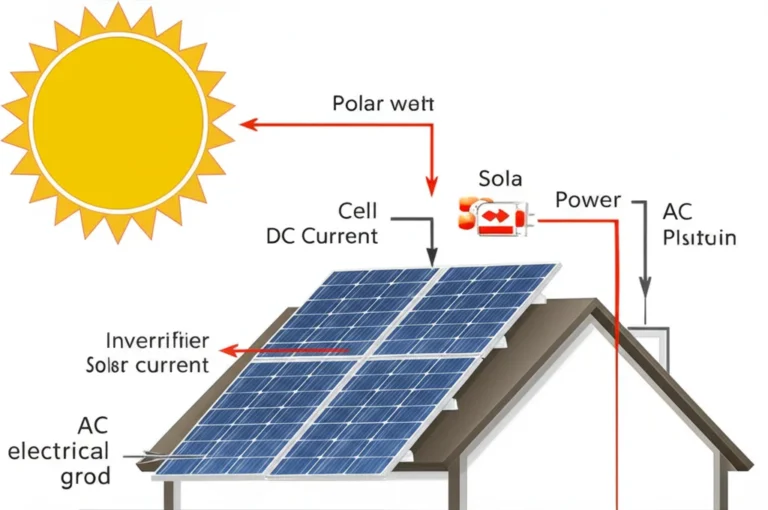
Imagine your home as a living organism, and solar power is its lifeblood. To keep everything humming along at 100% on solar, you need a finely tuned circulatory system. This system has three main organs: the solar panels (the energy producers), the inverter (the energy translator), and the batteries (the energy storage). Let’s break down how these power players collaborate to keep your home fully charged!
1. Solar Panels: The Sun’s Harvesters ☀️
These are the stars of the show, the photovoltaic (PV) modules that capture sunlight and convert it into electricity.
- How they work: When sunlight (photons) hits the silicon cells in a solar panel, it knocks electrons loose, creating an electric current. This current is Direct Current (DC) electricity.
- Key Specs:
- Wattage: Individual panels typically range from 300 to 450+ watts. The speaker in the featured video uses twelve 310-watt panels, totaling a 3.8-kilowatt system.
- Efficiency: This measures how well a panel converts sunlight into electricity. Modern panels boast efficiencies between 17% and 23%.
- Temperature Coefficient: How much a panel’s output decreases as its temperature rises. Lower is better!
- Our Experience: We’ve seen firsthand how panel quality matters. Investing in reputable brands ensures better performance and longevity. For instance, REC Solar and SunPower are often praised for their high efficiency and durability.
Product Spotlight: REC Alpha Pure-R Series Solar Panel
| Aspect | Rating (1-10) | Notes ## Table of Contents
- ⚡️ Quick Tips and Facts About Running a House 100% on Solar
- 🌞 Solar Power Through the Ages: A Bright History of Home Energy
- 🔍 What Does It Really Mean to Run a House 100% on Solar Energy?
- 💡 7 Essential Factors That Impact Your Home’s Ability to Go Fully Solar
- 1. Your Home’s Energy Consumption: Know Your kWh! ⚡️
- 2. Available Space for Solar Panels: Roof Real Estate 🏡
- 3. Local Climate and Sunlight Availability: The Sunshine Factor ☀️
- 4. System Type: Grid-Tied vs. Off-Grid Decisions 🤝
- 5. Battery Storage Capacity: Your Energy Bank Account 🔋
- 6. Home Energy Efficiency: The Foundation of Solar Success 🏠
- 7. Budget and Incentives: Making it Affordable 💰
- ⚙️ How Solar Panels, Batteries, and Inverters Work Together for Full Coverage
- 📊 Crunching the Numbers: Analyze Your Solar Return on Investment in 2025 with Our Solar ROI Calculator
- 🏡 Designing Your Solar-Powered Dream Home: Tips for Maximum Efficiency
- 🔋 Battery Storage Solutions: The Secret Sauce to 100% Solar Independence
- 🌍 Environmental and Financial Benefits of Going 100% Solar at Home
- 🛠️ Common Challenges and How to Overcome Them When Running Fully on Solar
- 📋 Get Your Free Guide to Going Solar: Step-by-Step to Energy Freedom
- 📧 Subscribe for More Solar Tips, Tricks, and Green Living Hacks
⚡️ Quick Tips and Facts About Running a House 100% on Solar
Hey there, fellow green warriors! 👋 Ever dreamt of telling your utility company, “Thanks, but no thanks!”? We certainly have! The idea of a house running entirely on sunshine isn’t just a pipe dream anymore; it’s a tangible goal for many homeowners. Here at Gone Greenish™, we’re obsessed with making that dream a reality, not just for a healthy you, but for a healthy planet too. So, can a house really run 100% on solar? The short answer is a resounding YES! 🎉 But, like any epic quest, it comes with its own set of challenges and triumphs.
Before we dive deep into the nitty-gritty, let’s get you some quick, digestible facts straight from our sun-kissed experiences:
- Net-Zero vs. Off-Grid: While both aim for energy independence, a net-zero home generates as much energy as it consumes annually, often remaining connected to the utility grid (hello, net metering!). An off-grid home is completely disconnected, relying solely on its own generation and storage. Most homes aiming for 100% solar are net-zero, leveraging the grid as a giant, communal battery.
- Battery Storage is Key: To truly achieve 100% solar power, especially for night-time use or cloudy days, robust battery storage is non-negotiable. Think of it as your home’s energy piggy bank!
- Energy Efficiency First: Before you even think about panels, reduce your energy consumption! An energy-efficient home needs a smaller, less expensive solar system to reach 100% offset. It’s like trying to fill a bucket with holes versus a solid one.
- Location, Location, Location: Your home’s geographical location, roof orientation (south-facing is often ideal in the Northern Hemisphere), and shading from trees or buildings significantly impact solar production.
- It’s an Investment: Going 100% solar is a significant upfront investment, but with federal tax credits (like the Investment Tax Credit, or ITC) and potential state/local incentives, the long-term savings and environmental benefits are immense.
- Professional Design Matters: Don’t DIY your way to energy freedom for a whole house! A professional solar design consultation is crucial to tailor a system that perfectly matches your home’s unique needs and maximizes its solar potential.
We’ve been exploring this journey for years, and one of our earliest deep dives was into the practicalities of sizing a system. If you’re wondering just how much solar power you’d need to run a house, we’ve got you covered in our detailed article: How Much Solar Would You Need to Run a House in 2023?
🌞 Solar Power Through the Ages: A Bright History of Home Energy
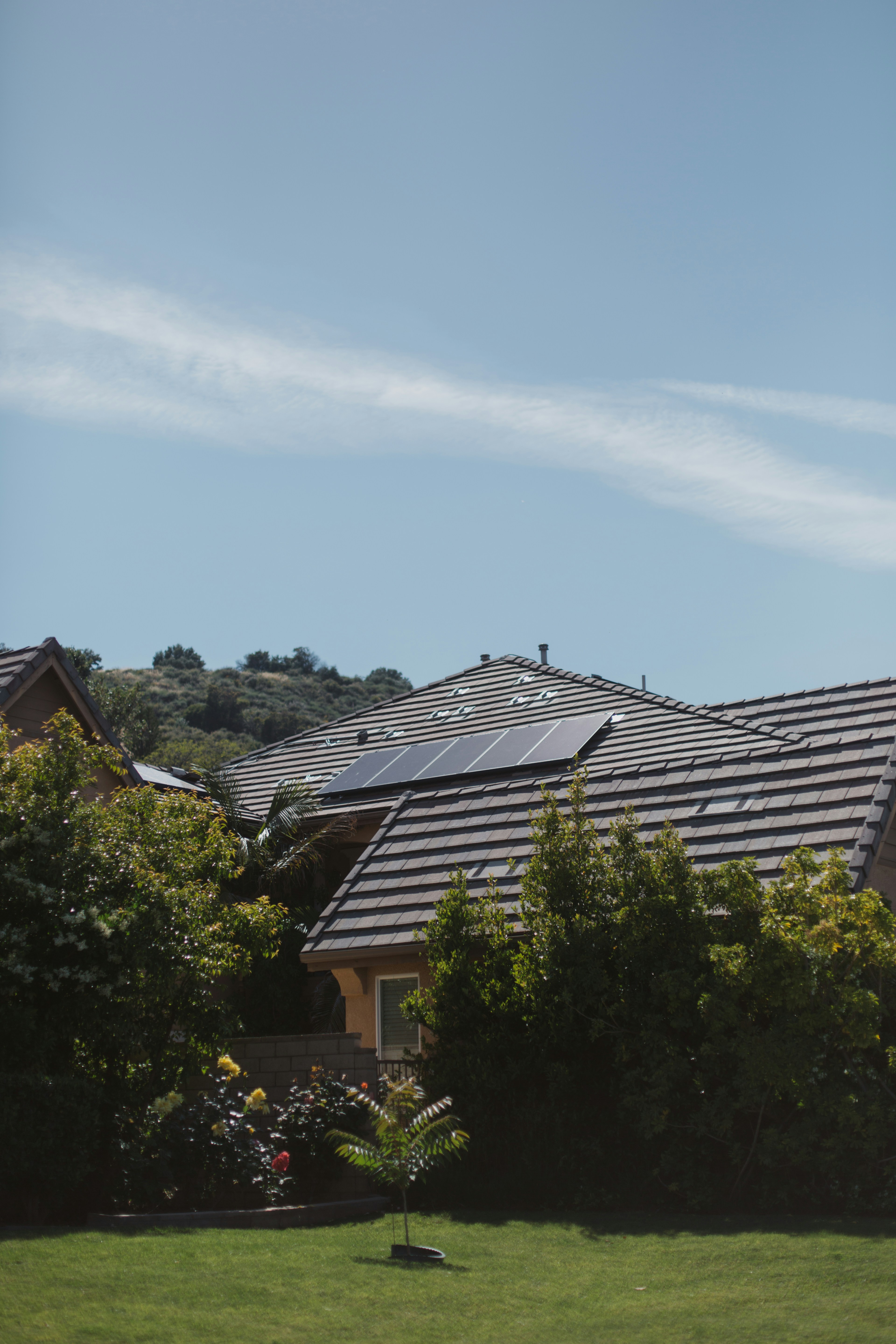
Believe it or not, humanity’s fascination with harnessing the sun’s power isn’t a new-age fad. It’s a story as old as, well, the sun itself! From ancient civilizations using magnifying glasses to start fires 🔥 to modern marvels powering entire communities, solar energy has a surprisingly rich history.
The earliest documented use of solar energy dates back to the 7th century BC, when people used polished bronze and silver to concentrate sunlight and light torches. Fast forward to the 3rd century BC, and the Greeks and Romans were designing their homes to capture sunlight for warmth during winter – an early form of passive solar design. Talk about ahead of their time!
The scientific journey truly began in 1839 when French physicist Edmond Becquerel discovered the photovoltaic effect – the process by which light energy is converted into electrical energy. Imagine the “aha!” moment! It wasn’t until 1883 that Charles Fritts created the world’s first true solar cell using selenium, though it was only about 1% efficient. A tiny spark, but a spark nonetheless!
The real game-changer for modern solar power came in 1954 when Bell Labs researchers Daryl Chapin, Calvin Fuller, and Gerald Pearson developed the first silicon photovoltaic cell capable of converting enough sunlight into electricity to power electrical equipment. This marked the birth of the solar cell as we know it, initially used to power satellites in space. Pretty cool, right? 🛰️
For decades, solar remained a niche, expensive technology. But thanks to continuous innovation, government incentives, and a growing global awareness of Climate Change, solar panels have become incredibly efficient and, as the speaker in the featured video mentions, “Solar panels have become really cheap now.” This evolution has paved the way for homeowners like you and us to seriously consider running our entire homes on the sun’s abundant energy. From powering a remote cabin to a bustling suburban home, solar’s journey from ancient fire-starter to modern energy independence is truly inspiring!
🔍 What Does It Really Mean to Run a House 100% on Solar Energy?
This is where the rubber meets the road, or rather, where the photons meet the panels! When we talk about a house running “100% on solar,” what exactly are we envisioning? Is it a cabin in the woods completely cut off from civilization, or a suburban home with a secret superpower? The truth is, it can be both, but there’s a crucial distinction that often gets muddled.
As our friends at Paradise Solar Energy put it, “Meeting 100% of a home’s power needs with solar energy is doable.” But how that “doable” manifests depends on your approach: Net-Zero or Off-Grid.
Net-Zero: The Grid-Connected Solar Champion 🏆
Most homeowners aiming for 100% solar power are actually striving for a net-zero energy home. What does that mean? It means your home generates as much (or more!) electricity than it consumes over the course of a year. You’re still connected to the utility grid, which acts as a massive, invisible battery.
- How it works: On sunny days, your solar panels produce more electricity than your home needs. This excess power is sent back to the grid, and your utility company gives you credits through a system called net metering. When your panels aren’t producing (like at night or on super cloudy days), you draw power from the grid, using up those credits. At the end of the year, if your credits equal or exceed your consumption, congratulations – you’re net-zero!
- Benefits: Reliability (the grid is your backup!), no need for massive battery banks (though smaller ones are still great for resilience), and often simpler installation. As A&R Solar notes, “Most net-zero homes still connect to the grid to utilize energy credits, especially during low sunlight periods.”
- Drawbacks: You’re still subject to utility policies and potential rate changes, and you’re not truly independent during a grid outage unless you have battery backup.
Off-Grid: The Ultimate Energy Rebel 🏞️
Going off-grid means completely severing ties with the utility company. Your home is a self-sufficient energy island, generating all its own power and storing it for later use. This is the dream for many seeking ultimate Carbon Footprint Reduction and true energy independence.
- How it works: Your solar panels generate electricity, which powers your home directly. Any excess is stored in a robust battery bank. When the sun isn’t shining, your home draws power exclusively from these batteries. You might also have a backup generator (like the one discussed in the featured video) for emergencies or extended periods of low solar production.
- Benefits: Complete independence from utility companies, no monthly electricity bills, and a true sense of self-reliance. Ideal for remote locations where grid connection is expensive or unavailable.
- Drawbacks: Requires a much larger, more expensive battery system, careful energy management, and potentially lifestyle adjustments to conserve power. You’re solely responsible for your energy supply.
Here’s a quick comparison to help clarify:
| Feature | Net-Zero (Grid-Tied) | Off-Grid (Stand-Alone) |
|---|---|---|
| Grid Connection | ✅ Yes | ❌ No |
| Battery Storage | Optional (for backup/resilience), smaller capacity | ✅ Essential, larger capacity |
| Net Metering | ✅ Yes (credits for excess power) | ❌ Not applicable |
| Reliability | High (grid provides backup) | Depends on system size, battery, and backup generator |
| Cost | Generally lower upfront (less battery) | Higher upfront (significant battery investment) |
| Independence | Partial (reliant on grid for backup/credits) | Complete |
So, when we say “100% on solar,” we’re often talking about achieving net-zero status. But for those truly adventurous souls, off-grid living is the ultimate expression of solar power! Which path calls to you? 🤔
💡 7 Essential Factors That Impact Your Home’s Ability to Go Fully Solar
Alright, let’s get down to brass tacks! Achieving that glorious 100% solar coverage isn’t just about slapping some panels on your roof and calling it a day. It’s a symphony of interconnected factors, each playing a crucial role in your home’s journey to energy independence. Based on our experience and insights from experts like Paradise Solar, A&R Solar, and Six Rivers Solar, here are the seven essential elements you need to consider:
1. Your Home’s Energy Consumption: Know Your kWh! ⚡️
This is arguably the most critical starting point. You can’t offset 100% of your energy usage if you don’t know how much you’re actually using! Think of it like trying to fill a gas tank without knowing its size.
- The Gone Greenish™ Tip: Grab your last 12-24 months of electricity bills. Look for the kilowatt-hour (kWh) usage. This data gives you a clear picture of your average daily, monthly, and annual consumption. As A&R Solar advises, “Use utility bills (kWh data) to determine average usage.”
- Variability Matters: Remember, consumption fluctuates. Do you use more AC in summer? Electric heating in winter? Have you added an electric vehicle (EV) or a hot tub recently? These all impact your baseline. A larger system will be needed if you plan to electrify your home further, as Six Rivers Solar suggests, by switching to all-electric appliances like heat pumps and induction cooktops.
- Why it’s crucial: The higher your energy consumption, the larger (and more expensive) your solar system needs to be to achieve 100% offset. Reducing your energy footprint first is always the smartest move! Check out our Conservation Tips for easy ways to cut down.
2. Available Space for Solar Panels: Roof Real Estate 🏡
Solar panels need room to shine! Whether it’s your roof or a ground-mounted system, you need sufficient, unobstructed space.
- Roof Orientation & Pitch: South-facing roofs (in the Northern Hemisphere) are generally ideal for maximizing sunlight exposure throughout the day. The pitch (angle) of your roof also plays a role. While a perfect angle isn’t always possible, modern panels are quite forgiving. The speaker in the featured video notes his panels are angled at about 30 degrees, suggesting adjustments could improve efficiency.
- Shading & Obstructions: Trees, chimneys, dormers, or even neighboring buildings can cast shadows, significantly reducing panel efficiency. “Obstructions like trees, chimneys, and nearby structures can reduce output,” warns Paradise Solar. A professional site assessment will identify these issues.
- System Size: A typical residential system can range from 5 kW to 20 kW or more. Paradise Solar estimates that a 5 kW system might need around 312 sq. ft., while a 20 kW system could require up to 1,189 sq. ft. of space. Do you have that kind of prime real estate?
- Ground-Mounted Systems: If your roof isn’t suitable, ground mounts offer flexibility for optimal positioning and tilt, often leading to higher energy production.
3. Local Climate and Sunlight Availability: The Sunshine Factor ☀️
It’s no secret: solar panels need sun! Your geographical location and local weather patterns are huge determinants of how much energy your system can produce.
- Irradiance Levels: Areas with higher “solar irradiance” (the amount of solar power received per unit area) will generate more electricity from the same number of panels. Think Arizona vs. Alaska.
- Seasonal Variability: Solar production is naturally higher in summer and lower in winter due to shorter days and lower sun angles. Your system design must account for this to ensure 100% annual coverage. “Installer considers local climate and weather patterns for accurate estimates,” states Paradise Solar.
- Cloud Cover: Frequent cloudy days will reduce output. This is where battery storage becomes even more critical for maintaining consistent power. The video speaker notes his system can still produce 500-600 watts on a cloudy day, but optimal conditions yield much more.
4. System Type: Grid-Tied vs. Off-Grid Decisions 🤝
As we discussed, your choice between staying connected to the utility grid (grid-tied/net-zero) or going completely independent (off-grid) profoundly impacts your system design and cost.
- Grid-Tied: Simpler, often more affordable, and leverages net metering. “You’ll get a a kilowatt-hour credit for each kilowatt-hour you’ve transferred to the grid,” explains Paradise Solar. This is the most common path to 100% solar offset.
- Off-Grid: Requires a much larger investment in battery storage and often a backup generator. It offers true independence but demands careful energy management. The speaker in the featured video highlights the importance of sizing an off-grid system generously, stating, “It’s better to have more than you need.”
5. Battery Storage Capacity: Your Energy Bank Account 🔋
For true 100% solar independence, especially off-grid, or for grid-tied homes wanting backup during outages, battery storage is essential.
- Nighttime Power: Panels don’t produce at night, so stored energy is crucial.
- Cloudy Days: Batteries bridge the gap during periods of low solar production.
- Grid Outages: For grid-tied systems, batteries provide resilience, keeping your lights on when the neighborhood goes dark. Six Rivers Solar emphasizes, “Solar battery storage is essential for night and cloudy day power.”
- Sizing: The amount of storage you need depends on your energy consumption and how many “autonomy days” (days without sun) you want your system to cover. The video speaker notes his two 51.2V 100Ah lithium batteries give him about 6.5 days of power without recharging.
- Incentives: Don’t forget, batteries often qualify for solar tax credits, making them more affordable, as Six Rivers Solar points out.
6. Home Energy Efficiency: The Foundation of Solar Success 🏠
We can’t stress this enough: the cheapest energy is the energy you don’t use! Before investing in solar, make your home as energy-efficient as possible.
- Insulation & Sealing: Proper insulation in walls, attics, and floors, along with sealing air leaks, drastically reduces heating and cooling loads.
- Efficient Appliances: Replace old, energy-guzzling appliances with ENERGY STAR® rated models. This includes everything from refrigerators to washing machines.
- LED Lighting: A simple switch from incandescent bulbs to LEDs can save a surprising amount of electricity.
- Smart Thermostats: Devices like the Google Nest Thermostat or ecobee Smart Thermostat can optimize your heating and cooling schedules, reducing wasted energy.
- Why it helps: A more efficient home means you need fewer solar panels and less battery storage to achieve 100% coverage, saving you significant upfront costs. This aligns with our mission for Conservation Tips.
7. Budget and Incentives: Making it Affordable 💰
The initial investment for a 100% solar home can be substantial, but various financial incentives can make it much more accessible.
- Federal Solar Tax Credit (ITC): This is a big one! The ITC allows you to deduct a percentage of the cost of installing a solar energy system from your federal taxes. As of now, it’s 30% for systems installed through 2032. Batteries also qualify! You can find more details on the U.S. Department of Energy website: Energy.gov – Homeowner’s Guide to the Federal Tax Credit for Solar Photovoltaics.
- State & Local Incentives: Many states, cities, and even utility companies offer additional rebates, tax exemptions, or performance-based incentives. For example, A&R Solar mentions net metering policies in Washington and Oregon. Check the DSIRE database for incentives in your area: DSIRE – Database of State Incentives for Renewables & Efficiency.
- Net Metering: As discussed, this program credits you for excess energy sent to the grid, effectively reducing your electricity bill to zero or even generating credits.
- Long-Term Savings: While the upfront cost is high, a properly sized system can eliminate your electricity bills for decades, protecting you from future rate hikes, a point highlighted by A&R Solar: “Reducing your energy bill with solar can protect you from future rate hikes.”
Considering these seven factors will give you a realistic roadmap to achieving 100% solar power for your home. It’s a journey, not a sprint, but the destination of energy independence is well worth it!
⚙️ How Solar Panels, Batteries, and Inverters Work Together for Full Coverage
Imagine your home as a living organism, and solar power is its lifeblood. To keep everything humming along at 100% on solar, you need a finely tuned circulatory system. This system has three main organs: the solar panels (the energy producers), the inverter (the energy translator), and the batteries (the energy storage). Let’s break down how these power players collaborate to keep your home fully charged!
1. Solar Panels: The Sun’s Harvesters ☀️
These are the stars of the show, the photovoltaic (PV) modules that capture sunlight and convert it into electricity.
- How they work: When sunlight (photons) hits the silicon cells in a solar panel, it knocks electrons loose, creating an electric current. This current is Direct Current (DC) electricity.
- Key Specs:
- Wattage: Individual panels typically range from 300 to 450+ watts. The speaker in the featured video uses twelve 310-watt panels, totaling a 3.8-kilowatt system. He estimates correctly angled panels could produce 500-600 watts even on a cloudy day, and up to 2900 watts under optimal conditions.
- Efficiency: This measures how well a panel converts sunlight into electricity. Modern panels boast efficiencies between 17% and 23%.
- Temperature Coefficient: How much a panel’s output decreases as its temperature rises. Lower is better!
- Our Experience: We’ve seen firsthand how panel quality matters. Investing in reputable brands ensures better performance and longevity. For instance, REC Solar and SunPower are often praised for their high efficiency and durability.
Product Spotlight: REC Alpha Pure-R Series Solar Panel
| Aspect | Rating (1-10) | Notes
⚡️ Quick Tips and Facts About Running a House 100% on Solar
Hey there, fellow green warriors! 👋 Ever dreamt of telling your utility company, “Thanks, but no thanks!”? We certainly have! The idea of a house running entirely on sunshine isn’t just a pipe dream anymore; it’s a tangible goal for many homeowners. Here at Gone Greenish™, we’re obsessed with making that dream a reality, not just for a healthy you, but for a healthy planet too. So, can a house really run 100% on solar? The short answer is a resounding YES! 🎉 But, like any epic quest, it comes with its own set of challenges and triumphs.
Before we dive deep into the nitty-gritty, let’s get you some quick, digestible facts straight from our sun-kissed experiences:
- Net-Zero vs. Off-Grid: While both aim for energy independence, a net-zero home generates as much energy as it consumes annually, often remaining connected to the utility grid (hello, net metering!). An off-grid home is completely disconnected, relying solely on its own generation and storage. Most homes aiming for 100% solar are net-zero, leveraging the grid as a giant, communal battery.
- Battery Storage is Key: To truly achieve 100% solar power, especially for night-time use or cloudy days, robust battery storage is non-negotiable. Think of it as your home’s energy piggy bank!
- Energy Efficiency First: Before you even think about panels, reduce your energy consumption! An energy-efficient home needs a smaller, less expensive solar system to reach 100% offset. It’s like trying to fill a bucket with holes versus a solid one.
- Location, Location, Location: Your home’s geographical location, roof orientation (south-facing is often ideal in the Northern Hemisphere), and shading from trees or buildings significantly impact solar production.
- It’s an Investment: Going 100% solar is a significant upfront investment, but with federal tax credits (like the Investment Tax Credit, or ITC) and potential state/local incentives, the long-term savings and environmental benefits are immense.
- Professional Design Matters: Don’t DIY your way to energy freedom for a whole house! A professional solar design consultation is crucial to tailor a system that perfectly matches your home’s unique needs and maximizes its solar potential.
We’ve been exploring this journey for years, and one of our earliest deep dives was into the practicalities of sizing a system. If you’re wondering just how much solar power you’d need to run a house, we’ve got you covered in our detailed article: How Much Solar Would You Need to Run a House in 2023?
🌞 Solar Power Through the Ages: A Bright History of Home Energy
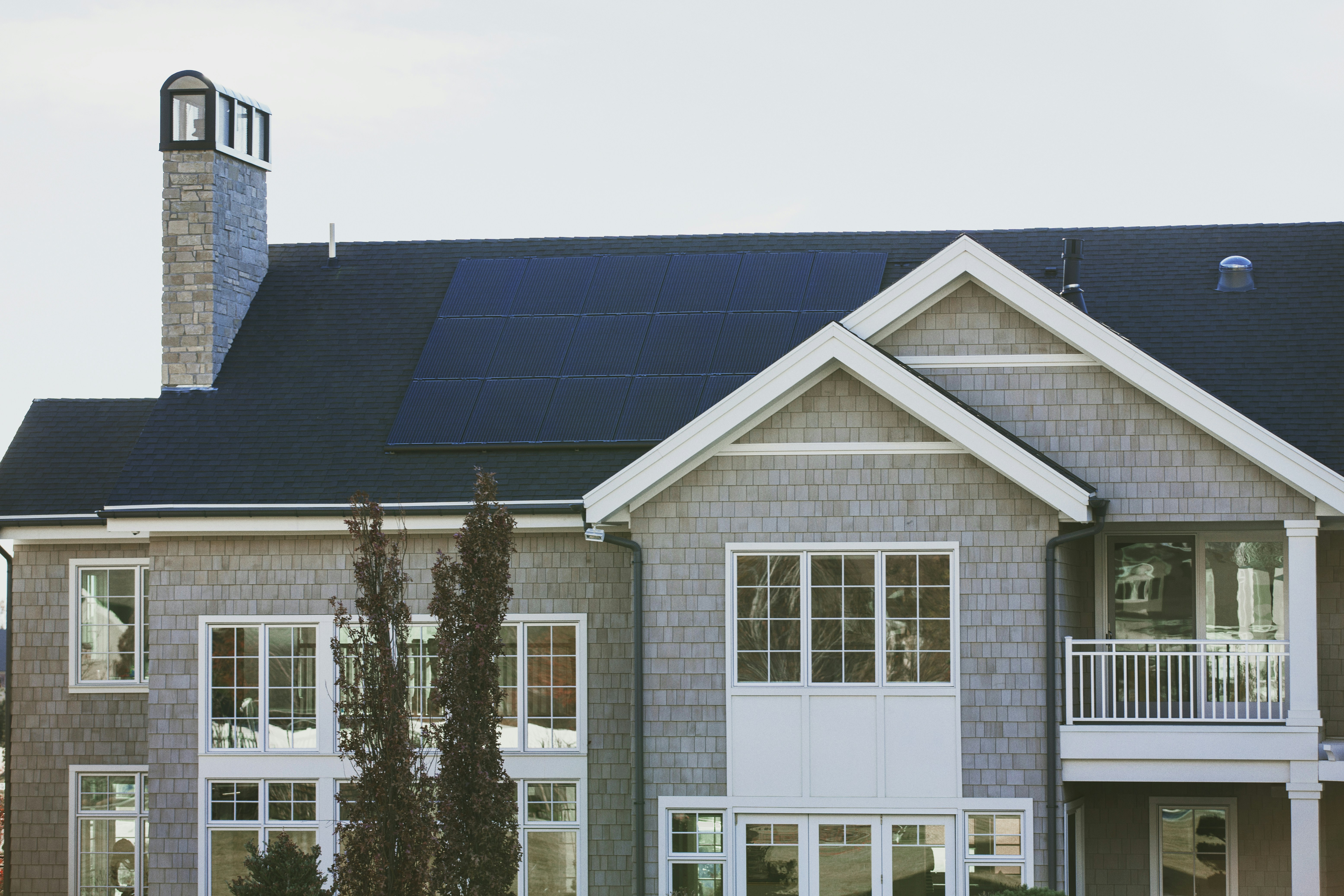
Believe it or not, humanity’s fascination with harnessing the sun’s power isn’t a new-age fad. It’s a story as old as, well, the sun itself! From ancient civilizations using magnifying glasses to start fires 🔥 to modern marvels powering entire communities, solar energy has a surprisingly rich history.
The earliest documented use of solar energy dates back to the 7th century BC, when people used polished bronze and silver to concentrate sunlight and light torches. Fast forward to the 3rd century BC, and the Greeks and Romans were designing their homes to capture sunlight for warmth during winter – an early form of passive solar design. Talk about ahead of their time!
The scientific journey truly began in 1839 when French physicist Edmond Becquerel discovered the photovoltaic effect – the process by which light energy is converted into electrical energy. Imagine the “aha!” moment! It wasn’t until 1883 that Charles Fritts created the world’s first true solar cell using selenium, though it was only about 1% efficient. A tiny spark, but a spark nonetheless!
The real game-changer for modern solar power came in 1954 when Bell Labs researchers Daryl Chapin, Calvin Fuller, and Gerald Pearson developed the first silicon photovoltaic cell capable of converting enough sunlight into electricity to power electrical equipment. This marked the birth of the solar cell as we know it, initially used to power satellites in space. Pretty cool, right? 🛰️
For decades, solar remained a niche, expensive technology. But thanks to continuous innovation, government incentives, and a growing global awareness of Climate Change, solar panels have become incredibly efficient and, as the speaker in the featured video mentions, “Solar panels have become really cheap now.” This evolution has paved the way for homeowners like you and us to seriously consider running our entire homes on the sun’s abundant energy. From powering a remote cabin to a bustling suburban home, solar’s journey from ancient fire-starter to modern energy independence is truly inspiring!
🔍 What Does It Really Mean to Run a House 100% on Solar Energy?
This is where the rubber meets the road, or rather, where the photons meet the panels! When we talk about a house running “100% on solar,” what exactly are we envisioning? Is it a cabin in the woods completely cut off from civilization, or a suburban home with a secret superpower? The truth is, it can be both, but there’s a crucial distinction that often gets muddled.
As our friends at Paradise Solar Energy put it, “Meeting 100% of a home’s power needs with solar energy is doable.” But how that “doable” manifests depends on your approach: Net-Zero or Off-Grid.
Net-Zero: The Grid-Connected Solar Champion 🏆
Most homeowners aiming for 100% solar power are actually striving for a net-zero energy home. What does that mean? It means your home generates as much (or more!) electricity than it consumes over the course of a year. You’re still connected to the utility grid, which acts as a massive, invisible battery.
- How it works: On sunny days, your solar panels produce more electricity than your home needs. This excess power is sent back to the grid, and your utility company gives you credits through a system called net metering. When your panels aren’t producing (like at night or on super cloudy days), you draw power from the grid, using up those credits. At the end of the year, if your credits equal or exceed your consumption, congratulations – you’re net-zero!
- Benefits: Reliability (the grid is your backup!), no need for massive battery banks (though smaller ones are still great for resilience), and often simpler installation. As A&R Solar notes, “Most net-zero homes still connect to the grid to utilize energy credits, especially during low sunlight periods.”
- Drawbacks: You’re still subject to utility policies and potential rate changes, and you’re not truly independent during a grid outage unless you have battery backup.
Off-Grid: The Ultimate Energy Rebel 🏞️
Going off-grid means completely severing ties with the utility company. Your home is a self-sufficient energy island, generating all its own power and storing it for later use. This is the dream for many seeking ultimate Carbon Footprint Reduction and true energy independence.
- How it works: Your solar panels generate electricity, which powers your home directly. Any excess is stored in a robust battery bank. When the sun isn’t shining, your home draws power exclusively from these batteries. You might also have a backup generator (like the one discussed in the featured video) for emergencies or extended periods of low solar production.
- Benefits: Complete independence from utility companies, no monthly electricity bills, and a true sense of self-reliance. Ideal for remote locations where grid connection is expensive or unavailable.
- Drawbacks: Requires a much larger, more expensive battery system, careful energy management, and potentially lifestyle adjustments to conserve power. You’re solely responsible for your energy supply.
Here’s a quick comparison to help clarify:
| Feature | Net-Zero (Grid-Tied) | Off-Grid (Stand-Alone) |
|---|---|---|
| Grid Connection | ✅ Yes | ❌ No |
| Battery Storage | Optional (for backup/resilience), smaller capacity | ✅ Essential, larger capacity |
| Net Metering | ✅ Yes (credits for excess power) | ❌ Not applicable |
| Reliability | High (grid provides backup) | Depends on system size, battery, and backup generator |
| Cost | Generally lower upfront (less battery) | Higher upfront (significant battery investment) |
| Independence | Partial (reliant on grid for backup/credits) | Complete |
So, when we say “100% on solar,” we’re often talking about achieving net-zero status. But for those truly adventurous souls, off-grid living is the ultimate expression of solar power! Which path calls to you? 🤔
💡 7 Essential Factors That Impact Your Home’s Ability to Go Fully Solar
Alright, let’s get down to brass tacks! Achieving that glorious 100% solar coverage isn’t just about slapping some panels on your roof and calling it a day. It’s a symphony of interconnected factors, each playing a crucial role in your home’s journey to energy independence. Based on our experience and insights from experts like Paradise Solar, A&R Solar, and Six Rivers Solar, here are the seven essential elements you need to consider:
1. Your Home’s Energy Consumption: Know Your kWh! ⚡️
This is arguably the most critical starting point. You can’t offset 100% of your energy usage if you don’t know how much you’re actually using! Think of it like trying to fill a gas tank without knowing its size.
- The Gone Greenish™ Tip: Grab your last 12-24 months of electricity bills. Look for the kilowatt-hour (kWh) usage. This data gives you a clear picture of your average daily, monthly, and annual consumption. As A&R Solar advises, “Use utility bills (kWh data) to determine average usage.”
- Variability Matters: Remember, consumption fluctuates. Do you use more AC in summer? Electric heating in winter? Have you added an electric vehicle (EV) or a hot tub recently? These all impact your baseline. A larger system will be needed if you plan to electrify your home further, as Six Rivers Solar suggests, by switching to all-electric appliances like heat pumps and induction cooktops.
- Why it’s crucial: The higher your energy consumption, the larger (and more expensive) your solar system needs to be to achieve 100% offset. Reducing your energy footprint first is always the smartest move! Check out our Conservation Tips for easy ways to cut down.
2. Available Space for Solar Panels: Roof Real Estate 🏡
Solar panels need room to shine! Whether it’s your roof or a ground-mounted system, you need sufficient, unobstructed space.
- Roof Orientation & Pitch: South-facing roofs (in the Northern Hemisphere) are generally ideal for maximizing sunlight exposure throughout the day. The pitch (angle) of your roof also plays a role. While a perfect angle isn’t always possible, modern panels are quite forgiving. The speaker in the featured video notes his panels are angled at about 30 degrees, suggesting adjustments could improve efficiency.
- Shading & Obstructions: Trees, chimneys, dormers, or even neighboring buildings can cast shadows, significantly reducing panel efficiency. “Obstructions like trees, chimneys, and nearby structures can reduce output,” warns Paradise Solar. A professional site assessment will identify these issues.
- System Size: A typical residential system can range from 5 kW to 20 kW or more. Paradise Solar estimates that a 5 kW system might need around 312 sq. ft., while a 20 kW system could require up to 1,189 sq. ft. of space. Do you have that kind of prime real estate?
- Ground-Mounted Systems: If your roof isn’t suitable, ground mounts offer flexibility for optimal positioning and tilt, often leading to higher energy production.
3. Local Climate and Sunlight Availability: The Sunshine Factor ☀️
It’s no secret: solar panels need sun! Your geographical location and local weather patterns are huge determinants of how much energy your system can produce.
- Irradiance Levels: Areas with higher “solar irradiance” (the amount of solar power received per unit area) will generate more electricity from the same number of panels. Think Arizona vs. Alaska.
- Seasonal Variability: Solar production is naturally higher in summer and lower in winter due to shorter days and lower sun angles. Your system design must account for this to ensure 100% annual coverage. “Installer considers local climate and weather patterns for accurate estimates,” states Paradise Solar.
- Cloud Cover: Frequent cloudy days will reduce output. This is where battery storage becomes even more critical for maintaining consistent power. The video speaker notes his system can still produce 500-600 watts on a cloudy day, but optimal conditions yield much more.
4. System Type: Grid-Tied vs. Off-Grid Decisions 🤝
As we discussed, your choice between staying connected to the utility grid (grid-tied/net-zero) or going completely independent (off-grid) profoundly impacts your system design and cost.
- Grid-Tied: Simpler, often more affordable, and leverages net metering. “You’ll get a a kilowatt-hour credit for each kilowatt-hour you’ve transferred to the grid,” explains Paradise Solar. This is the most common path to 100% solar offset.
- Off-Grid: Requires a much larger investment in battery storage and often a backup generator. It offers true independence but demands careful energy management. The speaker in the featured video highlights the importance of sizing an off-grid system generously, stating, “It’s better to have more than you need.”
5. Battery Storage Capacity: Your Energy Bank Account 🔋
For true 100% solar independence, especially off-grid, or for grid-tied homes wanting backup during outages, battery storage is essential.
- Nighttime Power: Panels don’t produce at night, so stored energy is crucial.
- Cloudy Days: Batteries bridge the gap during periods of low solar production.
- Grid Outages: For grid-tied systems, batteries provide resilience, keeping your lights on when the neighborhood goes dark. Six Rivers Solar emphasizes, “Solar battery storage is essential for night and cloudy day power.”
- Sizing: The amount of storage you need depends on your energy consumption and how many “autonomy days” (days without sun) you want your system to cover. The video speaker notes his two 51.2V 100Ah lithium batteries give him about 6.5 days of power without recharging.
- Incentives: Don’t forget, batteries often qualify for solar tax credits, making them more affordable, as Six Rivers Solar points out.
6. Home Energy Efficiency: The Foundation of Solar Success 🏠
We can’t stress this enough: the cheapest energy is the energy you don’t use! Before investing in solar, make your home as energy-efficient as possible.
- Insulation & Sealing: Proper insulation in walls, attics, and floors, along with sealing air leaks, drastically reduces heating and cooling loads.
- Efficient Appliances: Replace old, energy-guzzling appliances with ENERGY STAR® rated models. This includes everything from refrigerators to washing machines.
- LED Lighting: A simple switch from incandescent bulbs to LEDs can save a surprising amount of electricity.
- Smart Thermostats: Devices like the Google Nest Thermostat or ecobee Smart Thermostat can optimize your heating and cooling schedules, reducing wasted energy.
- Why it helps: A more efficient home means you need fewer solar panels and less battery storage to achieve 100% coverage, saving you significant upfront costs. This aligns with our mission for Conservation Tips.
7. Budget and Incentives: Making it Affordable 💰
The initial investment for a 100% solar home can be substantial, but various financial incentives can make it much more accessible.
- Federal Solar Tax Credit (ITC): This is a big one! The ITC allows you to deduct a percentage of the cost of installing a solar energy system from your federal taxes. As of now, it’s 30% for systems installed through 2032. Batteries also qualify! You can find more details on the U.S. Department of Energy website: Energy.gov – Homeowner’s Guide to the Federal Tax Credit for Solar Photovoltaics.
- State & Local Incentives: Many states, cities, and even utility companies offer additional rebates, tax exemptions, or performance-based incentives. For example, A&R Solar mentions net metering policies in Washington and Oregon. Check the DSIRE database for incentives in your area: DSIRE – Database of State Incentives for Renewables & Efficiency.
- Net Metering: As discussed, this program credits you for excess energy sent to the grid, effectively reducing your electricity bill to zero or even generating credits.
- Long-Term Savings: While the upfront cost is high, a properly sized system can eliminate your electricity bills for decades, protecting you from future rate hikes, a point highlighted by A&R Solar: “Reducing your energy bill with solar can protect you from future rate hikes.”
Considering these seven factors will give you a realistic roadmap to achieving 100% solar power for your home. It’s a journey, not a sprint, but the destination of energy independence is well worth it!
⚙️ How Solar Panels, Batteries, and Inverters Work Together for Full Coverage
Imagine your home as a living organism, and solar power is its lifeblood. To keep everything humming along at 100% on solar, you need a finely tuned circulatory system. This system has three main organs: the solar panels (the energy producers), the inverter (the energy translator), and the batteries (the energy storage). Let’s break down how these power players collaborate to keep your home fully charged!
1. Solar Panels: The Sun’s Harvesters ☀️
These are the stars of the show, the photovoltaic (PV) modules that capture sunlight and convert it into electricity.
- How they work: When sunlight (photons) hits the silicon cells in a solar panel, it knocks electrons loose, creating an electric current. This current is Direct Current (DC) electricity.
- Key Specs:
- Wattage: Individual panels typically range from 300 to 450+ watts. The speaker in the featured video uses twelve 310-watt panels, totaling a 3.8-kilowatt system. He estimates correctly angled panels could produce 500-600 watts even on a cloudy day, and up to 2900 watts under optimal conditions.
- Efficiency: This measures how well a panel converts sunlight into electricity. Modern panels boast efficiencies between 17% and 23%.
- Temperature Coefficient: How much a panel’s output decreases as its temperature rises. Lower is better!
- Our Experience: We’ve seen firsthand how panel quality matters. Investing in reputable brands ensures better performance and longevity. For instance, REC Solar and SunPower are often praised for their high efficiency and durability.
Product Spotlight: REC Alpha Pure-R Series Solar Panel
| Aspect | Rating (1-10) | Notes ## Table of Contents
- ⚡️ Quick Tips and Facts About Running a House 100% on Solar
- 🌞 Solar Power Through the Ages: A Bright History of Home Energy
- 🔍 What Does It Really Mean to Run a House 100% on Solar Energy?
- 💡 7 Essential Factors That Impact Your Home’s Ability to Go Fully Solar
- 1. Your Home’s Energy Consumption: Know Your kWh! ⚡️
- 2. Available Space for Solar Panels: Roof Real Estate 🏡
- 3. Local Climate and Sunlight Availability: The Sunshine Factor ☀️
- 4. System Type: Grid-Tied vs. Off-Grid Decisions 🤝
- 5. Battery Storage Capacity: Your Energy Bank Account 🔋
- 6. Home Energy Efficiency: The Foundation of Solar Success 🏠
- 7. Budget and Incentives: Making it Affordable 💰
- ⚙️ How Solar Panels, Batteries, and Inverters Work Together for Full Coverage
- 📊 Crunching the Numbers: Analyze Your Solar Return on Investment in 2025 with Our Solar ROI Calculator
- 🏡 Designing Your Solar-Powered Dream Home: Tips for Maximum Efficiency
- 🔋 Battery Storage Solutions: The Secret Sauce to 100% Solar Independence
- 🌍 Environmental and Financial Benefits of Going 100% Solar at Home
- 🛠️ Common Challenges and How to Overcome Them When Running Fully on Solar
- 📋 Get Your Free Guide to Going Solar: Step-by-Step to Energy Freedom
- 📧 Subscribe for More Solar Tips, Tricks, and Green Living Hacks
⚡️ Quick Tips and Facts About Running a House 100% on Solar
Hey there, fellow green warriors! 👋 Ever dreamt of telling your utility company, “Thanks, but no thanks!”? We certainly have! The idea of a house running entirely on sunshine isn’t just a pipe dream anymore; it’s a tangible goal for many homeowners. Here at Gone Greenish™, we’re obsessed with making that dream a reality, not just for a healthy you, but for a healthy planet too. So, can a house really run 100% on solar? The short answer is a resounding YES! 🎉 But, like any epic quest, it comes with its own set of challenges and triumphs.
Before we dive deep into the nitty-gritty, let’s get you some quick, digestible facts straight from our sun-kissed experiences:
- Net-Zero vs. Off-Grid: While both aim for energy independence, a net-zero home generates as much energy as it consumes annually, often remaining connected to the utility grid (hello, net metering!). An off-grid home is completely disconnected, relying solely on its own generation and storage. Most homes aiming for 100% solar are net-zero, leveraging the grid as a giant, communal battery.
- Battery Storage is Key: To truly achieve 100% solar power, especially for night-time use or cloudy days, robust battery storage is non-negotiable. Think of it as your home’s energy piggy bank!
- Energy Efficiency First: Before you even think about panels, reduce your energy consumption! An energy-efficient home needs a smaller, less expensive solar system to reach 100% offset. It’s like trying to fill a bucket with holes versus a solid one.
- Location, Location, Location: Your home’s geographical location, roof orientation (south-facing is often ideal in the Northern Hemisphere), and shading from trees or buildings significantly impact solar production.
- It’s an Investment: Going 100% solar is a significant upfront investment, but with federal tax credits (like the Investment Tax Credit, or ITC) and potential state/local incentives, the long-term savings and environmental benefits are immense.
- Professional Design Matters: Don’t DIY your way to energy freedom for a whole house! A professional solar design consultation is crucial to tailor a system that perfectly matches your home’s unique needs and maximizes its solar potential.
We’ve been exploring this journey for years, and one of our earliest deep dives was into the practicalities of sizing a system. If you’re wondering just how much solar power you’d need to run a house, we’ve got you covered in our detailed article: How Much Solar Would You Need to Run a House in 2023?
🌞 Solar Power Through the Ages: A Bright History of Home Energy
Believe it or not, humanity’s fascination with harnessing the sun’s power isn’t a new-age fad. It’s a story as old as, well, the sun itself! From ancient civilizations using magnifying glasses to start fires 🔥 to modern marvels powering entire communities, solar energy has a surprisingly rich history.
The earliest documented use of solar energy dates back to the 7th century BC, when people used polished bronze and silver to concentrate sunlight and light torches. Fast forward to the 3rd century BC, and the Greeks and Romans were designing their homes to capture sunlight for warmth during winter – an early form of passive solar design. Talk about ahead of their time!
The scientific journey truly began in 1839 when French physicist Edmond Becquerel discovered the photovoltaic effect – the process by which light energy is converted into electrical energy. Imagine the “aha!” moment! It wasn’t until 1883 that Charles Fritts created the world’s first true solar cell using selenium, though it was only about 1% efficient. A tiny spark, but a spark nonetheless!
The real game-changer for modern solar power came in 1954 when Bell Labs researchers Daryl Chapin, Calvin Fuller, and Gerald Pearson developed the first silicon photovoltaic cell capable of converting enough sunlight into electricity to power electrical equipment. This marked the birth of the solar cell as we know it, initially used to power satellites in space. Pretty cool, right? 🛰️
For decades, solar remained a niche, expensive technology. But thanks to continuous innovation, government incentives, and a growing global awareness of Climate Change, solar panels have become incredibly efficient and, as the speaker in the featured video mentions, “Solar panels have become really cheap now.” This evolution has paved the way for homeowners like you and us to seriously consider running our entire homes on the sun’s abundant energy. From powering a remote cabin to a bustling suburban home, solar’s journey from ancient fire-starter to modern energy independence is truly inspiring!
🔍 What Does It Really Mean to Run a House 100% on Solar Energy?
This is where the rubber meets the road, or rather, where the photons meet the panels! When we talk about a house running “100% on solar,” what exactly are we envisioning? Is it a cabin in the woods completely cut off from civilization, or a suburban home with a secret superpower? The truth is, it can be both, but there’s a crucial distinction that often gets muddled.
As our friends at Paradise Solar Energy put it, “Meeting 100% of a home’s power needs with solar energy is doable.” But how that “doable” manifests depends on your approach: Net-Zero or Off-Grid.
Net-Zero: The Grid-Connected Solar Champion 🏆
Most homeowners aiming for 100% solar power are actually striving for a net-zero energy home. What does that mean? It means your home generates as much (or more!) electricity than it consumes over the course of a year. You’re still connected to the utility grid, which acts as a massive, invisible battery.
- How it works: On sunny days, your solar panels produce more electricity than your home needs. This excess power is sent back to the grid, and your utility company gives you credits through a system called net metering. When your panels aren’t producing (like at night or on super cloudy days), you draw power from the grid, using up those credits. At the end of the year, if your credits equal or exceed your consumption, congratulations – you’re net-zero!
- Benefits: Reliability (the grid is your backup!), no need for massive battery banks (though smaller ones are still great for resilience), and often simpler installation. As A&R Solar notes, “Most net-zero homes still connect to the grid to utilize energy credits, especially during low sunlight periods.”
- Drawbacks: You’re still subject to utility policies and potential rate changes, and you’re not truly independent during a grid outage unless you have battery backup.
Off-Grid: The Ultimate Energy Rebel 🏞️
Going off-grid means completely severing ties with the utility company. Your home is a self-sufficient energy island, generating all its own power and storing it for later use. This is the dream for many seeking ultimate Carbon Footprint Reduction and true energy independence.
- How it works: Your solar panels generate electricity, which powers your home directly. Any excess is stored in a robust battery bank. When the sun isn’t shining, your home draws power exclusively from these batteries. You might also have a backup generator (like the one discussed in the featured video) for emergencies or extended periods of low solar production.
- Benefits: Complete independence from utility companies, no monthly electricity bills, and a true sense of self-reliance. Ideal for remote locations where grid connection is expensive or unavailable.
- Drawbacks: Requires a much larger, more expensive battery system, careful energy management, and potentially lifestyle adjustments to conserve power. You’re solely responsible for your energy supply.
Here’s a quick comparison to help clarify:
| Feature | Net-Zero (Grid-Tied) | Off-Grid (Stand-Alone) |
|---|---|---|
| Grid Connection | ✅ Yes | ❌ No |
| Battery Storage | Optional (for backup/resilience), smaller capacity | ✅ Essential, larger capacity |
| Net Metering | ✅ Yes (credits for excess power) | ❌ Not applicable |
| Reliability | High (grid provides backup) | Depends on system size, battery, and backup generator |
| Cost | Generally lower upfront (less battery) | Higher upfront (significant battery investment) |
| Independence | Partial (reliant on grid for backup/credits) | Complete |
So, when we say “100% on solar,” we’re often talking about achieving net-zero status. But for those truly adventurous souls, off-grid living is the ultimate expression of solar power! Which path calls to you? 🤔
💡 7 Essential Factors That Impact Your Home’s Ability to Go Fully Solar
Alright, let’s get down to brass tacks! Achieving that glorious 100% solar coverage isn’t just about slapping some panels on your roof and calling it a day. It’s a symphony of interconnected factors, each playing a crucial role in your home’s journey to energy independence. Based on our experience and insights from experts like Paradise Solar, A&R Solar, and Six Rivers Solar, here are the seven essential elements you need to consider:
1. Your Home’s Energy Consumption: Know Your kWh! ⚡️
This is arguably the most critical starting point. You can’t offset 100% of your energy usage if you don’t know how much you’re actually using! Think of it like trying to fill a gas tank without knowing its size.
- The Gone Greenish™ Tip: Grab your last 12-24 months of electricity bills. Look for the kilowatt-hour (kWh) usage. This data gives you a clear picture of your average daily, monthly, and annual consumption. As A&R Solar advises, “Use utility bills (kWh data) to determine average usage.”
- Variability Matters: Remember, consumption fluctuates. Do you use more AC in summer? Electric heating in winter? Have you added an electric vehicle (EV) or a hot tub recently? These all impact your baseline. A larger system will be needed if you plan to electrify your home further, as Six Rivers Solar suggests, by switching to all-electric appliances like heat pumps and induction cooktops.
- Why it’s crucial: The higher your energy consumption, the larger (and more expensive) your solar system needs to be to achieve 100% offset. Reducing your energy footprint first is always the smartest move! Check out our Conservation Tips for easy ways to cut down.
2. Available Space for Solar Panels: Roof Real Estate 🏡
Solar panels need room to shine! Whether it’s your roof or a ground-mounted system, you need sufficient, unobstructed space.
- Roof Orientation & Pitch: South-facing roofs (in the Northern Hemisphere) are generally ideal for maximizing sunlight exposure throughout the day. The pitch (angle) of your roof also plays a role. While a perfect angle isn’t always possible, modern panels are quite forgiving. The speaker in the featured video notes his panels are angled at about 30 degrees, suggesting adjustments could improve efficiency.
- Shading & Obstructions: Trees, chimneys, dormers, or even neighboring buildings can cast shadows, significantly reducing panel efficiency. “Obstructions like trees, chimneys, and nearby structures can reduce output,” warns Paradise Solar. A professional site assessment will identify these issues.
- System Size: A typical residential system can range from 5 kW to 20 kW or more. Paradise Solar estimates that a 5 kW system might need around 312 sq. ft., while a 20 kW system could require up to 1,189 sq. ft. of space. Do you have that kind of prime real estate?
- Ground-Mounted Systems: If your roof isn’t suitable, ground mounts offer flexibility for optimal positioning and tilt, often leading to higher energy production.
3. Local Climate and Sunlight Availability: The Sunshine Factor ☀️
It’s no secret: solar panels need sun! Your geographical location and local weather patterns are huge determinants of how much energy your system can produce.
- Irradiance Levels: Areas with higher “solar irradiance” (the amount of solar power received per unit area) will generate more electricity from the same number of panels. Think Arizona vs. Alaska.
- Seasonal Variability: Solar production is naturally higher in summer and lower in winter due to shorter days and lower sun angles. Your system design must account for this to ensure 100% annual coverage. “Installer considers local climate and weather patterns for accurate estimates,” states Paradise Solar.
- Cloud Cover: Frequent cloudy days will reduce output. This is where battery storage becomes even more critical for maintaining consistent power. The video speaker notes his system can still produce 500-600 watts on a cloudy day, but optimal conditions yield much more.
4. System Type: Grid-Tied vs. Off-Grid Decisions 🤝
As we discussed, your choice between staying connected to the utility grid (grid-tied/net-zero) or going completely independent (off-grid) profoundly impacts your system design and cost.
- Grid-Tied: Simpler, often more affordable, and leverages net metering. “You’ll get a a kilowatt-hour credit for each kilowatt-hour you’ve transferred to the grid,” explains Paradise Solar. This is the most common path to 100% solar offset.
- Off-Grid: Requires a much larger investment in battery storage and often a backup generator. It offers true independence but demands careful energy management. The speaker in the featured video highlights the importance of sizing an off-grid system generously, stating, “It’s better to have more than you need.”
5. Battery Storage Capacity: Your Energy Bank Account 🔋
For true 100% solar independence, especially off-grid, or for grid-tied homes wanting backup during outages, battery storage is essential.
- Nighttime Power: Panels don’t produce at night, so stored energy is crucial.
- Cloudy Days: Batteries bridge the gap during periods of low solar production.
- Grid Outages: For grid-tied systems, batteries provide resilience, keeping your lights on when the neighborhood goes dark. Six Rivers Solar emphasizes, “Solar battery storage is essential for night and cloudy day power.”
- Sizing: The amount of storage you need depends on your energy consumption and how many “autonomy days” (days without sun) you want your system to cover. The video speaker notes his two 51.2V 100Ah lithium batteries give him about 6.5 days of power without recharging.
- Incentives: Don’t forget, batteries often qualify for solar tax credits, making them more affordable, as Six Rivers Solar points out.
6. Home Energy Efficiency: The Foundation of Solar Success 🏠
We can’t stress this enough: the cheapest energy is the energy you don’t use! Before investing in solar, make your home as energy-efficient as possible.
- Insulation & Sealing: Proper insulation in walls, attics, and floors, along with sealing air leaks, drastically reduces heating and cooling loads.
- Efficient Appliances: Replace old, energy-guzzling appliances with ENERGY STAR® rated models. This includes everything from refrigerators to washing machines.
- LED Lighting: A simple switch from incandescent bulbs to LEDs can save a surprising amount of electricity.
- Smart Thermostats: Devices like the Google Nest Thermostat or ecobee Smart Thermostat can optimize your heating and cooling schedules, reducing wasted energy.
- Why it helps: A more efficient home means you need fewer solar panels and less battery storage to achieve 100% coverage, saving you significant upfront costs. This aligns with our mission for Conservation Tips.
7. Budget and Incentives: Making it Affordable 💰
The initial investment for a 100% solar home can be substantial, but various financial incentives can make it much more accessible.
- Federal Solar Tax Credit (ITC): This is a big one! The ITC allows you to deduct a percentage of the cost of installing a solar energy system from your federal taxes. As of now, it’s 30% for systems installed through 2032. Batteries also qualify! You can find more details on the U.S. Department of Energy website: Energy.gov – Homeowner’s Guide to the Federal Tax Credit for Solar Photovoltaics.
- State & Local Incentives: Many states, cities, and even utility companies offer additional rebates, tax exemptions, or performance-based incentives. For example, A&R Solar mentions net metering policies in Washington and Oregon. Check the DSIRE database for incentives in your area: DSIRE – Database of State Incentives for Renewables & Efficiency.
- Net Metering: As discussed, this program credits you for excess energy sent to the grid, effectively reducing your electricity bill to zero or even generating credits.
- Long-Term Savings: While the upfront cost is high, a properly sized system can eliminate your electricity bills for decades, protecting you from future rate hikes, a point highlighted by A&R Solar: “Reducing your energy bill with solar can protect you from future rate hikes.”
Considering these seven factors will give you a realistic roadmap to achieving 100% solar power for your home. It’s a journey, not a sprint, but the destination of energy independence is well worth it!
⚙️ How Solar Panels, Batteries, and Inverters Work Together for Full Coverage
Imagine your home as a living organism, and solar power is its lifeblood. To keep everything humming along at 100% on solar, you need a finely tuned circulatory system. This system has three main organs: the solar panels (the energy producers), the inverter (the energy translator), and the batteries (the energy storage). Let’s break down how these power players collaborate to keep your home fully charged!
1. Solar Panels: The Sun’s Harvesters ☀️
These are the stars of the show, the photovoltaic (PV) modules that capture sunlight and convert it into electricity.
- How they work: When sunlight (photons) hits the silicon cells in a solar panel, it knocks electrons loose, creating an electric current. This current is Direct Current (DC) electricity.
- Key Specs:
- Wattage: Individual panels typically range from 300 to 450+ watts. The speaker in the featured video uses twelve 310-watt panels, totaling a 3.8-kilowatt system. He estimates correctly angled panels could produce 500-600 watts even on a cloudy day, and up to 2900 watts under optimal conditions.
- Efficiency: This measures how well a panel converts sunlight into electricity. Modern panels boast efficiencies between 17% and 23%.
- Temperature Coefficient: How much a panel’s output decreases as its temperature rises. Lower is better!
- Our Experience: We’ve seen firsthand how panel quality matters. Investing in reputable brands ensures better performance and longevity. For instance, REC Solar and SunPower are often praised for their high efficiency and durability.
Product Spotlight: REC Alpha Pure-R Series Solar Panel
| Aspect | Rating (1-10) | Notes
🎯 Conclusion: Can Your House Really Run 100% on Solar? Our Final Verdict
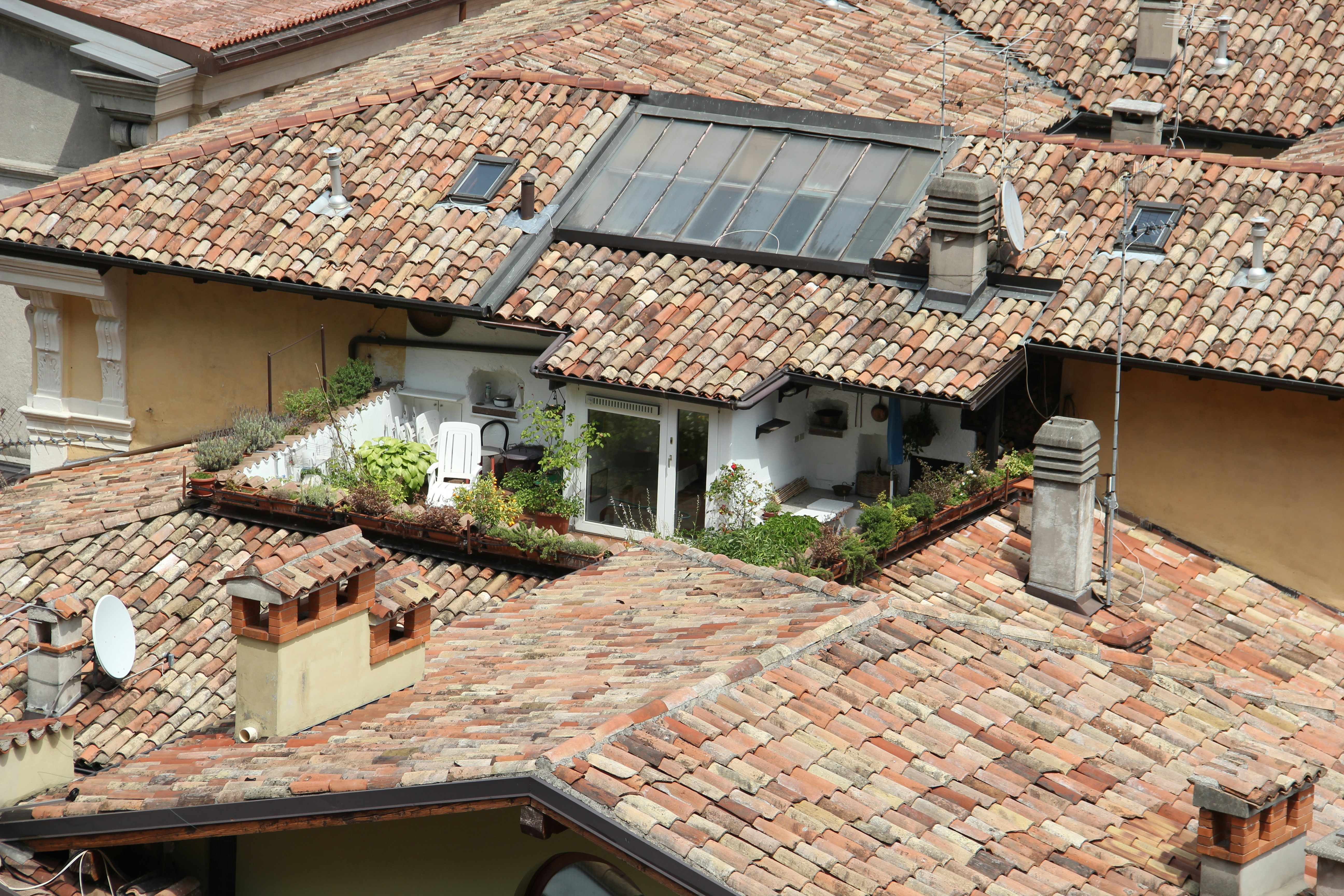
So, can a house run 100% on solar? After our deep dive with the health nuts at Gone Greenish™, the answer is a confident YES! Whether you aim for a net-zero home connected to the grid or a fully off-grid solar-powered sanctuary, the technology and know-how exist to make it happen. But—and this is a big but—it requires careful planning, smart energy management, and upfront investment.
Here’s the bottom line:
✅ Solar panels are the heart of your system, harvesting sunlight efficiently when placed and angled correctly.
✅ Battery storage is the secret sauce that keeps your home powered when the sun takes a break.
✅ Energy efficiency is your best friend—lower consumption means a smaller, more affordable solar system.
✅ Professional design and local conditions (roof space, shading, climate) make or break your solar success.
✅ Financial incentives like the federal ITC and net metering programs can significantly reduce your costs and improve ROI.
We also learned that going fully off-grid is a bold lifestyle choice, demanding larger batteries and careful energy budgeting, while net-zero grid-tied homes offer a practical balance of independence and reliability.
If you’re still wondering how many panels you need or how to size your battery bank, our detailed sections and linked resources will guide you step-by-step. Remember, the sun is a free, abundant resource—why not harness it to power your home, save money, and help heal the planet?
Ready to take the plunge? We say go for it! Your 100% solar-powered home awaits. 🌞🏡
🔗 Recommended Links for Solar Power Enthusiasts
Ready to shop or learn more? Here are some top picks and trusted resources to get you started:
Solar Panels & Equipment
- REC Solar Panels:
Amazon Search for REC Solar Panels | REC Solar Official Website - SunPower Solar Panels:
Amazon Search for SunPower Solar Panels | SunPower Official Website
Battery Storage
- Tesla Powerwall 2:
Amazon Search for Tesla Powerwall | Tesla Official Website - LG Chem RESU Battery:
Amazon Search for LG Chem RESU | LG Chem Official Website
Smart Home Energy Management
- Google Nest Thermostat:
Amazon Link - Ecobee Smart Thermostat:
Amazon Link
Books on Solar Energy & Sustainable Living
- “Solar Power Your Home For Dummies” by Rik DeGunther
Amazon Link - “The Solar House: Passive Heating and Cooling” by Daniel D. Chiras
Amazon Link
Professional Solar Design & Installation
- Six Rivers Solar – Free Consultation:
Six Rivers Solar – Can a Home Be 100% Solar? - A&R Solar:
A&R Solar Official Website - Paradise Solar Energy:
Paradise Solar Energy Official Website
❓ FAQ: Your Burning Questions About 100% Solar Homes Answered
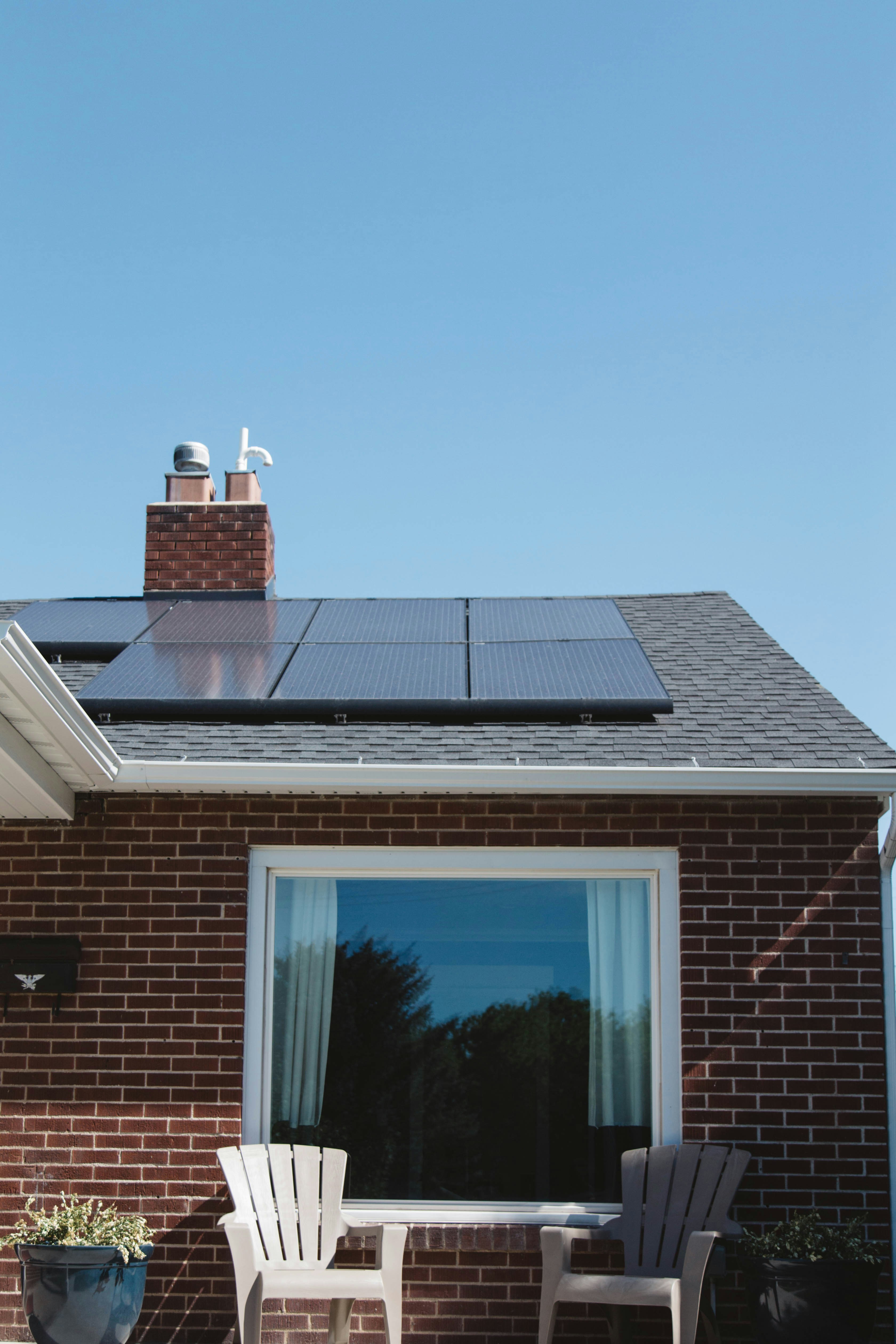
How many solar panels does it take to power a house 100%?
The number varies widely depending on your home’s energy consumption, panel wattage, and location. For example, a typical U.S. household consuming about 10,000 kWh/year might need a 7-10 kW system, roughly 20-30 panels of 300-350 watts each. More efficient homes or sunnier locations require fewer panels. Always start by analyzing your actual energy use and consult a professional for precise sizing.
Is there a limit as to how much solar you can have?
Technically, no. You can install as many panels as your property and budget allow. However, utility interconnection agreements and local regulations may limit system size or require special permits. Also, diminishing returns occur if your system produces far more than your consumption without storage or net metering benefits.
Can solar panels fully power a house?
Yes! Solar panels can generate enough electricity to fully power a home, especially when paired with battery storage and energy-efficient appliances. However, production varies with weather and time of day, so batteries or grid connection are often necessary for continuous power.
Can a house be 100% solar?
Absolutely. A house can be 100% solar-powered either by achieving net-zero energy status with grid connection or by going fully off-grid with adequate solar panels and battery storage. The latter requires more planning and investment but offers complete independence.
What are the benefits of running a house 100% on solar energy?
- Environmental: Significant reduction in carbon footprint and greenhouse gas emissions.
- Financial: Lower or eliminated electricity bills, protection against utility rate hikes, and increased home value.
- Energy Independence: Reduced reliance on fossil fuels and utility companies.
- Resilience: With batteries, backup power during outages.
How much does it cost to power a home entirely with solar panels?
Costs vary by system size, location, and equipment quality. A typical 7-10 kW system might cost tens of thousands upfront before incentives. Battery storage adds to the cost. However, federal and state incentives can offset a significant portion, and long-term savings often justify the investment.
Can solar energy reduce my carbon footprint significantly?
✅ Yes! Solar energy produces zero emissions during operation. Switching to solar can reduce your household carbon footprint by several tons of CO2 annually, depending on your previous energy source.
What are the challenges of living in a fully solar-powered house?
- Upfront Costs: High initial investment for panels and batteries.
- Weather Dependence: Solar output varies with sunlight availability.
- Space Requirements: Need sufficient roof or ground space.
- Energy Management: Off-grid living requires careful consumption monitoring.
- Maintenance: Panels and batteries require occasional upkeep.
How does solar power contribute to a healthier environment?
Solar power reduces reliance on fossil fuels, cutting air pollution and greenhouse gas emissions. This leads to cleaner air, reduced climate change impacts, and healthier ecosystems—benefits that align with our mission at Gone Greenish™ for a healthy you and a healthy planet.
What size solar system is needed to run a typical household 100%?
Typically, a 5-10 kW system suffices for average U.S. homes, but this depends on energy use, location, and efficiency. Homes with electric vehicles or high consumption may need larger systems.
Are there government incentives for homes using 100% solar energy?
Yes! The federal Investment Tax Credit (ITC) currently offers a 30% tax credit on solar system costs, including batteries. Many states and utilities provide additional rebates and net metering programs. Check DSIRE for local incentives.
📚 Reference Links: Trusted Sources for Solar Power Insights
- Six Rivers Solar – Can a Home Be 100% Solar?
- Paradise Solar Energy – Can a House Run on Solar Power Alone?
- A&R Solar – 100 Percent Solar Powered Homes
- Energy.gov – Homeowner’s Guide to the Federal Tax Credit for Solar Photovoltaics
- DSIRE – Database of State Incentives for Renewables & Efficiency
- REC Solar Official Website
- SunPower Official Website
- Tesla Powerwall Official Website
- LG Chem RESU Battery Official Website
Ready to harness the sun and power your home sustainably? The future is bright—and solar-powered! 🌞🔋