Support our educational content for free when you purchase through links on our site. Learn more
Are Holistic Doctors Legit? The Truth Revealed in 2026 🌿

Have you ever wondered if holistic doctors are the real deal or just another health fad? You’re not alone. With the surge in popularity of alternative and complementary medicine, many people are asking: Are holistic doctors legit? At Gone Greenish™, we’ve dug deep into the roots, science, and real-life stories behind holistic medicine to uncover what’s fact, what’s fiction, and how to find a trustworthy practitioner who truly has your best health in mind.
Imagine this: Sarah, a longtime sufferer of chronic fatigue, found no answers through conventional doctors. But after partnering with a licensed naturopathic doctor who took the time to explore her lifestyle, diet, and emotional health, she finally reclaimed her energy. Stories like hers are inspiring—but are they the norm or the exception? Keep reading to discover the 7 core principles of holistic medicine, the top 10 treatments you should know about, and the red flags to avoid when choosing a holistic doctor. By the end, you’ll have the confidence to decide if holistic care is right for you.
Key Takeaways
- Holistic doctors focus on the whole person—body, mind, spirit, and environment—not just symptoms.
- Many holistic practitioners are fully licensed MDs or DOs, while others like naturopaths and acupuncturists have varied credentials.
- Holistic medicine emphasizes prevention, root cause treatment, and patient empowerment.
- Some holistic treatments, such as nutrition, acupuncture, and meditation, are backed by solid scientific evidence, while others require cautious evaluation.
- Integrative medicine blends the best of conventional and holistic care for a balanced approach.
- Always verify credentials, ask questions, and watch for red flags like promises of miracle cures or advice to stop prescribed medications abruptly.
- Real patient stories show that with the right practitioner, holistic medicine can be a powerful complement to traditional healthcare.
Ready to explore holistic health with confidence? Let’s dive in!
Table of Contents
- ⚡️ Quick Tips and Facts About Holistic Doctors
- 🌿 The Roots and Rise of Holistic Medicine: A Brief History
- 🔍 What Exactly Is a Holistic Doctor? Understanding the Role
- 🩺 How Do Holistic Doctors Differ from Traditional Medical Practitioners?
- 📜 7 Core Principles of Holistic Medicine You Should Know
- 💆 ♂️ 10 Popular Types of Holistic Medicine Treatments Explained
- 🔎 How to Spot a Legitimate and Qualified Holistic Doctor: Your Ultimate Checklist
- 💡 The Science Behind Holistic Medicine: What Research Says
- 🛑 Common Myths and Misconceptions About Holistic Doctors Debunked
- 🧩 Integrative Medicine: When Holistic Meets Conventional
- 📋 5 Red Flags to Avoid When Choosing a Holistic Practitioner
- 🛠️ DIY Holistic Health Tips You Can Try at Home
- 📚 Related Stories: Real Experiences with Holistic Doctors
- 👍 Was This Article Helpful? Share Your Thoughts!
- 🔚 Conclusion: Are Holistic Doctors Legit? Our Final Verdict
- 🔗 Recommended Links for Further Exploration
- ❓ FAQ: Your Burning Questions About Holistic Doctors Answered
- 📑 Reference Links: Sources and Studies We Trust
⚡️ Quick Tips and Facts About Holistic Doctors
Alright, fellow health adventurers! 👋 Before we dive deep into the fascinating world of holistic medicine, let’s get you up to speed with some rapid-fire facts from your friends at Gone Greenish™. We’re all about empowering you on your journey to a healthier you and a healthier planet, and understanding your healthcare options is a huge part of that. If you’re curious about natural approaches to wellness, you’ll definitely want to check out our insights on Natural Health!
- Holistic ≠ Unlicensed: Many legitimate holistic practitioners, like Osteopathic Doctors (DOs) and some Integrative Medicine MDs, are fully licensed medical doctors. ✅
- Whole-Person Approach: Holistic care looks at your entire being – body, mind, spirit, and even your environment – not just your symptoms. 🧠💖🌍
- Prevention is Key: A major focus is on preventing illness before it starts, often through lifestyle, diet, and stress management. 🍎🧘 ♀️
- Complementary, Not Always Alternative: While some practices are “alternative” (used instead of conventional medicine), many are “complementary” (used with conventional care). Think of it as teamwork! 🤝
- Varying Credentials: The term “holistic doctor” can encompass a wide range of practitioners, from medical doctors to naturopaths, acupuncturists, and more. Always check their credentials! 🧐
- Evidence Matters: Just like conventional medicine, the efficacy of holistic treatments varies. Some are backed by robust scientific evidence, others less so. Do your homework! 📚
- Your Partner in Health: A good holistic doctor aims to empower you to take an active role in your own healing journey. You’re not just a passive patient! 💪
🌿 The Roots and Rise of Holistic Medicine: A Brief History

Ever wondered where this “holistic” buzz came from? It’s not some new-age fad, folks! The concept of treating the whole person has roots stretching back thousands of years, long before modern medicine carved us up into specialties. Ancient healing traditions from around the globe inherently understood that everything is connected.
Think about it:
- Ancient China: Traditional Chinese Medicine (TCM), with practices like acupuncture and herbal remedies, has been balancing qi (life energy) for millennia. They saw the body as an intricate system, not just a collection of parts. Learn more about TCM history.
- Ayurveda in India: This ancient Indian system of medicine, dating back over 5,000 years, focuses on balancing the body’s three doshas (energies) through diet, lifestyle, and natural therapies. Explore Ayurvedic principles.
- Hippocrates, the “Father of Medicine”: Even in ancient Greece, Hippocrates famously said, “It is more important to know what sort of person has a disease than to know what sort of disease a person has.” Sounds pretty holistic to us!
Fast forward to the 19th and 20th centuries, and while conventional medicine made incredible strides in treating acute illnesses and performing life-saving surgeries, some felt a piece was missing. The focus often shifted to disease management and symptom suppression, sometimes overlooking the patient’s overall well-being, lifestyle, and emotional state.
This led to a resurgence of interest in complementary and alternative medicine (CAM), and the broader holistic health movement, particularly from the 1970s onwards. People started seeking out practitioners who would listen to their stories, consider their diet, stress levels, and emotional health, and empower them with tools for self-care. It was a natural evolution, a yearning for a more personalized, preventative, and empowering approach to health. And honestly, who can blame them? We certainly couldn’t!
🔍 What Exactly Is a Holistic Doctor? Understanding the Role
So, you’re asking, “What is a holistic doctor, really?” Great question! It’s not as straightforward as defining a cardiologist or a pediatrician, because the term “holistic doctor” is actually quite broad. At its core, a holistic doctor is a healthcare practitioner who embraces the philosophy of holistic medicine, meaning they look at your health through a wide-angle lens.
Instead of just zeroing in on a specific symptom or disease, they consider the interconnectedness of your physical, mental, emotional, spiritual, and social well-being. As Healthline puts it, they consider “the whole body—body, mind, and soul—for health and wellness.” This means they’re not just treating a headache; they’re asking why you have the headache. Is it stress? Dehydration? Dietary triggers? Environmental factors?
Here’s a breakdown of some common types of practitioners who might identify as “holistic doctors”:
1. Licensed Medical Doctors (MDs) with a Holistic Approach
Yes, many conventional MDs are now integrating holistic principles into their practice! These are often called integrative physicians. They hold the same medical degrees and licenses as your traditional doctor but choose to combine conventional treatments with complementary and alternative medicine (CAM). They might recommend acupuncture for pain, meditation for stress, or specific dietary changes alongside prescription medication. They can even be board-certified in integrative medicine.
2. Osteopathic Doctors (DOs)
These are fully licensed physicians in the U.S., just like MDs. However, their training includes a unique philosophy that emphasizes the interconnectedness of the body’s systems and its innate ability to heal. They often incorporate osteopathic manipulative medicine (OMM), which involves hands-on techniques to diagnose, treat, and prevent illness or injury, focusing on the musculoskeletal system. Our team at Gone Greenish™ has seen firsthand the benefits of a DO’s approach to structural balance! Find out more about DOs from the American Osteopathic Association.
3. Naturopathic Doctors (NDs)
Naturopathic doctors are trained in naturopathic medicine, which blends modern scientific knowledge with traditional and natural forms of medicine. They focus on prevention, natural remedies, and supporting the body’s self-healing abilities. Their toolkit often includes clinical nutrition, herbal medicine, homeopathy, hydrotherapy, and lifestyle counseling. Important note: As Healthline points out, while licensed in some U.S. states and Canadian provinces, NDs are “not recognized as medical doctors” in all regions. Always check their licensing in your area! Learn about naturopathic medicine.
4. Traditional Chinese Medicine (TCM) Practitioners
These practitioners use ancient Chinese healing methods like acupuncture, herbal medicine, cupping, and dietary therapy to balance the body’s energy (Qi). They typically undergo 3-4 years of training. While they may earn degrees like “Doctor of Oriental Medicine,” these are not equivalent to an MD degree in the U.S. Explore TCM practices.
5. Ayurvedic Doctors
Practitioners of Ayurveda, an ancient Indian system, use diet, herbal remedies, yoga, and meditation to balance the body’s doshas. In the U.S., they are generally not licensed as medical doctors, though they receive extensive training in Ayurvedic schools. Discover the world of Ayurveda.
So, when someone says “holistic doctor,” they could be referring to any of these highly varied professionals. The key takeaway? Their role is to partner with you, empower you, and look beyond just your symptoms to understand and address the root causes of your health concerns. It’s a truly patient-centered approach, which we absolutely adore!
🩺 How Do Holistic Doctors Differ from Traditional Medical Practitioners?
This is where the rubber meets the road, folks! While both holistic and traditional medical practitioners aim to improve your health, their philosophies and approaches can diverge significantly. It’s not necessarily about one being “better” than the other, but rather about understanding their unique strengths and how they might best serve your health journey.
Let’s break down the key differences, drawing from our own experiences and the insights from the experts:
1. The Lens of Care: Whole Person vs. Symptom Focus
- Traditional Medical Practitioner (e.g., MD): Often operates within what the first YouTube video describes as the “medical model.” This model excels at diagnosing and treating specific diseases and symptoms. If you have a bacterial infection, a broken bone, or a sudden, severe illness, a traditional doctor is your superhero. Their focus is often on naming the condition and applying a formulaic, evidence-based treatment to alleviate symptoms or eradicate the disease. This is crucial for acute care and preventing death.
- Holistic Doctor: Takes a “whole-person” approach. They see you as an intricate web of interconnected systems – physical, mental, emotional, spiritual, and environmental. As Healthline notes, they look at “body, mind, and soul.” Instead of just treating the symptom, they’re on a quest to uncover the underlying root causes of your health issues. My colleague, Sarah, once had persistent fatigue that traditional doctors couldn’t pinpoint. Her holistic practitioner dug into her diet, stress levels, sleep patterns, and even her emotional well-being, eventually identifying a combination of nutrient deficiencies and chronic stress. It was a game-changer!
2. Treatment Philosophy: Intervention vs. Empowerment
- Traditional Medical Practitioner: Often employs an interventional approach. This might involve pharmaceuticals, surgery, or other medical procedures designed to directly combat a disease or manage symptoms. While incredibly effective for many conditions, the patient’s role can sometimes feel more passive.
- Holistic Doctor: Emphasizes empowerment and self-healing. The first YouTube video highlights this, suggesting that the holistic model views “the body as smart and capable of healing.” Holistic practitioners aim to facilitate your body’s innate healing capabilities through education, lifestyle modifications, and natural therapies. They want you to be an active participant in your health, giving you tools and knowledge to maintain wellness long-term. This often means more time spent discussing diet, exercise, stress reduction, and even your purpose in life.
3. Time and Relationship: Brief Encounters vs. Deep Dives
- Traditional Medical Practitioner: Due to the demands of the healthcare system, appointments can often be brief, focusing on the immediate medical issue. The doctor-patient relationship, while professional, might not always delve into the deeper aspects of your life.
- Holistic Doctor: Typically spends significantly more time with patients during initial consultations, conducting thorough intake interviews that cover extensive personal history, lifestyle, and emotional factors. This fosters a deeper, more collaborative doctor-patient relationship, which is one of the core principles of holistic medicine. They want to understand you, not just your illness.
4. Treatment Modalities: Pharmaceuticals/Surgery vs. Diverse Therapies
- Traditional Medical Practitioner: Primarily relies on pharmaceuticals, surgery, and other conventional medical procedures. These are often evidence-based and rigorously tested for specific conditions.
- Holistic Doctor: Utilizes a broader spectrum of therapies, including dietary changes, nutritional supplements, herbal medicine, acupuncture, massage, mindfulness, stress management techniques, and lifestyle counseling. As Mayo Clinic states, “As CAM practices prove to be safe and effective, healthcare professionals use them with conventional medicine.” However, it’s crucial to remember, as Wikipedia points out, “the efficacy of many alternative therapies remains unproven,” so critical evaluation is always necessary.
Here’s a quick comparison table:
| Feature | Traditional Medical Practitioner (MD) | Holistic Doctor (MD, DO, ND, etc.) |
|---|---|---|
| Primary Focus | Disease, symptoms, acute care, specific body parts | Whole person (body, mind, spirit), root causes, prevention |
| Approach | Interventional, diagnostic, symptom management | Facilitative, empowering, self-healing, lifestyle modification |
| Treatment Tools | Pharmaceuticals, surgery, medical procedures | Diet, supplements, herbs, acupuncture, lifestyle, stress reduction |
| Patient Role | Often passive recipient of treatment | Active participant, empowered in health journey |
| Appointment Length | Typically shorter, focused on immediate issue | Often longer, comprehensive intake, deep dive into lifestyle |
| Philosophy | “Medical model” (prevent death, treat symptoms) | “Holistic model” (body is smart, find source, fix it) |
| Licensing | Universally licensed as medical doctors | Varies widely; some fully licensed MD/DO, others licensed in CAM only |
It’s important to note that the lines are blurring! Many traditional doctors are now incorporating elements of holistic care, and many holistic practitioners recognize the vital role of conventional medicine for certain conditions. This brings us to the exciting concept of integrative medicine, where the best of both worlds come together. But we’ll get to that later! 😉
📜 7 Core Principles of Holistic Medicine You Should Know
If you’re going to embrace a holistic lifestyle, it’s vital to understand the bedrock principles that guide this approach. These aren’t just feel-good ideas; they’re fundamental beliefs that shape how a holistic practitioner views health, illness, and your path to wellness. Healthline’s summary gives us a great starting point, and we’ve added our Gone Greenish™ spin!
1. The Whole Person Approach: Mind, Body, Spirit, and Environment
This is the granddaddy of all holistic principles! It means that your health isn’t just about your physical body. It’s about your thoughts, emotions, spiritual well-being, and even your social and environmental connections. A holistic doctor will ask about your stress levels, your relationships, your job satisfaction, and your connection to nature. Because, let’s be real, a happy mind often leads to a healthier body! 🧘 ♀️🌳
2. The Healing Power of Nature (Vis Medicatrix Naturae)
Holistic medicine deeply respects the body’s innate ability to heal itself. The practitioner’s role isn’t to “fix” you, but to remove obstacles to healing and support your body’s natural processes. This might involve using natural remedies, promoting a healthy diet, or encouraging adequate rest. It’s about working with your body, not against it.
3. Identify and Treat the Root Cause
This is a HUGE one for us at Gone Greenish™. Instead of just slapping a band-aid on symptoms, holistic doctors are like health detectives, digging deep to find out why you’re experiencing a problem. As Healthline states, “Disease viewed as caused by whole-body issues, not just specific parts,” and the aim is to “address underlying causes, not just symptoms.” Got chronic headaches? They won’t just prescribe pain meds; they’ll investigate potential triggers like diet, sleep, stress, or even environmental toxins. It’s about sustainable solutions, not just temporary relief.
4. Prevention is the Best Cure
Why wait for a problem to arise when you can prevent it? Holistic medicine places a strong emphasis on proactive health and wellness. This means focusing on lifestyle choices – nutrition, exercise, stress management, adequate sleep – to maintain optimal health and prevent disease from taking hold. It’s about building resilience and creating a body that’s less susceptible to illness. Our team is constantly sharing Conservation Tips that apply to both personal and planetary health – because prevention truly is key!
5. Doctor as Teacher (Docere)
A core tenet is that the practitioner acts as a guide and educator, empowering you with knowledge and tools to take charge of your own health. They don’t just tell you what to do; they explain why and help you understand your body better. This fosters a sense of agency and responsibility, turning you into an active participant in your wellness journey.
6. Individualized Treatment
No two people are exactly alike, so why should their treatment plans be? Holistic medicine recognizes that each person has a unique constitution, lifestyle, and health history. Treatment plans are highly personalized, tailored to your specific needs, preferences, and circumstances, rather than a one-size-fits-all approach. What works for your neighbor might not work for you, and that’s perfectly okay!
7. Integration of Therapies
Holistic practitioners are open to using a wide array of therapeutic approaches, from conventional medical treatments (if they are also licensed MDs/DOs) to various complementary and alternative therapies. This principle encourages using the most appropriate and effective methods, drawing from different traditions and scientific advancements, to support your healing. It’s about having a full toolbox, not just a hammer! 🛠️
These principles aren’t just abstract ideas; they translate into a very different kind of patient experience. They encourage a deeper connection with your own body and a more proactive, empowered approach to your health.
💆 ♂️ 10 Popular Types of Holistic Medicine Treatments Explained
Alright, let’s get into the nitty-gritty of how holistic doctors actually work their magic! The beauty of holistic medicine is its diverse toolkit. It’s not just about one thing; it’s about finding the right combination of therapies to support your unique path to wellness. Drawing from Mayo Clinic’s insights on CAM and our own experiences, here are 10 popular types of holistic treatments you might encounter:
1. Nutritional Therapy & Dietary Counseling
This is often the first stop on any holistic health journey, and for good reason! “You are what you eat” isn’t just a catchy phrase; it’s a fundamental truth. Holistic practitioners will conduct a deep dive into your diet, identifying deficiencies, sensitivities, and inflammatory foods. They’ll then guide you toward whole, unprocessed foods, often recommending specific diets (e.g., anti-inflammatory, ketogenic, plant-based) or supplements like Thorne Research Basic Nutrients 2/Day (available on Amazon | Thorne Official Website) to address specific needs. My colleague, Alex, completely turned around his energy levels by cutting out gluten and dairy under the guidance of his naturopath!
2. Herbal Medicine (Phytotherapy)
For centuries, plants have been humanity’s pharmacy. Holistic doctors often recommend specific herbs or botanical extracts to support various body systems, reduce inflammation, boost immunity, or calm the nervous system. From Gaia Herbs Ashwagandha Root for stress (available on Amazon | Gaia Herbs Official Website) to Traditional Medicinals Organic Peppermint Tea for digestion (available on Amazon | Traditional Medicinals Official Website), the power of nature is undeniable. Always consult a qualified practitioner before starting herbal remedies, especially if you’re on medication, as some can interact.
3. Acupuncture & Traditional Chinese Medicine (TCM)
Acupuncture involves inserting thin needles into specific points on the body to balance the flow of qi (life energy). It’s widely used for pain management, stress reduction, fertility issues, and a host of other conditions. TCM also includes practices like cupping, moxibustion, and herbal formulas. It’s a fascinating system that views the body’s energy pathways as crucial to health. The National Center for Complementary and Integrative Health (NCCIH) provides research on acupuncture.
4. Mind-Body Practices (Meditation, Yoga, Tai Chi)
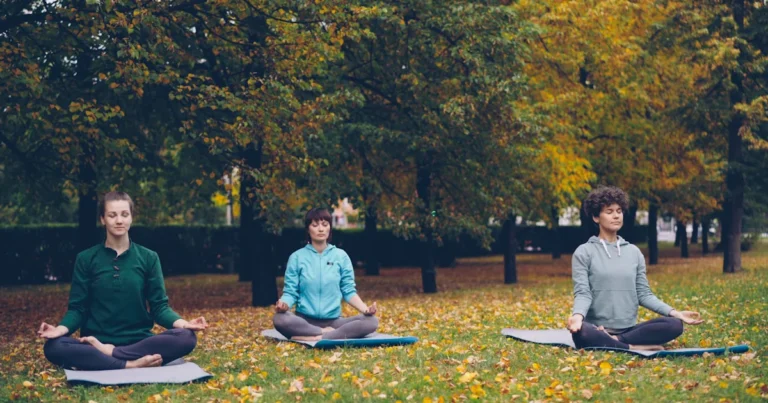
These practices are all about the powerful connection between your mind and body. Meditation, yoga, and Tai Chi can reduce stress, improve mental clarity, enhance flexibility, and promote overall well-being. Mayo Clinic specifically lists meditation, Tai Chi, and yoga as beneficial integrative practices. We’re huge fans of starting our day with a few minutes of mindfulness – it really sets the tone! Apps like Calm or Headspace (available on App Store | Google Play) can be great starting points.
5. Massage Therapy
Beyond just feeling good, therapeutic massage can alleviate muscle tension, improve circulation, reduce stress hormones, and promote relaxation. It’s a fantastic complementary therapy for pain, anxiety, and even sleep issues. Whether it’s deep tissue, Swedish, or hot stone, finding a skilled massage therapist can be incredibly beneficial.
6. Homeopathy
Homeopathy is a system of medicine based on the principle of “like cures like,” using highly diluted substances to stimulate the body’s healing response. While popular in some circles, it’s important to note that homeopathy lacks strong scientific evidence for its efficacy, and its mechanisms are not understood by conventional science. Wikipedia notes that “most alternative medicine practices are not supported by scientific evidence,” and homeopathy is often cited in this context. We recommend approaching this with caution and discussing it thoroughly with your primary care provider.
7. Chiropractic Care & Osteopathic Manipulative Treatment (OMT)
These therapies focus on the musculoskeletal system, particularly the spine, to improve overall body function and reduce pain. Chiropractors use adjustments to correct misalignments, while DOs use OMT, a broader range of hands-on techniques. Both aim to restore proper body mechanics and support the body’s natural healing abilities. My colleague, Ben, swears by his regular chiropractic adjustments for managing his chronic back pain! Find a chiropractor.
8. Aromatherapy
Using essential oils derived from plants, aromatherapy aims to improve physical and psychological well-being. Oils can be diffused, inhaled, or applied topically (diluted). Lavender for relaxation, peppermint for headaches, tea tree for antiseptic properties – the list goes on! Brands like doTERRA (available on doTERRA Official Website) and Young Living (available on Young Living Official Website) are popular, but always ensure you’re using high-quality, pure essential oils and understand proper dilution and application.
9. Hydrotherapy
This involves using water in various forms (hot, cold, steam, ice) for therapeutic purposes. Think contrast showers, sitz baths, saunas, or even simply drinking more water. Hydrotherapy can improve circulation, reduce inflammation, and promote detoxification. It’s a simple yet powerful tool in the holistic arsenal.
10. Lifestyle Counseling & Stress Management
Often overlooked, but profoundly impactful! Holistic doctors spend significant time discussing your lifestyle choices – sleep hygiene, exercise routines, stress coping mechanisms, and even your social connections. They might recommend practices like journaling, spending time in nature (a core tenet of Gone Greenish™!), or setting healthy boundaries to reduce chronic stress, which is a major contributor to many modern ailments. For tips on reducing your environmental impact while boosting your health, check out our Carbon Footprint Reduction section!
It’s a rich tapestry of options, isn’t it? The key is to find a qualified practitioner who can guide you through this landscape and help you choose the therapies that are right for you.
🔎 How to Spot a Legitimate and Qualified Holistic Doctor: Your Ultimate Checklist
Okay, this is perhaps the most crucial section of our entire discussion. With the growing popularity of holistic health, the market can feel a bit like the Wild West. How do you separate the truly legitimate, qualified practitioners from those who might be less reputable? Our team at Gone Greenish™ has learned a thing or two through our own wellness journeys, and we’re here to arm you with the ultimate checklist. As Healthline wisely advises, “Verify practitioner credentials, licenses, and experience; ensure they meet state standards.”
1. Check Their Core Medical Degree and Licensing
This is your absolute first step.
- Are they an MD or DO? If so, they are fully licensed medical doctors. You can verify their license through your state’s medical board website. This is the gold standard for medical legitimacy.
- Are they an ND (Naturopathic Doctor)? Check if naturopathic doctors are licensed in your state or province. Licensing varies significantly. In some areas, they have a broad scope of practice; in others, it’s more limited, or they may not be recognized as medical doctors at all. The American Association of Naturopathic Physicians can help you find licensed NDs.
- Other Practitioners (Acupuncturists, Chiropractors, etc.): These professions often have their own specific licensing boards. Verify their license through the relevant state board (e.g., State Board of Chiropractic Examiners, State Board of Acupuncture).
❌ Red Flag: A “doctor” who claims to be a medical doctor but isn’t listed on your state’s medical board.
2. Look for Board Certifications
Beyond their primary degree, look for additional board certifications, especially in areas like:
- Integrative Medicine: For MDs, the American Board of Integrative Medicine (ABOIM) is a good indicator.
- Functional Medicine: The Institute for Functional Medicine (IFM) offers certification for various healthcare professionals.
- Specific Modalities: For example, a certified acupuncturist will be credentialed by the National Certification Commission for Acupuncture and Oriental Medicine (NCCAOM).
3. Research Their Experience and Specializations
- Years in Practice: While not the only factor, experience often brings wisdom.
- Areas of Focus: Do they specialize in conditions relevant to you (e.g., gut health, autoimmune issues, chronic pain)?
- Patient Testimonials/Reviews: Look for consistent positive feedback on platforms like Google Reviews, Yelp, or Healthgrades. Be wary of overly glowing or suspiciously vague reviews.
4. Understand Their Treatment Philosophy
- Do they integrate conventional medicine? As Mayo Clinic emphasizes, “The treatments used in integrative medicine don’t take the place of those used in mainstream medicine.” A legitimate holistic doctor, especially an MD or DO, will understand when conventional care is necessary and will work with your other doctors.
- Are they open to collaboration? A good holistic practitioner should be willing to communicate with your primary care physician and other specialists.
- Do they promise “cures” for everything? ❌ HUGE Red Flag! No legitimate healthcare provider can guarantee a cure, especially for complex or chronic conditions. Be skeptical of anyone making extravagant claims.
5. Transparency in Practices and Costs
- Clear Explanations: Do they clearly explain their diagnostic process, proposed treatments, and the rationale behind them?
- Cost Transparency: Are their fees upfront and clear? Do they discuss insurance coverage (many holistic services may not be covered)?
- Product Sales: While some practitioners sell supplements, be cautious if their practice seems heavily focused on selling proprietary products or expensive “miracle cures.”
6. Trust Your Gut Feeling
During your initial consultation, pay attention to how you feel.
- Do they listen to you? Do you feel heard and respected?
- Do they empower you? Do they encourage you to be an active participant in your health decisions?
- Do they rush you? A good holistic practitioner will take the time needed to understand your full story.
My personal anecdote: When I was looking for a naturopath for my persistent digestive issues, I interviewed three different practitioners. One felt dismissive and pushed a very expensive, rigid cleanse. Another was kind but seemed to lack deep knowledge. The third, however, spent over an hour asking detailed questions, explaining her approach, and outlining a flexible, evidence-based plan. She also encouraged me to continue seeing my gastroenterologist. That’s who I chose, and it made all the difference!
Your takeaway: Be an informed consumer of healthcare. Ask questions, verify credentials, and trust your instincts. A truly legitimate and qualified holistic doctor will welcome your scrutiny and be transparent about their expertise and approach.
💡 The Science Behind Holistic Medicine: What Research Says
This is where things get really interesting, and sometimes a bit murky! The question of “Are holistic doctors legit?” often boils down to the scientific evidence supporting their methods. As health nuts, we at Gone Greenish™ are all about natural solutions, but we also value evidence-based practices. It’s a balance, right?
The truth is, the scientific backing for holistic medicine is a mixed bag. Some practices have robust evidence, while others are still being studied, or frankly, lack credible support. As Wikipedia points out, “the efficacy of many alternative therapies remains unproven,” and “most alternative medicine practices are not supported by scientific evidence.” However, Mayo Clinic offers a more nuanced view, stating, “As CAM practices prove to be safe and effective, healthcare professionals use them with conventional medicine.”
Let’s break it down:
1. Practices with Strong Scientific Support
Many components of holistic care are actually well-supported by mainstream science.
- Diet and Nutrition: The link between diet and health is undeniable. Research consistently shows that whole foods, plant-rich diets, and specific nutrients can prevent and manage chronic diseases. The American Heart Association and Harvard T.H. Chan School of Public Health offer extensive evidence-based dietary guidelines.
- Exercise and Physical Activity: Regular movement is crucial for physical and mental health. This is a no-brainer! The CDC provides comprehensive guidelines.
- Stress Management (Meditation, Yoga, Mindfulness): Numerous studies confirm the benefits of mind-body practices for reducing stress, anxiety, depression, and improving overall well-being. The National Center for Complementary and Integrative Health (NCCIH) has a wealth of research on meditation.
- Acupuncture: While mechanisms are still being fully understood, research supports acupuncture’s effectiveness for certain types of pain (e.g., chronic low back pain, neck pain, osteoarthritis, tension headaches) and nausea. The NCCIH offers a detailed overview of acupuncture research.
- Massage Therapy: Proven to reduce muscle tension, alleviate pain, and decrease stress. The American Massage Therapy Association provides research summaries.
2. Practices with Emerging or Mixed Evidence
Some holistic therapies show promise, but more rigorous research is needed.
- Herbal Medicine: Many herbs have a long history of traditional use, and some have demonstrated efficacy in clinical trials (e.g., St. John’s Wort for mild depression, ginger for nausea). However, quality control, standardization, and potential drug interactions are concerns. It’s a vast field, and research is ongoing for countless botanicals. The NCCIH offers information on specific herbs.
- Chiropractic and Osteopathic Manipulative Treatment (OMT): Generally considered effective for low back pain and some musculoskeletal conditions. Research continues to explore its broader applications. The Agency for Healthcare Research and Quality (AHRQ) has reviewed spinal manipulation for back pain.
3. Practices Lacking Strong Scientific Evidence
This is where caution is advised.
- Homeopathy: Despite its popularity, numerous systematic reviews and meta-analyses have concluded that homeopathy is no more effective than placebo for any health condition. The Australian National Health and Medical Research Council’s review is a notable example.
- Certain “Detox” Protocols: While supporting the body’s natural detoxification pathways (liver, kidneys) through healthy lifestyle is crucial, many commercial “detox” products or extreme cleanses lack scientific backing and can sometimes be harmful.
Why the Discrepancy?
- Funding: Research into natural therapies often receives less funding than pharmaceutical research.
- Complexity: Many holistic interventions involve multiple components (diet, lifestyle, supplements), making them harder to study in isolation compared to a single drug.
- Individualization: The personalized nature of holistic care can be challenging for large-scale, standardized clinical trials.
Our Perspective: At Gone Greenish™, we believe in an integrative approach. We encourage you to seek out holistic practitioners who are evidence-informed and transparent about the scientific basis (or lack thereof) for their recommendations. If a treatment sounds too good to be true, it probably is. Always discuss any holistic treatments with your conventional doctor, especially if you’re on prescription medications, as Healthline strongly advises: “Consult a traditional medical doctor before trying holistic treatments, especially if you’re taking prescription medicine.”
The science is evolving, and what was once considered “alternative” is increasingly becoming “integrative.” It’s an exciting time to be a health nut, but critical thinking remains your best tool!
🛑 Common Myths and Misconceptions About Holistic Doctors Debunked
Oh, the stories we’ve heard! When you talk about holistic doctors, it’s like opening a Pandora’s Box of myths and misunderstandings. As dedicated health nuts at Gone Greenish™, we’re here to clear the air and bust some of those persistent myths wide open. Let’s get to it!
Myth 1: Holistic Doctors Are Not “Real” Doctors
❌ DEBUNKED! This is perhaps the biggest misconception. As we discussed, many holistic practitioners are fully licensed medical doctors (MDs) or osteopathic doctors (DOs) who choose to practice with a holistic philosophy. They’ve gone through the same rigorous medical training as any other doctor. Other practitioners, like naturopathic doctors (NDs), chiropractors, and acupuncturists, have their own extensive training and licensing requirements, which vary by region. The key is to verify their credentials, not to dismiss them outright.
Myth 2: Holistic Medicine is Anti-Science and Only Uses “Woo-Woo” Treatments
❌ DEBUNKED! While some fringe practices exist (as they do in conventional medicine!), legitimate holistic medicine is often evidence-informed. Many holistic doctors, especially MDs and DOs, integrate conventional diagnostics and treatments with complementary therapies that do have scientific backing (e.g., nutrition, exercise, stress reduction, acupuncture). The goal is to use the best tools from all available systems. It’s about smart choices, not blind faith!
Myth 3: Holistic Doctors Will Tell You to Stop Taking Your Prescription Medications
❌ DEBUNKED! A responsible and legitimate holistic doctor will never advise you to abruptly stop prescribed medications without consulting your prescribing physician. In fact, they often work with your conventional doctors to ensure a safe and integrated approach. Their aim might be to help you reduce your reliance on medication over time through lifestyle changes, but always under medical supervision. As Healthline explicitly states, “Holistic medicine is not a replacement for traditional medical care.”
Myth 4: Holistic Medicine is Only for Minor Ailments or “Feeling Better”
❌ DEBUNKED! While holistic approaches are fantastic for general wellness and prevention, they can also play a significant role in managing chronic conditions like autoimmune diseases, digestive disorders, chronic pain, and even supporting cancer care. The focus on root causes and lifestyle changes can lead to profound improvements in complex health issues. However, for acute emergencies or severe illnesses, conventional medicine is often the first and best line of defense.
Myth 5: Holistic Treatments Are Always “Natural” and Therefore Always Safe
❌ DEBUNKED! Just because something is “natural” doesn’t automatically mean it’s safe or without side effects. Herbal remedies can interact with medications, high doses of certain vitamins can be toxic, and some practices may not be suitable for everyone. This is why professional guidance from a qualified practitioner is essential. They understand dosages, contraindications, and potential interactions. Always disclose all medications and supplements you’re taking to all your healthcare providers.
Myth 6: Holistic Medicine is Just a Placebo Effect
❌ DEBUNKED (mostly)! While the placebo effect is a powerful and fascinating aspect of healing (and present in conventional medicine too!), many holistic therapies have demonstrated efficacy beyond placebo in clinical trials. As we discussed in the “Science Behind” section, practices like acupuncture, specific nutritional interventions, and mind-body techniques have measurable physiological effects. However, it’s true that for some therapies (like homeopathy), the evidence points strongly to a placebo effect. It’s about discerning what’s what!
Myth 7: Holistic Doctors Are Only for Rich People
❌ DEBUNKED! While some holistic services may not be covered by insurance and can be an out-of-pocket expense, many practitioners offer sliding scales, payment plans, or group programs. Furthermore, the emphasis on prevention and self-care can actually save you money in the long run by reducing the need for expensive medications or procedures. Investing in your health holistically is an investment in your future, and there are many affordable ways to incorporate holistic principles into your life, from cooking healthy meals to walking in nature.
By understanding these myths, you can approach holistic health with a clearer, more informed perspective, ready to embrace its benefits while also exercising discernment. Knowledge is power, especially when it comes to your health!
🧩 Integrative Medicine: When Holistic Meets Conventional
Okay, so we’ve talked about traditional medicine, and we’ve explored holistic medicine. Now, imagine if these two powerful forces joined hands, combining their strengths to create an even more comprehensive approach to your health. That, my friends, is the beautiful world of integrative medicine! 🤝
At Gone Greenish™, we see integrative medicine as the ultimate sweet spot – a truly intelligent and balanced approach to wellness. It’s not about choosing sides; it’s about choosing what works best for you. As Mayo Clinic eloquently puts it, “As CAM practices prove to be safe and effective, healthcare professionals use them with conventional medicine.” This is the essence of integration.
What Exactly is Integrative Medicine?
Integrative medicine is a medical specialty that combines conventional (mainstream) medical treatments with complementary and alternative medicine (CAM) therapies that have shown to be safe and effective. The goal is to treat the whole person – body, mind, and spirit – using the most appropriate and evidence-based methods available from both worlds.
Think of it this way:
- Conventional Medicine: Excels at acute care, diagnostics, surgery, and pharmaceutical interventions for specific diseases. It’s your go-to for a broken bone, a severe infection, or a life-threatening illness.
- Complementary & Alternative Medicine (CAM): Offers tools for prevention, lifestyle modification, stress reduction, and supporting the body’s innate healing processes. This includes things like acupuncture, meditation, nutritional therapy, and herbal medicine.
Integrative medicine brings them together. An integrative physician (often an MD or DO with additional training in integrative medicine) might:
- Prescribe medication for a chronic condition and recommend acupuncture for pain management.
- Suggest surgery for a tumor and advise on dietary changes and stress reduction techniques to support recovery and overall well-being.
- Order standard blood tests and specialized functional medicine tests to uncover nutritional deficiencies or gut imbalances.
Why We Love Integrative Medicine
- Patient-Centered Care: It puts you at the center, tailoring treatments to your unique needs and preferences, rather than a one-size-fits-all approach.
- Evidence-Based: Reputable integrative medicine focuses on therapies that have scientific evidence for their safety and effectiveness. It’s not just throwing everything at the wall to see what sticks.
- Addresses Root Causes: Like holistic medicine, it aims to understand and address the underlying causes of illness, not just suppress symptoms.
- Empowerment: It empowers you to take an active role in your health through education and lifestyle changes.
- Comprehensive Toolkit: It offers a broader range of options for healing and wellness, drawing from the best of both worlds.
Finding an Integrative Practitioner
If this sounds like your ideal approach, here’s what to look for:
- Licensed MD or DO: Many integrative practitioners are conventional doctors who have pursued additional training and board certification in integrative medicine (e.g., through the American Board of Integrative Medicine).
- Functional Medicine Training: Look for practitioners certified by the Institute for Functional Medicine (IFM), as functional medicine is a key component of many integrative practices.
- Collaboration: A good integrative doctor will work with your other specialists and be open to discussing all your treatment options.
My colleague, Maya, found an integrative MD who helped her manage her autoimmune condition. While she still takes her prescribed medication, the doctor also guided her through significant dietary changes, stress reduction techniques, and recommended specific supplements. The combination has dramatically improved her quality of life, proving that holistic and conventional medicine can be powerful allies, not adversaries.
👉 Shop Integrative Health Resources:
- The UltraMind Solution by Dr. Mark Hyman: Amazon | Walmart | Dr. Hyman Official Website
- Integrative Medicine by David Rakel: Amazon | Elsevier Official Website
Integrative medicine truly represents the future of healthcare – a future where we leverage all available knowledge to help you achieve optimal health and well-being, in harmony with the planet.
📋 5 Red Flags to Avoid When Choosing a Holistic Practitioner
Okay, team, listen up! While we’re huge advocates for holistic health, we’re also realists. Just like in any field, there are practitioners who are less than reputable. To ensure you’re getting safe, effective, and ethical care, it’s crucial to know what to watch out for. Here are 5 major red flags that should make you hit the brakes when choosing a holistic practitioner:
1. They Tell You to Immediately Stop All Your Conventional Medications
❌ DANGER! This is a massive red flag. A responsible holistic practitioner, especially if they are not an MD or DO, will never advise you to discontinue prescription medications without consulting your prescribing physician. Doing so can be incredibly dangerous, leading to severe withdrawal symptoms, worsening of your condition, or life-threatening complications. As Healthline and Mayo Clinic both emphasize, holistic treatments should complement, not replace, traditional medical care. If a practitioner tells you to ditch your meds without proper medical guidance, walk away. Fast.
2. They Promise “Miracle Cures” or Guarantee Results for All Conditions
❌ BEWARE! No legitimate healthcare provider, conventional or holistic, can guarantee a cure for every ailment, especially chronic or complex diseases. Health is intricate, and outcomes are never 100% certain. Be extremely skeptical of anyone who uses terms like “miracle cure,” “guaranteed results,” or claims to have a secret remedy that mainstream medicine doesn’t know about. This often preys on desperation and is a hallmark of quackery.
3. They Discourage You from Seeking Conventional Medical Care or Second Opinions
❌ ISOLATION TACTIC! A good holistic practitioner understands the value of a comprehensive healthcare team. If they tell you to avoid your traditional doctor, dismiss your conventional diagnoses, or discourage you from getting a second opinion, that’s a huge warning sign. This behavior can isolate you from potentially life-saving care and prevent a balanced approach to your health. True integrative care involves collaboration, not competition.
4. They Push Expensive, Proprietary Products or Unnecessary Tests
❌ FINANCIAL EXPLOITATION! While some holistic practitioners may recommend supplements or specialized tests, be wary if their practice seems heavily focused on selling their own brand of expensive products, or if they recommend a barrage of costly tests without clear justification. Ask questions: “Why is this test necessary?” “What will we learn from it?” “Are there more affordable alternatives?” A reputable practitioner will prioritize your health over their profit margin.
5. They Lack Proper Licensing, Credentials, or Transparency
❌ LACK OF LEGITIMACY! As we stressed earlier, always verify credentials. If a practitioner is vague about their education, licensing, or certifications, or if you can’t find them listed with relevant state boards or professional organizations, that’s a serious red flag. The term “holistic doctor” is not regulated in all areas, so it’s up to you to do your due diligence. A legitimate practitioner will be proud to share their qualifications and be transparent about their training.
Our Anecdote: My colleague, Sarah, once encountered a “holistic nutritionist” who claimed to be able to cure all cancers with a specific, very expensive, raw food diet and a series of unproven “energy treatments.” When Sarah asked about her medical background and scientific evidence, the practitioner became defensive and dismissive. Sarah quickly realized this was a dangerous path and reported her concerns to local health authorities. Always trust your instincts and prioritize safety!
By being vigilant and recognizing these red flags, you can protect your health, your wallet, and your peace of mind. Your wellness journey should be empowering, not exploitative.
🛠️ DIY Holistic Health Tips You Can Try at Home
You don’t always need a fancy clinic or a hefty bill to start embracing a more holistic lifestyle! At Gone Greenish™, we believe in empowering you with simple, actionable steps you can take right now to boost your well-being. These DIY tips are all about nurturing your body, mind, and spirit, often with minimal cost and maximum impact. Let’s get started!
1. Embrace Whole Foods & Hydration
- Eat the Rainbow: Focus on a diverse array of fruits, vegetables, whole grains, and lean proteins. Reduce processed foods, sugary drinks, and unhealthy fats. Think about what nourishes your body, not just fills it.
- Hydrate, Hydrate, Hydrate: Water is life! Aim for at least 8 glasses of filtered water daily. Add a squeeze of lemon or lime for an extra boost. We love using reusable water bottles like the Hydro Flask Wide Mouth Bottle (available on Amazon | Hydro Flask Official Website) to stay hydrated and reduce plastic waste – a win for you and the planet! Check out our Eco-Conscious Brands for more sustainable choices.
2. Prioritize Quality Sleep
- Create a Sleep Sanctuary: Make your bedroom dark, quiet, and cool.
- Consistent Schedule: Go to bed and wake up around the same time each day, even on weekends.
- Wind-Down Routine: Avoid screens an hour before bed. Try reading a book, taking a warm bath with Dr. Teal’s Pure Epsom Salt Soaking Solution (available on Amazon | Walmart), or listening to calming music.
3. Move Your Body Daily
- Find Joy in Movement: You don’t need to hit the gym for hours. Walk, dance, garden, cycle, or practice yoga. Even 30 minutes of moderate activity most days of the week can make a huge difference.
- Stretch It Out: Incorporate gentle stretching to improve flexibility and reduce muscle tension. There are tons of free yoga and stretching videos on YouTube!
4. Practice Mindfulness & Stress Reduction
- Daily Meditation: Even 5-10 minutes of focused breathing or guided meditation can significantly reduce stress. Apps like Calm or Headspace are great for beginners.
- Journaling: Writing down your thoughts and feelings can be incredibly therapeutic and help process emotions.
- Nature Therapy: Spend time outdoors! Walking in a park, hiking a trail, or simply sitting in your backyard can lower stress hormones and boost your mood. Connecting with nature is a cornerstone of our philosophy at Gone Greenish™ – it’s good for your soul and helps you appreciate our planet!
5. Foster Meaningful Connections
- Connect with Loved Ones: Spend quality time with family and friends. Strong social bonds are crucial for mental and emotional well-being.
- Volunteer: Giving back to your community or supporting a cause you care about can provide a sense of purpose and reduce feelings of isolation. This also ties into our mission for a healthier planet; consider volunteering for Climate Change initiatives!
6. Explore Herbal Teas & Essential Oils (Safely!)
- Calming Teas: Chamomile, peppermint, and ginger teas can offer gentle relief for various ailments. Traditional Medicinals Organic Chamomile Tea (available on Amazon | Traditional Medicinals Official Website) is a great option for relaxation.
- Aromatherapy Basics: Diffuse a few drops of lavender essential oil for relaxation or peppermint for an invigorating boost. Always use high-quality oils and research proper dilution if applying topically.
7. Practice Digital Detoxes
- Unplug Regularly: Take breaks from screens and social media. Designate “no-phone zones” or “digital-free hours” to reconnect with yourself and your surroundings.
- Mindful Tech Use: Be intentional about how you use technology. Is it serving you, or are you serving it?
These simple, consistent practices can lay a strong foundation for holistic health. Remember, small steps lead to big changes! You have the power to influence your well-being every single day.
📚 Related Stories: Real Experiences with Holistic Doctors
Here at Gone Greenish™, we’re all about sharing our personal journeys and insights. We’ve collectively explored various paths to wellness, and that includes seeking guidance from holistic doctors. Our experiences have been varied, insightful, and sometimes, eye-opening! We hope these anecdotes offer you a glimpse into what working with a holistic practitioner can be like.
Sarah’s Journey: Unraveling Chronic Fatigue
“For years, I battled what felt like an invisible enemy: chronic fatigue. I’d wake up exhausted, struggle through my workday, and crash by evening. My conventional doctor ran all the standard blood tests – thyroid, iron, B12 – and everything came back ‘normal.’ I was told it was likely stress, and maybe I just needed more sleep. But I was sleeping, and the stress felt like a symptom, not the cause!
Frustrated, I decided to consult a Naturopathic Doctor (ND) who came highly recommended. Her initial consultation was unlike any doctor’s appointment I’d ever had. She spent nearly two hours with me, asking about my diet from childhood, my emotional history, my sleep patterns, my stress coping mechanisms, and even my relationship with nature. It felt like she was piecing together a complex puzzle.
She ordered some specialized tests that looked at my gut microbiome and adrenal function, which weren’t part of my conventional workup. Turns out, I had significant gut dysbiosis and adrenal fatigue. Her plan wasn’t a quick fix; it involved a strict elimination diet, specific probiotic and adaptogenic herb supplements (like Gaia Herbs Adrenal Health Jump Start – available on Amazon | Gaia Herbs Official Website), and a non-negotiable daily meditation practice.
It took time, probably six months, but the difference was profound. My energy slowly returned, my brain fog lifted, and I felt like myself again. My ND worked with my GP, keeping them informed of my progress and ensuring there were no conflicts with my existing health profile. It truly showed me the power of looking beyond just the symptoms and addressing the root cause.”
Alex’s Experience: Integrating Acupuncture for Migraines
“I’ve suffered from debilitating migraines since my teens. Conventional medicine offered me various prescription medications, which sometimes helped, but often came with side effects like drowsiness or a ‘foggy’ feeling. I was always on edge, wondering when the next one would strike.
A friend suggested acupuncture, and honestly, I was skeptical. Needles? For my head pain? But I was desperate. I found a licensed Acupuncturist who also had a background in nursing, which made me feel more comfortable. She explained the principles of Traditional Chinese Medicine (TCM) and how she aimed to balance my qi to reduce the frequency and intensity of my migraines.
The sessions themselves were surprisingly relaxing. I’d lie there with tiny needles in various points – some on my head, some on my hands and feet – and often drift off to sleep. After about 8-10 weekly sessions, I noticed a significant change. My migraines didn’t disappear entirely, but their frequency dropped from several a month to one or two, and their intensity was much more manageable. I could often head them off with an early acupuncture session.
My acupuncturist always emphasized that this was a complementary therapy to my conventional care. I still kept my neurologist appointments and had my rescue medications on hand, but acupuncture became a powerful tool in my migraine management arsenal. It taught me that sometimes, ancient wisdom can work hand-in-hand with modern medicine.”
Ben’s Story: Finding Balance with an Integrative MD
“As someone passionate about Carbon Footprint Reduction and living sustainably, I always felt my health should align with those values. However, I developed some persistent digestive issues and skin problems that conventional doctors struggled to connect. They’d treat the symptoms individually, but nothing seemed to get to the core of it.
I decided to seek out an Integrative Medicine MD. This doctor was a revelation! He had all the medical training of a conventional physician but approached my health with a holistic mindset. He ran comprehensive blood work, but also specialized stool tests and food sensitivity panels. He spent a long time discussing my stress levels, my sleep, and even my exposure to environmental toxins – something I was already concerned about given my interest in Climate Change.
His treatment plan was truly integrative: he prescribed a short course of medication for a specific gut imbalance he found, but also put me on a detailed elimination diet, recommended specific high-quality supplements like Metagenics UltraFlora Balance (available on Amazon | Metagenics Official Website), and taught me breathing exercises for stress. He even suggested I spend more time grounding myself outdoors, which resonated perfectly with my Gone Greenish™ values.
The combination was incredibly effective. My digestive issues resolved, and my skin cleared up. What I loved most was that he didn’t dismiss my conventional doctors; he actively encouraged me to keep them informed and even offered to consult with them. It felt like I finally had a healthcare partner who saw the whole picture.”
These stories highlight that “legitimacy” in holistic care often comes down to the practitioner’s qualifications, their ethical approach, and their willingness to integrate with conventional medicine when appropriate. It’s about finding the right fit for your unique health journey.
👍 Was This Article Helpful? Share Your Thoughts!
Phew! We’ve covered a lot of ground, haven’t we? From ancient roots to modern science, from debunking myths to sharing personal stories, we’ve aimed to give you a comprehensive look at the world of holistic doctors.
We’re always striving to provide the most engaging, entertaining, and helpful content for our Gone Greenish™ community. So, we’d love to hear from you!
- Did this article clarify your understanding of holistic doctors?
- Are you feeling more confident about navigating your own health journey?
- Do you have a personal experience with a holistic practitioner you’d like to share?
- What other topics would you like us to explore?
Drop your thoughts in the comments below! Your feedback helps us grow and continue to deliver content that truly makes a difference for you and for our planet. Let’s keep the conversation going!
🔚 Conclusion: Are Holistic Doctors Legit? Our Final Verdict

So, are holistic doctors legit? After our deep dive into history, principles, science, and real-life stories, here’s the bottom line from your health nuts at Gone Greenish™:
Holistic doctors can absolutely be legitimate, licensed, and highly effective healthcare providers — but it depends on their credentials, training, and approach. Many are fully licensed MDs or DOs who integrate holistic principles with conventional medicine, offering you the best of both worlds. Others, like naturopathic doctors or traditional Chinese medicine practitioners, have specialized training and licensing that varies by region.
The key is doing your homework: verify their credentials, understand their treatment philosophy, and ensure they collaborate with your conventional healthcare providers. Holistic medicine is best viewed as a complementary approach, empowering you to address root causes, prevent illness, and optimize wellness — not as a replacement for conventional care, especially for serious or acute conditions.
We hope our personal stories and expert insights have helped you see that holistic medicine is a rich, evolving field with much to offer — when practiced responsibly and with scientific awareness.
If you’re curious about trying holistic care, start with small, evidence-based steps like improving your nutrition, managing stress, or exploring mind-body practices. And when you’re ready to consult a holistic doctor, use our checklist to find a qualified, trustworthy partner for your health journey.
Remember: your health is your most precious asset. Choose wisely, stay informed, and embrace the holistic path that feels right for you — body, mind, and soul. 🌿💚
🔗 Recommended Links for Further Exploration
Here are some of the trusted products, books, and resources we mentioned throughout this article to help you get started on your holistic health journey:
-
Thorne Research Basic Nutrients 2/Day:
Amazon | Thorne Official Website -
Gaia Herbs Ashwagandha Root:
Amazon | Gaia Herbs Official Website -
Traditional Medicinals Organic Peppermint Tea:
Amazon | Traditional Medicinals Official Website -
Hydro Flask Wide Mouth Bottle:
Amazon | Hydro Flask Official Website -
Dr. Teal’s Pure Epsom Salt Soaking Solution:
Amazon | Walmart -
Metagenics UltraFlora Balance Probiotic:
Amazon | Metagenics Official Website -
Books on Integrative and Holistic Medicine:
❓ FAQ: Your Burning Questions About Holistic Doctors Answered

What qualifications do holistic doctors have?
Holistic doctors come from diverse educational backgrounds. Many are fully licensed medical doctors (MDs) or osteopathic doctors (DOs) who have chosen to integrate holistic principles into their practice. Others include naturopathic doctors (NDs), licensed in some states, as well as practitioners of Traditional Chinese Medicine (TCM), acupuncture, chiropractic, and Ayurveda. Always verify their credentials through state licensing boards or professional organizations to ensure legitimacy.
How do holistic doctors differ from traditional doctors?
While traditional doctors often focus on diagnosing and treating specific diseases or symptoms, holistic doctors take a whole-person approach, considering physical, mental, emotional, spiritual, and environmental factors. Holistic doctors emphasize prevention, root cause analysis, and empowering patients through lifestyle changes and complementary therapies. However, many holistic doctors are also licensed MDs or DOs and can provide conventional treatments alongside holistic care.
Are holistic treatments supported by scientific evidence?
The scientific support for holistic treatments varies widely. Some therapies, like nutrition, exercise, meditation, acupuncture (for certain conditions), and massage therapy, have strong evidence backing their safety and efficacy. Others, such as homeopathy or some detox protocols, lack credible scientific support. It’s important to seek evidence-informed practitioners who are transparent about the research behind their recommendations.
Can holistic medicine be used alongside conventional treatments?
Absolutely! In fact, the safest and most effective approach is often **integrative medicine**, which combines conventional medical treatments with complementary therapies. Holistic doctors who are licensed MDs or DOs typically collaborate with your other healthcare providers to ensure coordinated care. Always inform all your healthcare practitioners about any holistic treatments or supplements you are using to avoid interactions or contraindications.
What conditions can holistic doctors effectively treat?
Holistic doctors can support a wide range of conditions, particularly chronic illnesses such as autoimmune diseases, digestive disorders, chronic pain, stress-related conditions, and mental health challenges. They are also excellent partners in preventive care and wellness optimization. However, for acute emergencies or serious infections, conventional medical care should be your first stop.
How do I find a reputable holistic doctor near me?
Start by verifying credentials through your state medical board or professional organizations such as the American Association of Naturopathic Physicians or the American Board of Integrative Medicine. Ask for recommendations from trusted friends or your primary care physician. Look for practitioners who are transparent about their training, open to collaboration with conventional doctors, and have positive patient reviews. Use our checklist in this article to evaluate legitimacy.
Is holistic medicine covered by health insurance plans?
Coverage varies widely depending on your insurance provider, plan, and location. Many conventional medical services provided by MDs or DOs are covered, but complementary therapies like acupuncture, naturopathy, or massage may have limited or no coverage. Some plans offer partial reimbursement or require out-of-pocket payment. Always check with your insurance company before starting treatment.
📑 Reference Links: Sources and Studies We Trust
- Healthline: Are Holistic Doctors Legit?
- Mayo Clinic: Complementary and Alternative Medicine
- Alternative Medicine – Wikipedia
- American Osteopathic Association: What is a DO?
- American Association of Naturopathic Physicians
- National Center for Complementary and Integrative Health (NCCIH)
- Institute for Functional Medicine
- American Board of Integrative Medicine
- Agency for Healthcare Research and Quality (AHRQ) – Back Pain
- Australian National Health and Medical Research Council – Homeopathy Review
We hope this comprehensive guide has empowered you to make informed decisions about holistic healthcare. Remember, your health journey is uniquely yours — and we’re here cheering you on every step of the way! 🌱💚