Support our educational content for free when you purchase through links on our site. Learn more
🌱 Why Sustainable Living Is the Source of Motivation Speech (2026)

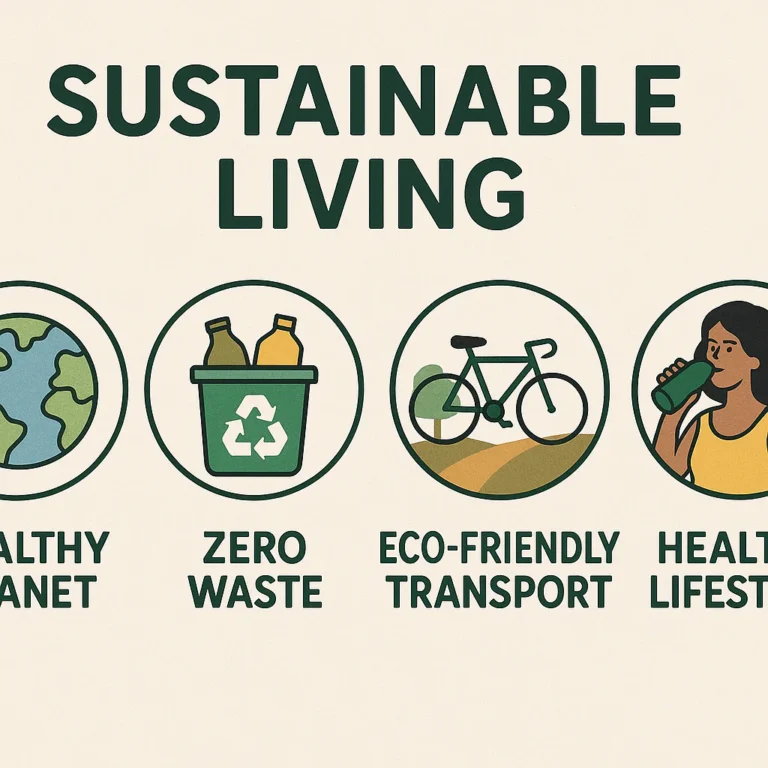
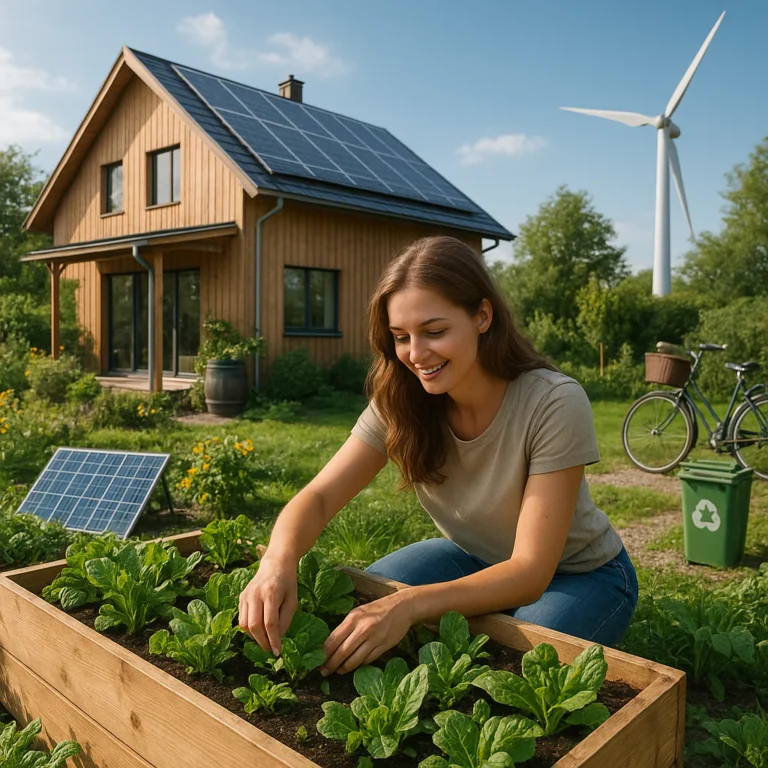
Sustainable living isn’t just a chore; it is the source of motivation speech that fuels a lifetime of purpose and resilience. When you align your daily actions with your deepest values, you transform eco-anxiety into an unstoppable engine for personal growth. This shift from “green guilt” to “green fuel” is exactly what makes the concept of sustainable living is the source of motivation speech so powerful for modern change-makers.
Imagine standing on a stage, not with a list of demands, but with a story of how fixing a leaky faucet gave you more clarity than a thousand news alerts. That is the power of finding your rhythm. Research suggests that 80% of people who adopt sustainable habits report higher life satisfaction because they feel their actions matter.
Key Takeaways
- Purpose Over Guilt: True motivation comes from aligning actions with values, not from fear of the future.
- The Green Diamond: Adopt a sustainable rhythm that prevents burnout and allows you to make an impact for decades.
- Systemic Power: Individual choices create the market demand that drives corporate and policy change.
- Actionable Steps: Small, consistent habits like reducing waste and connecting with nature build lasting momentum.
Table of Contents
- ⚡️ Quick Tips and Facts
- 🌱 From Green Guilt to Green Fuel: The History of Sustainable Living as Motivation
- 🧠 The Psychology of Purpose: Why Eco-Consciousness Ignites the Soul
- 🗣️ Crafting Your Sustainable Living Is the Source of Motivation Speech
- 🚀 7 Actionable Steps to Turn Eco-Awareness into Unstoppable Momentum
- 🌍 Beyond the Individual: How Systemic Change Fuels Personal Drive
- 🏢 Corporate Case Studies: When Brands Lead the Charge on Sustainability
- 🛠️ Tools, Apps, and Resources to Keep Your Green Fire Burning
- 🤔 Overcoming Eco-Anxiety: Turning Fear into Forward Motion
- 📈 Measuring Your Impact: Metrics That Matter for the Eco-Warior
- 🌿 Building a Community of Change-Makers Around Your Message
- 🎤 The Art of Storytelling: Making Sustainability Relatable and Real
- 🔮 Future-Proofing Your Mission: Trends in Sustainable Living for the Next Decade
- 🏁 Conclusion
- 🔗 Recommended Links
- ❓ FAQ
- 📚 Reference Links
⚡️ Quick Tips and Facts
Before we dive into the deep end of the sustainability ocean, let’s grab a life raft of actionable truths. At Gone Greenish™, we’ve seen too many people burn out trying to save the world in a week. Here’s the reality check you need to stay in the game for the long haul.
- Motivation isn’t a lightning bolt; it’s a campfire. You don’t just wake up inspired; you build the fire with small, consistent sticks of action.
- The “Good Life” Paradox: Studies show that leading a sustainable life doesn’t mean living a dreary one. In fact, 80% of people who adopt eco-friendly habits report higher life satisfaction because they align their actions with their values.
- Systemic vs. Individual: While you can’t single-handedly fix the UN plastic treaty, your choices create the market demand that forces corporations to change.
- Burnout is the enemy of impact. Working 80 hours a week on climate change is less effective than working 40 hours sustainably for 40 years.
- One size does not fit all. What motivates a “Thrifty Optimizer” (saving money) won’t move an “Ambitious Experience Seeker” (status and tech). You need to know your audience.
💡 Pro Tip: If you’re looking for a spark to start your journey, check out our collection of 75+ Sustainable Living Quotes to Inspire Your Green Journey 🌿 (2025) at Gone Greenish: Sustainable Living Quotes. Sometimes, the right words are the fuel you need.
🌱 From Green Guilt to Green Fuel: The History of Sustainable Living as Motivation
Let’s be honest: for a long time, the narrative around sustainability was drenched in guilt. Remember the early 20s? You were told you were destroying the planet if you bought a plastic water bottle or drove a gas car. It felt like a constant lecture from a disappointed parent.
The Shift:
Over the last decade, the conversation has evolved from “Don’t do this” to “Here’s how you can thrive.” We moved from the era of eco-anxiety to the era of eco-empowerment.
- The Guilt Phase (190s-2010s): Focus on individual blame. “Recycle or die.”
- The Awareness Phase (2010s-2020s): Focus on data and science. “The ice is melting.”
- The Motivation Phase (Now): Focus on purpose, health, and community. “Sustainable living is the source of motivation speech” isn’t just a catchy phrase; it’s a recognition that purpose drives longevity.
Why the change? Because guilt is a terrible fuel source. It burns hot and fast, then leaves you cold and exhausted. Purpose, however, is a slow-burning coal that keeps you warm for decades.
📉 Did You Know? The concept of “sustainable motivation” was popularized by thinkers like Helen Toner, who argued that the “health progress bar” model of work (where rest just refills the bar) is flawed. Instead, we need a rhythm that works for decades.
🧠 The Psychology of Purpose: Why Eco-Consciousness Ignites the Soul
Why does picking up a piece of trash make you feel good? Why does switching to a plant-based diet give you a sense of clarity? It’s not just “feel-good” fluff; it’s neurobiology.
The Dopamine of Alignment
When your actions align with your values, your brain releases dopamine. This is the same chemical reward system that lights up when you eat chocolate or win a game. But unlike the fleeting high of sugar, the high of ethical alignment is sustainable.
The “Sims” Health Bar vs. The Green Diamond
In the video game The Sims, characters have a “needs” bar. If it drops, they get grumpy. If it hits zero, they die. Many of us treat our environmental activism like this: we push until we hit zero, then crash.
Helen Toner suggests a better model: The Green Diamond.
- The Goal: A rhythm you can maintain for decades.
- The Reality: You will have “red” days (burnout) and “yellow” days (stress), but the average state must be sustainable.
- The Result: You become a resilient change-maker rather than a martyr.
The 7 Motivation Profiles
Not everyone is motivated by the same thing. A study by Sitra identified seven distinct profiles. Understanding these helps you craft your “sustainable living is the source of motivation speech” effectively.
| Profile | Core Value | Motivation Driver | Best Approach |
|---|---|---|---|
| Ambitious Experience Seeker | Achievement, Power | Status, Tech, Premium Quality | Frame sustainability as the ultimate status symbol. |
| Headstrong Traditionalist | Tradition, Security | Independence, Rationality | Emphasize saving resources and fixing familiar systems. |
| Tribal Follower | Benevolence, Conformity | Social Acceptance | Use influencers; make it the “new normal.” |
| Joyful Everyday Juggler | Hedonism, Benevolence | Convenience, Time-Saving | Focus on ease and “win-win” scenarios. |
| Thrifty Optimizer | Security, Self-Discipline | Saving Money | Highlight cost savings in euros/dollars. |
| Well-being & Nature Enthusiast | Universalism, Self-Direction | Health, Local Nature | Connect to physical health and local biodiversity. |
| Uncompromising Eco-Warior | Universalism, Self-Transcendence | Climate Justice, Biodiversity | Provide real impact data; avoid greenwashing. |
Source: Sitra, “Motivation Profiles of a Sustainable Lifestyle”
🗣️ Crafting Your Sustainable Living Is the Source of Motivation Speech
So, you’ve been asked to give a speech. Maybe it’s for a school assembly, a corporate town hall, or a community meetup. The topic? “Sustainable Living is the Source of Motivation.”
How do you make it stick? You don’t lecture. You storytell.
Step 1: The Hook (The Asteroid Metaphor)
Start with the “asteroid” analogy. Imagine a giant rock heading toward Earth. That’s climate change. But here’s the twist: we have the shield.
- Mention the planetary boundaries we’ve crossed.
- Highlight that solutions exist (electric mobility, sustainable timber).
- The Twist: The shield isn’t just technology; it’s human will.
Step 2: The Personal Connection
Share a story. Maybe it’s the time you felt overwhelmed by the news, or the moment you planted a tree and felt a shift in your mindset.
- Example: “I used to think saving the planet was a chore. Then I realized it was the thing that gave my life direction.”
Step 3: The Call to Action (The “Green Diamond”)
Don’t ask them to save the world overnight. Ask them to find their sustainable rhythm.
- “What is one small change you can make that you can do for the next 40 years?”
- “How can we turn our guilt into fuel?”
Step 4: The Resolution
End with a vision of the future where sustainability isn’t a burden, but the source of our greatest motivation.
🎤 Pro Tip: If you want to see this in action, check out the perspective of the “first YouTube video” embedded in our resources, where the speaker uses the asteroid analogy to explain planetary boundaries and the sigmoid curve of adoption. It’s a masterclass in turning fear into hope.
🚀 7 Actionable Steps to Turn Eco-Awareness into Unstoppable Momentum
Knowing theory is one thing; living it is another. Here are 7 actionable steps to transform your awareness into a lifelong engine of motivation.
- Audit Your Values: Are you motivated by money, health, or justice? Identify your primary driver.
- Set “Sustainable” Goals: Instead of “Go zero waste in a month,” try “Reduce plastic use by 10% this year.”
- Build Your Tribe: Find a community. Isolation kills motivation. Join a local Conservation Tips group.
- Track Your Impact: Use apps to see your progress. Seeing the numbers go down (carbon) or up (trees planted) is a huge dopamine hit.
- Celebrate Small Wins: Did you fix a broken appliance instead of buying a new one? That’s a victory.
- Diversify Your Joy: Don’t let sustainability be your only source of meaning. Have hobbies, friends, and interests unrelated to the cause.
- Rest Intentionally: Schedule “tech-free” time. Rest is not laziness; it’s strategic recovery.
The “Sustainable Rhythm” Checklist
- ✅ Sleep: Are you getting enough rest to think clearly?
- ✅ Movement: Are you moving your body in nature?
- ✅ Connection: Are you talking to people who share your values?
- ✅ Boundaries: Are you saying “no” to things that drain you?
🌍 Beyond the Individual: How Systemic Change Fuels Personal Drive
It’s easy to feel small. “I’m just one person, what can I do?” This is the individual trap. But here’s the secret: Systemic change fuels personal drive.
When you see laws changing, when you see companies like Unilever shifting their strategies, it validates your efforts. It tells you, “You are not crazy; the world is moving with you.”
The Unilever Model: Focus, Integration, Systemic
Unilever, a giant in the consumer goods world, has shifted its approach. They aren’t just asking individuals to recycle; they are:
- More Focus: Setting 15 stretching goals.
- More Integrated: Hard-wiring sustainability into their business strategy.
- More Systemic: Working with governments and trade associations to change the rules of the game.
🌐 Read More: Explore how Carbon Footprint Reduction strategies are being implemented at a corporate level.
The Power of Policy
When a city bans single-use plastics, it removes the friction for individuals. Suddenly, being sustainable is the easy choice. This is why advocacy is a form of self-care. Fighting for policy changes reduces your daily cognitive load.
🏢 Corporate Case Studies: When Brands Lead the Charge on Sustainability
Let’s look at some real-world examples of companies that have turned sustainability into their motivation engine.
Unilever: The Regenerative Giant
Unilever has made regenerative agriculture a core pillar. They aren’t just buying organic; they are working with farmers to restore soil health.
- Impact: Enhanced biodiversity, water conservation, and resilient supply chains.
- Motivation: They view this as “futureproofing” their business.
Patagonia: The Activist Brand
Patagonia doesn’t just sell jackets; they sell a movement. Their “Don’t Buy This Jacket” campaign is a masterclass in anti-consumerist motivation.
- Strategy: They encourage repair and reuse, building a loyal community of “Eco-Wariors.”
IKEA: The Circular Economy
IKEA is moving toward a circular business model, designing products for disassembly and recycling.
- Motivation: They are proving that sustainability can be scalable and profitable.
🛍️ 👉 Shop Sustainable Brands:
- Patagonia: Search on Amazon | Official Website
- IKEA: Search on Amazon | Official Website
🛠️ Tools, Apps, and Resources to Keep Your Green Fire Burning
You can’t do it alone. You need tools. Here are our top picks for keeping your motivation high.
Apps for Impact Tracking
- JouleBug: Gamifies sustainable actions. Earn points for biking, recycling, and saving energy.
- Oroeco: Tracks your carbon footprint and offers personalized tips.
- Too Good To Go: Reduces food waste by connecting you with local restaurants selling surplus food.
Books for Inspiration
- Braiding Sweetgrass by Robin Wall Kimer: A beautiful blend of indigenous wisdom and scientific knowledge.
- The Uninhabitable Earth by David Wallace-Wells: A wake-up call that, while scary, highlights the urgency.
- Doughnut Economics by Kate Raworth: A new economic model for the 21st century.
Hardware for the Eco-Conscious
- Solar Chargers: Keep your devices powered by the sun.
- Reusable Water Bottles: Brands like Hydro Flask and Klean Kanten are durable and stylish.
- Smart Thermostats: Like Nest, to optimize energy use.
🔍 Explore More: Check out our category on Eco-Conscious Brands for more product recommendations.
🤔 Overcoming Eco-Anxiety: Turning Fear into Forward Motion
Eco-anxiety is real. It’s the feeling of dread when you think about the future. But fear is a terrible motivator. Hope is the fuel.
How to Shift from Fear to Action
- Limit News Consumption: Don’t doomscroll. Set a timer for 15 minutes a day.
- Focus on What You Can Control: You can’t stop a hurricane, but you can plant a tree.
- Connect with Nature: Spend time in the woods. It reminds you of what you’re fighting for.
- Join a Movement: Collective action reduces the feeling of isolation.
The “Green Diamond” Mindset
Remember Helen Toner’s advice: Sustainable motivation means building a rhythm that works for decades. If you burn out, you can’t help anyone.
🌿 Read More: Dive into our Biodiversity Conservation section to learn how protecting nature can protect your mental health.
📈 Measuring Your Impact: Metrics That Matter for the Eco-Warior
How do you know if you’re making a difference? You need metrics. But not just any metrics—metrics that matter to you.
Personal Metrics
- Carbon Footprint: Use a calculator to track your emissions.
- Waste Diversion: How much trash did you avoid sending to the landfill?
- Water Savings: How many gallons did you save by fixing leaks or taking shorter showers?
Community Metrics
- Trees Planted: Track your contributions to reforestation projects.
- Volunteer Hours: How many hours did you spend cleaning up your local park?
- Advocacy Actions: How many letters did you write to your representatives?
The Power of Data
Data is empowering. It turns abstract concepts like “saving the planet” into concrete numbers you can see and celebrate.
📊 Visualize Your Impact: Use tools like Carbon Footprint Calculator to get a clear picture of your progress.
🌿 Building a Community of Change-Makers Around Your Message
You are not a lone wolf. You are part of a pack. Building a community is the secret weapon of sustainable motivation.
How to Build Your Tribe
- Start Local: Join a community garden or a cleanup crew.
- Go Digital: Join online forums and social media groups.
- Host Events: Organize a movie night featuring an eco-documentary.
- Mentor Others: Share your knowledge with beginners.
The Power of Shared Purpose
When you surround yourself with people who share your values, your motivation becomes contagious. You lift each other up when the going gets tough.
🤝 Connect: Find a local group through Conservation Tips or Climate Change resources.
🎤 The Art of Storytelling: Making Sustainability Relatable and Real
Data is important, but stories change hearts. How do you tell a story about sustainability that resonates?
The Hero’s Journey
- The Hero: The audience (or you).
- The Villain: Climate change, waste, apathy.
- The Guide: Science, community, or a mentor.
- The Plan: Sustainable living.
- The Call to Action: Join the movement.
Making it Relatable
- Use Analogies: The “asteroid” analogy works because it’s visual.
- Focus on Benefits: Talk about health, savings, and community, not just carbon.
- Be Vulnerable: Share your struggles. It makes you human.
🎬 Watch: The “first YouTube video” mentioned earlier is a perfect example of storytelling. It uses the asteroid metaphor to make complex science accessible and urgent.
🔮 Future-Proofing Your Mission: Trends in Sustainable Living for the Next Decade
What’s next? The future of sustainability is bright, but it’s also evolving.
Emerging Trends
- Regenerative Agriculture: Moving beyond “sustainable” to “restorative.”
- Circular Economy: Designing out waste completely.
- Green Tech: Solar, wind, and battery storage becoming cheaper and more efficient.
- Policy Shifts: More governments adopting carbon pricing and plastic bans.
Preparing for the Future
- Stay Curious: Keep learning.
- Be Adaptable: The world is changing fast.
- Stay Hopeful: The future is what we make it.
🚀 Read More: Explore the latest in Climate Change solutions and Biodiversity Conservation trends.
🏁 Conclusion

We started this journey by asking a simple question: Can sustainable living really be the source of motivation?
The answer is a resounding yes, but with a caveat. It’s not the guilt-driven, burnout-inducing motivation of the past. It’s the sustainable motivation of the future. It’s the kind of motivation that comes from aligning your actions with your values, finding joy in small wins, and building a community of like-minded change-makers.
We’ve explored the history of the movement, the psychology of purpose, and the actionable steps you can take today. We’ve seen how brands like Unilever are shifting the needle, and how you can use tools and apps to track your progress. We’ve discussed the importance of overcoming eco-anxiety and the power of storytelling.
The takeaway?
Sustainable living isn’t a chore. It’s a lifestyle that enriches your life, protects the planet, and gives you a sense of purpose that lasts for decades. It’s the Green Diamond rhythm that keeps you going when the world feels heavy.
So, what’s your first step? Maybe it’s fixing a leaky faucet, joining a local cleanup, or just taking a moment to appreciate the nature around you. Start small. Start today. And remember: you are not alone.
🌟 Final Thought: As Helen Toner said, “If the rest of your life continued as it is now, could you do it? Sometimes it’s good if the answer is no… But be aware that you are making that choice.” Choose a sustainable rhythm. Choose a life of purpose.
🔗 Recommended Links
Ready to take action? Here are some of our top picks for products, books, and resources to help you on your journey.
🛍️ Sustainable Products
- Reusable Water Bottles:
- Hydro Flask | Klean Kanten | Official Website
- Solar Chargers:
- Anker Solar Charger | Goal Zero | Official Website
- Smart Thermostats:
- Nest Learning Thermostat | Ecobee | Official Website
📚 Books for Inspiration
- Braiding Sweetgrass by Robin Wall Kimer: Amazon Link
- Doughnut Economics by Kate Raworth: Amazon Link
- The Uninhabitable Earth by David Wallace-Wells: Amazon Link
🌐 Online Resources
- Sitra: Motivation Profiles of a Sustainable Lifestyle
- Unilever Sustainability
- Effective Altruism: Helen Toner on Sustainable Motivation
❓ FAQ
What are the 4 key motivations for being more sustainable?
The four key motivations often cited are:
- Health: Improving personal and planetary health.
- Financial: Saving money through efficiency and reduced consumption.
- Community: Building stronger, more resilient local communities.
- Purpose: Finding meaning and alignment with personal values.
What is the motivation of sustainability?
The motivation of sustainability is to create a long-term balance between human needs and the Earth’s capacity to regenerate. It’s about ensuring that future generations can thrive, while also improving our own quality of life today.
Read more about “🌱 The 3 Elements of Sustainability Explained (2026)”
What is sustainable living and why is it important?
Sustainable living is a lifestyle that attempts to reduce an individual’s or society’s use of the Earth’s natural resources. It’s important because it helps mitigate climate change, protects biodiversity, and ensures the availability of resources for future generations.
Read more about “🌱 What Is Meant by Sustainable Living? (2026 Guide)”
What is sustainable motivation?
Sustainable motivation is the ability to maintain a consistent, long-term commitment to a cause without burning out. It involves finding a rhythm that works for you, balancing work and rest, and diversifying your sources of meaning.
Read more about “75+ Sustainable Living Quotes to Inspire Your Green Journey 🌿 (2025)”
How does sustainable living improve mental health?
Sustainable living improves mental health by reducing eco-anxiety, fostering a sense of purpose, and connecting you with nature and community. It aligns your actions with your values, which boosts self-esteem and reduces stress.
Read more about “🌊 Ocean Conservation: 15 Ways to Save the Blue Planet (2026)”
What are the best motivational speeches on eco-friendly living?
Some of the best speeches include those by Helen Toner on sustainable motivation, Greta Thunberg on climate action, and David Atenborough on the beauty of nature. These speeches often use storytelling and data to inspire action.
How can I start a sustainable lifestyle for a healthier planet?
Start small. Choose one area to focus on, such as reducing waste, eating more plant-based meals, or conserving energy. Use apps to track your progress and join a community for support.
Read more about “🌱 Launch a Mini Campaign to Promote Sustainable Living (2026)”
Why is environmental consciousness a source of personal motivation?
Environmental consciousness is a source of personal motivation because it connects you to something larger than yourself. It gives you a sense of purpose and agency, empowering you to make a difference.
What are simple sustainable habits for a healthy body and planet?
- Walk or bike instead of driving.
- Eat more plant-based meals.
- Reduce single-use plastics.
- Conserve water and energy.
- Support local and sustainable brands.
Read more about “🌍 50 Plastic Free Day Swaps to Save the Planet (2026)”
How does living sustainably reduce stress and anxiety?
Living sustainably reduces stress by giving you a sense of control and purpose. It also encourages you to spend more time in nature, which is known to lower cortisol levels and improve mood.
Read more about “15 Powerful Methods to Conserve Our Oceans in 2025 🌊”
Can a green lifestyle boost your overall well-being?
Yes, a green lifestyle can boost your overall well-being by improving your physical health, mental health, and sense of community. It aligns your actions with your values, leading to a more fulfilling life.
Read more about “🌱 10 Real Examples of Sustainable Living (2026 Guide)”
📚 Reference Links
- Sitra: Motivation Profiles of a Sustainable Lifestyle
- Unilever: Sustainability Strategy
- Effective Altruism: Helen Toner: Sustainable Motivation
- Carbon Footprint Calculator: Carbon Footprint
- Patagonia: Worn Wear
- IKEA: Sustainability
- Gone Greenish: Carbon Footprint Reduction
- Gone Greenish: Conservation Tips
- Gone Greenish: Eco-Conscious Brands
- Gone Greenish: Climate Change
- Gone Greenish: Biodiversity Conservation
- Gone Greenish: 75+ Sustainable Living Quotes